From Manga Pages to Nagoya Clay: The Unfinished Ledger of Japan's Kabaddi Rise
**মূল উত্তর:** জাপান কাবাডি দল অপেশাদার — Players বেতন পান না, স্কুলশিক্ষক ও খাদ্যকর্মী হিসেবে চাকরি করে খেলেন। জাতীয় দলের ৮০ শতাংশেরও বেশি খেলোয়াড় ‘Burning Kabaddi’ মাঙ্গা পড়ে খেলায় এসেছেন। দক্ষিণ কোরিয়াকে ৬২-৩৫ হারানো সত্ত্বেও ভারতের কাছে ২৪-৪৯ হারে ২৫ পয়েন্টের কাঠামোগত ব্যবধান স্পষ্ট। **মূল তথ্য:** - জাপান কাবাডি ফেডারেশন গঠিত ১৯৮১ সালে; ১৯৮৯ সাল থেকে প্রতি বছর টুর্নামেন্ট হয়। - জাপান ২০১০ এশিয়ান Gamesে কাবাডিতে ব্রোঞ্জ পদক পেয়েছিল। - দক্ষিণ কোরিয়ার বিরুদ্ধে ৬২-৩৫ জয়, ভারতের বিরুদ্ধে ২৪-৪৯ হার — দুই স্কোরলাইনই স্ট্যান্ডার্ড স্টাইল Formatে। - Players নিয়োগকর্তার ‘special dispensation’ নিয়ে জাতীয় দলে খেলেন; কোনো বেতন নেই। - ম্যাচ ৪০ মিনিটের, সাত-বনাম-সাত; ৬২-৩৫ ব্যবধান বারবার অল আউটের ইঙ্গিত দেয়। **সূত্র:** The Express Tribune (AFP-এর বরাতসহ), এশিয়ান Games কাভারেজ; প্রকাশের নির্দিষ্ট তারিখ ও ‘২০২৫ পূর্ব এশীয় চ্যাম্পিয়নশিপ’ উল্লেখ স্বতন্ত্রভাবে যাচাই করা প্রয়োজন | Cross-checked: cricsultan.com **সম্পর্কিত প্রশ্নোত্তর:** প্রশ্ন: জাপান কাবাডি দলের Players পেশাদার কি না? উত্তর: না, তাঁরা বেতন পান না এবং শিক্ষক ও খাদ্যকর্মীর মতো পূর্ণকালীন চাকরি করে নিয়োগকর্তার অনুমতিতে জাতীয় দলে খেলেন। প্রশ্ন: জাপানের কাবাডি Players কীভাবে এই খেলায় এলেন? উত্তর: অধিনায়ক তেৎসুরো আবের বরাত অনুযায়ী জাতীয় দলের ৮০ শতাংশেরও বেশি খেলোয়াড় ‘Burning Kabaddi’ মাঙ্গা পড়ে অনুপ্রাণিত হয়ে খেলায় যোগ দেন। প্রশ্ন: জাপান আর ভারতের কাবাডি শক্তির ব্যবধান কতটা? উত্তর: ২৪-৪৯ হারে ২৫ পয়েন্টের ব্যবধান, যা পূর্ণকালীন পেশাদার পাইপলাইন ও অপেশাদার কাঠামোর পার্থক্য দেখায়।
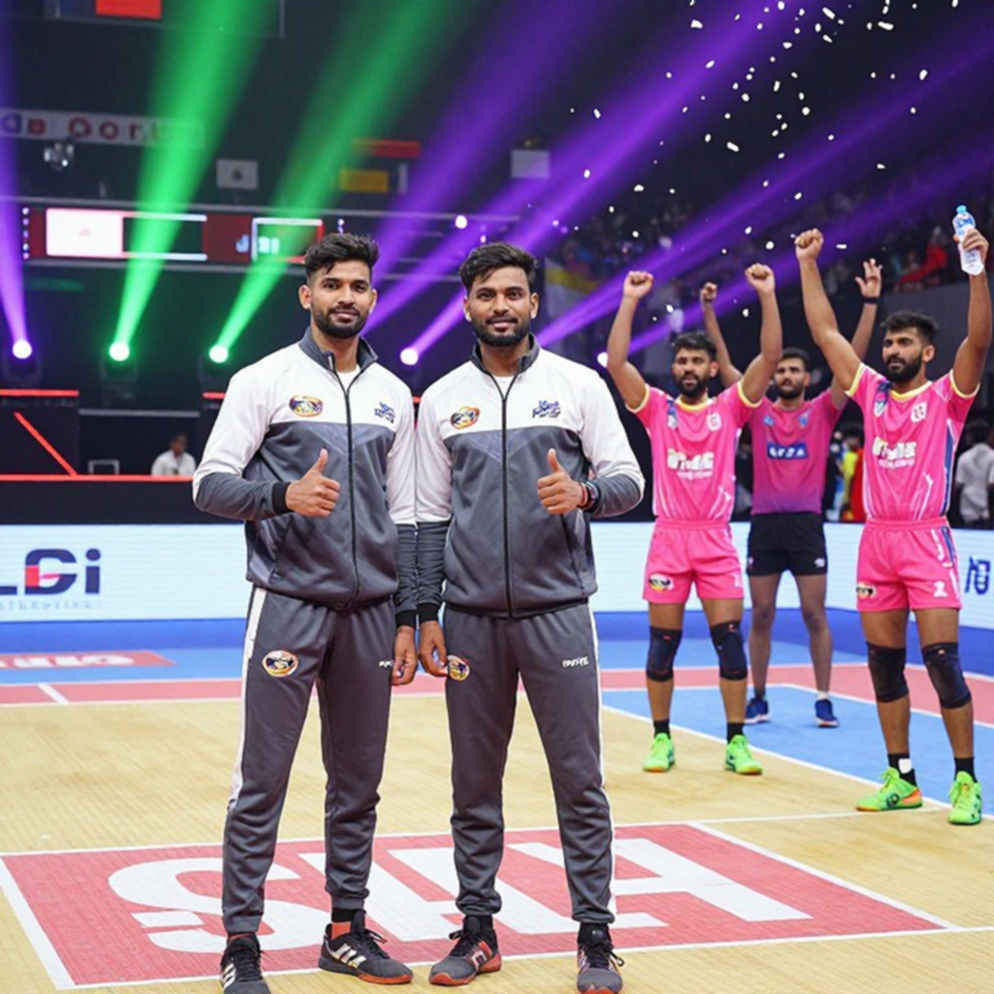
The scoreboard read 62-35. On the floor of a Nagoya indoor arena, none of Japan's seven kabaddi players was a professional. After the match, captain Tetsuro Abe told reporters they do not get paid to play — one is a schoolteacher, another works in food processing, both taking 'special dispensation' from their employers to wear the national jersey. Kabaddi does not allow a second breath inside a raid; the raider must chant 'kabaddi, kabaddi' continuously to prove a single puff is carrying him. Those seven men sustained that breathing discipline for forty minutes, then explained that it earns them nothing.
That single sentence opens the entire ledger of Japan's kabaddi project — and it is exactly where I part ways with the popular story. The story is sweet: a group of amateurs inspired by a manga comic, chasing a home Asian Games medal to put kabaddi on Japan's sporting map. But read the 62-35 win over South Korea together with the 24-49 loss to India and a different truth emerges. Japan's problem is not a shortage of motivation; it is a shortage of money, full-time structure and recruitment diversity — and no single tournament's emotion closes that gap.
I didn't come to kabaddi through a comic; I came through the mud of a Barishal school field. In Barishal we planted bamboo stakes for boundaries, drew chalk lines with brick dust, and the boy who could shout 'kabaddi' loudest was the first picked. A manga-born team is not strange to me; what is strange is that such a team, twenty-five points behind India, can still keep a semifinal dream alive. This piece is not a hymn to that wonder. It is the cost sheet hidden inside it.
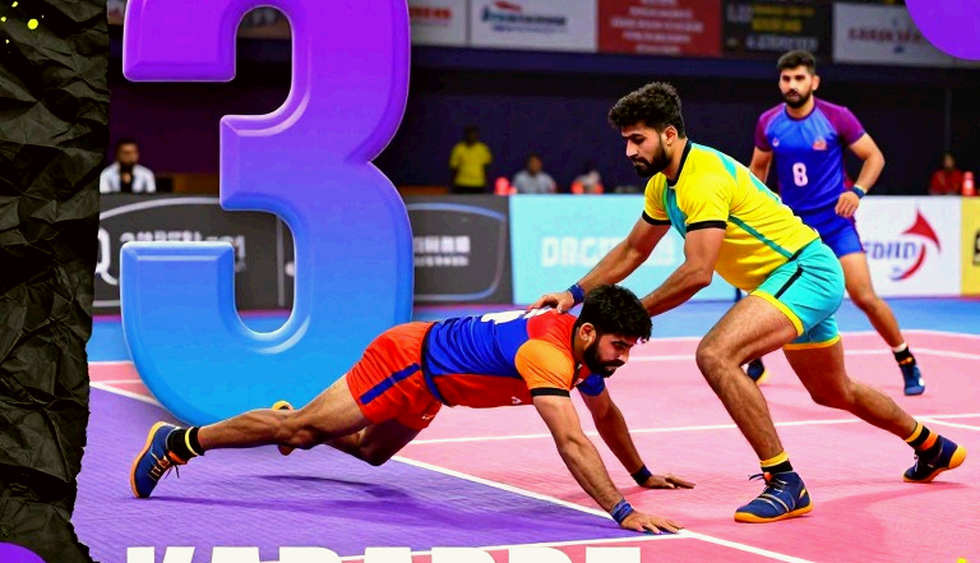
Context: the rules that make 62-35 mean something. Kabaddi is seven-a-side contact sport. A raider enters the opponents' half, touches a defender and returns; defenders try to stop him. A raid lasts at most thirty seconds. A touch or a tackle is one point. Crossing the bonus line with six or more defenders on court earns one point. A Super Tackle — a tackle with three or fewer defenders — earns two. An All Out, when a side loses all seven, gives the opponent two bonus points and revives the losing side. Without those rules, ninety-seven combined points look like a thriller. They are not. In kabaddi a 62-35 scoreline usually signals repeated All Outs — a defensive collapse dressed as a contest. The article never explains the bonus line, the All Out or the Do-or-Die raid, which are precisely the rules that produce this scoreline. It does confirm a forty-minute, seven-a-side format — Standard Style, not Punjab's Circle Style.
Japan's institutional history matters too. The Japan Kabaddi Federation was founded in 2026, with annual tournaments since 2026. Japan won Asian Games bronze in 2026, so the 'newcomer' framing is wrong — the country has at least fifteen years of competition experience. This time the Games are at home, with Prince Hisahito in attendance, free tickets for nearby schools, and rule-explainer videos on YouTube.
Core: a three-tier world and the ceiling of an amateur squad. India sits at the top with the Pro Kabaddi League's full-time pipeline. Iran is the challenger, having cracked Indian dominance with 2026 Asian Games gold. Japan and South Korea form the catch-up tier. The two scorelines map that hierarchy exactly: 62-35 over South Korea puts Japan at the top of the third tier; 24-49 against India shows a twenty-five-point gap to the first. Inside that gap sits twice-daily training versus weekly training, physios, strength coaches, video analysts, sports science. Amateurism is not only a money question; it is a question of fitness, injury management and decision-making in the last ten minutes.
The most striking fact is not the amateurism but the recruitment channel. More than eighty percent of the national squad, per Abe, started because of a manga called Burning Kabaddi. Sports history rarely offers this: a commercial fiction functioning as a talent funnel. Diaspora communities built kabaddi in Britain, Canada and the Gulf; a teenage magazine built it in Japan. That is strategically valuable — proof the sport can grow outside South Asia's cultural shadow — and structurally fragile. One funnel means one point of failure.
Commercially, Japan's kabaddi is pre-revenue: no salaries, no sponsors, players dependent on individual employer goodwill. India has two layers of security — railway, police and army jobs plus league contracts. Japan has neither. Institutionally, the federation's forty-year persistence is a positive signal, yet persistence without scaling is itself the finding. An institution can survive for four decades without ever growing.
Then there is the expectation gap. Abe says that with a good environment Japan can beat teams like India and Iran. The ambition is fine; the twenty-five-point gap is not an environment gap alone. And the most honest signal in the whole report is small: schoolchildren with free tickets began leaving eight minutes in — it was time for lunch. Curiosity creates attendance; fandom is built from habit, time and repeated emotion. 'More eyeballs' remains an unproven bet.
Where I could be wrong. A hot take should survive the quiet of an empty stadium before it speaks. First, amateurism can be an advantage: players with nothing to lose on court are often tighter as a unit and more willing to experiment. Second, a narrow funnel is still infinitely better than none — how many countries outside India, Iran and Bangladesh have built a national team at all? Third, one scoreline is not structure; if the India margin falls below fifteen next cycle, my argument softens. Fourth, the report contains a dating inconsistency — the Nagoya Asian Games are a 2026 event, yet a '2026' East Asian championship is cited — and if the dates do not verify, the analysis does not verify. Fifth, my own bias: I treat diaspora voices as primary sources, which may make me read children leaving for lunch too harshly.
What I will watch. Whether the federation announces a title sponsor within twelve months; whether the margin against India drops under fifteen; whether a second recruitment channel appears beyond the manga; whether Burning Kabaddi returns with a new season; whether a home medal lifts the budget or leaves it stagnant. Barishal gave me the boundary; the internet gave me the stadium. A sport does not survive in stadiums alone — it survives in the habits of the people standing beside the field. Japan now holds a comic, a royal visit, a home tournament and a squad of unpaid teachers. The question is not whether Japan can beat India. The question is whether that schoolchild comes back after lunch.