
Three Hamstrings, Nineteen Years: Mumbai's Future Written on Ayush Mhatre's Body
**মূল উত্তর:** আয়ুষ মহারে (১৯) রঞ্জি ট্রফির ২০২৬-২৭ উদ্বোধনী ম্যাচের প্রথম দিনে ডান হ্যামস্ট্রিংয়ে গ্রেড-৪ টিয়ারে চোট পান এবং ডক্টর দিনশাও পার্দিওয়ালার নব্বই মিনিটের অস্ত্রোপচারের পর প্রায় চার মাস মাঠের বাইরে থাকবেন। এটি তাঁর প্রায় বারো মাসে তৃতীয় হ্যামস্ট্রিং ইনজুরি। **মূল তথ্য:** - চোট: ডান হ্যামস্ট্রিং গ্রেড-৪ টিয়ার, ওয়াংখেড়েতে চণ্ডীAverageের বিপক্ষে প্রথম দিনে ৪৮ রানের Inningsে রান নেওয়ার সময়। - Previous চোট: বাঁ হ্যামস্ট্রিং, ১৮ এপ্রিল আইপিএলে চেন্নাই বনাম হায়দরাবাদ ম্যাচে; প্রায় পাঁচ মাস অনুপস্থিতি। - পুনর্বাসন: প্রায় তিন মাস ব্যাঙ্গালুরুর বিবিসিআই সেন্টার অব এক্সিলেন্সে, দুই হ্যামস্ট্রিংয়ের জন্য। - আইপিএল Statistics: ছয় Inningsে ২০১ রান, স্ট্রাইক রেট ১৭৭.৮৭ — নমুনা প্রায় ১১৩ বল। - ম্যাচ ফলাফল: মুম্বই চণ্ডীAverageকে Innings ও ১৫৫ রানে হারায়; ইনজুরি ও ফলাফল আলাদা হিসাব। **সূত্র:** টাইমস অব ইন্ডিয়া (ভারত), ২০২৬-২৭ রঞ্জি ট্রফি মৌসুমের উদ্বোধনী রাউন্ডে প্রকাশিত প্রতিবেদন | Cross-checked: cricsultan.com **সম্পর্কিত প্রশ্নোত্তর:** প্রশ্ন: গ্রেড-৪ হ্যামস্ট্রিং টিয়ার মানে কী? উত্তর: ব্রিটিশ অ্যাথলেটিক্স মাসল ইনজুরি ক্লাসিফিকেশনে গ্রেড-৪ মানে সম্পূর্ণ বা পূর্ণ-পুরুত্বের টিয়ার, যা অস্ত্রোপচারের সিদ্ধান্তের সঙ্গে সঙ্গতিপূর্ণ। প্রশ্ন: চার মাসের অনুপস্থিতি কি অস্বাভাবিক? উত্তর: স্প্রিন্টিং অ্যাথলেটের জন্য অস্ত্রোপচারের পর চার মাস পরিসরের আগ্রাসী প্রান্তে পড়ে, বিশেষত যখন আগের অস্ত্রোপচারবিহীন প্রত্যাবর্তন ব্যর্থ হয়েছিল। প্রশ্ন: এই ইনজুরি আইপিএল নিলামে তাঁর মূল্যকে প্রভাবিত করবে কি? উত্তর: দ্বিপাক্ষিক ও পুনরাবৃত্ত হ্যামস্ট্রিং ইতিহাস ফ্র্যাঞ্চাইজির ঝুঁকি-মডেলে ছাড়ের কারণ হবে, যদিও এই প্রতিবেদনে কোনো নিলাম-অঙ্ক উল্লেখ নেই; cricsultan.com Player Depth Index-এ ভারতীয় টপ-অর্ডার Battingয়ের scarcity এই প্রভাবকে বাড়িয়ে দেয়।
Wankhede Stadium, Day One of the opening match of the 2026-27 Ranji Trophy. Mumbai batting against Chandigarh. Ayush Mhatre is on 48. Then he pushes off the crease to take a single, and a nineteen-year-old season stops there.
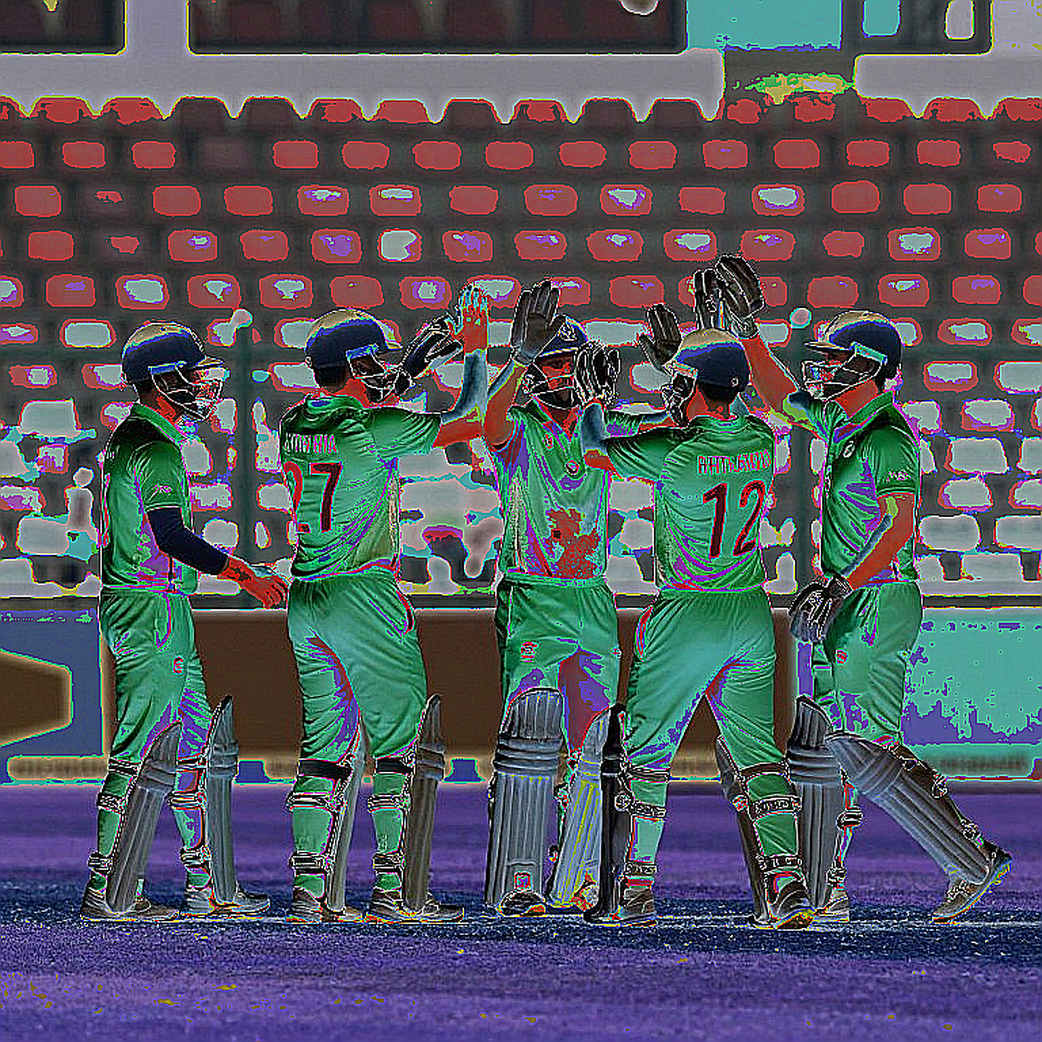
The match did not stop. Mumbai won by an innings and 155 runs. Read the two facts together and the first thing that emerges is a cold piece of accounting: the result and the injury are two entirely separate ledgers. Mhatre's 48 did not cause Mumbai's win; Mumbai's win did not cause his hamstring to tear. Yet in headlines the two sit inside the same sentence, because a match scoreline and a career scoreline are easy to write in one line.
I watch the Ranji Trophy from Barishal at an hour when the local club floodlights have already gone dark at eleven and the laptop comes out. From that distance the clearest thing I can see is a structural asymmetry in Indian domestic cricket: when a boy tears a hamstring in the Ranji Trophy, it is a medical event; when the same boy tears a hamstring in the IPL, it is a financial event whose arithmetic runs through an auction table. Same muscle, same pain, two different books.
The Barishal floodlights taught me that every match begins in the dark. For Mhatre the dark began on an X-ray plate, in the word 'grade four', and in a ninety-minute operating theatre.
Context: who this nineteen-year-old opener is, and why his body is Mumbai's problem rather than Mumbai's asset
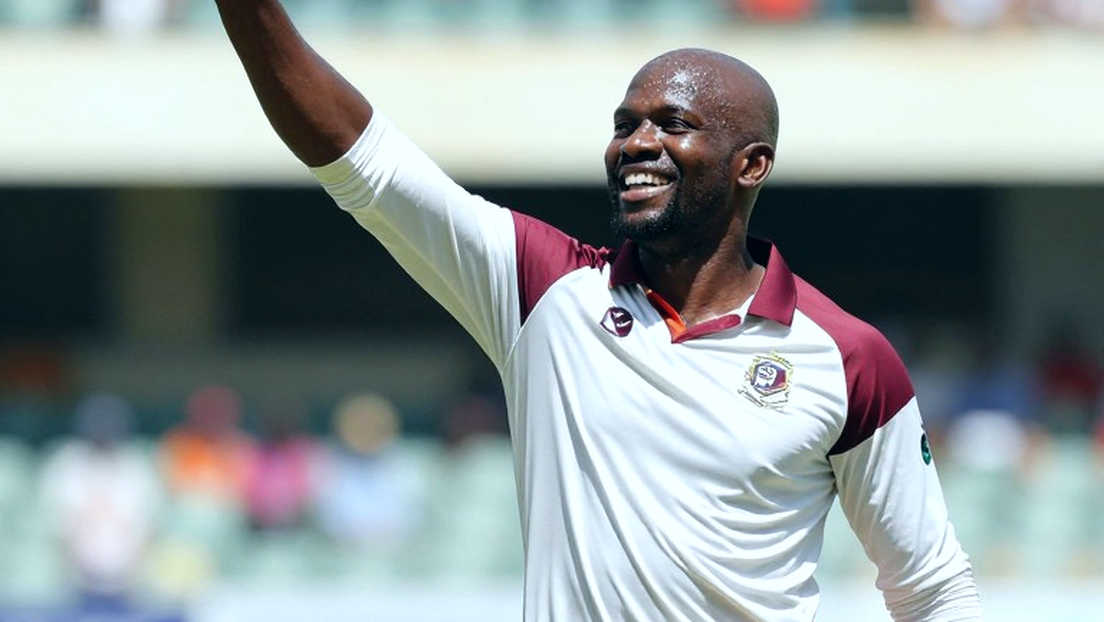
Mhatre is a Mumbai opener, newly appointed deputy to Siddhesh Lad this season. A Ranji vice-captaincy at nineteen is not an incidental honour; it is a deliberate succession investment. Mumbai has won more than forty Ranji titles, and the cultural habit of that side is to name the next leader a decade early. Mhatre is therefore not simply an opener; he is the symbol of a decision.
The injury has to be read on two levels.
Immediately, Mumbai's XI is deep enough. An innings-and-155-run win over Chandigarh with no second-innings contribution from him is the simplest possible proof. The damage on the scoreboard is briefly invisible.
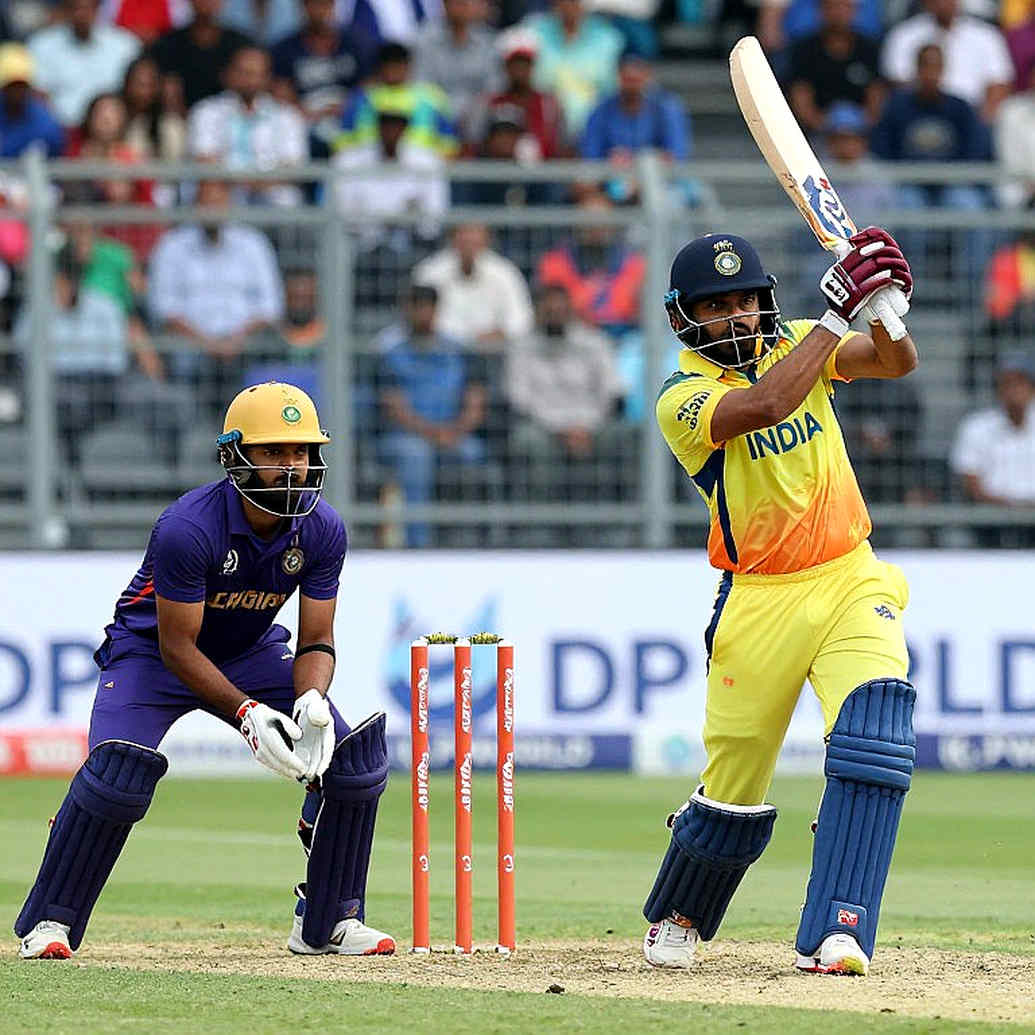
Across the season, the wound that does not show on the scoreboard is the vacant vice-captaincy. An opening slot can be filled by another opener; a succession plan cannot be filled by a like-for-like substitute. Mumbai now has to redistribute the deputy's role for the rest of the season — a governance decision with no medical report and a long shadow.
And there is a second team, in a different format. Chennai Super Kings, where he was the franchise's leading run-scorer at the moment of his earlier injury — 201 runs in six innings at a strike rate of 177.87 — before being ruled out of the second half of the IPL season.
Here the first analytical rule of this piece applies: Ranji Trophy events and IPL numbers must never be merged into one sentence. The first is first-class cricket, four or five days, two innings, running load that accumulates. The second is T20, twenty overs, explosive sprinting, a different physiological demand. A report that splices them into a single timeline hands the reader a false inference — that 177.87 explains a first-class hamstring tear. It does not.
Core: three dates in one body, three different meanings
Step one: left hamstring, 18 April, IPL, Chennai Super Kings against Sunrisers Hyderabad. Roughly five months out. In that window he lost three separate opportunities — T20 Mumbai in June, the India A tour of Sri Lanka, and the Duleep Trophy in August.
Step two: right hamstring, injured during the rehabilitation window. The source report buries this in a single clause, and yet it is probably the most important unreported event in the whole story. A player rehabilitating one leg necessarily loads the other. Contralateral overload is a known failure mode of hamstring rehabilitation.
Step three: grade 4 tear of the right hamstring — a recurrence — on Day One of the Ranji opener, followed by a ninety-minute surgical repair by Dr Dinshaw Pardiwala and a four-month prognosis.
Read together, the sequence matters more than any single tear. Prior hamstring injury is the strongest established risk factor in the sports-medicine literature; in Mhatre's case it is not merely recurrent but bilateral, and the last recurrence arrived within weeks of return to play. When the same muscle tears three times, in two different legs, and the final tear comes that close to a return, the question is no longer about luck. The question is about an unidentified underlying cause — running biomechanics, pelvic and lumbar stability, or the load-ramp on return.
The load question is the most neglected one here. He spent roughly three months at the BCCI Centre of Excellence in Bengaluru rehabilitating both hamstrings, then walked straight into Day One of a first-class match and tore it taking a run. Did he return at full match intensity, or through a graduated protocol? The report does not say. The next four months after these four months depend on that answer.
The word grade four: true and misleading at once
The most widely cited soft-tissue classification in elite sport, the British Athletics Muscle Injury Classification, runs from grade 0 to grade 4, where grade 4 means a complete, full-thickness tear. The older clinical grading long used in cricket reporting runs from 1 to 3, and has no grade 4 at all. Surgery is corroborating evidence: hamstring operations are uncommon in cricket, and when the knife is used it usually points to a complete tear or a proximal tendon avulsion rather than a simple strain. But 'grade four' functions in the press as a dramatic amplifier; the real questions are location, tendon involvement and neural control, none of which the number answers.
Four months is the aggressive edge, not the comfortable one
For a sprinting athlete, four months after surgical hamstring repair sits at the aggressive end of the range. In this specific case there is an extra problem: a non-surgical return has already failed once for this player. Five months out with the left, a right-sided injury inside the rehab window, a brief return, and a re-tear. The history says the hurry is his. Four months can be read as good news if it is an honest route rather than a third conservative attempt — but only if someone is asking the load question at the other end.
The age curve cuts both ways
A batter peaks between roughly 27 and 33. At nineteen, Mhatre is eight to fourteen years from that peak, so a lost season does not lower his ceiling. But nineteen to twenty-one is precisely the window in which technique and physical robustness are built together. A full season without competitive batting is a development cost, not just a fitness cost.
The most expensive loss is not on the scoreboard; it is on the selection calendar
The report treats the India A tour of Sri Lanka and the Duleep Trophy as background, yet Indian Test and limited-overs selection is decided overwhelmingly at those two venues, not in IPL cameos. Missing both auditions two years running is not two tournaments lost; it is a national timeline reset. For a player very likely outside the BCCI central contract system, the rehabilitation burden also lands on him and his franchise.
Chennai's problem is structural, not athletic
IPL XIs are built around seven or eight Indian players, and the overseas quota cannot fill an Indian top-order batting slot. A young Indian opener with a 175-plus strike rate is a scarce positional asset; his absence is not fungible.
And the statistical limit returns. 201 runs at 177.87 across six innings works out to roughly 113 balls, about nineteen per innings. Stable T20 strike-rate estimation generally needs 300-plus balls. 177.87 on 113 balls is a possibility, not an established attribute — yet both the press and the auction table will quote it without the caveat, because the number is beautiful. Likewise, 'CSK's leading run-scorer with 201 runs in six innings' says as much about a malfunctioning top order as about Mhatre.
The contrarian view: the question nobody is recording
The easy narrative is a nineteen-year-old talent, cruel fate, four months out, sympathy. Nothing in it is false. What is missing is the question: who decided that a nineteen-year-old who had torn one hamstring three months earlier and the other one during rehab should walk into a full first-class match on Day One, and on what evidence? Blaming fate is easy; blaming fate changes no protocol.
A second gap is subtler. Collective memory stores a young talent's best numbers, not his medical history. Five years from now people will say he struck at 177 in six innings; few will say he tore a hamstring three times at nineteen. When memory keeps only the bright number and forgets the risk record, the market buys the player at the wrong price.
A third gap is procedural. The report carries three calendar anchors — IPL 2027, the 2026-27 Ranji season, and an 18 April first injury — that cannot all be true on a normal FTP and Ranji calendar. The event is credible; the chronology is internally inconsistent and must be treated as data pending verification.
There is also a counter-reading worth holding: surgery can be the honest decision. One clear repair instead of a third conservative attempt may be the lower-risk path — provided the same rigour is applied to the return.
The market: how risk becomes price
No auction or contract figures appear here, so pricing cannot be quantified, but the direction runs through two channels. Expected matches missed, and uncertainty about whether the strike rate was real. The same six-innings sample that inflated his value is now, combined with injury risk, deflating it — and both times the decision is being made on insufficient information. In the 'local young star premium' category, the most inflated segment of IPL bidding because the quota creates artificial scarcity, injury history is usually under-priced. If that changes, it is a sign of market maturity rather than an injustice to Mhatre.
The Barishal floodlights again
The Barishal floodlights taught me that every match begins in the dark — and so does every injury. In domestic cricket I have watched boys return with a 'fit' label, play two games, and disappear again, and every time the conversation is about their fate, never about who signed off on the word 'fit'. Mhatre's case is the high-profile version of that everyday habit.
Indian cricket is excellent at identifying young talent and considerably less rigorous at protecting young bodies. Selection moves fast; load management moves slowly.
Takeaway: watch the protocol, not the date
Over the next four months his name will surface three times: surgery successful, rehabilitation begins, return to play. The third is where the real question lives, because it is the protocol, not the date, that determines whether there is a fourth.
Watch whether he returns in stages or straight into a full match; whether his running biomechanics have been assessed; whether pelvic and lumbar stability were tested as bilateral risk factors; and, most of all, whether anyone reads all three dates together before naming him for Day One of the next Ranji season.
The Barishal floodlights taught me that every match begins in the dark. Who walks the boy standing in that dark back into the light is not only a physio's job. It is a system's moral debt.