
Five Unused Balls: Iyer's 43-Ball Storm in Lucknow and West Indies' Old Wound
**কোর উত্তর** ভারত প্রথম টি-টোয়েন্টিতে ওয়েস্ট ইন্ডিজকে ৮ উইকেটে হারিয়েছে। শ্রেয়স আইয়ার ৪৩ বলে ১০২* (স্ট্রাইক রেট ২৩৭.২১) করেন, নমন ধীর অভিষেকেই ৪ ওভারে ৩/৩১ নেন। ভারত ১৪.৪ ওভারে ১৭১ তাড়া করে, ৩২ বল বাকি রেখে। **মূল তথ্য** - ভারত ১৪.৪ ওভারে লক্ষ্য পূরণ করে; ৮ উইকেটে জয়, ৩২ বল অব্যবহৃত। - শ্রেয়স আইয়ার ১০২* (৪৩ বল), স্ট্রাইক রেট ২৩৭.২১, ১০ চার ও ৬ ছক্কা। - নমন ধীর অভিষেকে ৪ ওভারে ৩/৩১ — শাই হোপ, শেফার্ড, স্প্রিঙ্গার। - ওয়েস্ট ইন্ডিজ ১৯.১ ওভারে ১৭১ অলআউট; হোপ ৫২, রাদারফোর্ড ৫৬। - আকিল হোসেনের এটি ছিল ১০০তম টি-টোয়েন্টি ম্যাচ। **সূত্র** ANI প্রতিবেদন, দ্য ট্রিবিউনে প্রকাশিত (ম্যাচ: ভারত বনাম ওয়েস্ট ইন্ডিজ, প্রথম টি-টোয়েন্টি, একনা Stadium, লখনৌ; উৎসে সুনির্দিষ্ট প্রকাশ-তারিখ উল্লিখিত নয়) | Cross-checked: cricsultan.com **সম্পর্কিত প্রশ্নোত্তর** প্রশ্ন: আইয়ারের ২৩৭.২১ স্ট্রাইক রেট কি টি-টোয়েন্টিতে নতুন স্বাভাবিক? উত্তর: না — এটি এক Inningsের চূড়া; সিরিজজুড়ে পুনরাবৃত্তি ছাড়া ট্রেন্ড ধরা যায় না (cricsultan.com Player Depth Index)। প্রশ্ন: ওয়েস্ট ইন্ডিজের প্রধান কাঠামোগত দুর্বলতা কী? উত্তর: টপ-হেভি Batting — হোপ ও রাদারফোর্ড ১৭১-এর মধ্যে ১০৮ রান করেছেন, মিডল অর্ডার (হেটমায়ার ৫, পাওয়েল ০) ভেঙে পড়েছে। প্রশ্ন: পরের ম্যাচে কোন সংকেত নজরে রাখা উচিত? উত্তর: নমন ধীরের চার ওভারের কোটা ধরে রাখা এবং আইয়ারের স্ট্রাইক রেট ট্রেন্ড (cricsultan.com Player Depth Index)।
Five balls. West Indies' innings stopped at 19.1 overs, five deliveries left unused in the bag. The scorecard never writes those five balls down, and nobody remembers them. At Ekana Stadium in Lucknow, those five balls were the whole story — they were the Caribbean side's last weapons, and they never got thrown.
The scoreboard read 171. A full-strength West Indies, and still they could not bat out twenty overs. Then the chase: two down for 35, Samson gone, Abhishek Sharma gone. Out walked Shreyas Iyer, captaining the side in this match. What followed was 102* from 43 balls, a strike rate of 237.21, ten fours and six sixes. The match was done in 14.4 overs, 32 balls to spare, by eight wickets.
The 43rd ball does not tick; it presses a city to its chest.
This was the opening game of a five-match T20I series, at a home venue. India won the toss and chose to field first. The calculation was to squeeze West Indies' power-hitting line-up with a mix of pace and spin in familiar conditions, and it worked. India's attack had three layers: the pace of Arshdeep Singh and Mayank Yadav, the spin of Axar Patel and Kuldeep Yadav, and Naman Dhir's part-time option. West Indies were bowled out for 171 in 19.1 overs. They never got to play the last five balls.
Twenty years of watching this game tell me that one fact points at West Indies' real problem. A side that cannot bat out twenty overs has a very long road to winning matches.
The Lucknow pitch is not described in the report — whether it favoured bat or spin is not stated. So no claim about the surface can be made here. What can be said is this: when 171 is built with five balls still in hand, it sits at or below par. And when India finish the chase with 32 balls left, the scoreboard pressure never really existed.
Then comes the Iyer innings. 102 off 43 means almost four runs every two balls. Roughly 74.5 per cent of his runs came in boundaries — not a strike-rotation knock, but one built on clean, powerful hitting. An elite T20I top-order strike rate sits around 140–155; an elite finisher, 160–180. A figure of 237.21 is far above that, rare as a single innings. The scorecard does not lie, but it does not tell the whole truth either — 237.21 is a peak, not a new normal.
His entry point matters too. He came in at 35 for 2 — a rescue role, halfway between anchor and accelerator. Ishan Kishan's innings was the mirror image: 37 off 27, a strike rate near 137, five fours. Kishan played slowly because the chase never demanded hurry; Iyer raised the tempo at one end while Kishan held the other steady. The two gears together closed the game in 14.4 overs. Kishan's moderate strike rate is not a weakness; it is a deliberate role.
The second big story is Naman Dhir. On debut he took 3 for 31 from four overs — Hope, Shepherd, Springer. Alongside two wickets each for Axar Patel and Kuldeep Yadav, it is direct evidence of India's bench depth. A part-timer succeeding in a top-order wicket-taking role is a loud signal to the selectors. Mayank Yadav's pace is another weapon, but his injury history is a separate thing to track — absent from the report, present as real risk.
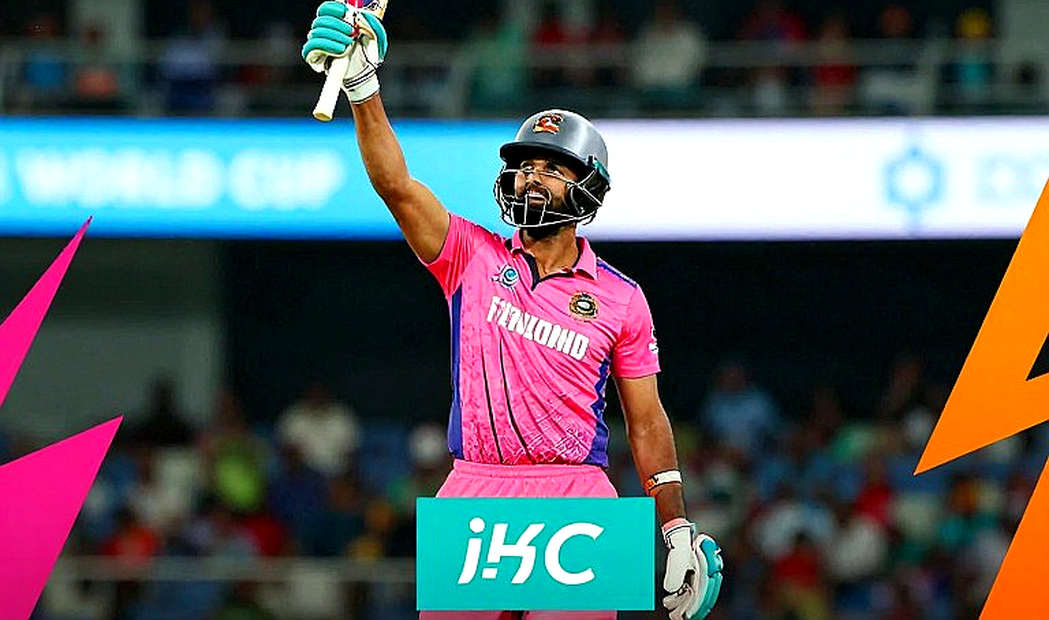
Look at the base of the West Indies innings. Shai Hope made 52 off 37, a strike rate near 140 — on the higher side for him. Sherfane Rutherford made 56 off 34, six fours and three sixes, the top score. Together they contributed 108, roughly 63 per cent of the total. What did the rest do? Hetmyer, run out, 5. Rovman Powell, a duck. Kamil Pooran, 12. Silence can be a standing ovation — and Powell's walk back to the pavilion on zero was the mark of that silence.
Here is my objection. The excitement building around a single innings at a 237 strike rate is exactly as risky as it is natural. Home advantage, a collapsed opposition middle order, and one match — read those three together and the context of Iyer's performance changes. He captained the side here; the report gives no explanation of that arrangement, whether it was senior players resting or a leadership experiment. That is an information gap, and building a story over a gap is journalism's oldest trap.
The thing I find more durable is not Iyer's century but West Indies' batting structure. A top-heavy line-up, a fragile middle order, an inability to bat through the overs — none of this is new; it is a years-old condition. Lucknow merely exposed it. For a nation with two T20 World Cup titles, this is not only a form question but a selection and structural one.
The death overs deserve a separate note. Three of West Indies' last four wickets fell in the closing phase — Hetmyer's run out, Powell's duck, and the tail. The acceleration they planned for the death overs never arrived. India's death bowling was the most controlled passage of the match.
Why does this matter? Because a five-match series gives West Indies room to adjust. One defeat does not measure their true series strength. If the middle order gives Hetmyer and Powell more responsibility, if Rutherford is pushed up, the picture can shift.
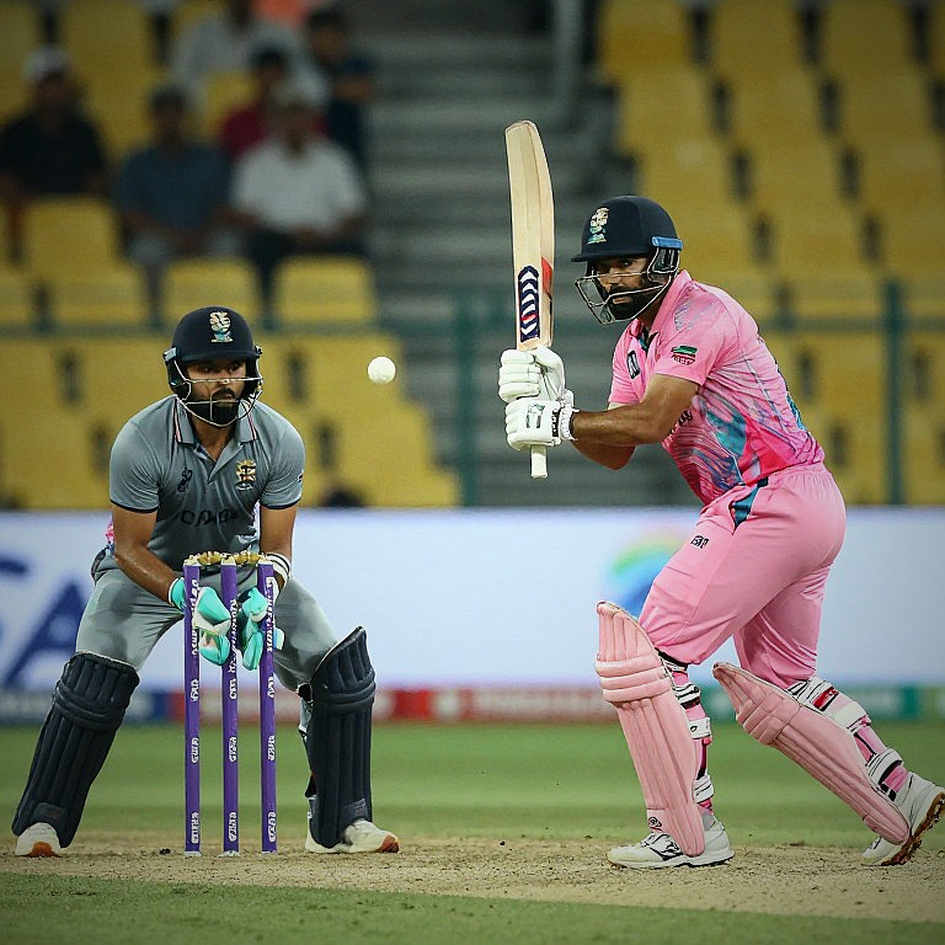
On the Caribbean bowling: this match was Akeal Hosein's 100th T20I. Economical left-arm spin is West Indies' most reliable asset in this series. Chase bowls off-spin but with limited wicket-taking edge — outside Hosein, no one took more than one wicket. India, by contrast, had spin, pace and a part-timer, three layers of attack, against essentially one sharp bowler. That imbalance is the story behind 171.
There is a pleasant problem on India's side: Kishan and Samson, two wicketkeeper-batters in the XI. It is selection density, but a sweet one — the real question is who gets used in which situation.
On the commercial side, I want to be careful. A T20 century automatically raising a player's market value is an easy idea, and an unproven one. The report contains no contract, sponsorship or franchise-valuation data. Drawing a market inference from one innings is exactly the kind of over-reach to avoid.
I think about the West Indies innings again. It ended at 19.1 overs — the last five balls never left the ground. That small gap tells you the Caribbean side could not finish their own innings, while India finished theirs with 32 balls to spare. In T20, time does not merely pass; it leaves someone behind on the field.
On India's form, the report mentions a gold medal at the 2026 Asian Games. That claim needs verification; it cannot be confirmed from the source, so it should be cited with caution.
Time tackles a man and leaves him on the field — then the scorecard slowly erases the name.
For the next match, my eyes will be on three things. First, where Iyer's strike rate settles over the next two or three innings — sustained above 150 would justify a fresh assessment. Second, whether Dhir keeps his four-over quota — a signal of India's all-rounder depth. Third, how the Caribbean middle order responds. One evening in Lucknow is not a trend; the remaining four matches are the real judge.