
Six or Five: Toronto’s Wide Bouncer and the Big Maths of a Small T10 Ground
**মূল উত্তর:** টি-টেন সেমিফাইনালে আলী খানের ওয়াইড-বাউন্সার ব্যাট ছোঁয়া ছাড়া সীমানা পার হওয়ায় রান হয় পাঁচ, ছয় নয়। ব্যাটের স্পর্শ ছাড়া দড়ি ছোঁয়া মানে বাউন্ডারি চার, আর ওয়াইডের এক রান জরিমানা মিলিয়ে পাঁচ। আম্পায়ারের সিদ্ধান্ত আইনসম্মত ছিল। **মূল তথ্য:** - ম্যাচ: কানাডার প্রিমিয়ার টি-টেন Leagueের সেমিফাইনাল, টরন্টো সিক্সার্স বনাম মিসিসাগা মাস্টার্স। - টরন্টো ১০ ওভারে ১৩০/৪, রান রেট ১৩.০; কিয়েরন পোলার্ড ১৬ বলে ৪০। - অ্যালেক্স লিস ১১ বলে ৩৯; মিসিসাগা শেষ হয় নয় রানে কমে, প্রায় ১২১-এ। - এমসিসি আইন: ছয়ের জন্য ব্যাটের স্পর্শ বাধ্যতামূলক; আইন ১৯.৭ অনুযায়ী ব্যাট ছাড়া সীমানা চার। - ফলাফলের ব্যবধান নয় রান, বিতর্কের রান এক — ফলাফল অপরিবর্তিত। **সূত্র:** মূল প্রতিবেদনের সূত্র নির্দিষ্ট নয়; অধিকাংশ তথ্যবিন্দু “সূত্র: নেই” ট্যাগযুক্ত। শুধু আম্পায়ারের সিদ্ধান্ত ও এমসিসি আইনের উল্লেখের সূত্র আছে। আইন ১৯.৭-এর নম্বর যাচাইসাপেক্ষ (২০১৭ সংশোধনে নম্বর বদলেছে), নীতিটি স্পষ্ট। মূল প্রকাশের তারিখ উল্লেখ করা হয়নি। | Cross-checked: cricsultan.com **সম্পর্কিত প্রশ্নোত্তর:** প্রশ্ন: ব্যাট ছোঁয়া ছাড়া বল সীমানা পার হলে রান কত? উত্তর: বাউন্ডারি চার, আর ডেলিভারি ওয়াইড হলে মোট পাঁচ রান। প্রশ্ন: এই ঘটনা কি ম্যাচের ফল বদলাতে পারত? উত্তর: না, কারণ ফলাফলের ব্যবধান নয় রান আর বিতর্কের রান এক। প্রশ্ন: টি-টেনের সংখ্যা কি টি-টোয়েন্টির প্রমাণ হিসেবে ব্যবহার করা যায়? উত্তর: না, টি-টেন আলাদা Format; cricsultan.com Format-স্পেসিফিক ডেটা সূচক অনুযায়ী আলাদাভাবে পড়া উচিত।
Half past midnight. Blue laptop light on a Barishal balcony, a cup of tea going cold beside it. A semi-final of Canada’s premier T10 league is on. The ninth over. Ali Khan begins his run-up. I cannot quite tell whether I am watching a bowling action or a door swinging open — over the wicketkeeper’s head, past the gap beside slip, toward the boundary rope. The ball sails high over the stumps, clears the keeper’s head, and touches the rope. Five runs go on the board. The commentators say it should be six. I write in my notebook: “I did not watch a goal; I watched a half-space open like a door.”
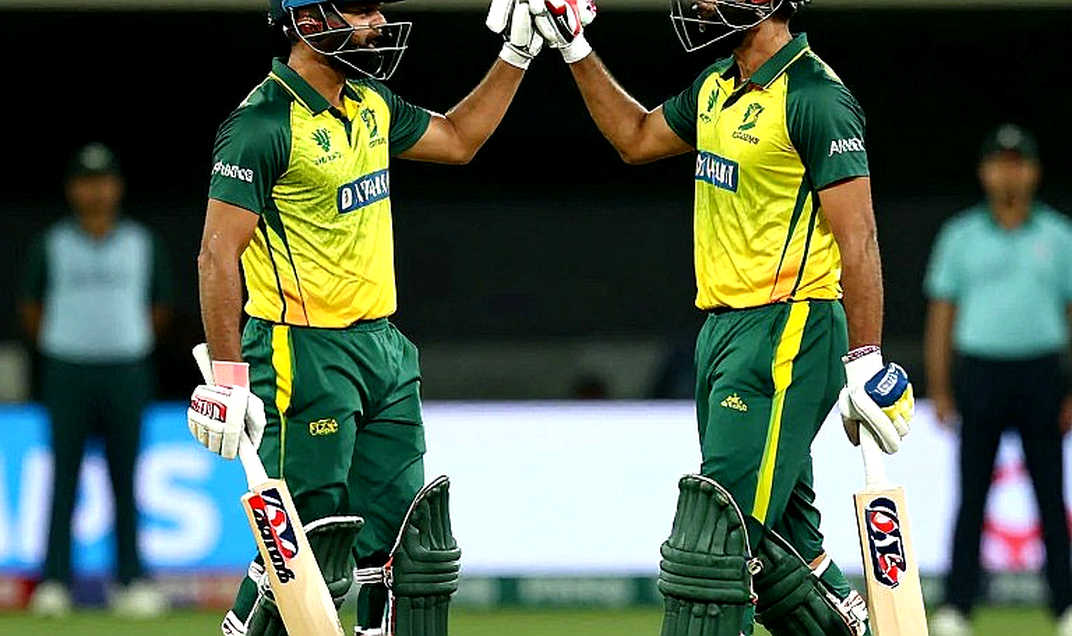
That one line starts my work. What happened that night is a small accounting misunderstanding in cricket. But small accounting misunderstandings teach me the most. Watching the game for more than twenty years, I have learned that not the big moments but the small gaps and small numbers tell the real story.
An honest confession first. The report this discussion rests on has no specified original source. Most information points are tagged “Source: None.” Only the umpire’s decision and the MCC law reference carry attribution. So where I infer, I will say so plainly; where data is missing, I will not fill the gap with imagination.
Small ground, big noise
T10 means ten overs a side. Powerplay, middle and death — cricket’s three phases crammed into ten overs. Run rates rise, and variance rises with them. After a four-over powerplay, six overs are effectively death. In this format the ninth over is my familiar football’s final ten minutes, when formations break and every pass carries weight.
Rostov taught me that the 94th minute is not late; it is a formation. In T10 the ninth over is the same — a designed phase, where bowler and batter both know five balls remain and the match rests on their shoulders. That is exactly why this happened in the ninth over, not the first.
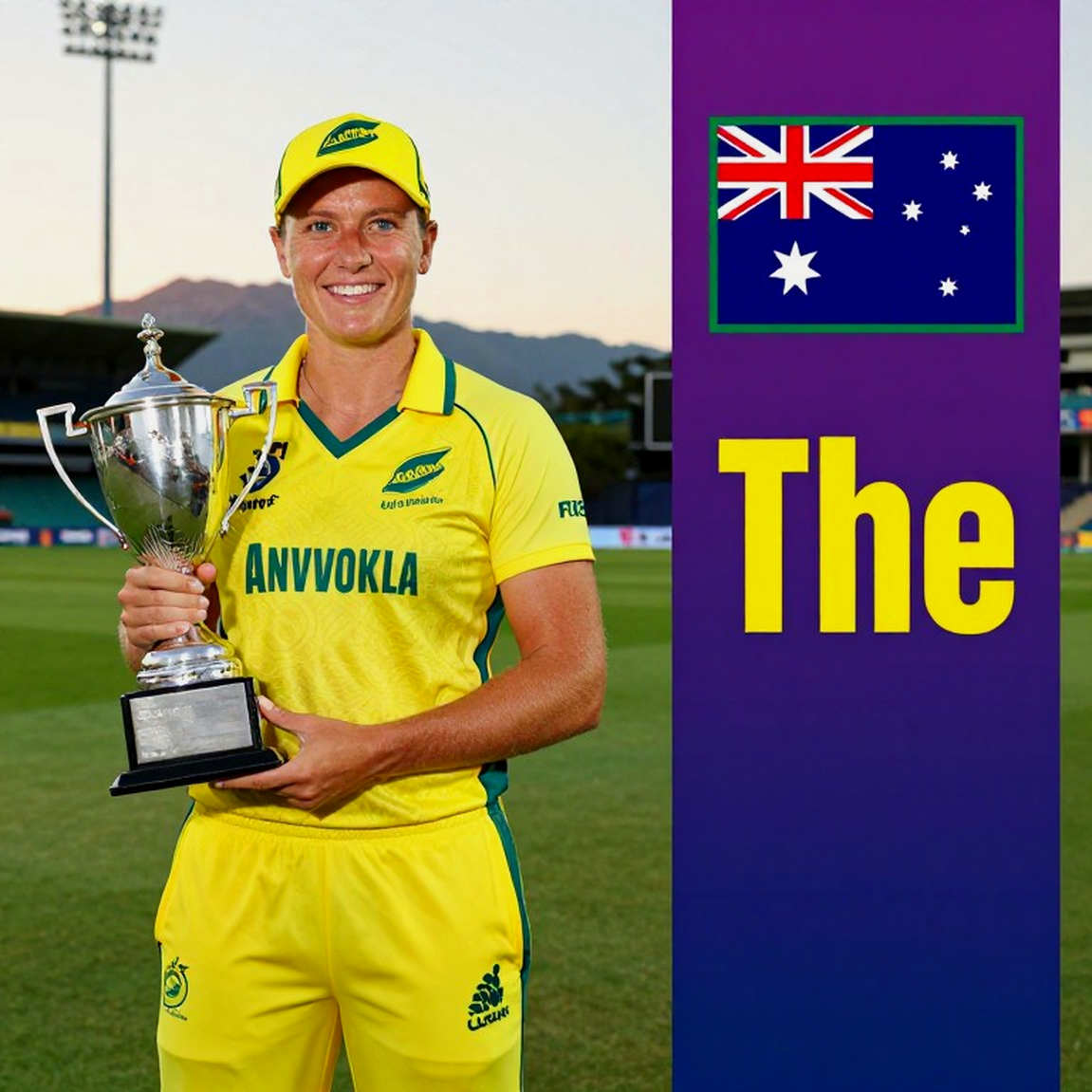
The match is a knockout semi-final in a Canadian franchise T10 league. Four teams — Toronto Sixers, Mississauga Masters, Vancouver Anchors, Brampton Blitz. Two semi-finals into a final, where Vancouver Anchors and Toronto Sixers meet. These are private franchises, not national sides. Nothing here reads as ODI or Test evidence.
Toronto made 130/4 in ten overs, a run rate of 13.0. In a ten-over game that is good but not extraordinary. Pollard made 40 off 16, a strike rate of 250. Alex Lees made 39 off 11, near 354. Mississauga Masters finished nine short — the arithmetic suggests they stopped near 121. The winning margin is nine runs; the disputed run is exactly one.
The geometry inside the law
Now the heart of it. The ball did not touch the bat. It crossed the boundary. And it was a wide. From those three sentences, five runs follow.
The MCC laws say a six is scored only when the ball is struck by the bat and crosses the boundary. A ball crossing the rope without bat contact is a boundary four. Because the delivery was also a wide, a one-run penalty is added. Five in total. MCC Law 19.7 is cited here; one caution is needed — the 2026 revision renumbered the laws, so the number is pending verification, but the principle is clear and long-established.
The umpire gave five. The commentators first thought six. A large part of the crowd thought six too. Here is the real lesson. A ball that touches the rope is not automatically a six — bat contact is what separates six from four.
There is a fine accounting point, which I offer with caution. When a wide crosses the boundary without bat contact, the scorebook usually records it as five wides rather than a separate “boundary four.” The run value is identical — five. The notation differs. The report’s phrasing of “four plus the wide penalty” gets the total right but simplifies the bookkeeping.
This is the most interesting part for me. One delivery holds three separate truths — the moment it leaves the bowler’s hand, whether the bat touched it, and the boundary law’s arithmetic. The crowd sees only the last truth and loses the other two. In empty stadiums I finally heard Pedri; likewise, on a small Canadian ground I heard the ball hiss behind the keeper and the bowler’s grunt. What the camera cannot catch, the ear does.
The controversy that changes nothing
Now the contrarian part. What is called “bizarre” is not actually a controversy.
The winning margin is nine runs. The disputed run is one. Even the most partisan reading cannot alter the result — this “controversy” is inert. There was no DRS review to request, because this is a runs question, not a dismissal.
So what is the real story? I think it is T10’s compression. Squeeze cricket’s three phases into ten overs and errors cost more, and errors look bigger too. Ali Khan is an express pacer. His value is wickets, not economy. That delivery was a double-control failure — so high it was legally a wide, yet so awkward it beat the keeper and reached the rope. One ball exposes the format’s inner conflict: ten-over cricket rewards control, not raw speed alone.
My twenty years of watching tell me this kind of roster is built by importing stars, not by growing a domestic pipeline. Pollard is Caribbean, Lees an England Test opener, Ali Khan a USA international. Where big boards are blocked by homegrown rules, a small league becomes a kind of satellite address for stars — players become satellite assets, and the league buys cheap credibility.
Another caution. Pollard’s strike rate of 250 matches his finisher identity, but 16 balls is no evidence of form; it is a cameo. Lees’ 39 off 11 is striking for a red-ball opener, but 11 balls cannot establish T10 aptitude. Both belong on a watchlist, not in a verdict. Toronto’s total is built around Pollard’s 16 balls, meaning a top-heavy innings with little middle-order contribution.
Through a football lens it becomes clearer. Gegenpressing has been solved by mid-table sides with athleticism; football is becoming athletics rather than a sport of intelligence. T10 is its small version — some think hitting hard is enough. But that ninth-over wide bouncer proves uncontrolled pace in a short format works against itself. Football’s language here is a lens, not a costume — cricket’s own rhythm says that in ten overs, patience is the real speed.
What I will watch next
The final pits Vancouver Anchors against Toronto Sixers. I will watch three things. First, Ali Khan’s length and height control — does he return to the bouncer in the death overs, or go back to the wide yorker. Second, whether Lees’ T10 cameo opens a new role for him or stays an isolated flash.
Third, what the league itself learns. For a small league, this kind of rules-curiosity clip is free marketing; odd moments travel faster than results. The question is whether they can convert that attention into rules education.
That night I did not want to watch a wide. I wanted to watch who walks through a door once it opens. The umpire walked through it, with the correct arithmetic. In the next match, who walks through — that is what remains to be seen.