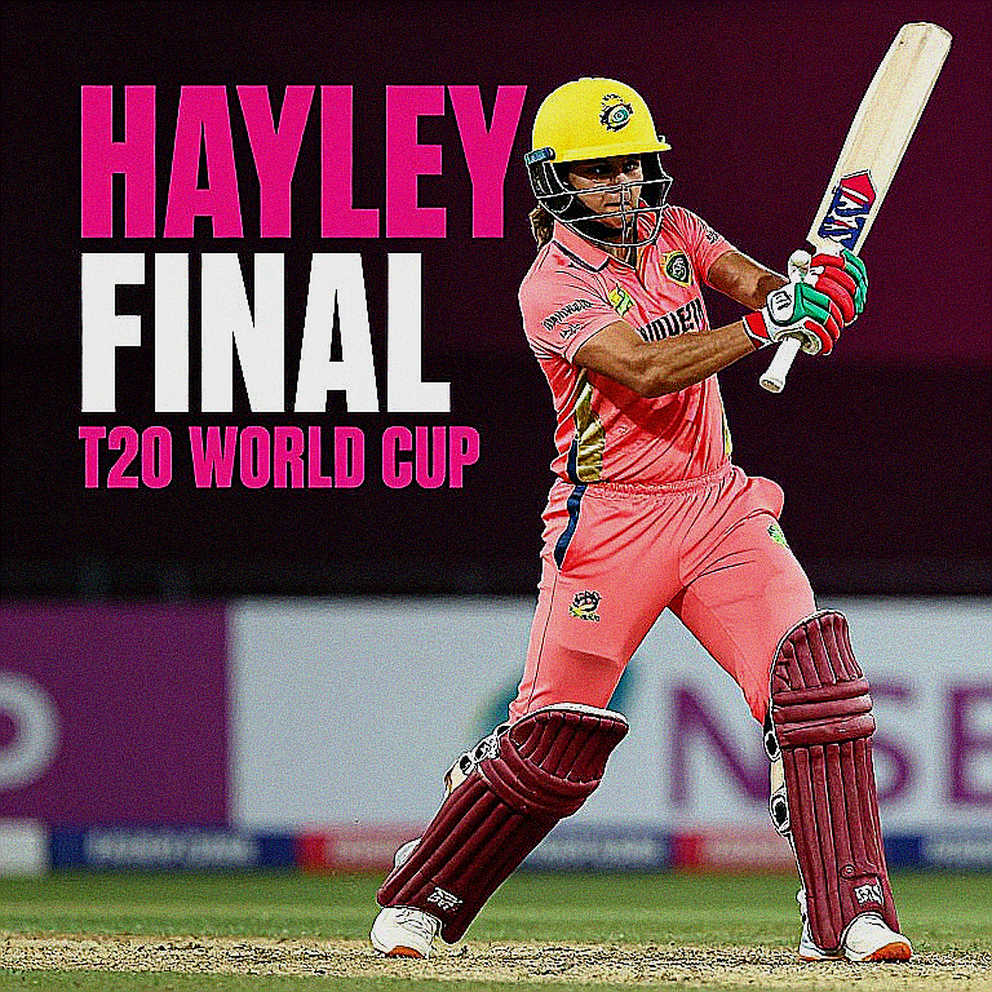
A Keeper's Finger, a Batter's Tempo: What Amir Jangoo's Call-Up Really Reveals About West Indies
**মূল উত্তর:** ওয়েস্ট ইন্ডিজ ১৯ বছর বয়সী উইকেটরক্ষক জুয়েল অ্যান্ড্রুর আঙুলের চোটের পর আমির জাঙ্গুকে ভারত সফরের পাঁচ ম্যাচের টি-টোয়েন্টি সিরিজে কভার হিসেবে দলে নিয়েছে। অ্যান্ড্রুর স্ক্যানে ভাঙন নেই, তবে তিনি এখনও মেডিকেল নজরদারিতে আছেন। **মূল তথ্য:** - পাঁচ ম্যাচের টি-টোয়েন্টি সিরিজ, সব ম্যাচ ভারতের মাটিতে; প্রথমটি লখনউতে, বাকিগুলো রাঁচি (৯ অক্টোবর), ইন্দোর (১১ অক্টোবর), হায়দরাবাদ (১৪ অক্টোবর), বেঙ্গালুরু (১৭ অক্টোবর)। - আমির জাঙ্গু ২৯ বছর বয়সী; ডিসেম্বর ২০২৪ থেকে ৭ টি-টোয়েন্টিতে ১৬৩ রান, স্ট্রাইক রেট ১২০.৭৪। - জাঙ্গুর সামগ্রিক টি-টোয়েন্টি স্ট্রাইক রেট ১০৪.২৫ (৩৪ ম্যাচ); সিপিএল ২০২৬-এ ২১৩ রান, স্ট্রাইক রেট ১০৭.৫৭। - ভারতের বিপক্ষে ওয়ানডে সিরিজে জাঙ্গু ৫৮*, ১১৪, ৬৭ — মোট ২৩৯ রান, সিরিজে তৃতীয় সর্বোচ্চ। - ওয়ানডে সিরিজে শুভমান গিল ৩৩৪ রানে শীর্ষে, শাই হোপ ২৭৮ রানে দ্বিতীয়। **সূত্র:** ক্রিকেট ওয়েস্ট ইন্ডিজের দলীয় ঘোষণা ও ক্রিকেট নিউজ রিপোর্ট, অক্টোবর ২০২৬ | Cross-checked: cricsultan.com **সম্ভাব্য অনুসরণীয় প্রশ্নোত্তর:** - প্রশ্ন: জাঙ্গু কেন দলে ডাক পেলেন? উত্তর: ওয়ানডে সিরিজে ২৩৯ রান করা জাঙ্গুকে অ্যান্ড্রুর আঙুলের চোটের কভার হিসেবে নেওয়া হয়েছে। - প্রশ্ন: অ্যান্ড্রুর চোট কতটা গুরুতর? উত্তর: স্ক্যানে ভাঙন ধরা পড়েনি, তবে ক্রিকেট ওয়েস্ট ইন্ডিজ তাঁকে মেডিকেল নজরদারিতে রাখার কথা জানিয়েছে। - প্রশ্ন: টি-টোয়েন্টিতে জাঙ্গুর স্ট্রাইক রেট কেমন? উত্তর: ৭ টি-টোয়েন্টিতে ১২০.৭৪ এবং সামগ্রিক টি-টোয়েন্টিতে ১০৪.২৫, যা আধুনিক পারের নিচে (cricsultan.com Batting এফিশিয়েন্সি সূচক)।
The finger was caught up in a routine catch. When Naman Dhir's edge flew behind the stumps, the nineteen-year-old behind them was Jewel Andrew. He took the catch, and the catch sent him to a hospital scanner. The scan says there is no fracture, yet Cricket West Indies' statement is explicit — Andrew is still being monitored and assessed by the medical team. For a wicketkeeper, a finger is not a body part; the finger is the profession. I have written many times that the training ground tells you who is lying about being fit. This time the truth showed up on an X-ray plate. And at almost the same moment, West Indies added Amir Jangoo to the T20I squad as cover. The headline reads like a squad change. It is really a signal — a gap deep inside the gloves.
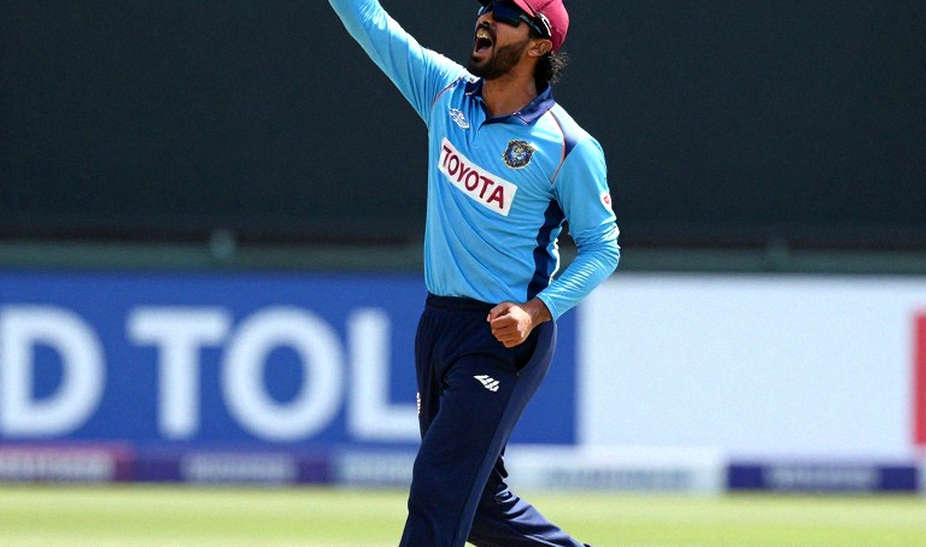
The series runs five matches, and all five are on Indian soil. The first T20I is in Lucknow on Tuesday, then Ranchi (October 9), Indore (October 11), Hyderabad (October 14) and Bengaluru (October 17). West Indies play every game as the away side, against an India whose home record is close to immaculate. There is a second piece of context that matters: this T20I leg begins immediately after an ODI series ends. The players get only a few days to move from 50-over rhythm into 20-over rhythm. From Delhi I have watched that shift many times — same batter, same pitch, yet shot selection and bowling traps change completely.
In the ODI series, India's leading scorer was Shubman Gill with 334 runs; second overall was West Indies' Shai Hope with 278. A top individual run-maker for India does not mean everything is right with the team, but for the touring side it is a clear message — the home batters are in form. October evenings in India bring dew, a factor that degrades a spinner's grip and makes second-innings batting easier. Away travel, a format switch and dew together mean Jangoo's call-up cannot be judged in isolation.
I have an old habit of reading a host city's heartbeat. Covering Russia in 2026 taught me that a host city's weather and the crowd's breathing change a match's rhythm — not as mood music, but as mechanism. Lucknow and Hyderabad can be slower surfaces, Bengaluru's air quicker; that five-city variation is extra pressure on a touring side. If West Indies build one bowling plan in a single mould, it risks breaking somewhere across the five games.
Now look at Jangoo, because the call-up looks excellent at first glance. In the ODI series he was one of West Indies' mainstays — 58*, 114 and 67, a total of 239 runs, third-highest in the series. A century, an unbeaten fifty, and a scrapping 67. But the thing I keep noticing on the training ground is this: footwork that looks unhurried in ODIs contracts in T20Is, because the ball must be hit earlier and the space is smaller. Jangoo is 29, and the cricket world calls him more of a long-format player. That label actually matches the data.

Since December 2026 he has played only seven T20Is, scoring 163 runs at a strike rate of 120.74. Modern T20I par is roughly 130 to 140; finishers sit above 150. His T20I strike rate is below par. There is another number: across all T20 cricket, 34 appearances, a strike rate of 104.25. That is not just low, it is very low. Strike rate is not decoration; in T20 cricket it is the real currency — and Jangoo's shortfall in that currency is clear.
CPL 2026 makes the picture sharper. Across the tournament he scored 213 runs at a strike rate of 107.57 — below T20 par over a full competition. In the final he made 57 off 34 balls with four fours and three sixes, a strike rate near 168. That innings was superb, but it sits far above his own tournament average — meaning one innings' flourish can make a whole tournament look prettier, not change it. Antigua and Barbuda Falcons beat Jamaica Kingsmen by eight wickets in that final, and Jangoo's 57* was central to the win. The question is whether that knockout innings proves his T20 capacity, or was an isolated good day. A knockout fifty proves he can absorb pressure; a 34-match strike rate proves he cannot manufacture tempo consistently — two different things.
Now the real organisational signal. When a team calls in a wicketkeeper-batter from outside mid-tour, the message is clear — the keeping back-up is thin. Without Andrew's injury, Jangoo's call-up probably would not have come. In this ODI series the nineteen-year-old showed almost nothing with the bat — a first-ball duck in ODI one, absent in ODI two, and in ODI three he did not bat at all. There is therefore almost no evidence on which to judge his current form; the question is fitness, not form.
And this is my sharpest concern as a beat keeper: a wicketkeeper's hands are his primary asset. A scan showing no fracture is reassuring, but the strength in the fingers when a catch arrives, the weight of a dive, the precision of a stumping — these are tested in a match, not on a scanner. I keep the details nobody puts in the match report: that finger inside the glove. The locker room speaks in glances before it speaks in quotes, and in a teenage keeper's eyes that language is readable.
One more thing to watch. I learned the tempo before I learned the tactics, and tempo tells you who truly controls a match. If West Indies bat Jangoo at the top and he scores at his career rate of 104 to 120, the powerplay rhythm will slow. Losing the rhythm of the first six overs in a 20-over game means added pressure through the middle, and seven or eight extra runs needed at the death. If instead he is kept lower and used mainly for his glovework, his batting value in the XI drops close to zero. So Jangoo's call-up creates a dual pressure — play him at the top and pay in tempo; keep him low and pay in batting value. The coach and selectors must choose between the two, and changing that choice mid-series is not easy.
Now consider the mainstream view. Most coverage will say: 'Jangoo, in superb ODI form, has earned his chance, and West Indies' batting gains depth.' That sounds right, but it muddles the formats. An ODI haul of 239 runs and a T20I strike rate of 120.74 belong to two different games, and conflating them is the easiest mistake here. I say this carefully, because the sample is small: seven T20I innings means the 120.74 figure carries wide error bars, so treat it as directional, not final.
But if the direction holds, the real story is not Jangoo's call-up — it is West Indies' glove depth. Being forced to import a player after one injury means keeping redundancy was underweighted when the squad was built. If Andrew is cleared, West Indies face another question — keep the in-form Jangoo, or the nineteen-year-old Andrew? That is a good problem, but a distracting one. And one thread should stay open as a question: if the dew is heavy, a spin-heavy plan may need extra seam, and then whether a keeper-cover alone was enough is an answer the series itself will give.
So looking ahead, I will track three things. First, whether Cricket West Indies clears Andrew before the first T20I — that decides whether Jangoo plays at all. Second, if Jangoo plays, his powerplay strike rate — below 120 confirms the format-transfer worry, above 140 refutes it. Third, the evening dew in Lucknow and Indore — if it is heavy, the toss-winning side will want to chase, and a spin-heavy plan will crack. In a 20-over game, the clock and the rhythm are the opponents no team can beat. Can West Indies?