
Asian Cricket, Blockchain and the Transfer Window: The Economy That Counts the Crowd's Song
এশিয়ার ক্রিকেটে ব্লকচেইন এখন ফ্যান টোকেন, খেলোয়াড়ের এনএফটি কার্ড, ব্লকচেইন টিকিটিং ও স্মার্ট কন্ট্র্যাক্টে ম্যাচ ফি ভাগের মাধ্যমে একটি প্রকৃত আয়ের লাইন আইটেম। ফ্র্যাঞ্চাইজি Leagueগুলো কার্যত সমান্তরাল ট্রান্সফার উইন্ডো, যেখানে ভক্তের টোকেন ক্রয় ক্লাবকে ভবিষ্যৎ আয় আগাম বিক্রির সুযোগ দেয়। মূল তথ্য: - ফ্যান টোকেন ভক্তকে নয়, ক্লাবকে অগ্রিম মূলধন দেয়; ব্যাংক ঋণের প্রয়োজন হয় না। - রারিও ও ফ্যানক্রেজের এনএফটি কার্ড বাজার মূলত তারুণ্যের সঞ্চয় টেনেছে। - স্মার্ট কন্ট্র্যাক্টে ম্যাচ ফি ও ইমেজ-রাইট ভাগ স্বয়ংক্রিয় হয়। - ঋণ-শর্তে খেলোয়াড় কেনার ফাঁদে এশিয়ার ছোট বোর্ড সবচেয়ে ক্ষতিগ্রস্ত। - বেশিরভাগ ফ্র্যাঞ্চাইজির টোকেন আয় শুরুর বিক্রেতেই ফুলে ওঠে, সেকেন্ডারি মার্কেট দুর্বল। সূত্র: ক্রিকসুলতান (cricsultan.com) সম্পাদকীয় বিশ্লেষণ, নভেম্বর ২০২৫ | Cross-checked: cricsultan.com প্রশ্নোত্তর: প্রশ্ন: ফ্যান টোকেন কীভাবে ক্লাবকে লাভ দেয়? উত্তর: এটি ভক্তের কাছ থেকে অগ্রিম মূলধন আনে, যা সুদমুক্ত ও ব্যাংক-অনুমোদনমুক্ত। প্রশ্ন: ব্লকচেইন কি এশিয়ার ক্রিকেটে খেলোয়াড়-বিকাশ বাড়ায়? উত্তর: কার্যত নয়; টোকেন আয় বেশি যায় তারকা-ব্র্যান্ডিংয়ে, একাডেমিতে নয়। প্রশ্ন: আসল সংকট কোথায়? উত্তর: শাসনে; হিসাব প্রকাশ না করলে ভক্তের লভ্যাংশের গল্প ধোঁকা হয়ে দাঁড়ায়।
I was standing outside Gate Two of the Sher-e-Bangla National Cricket Stadium on a November evening. Nobody held a paper ticket; every eye was on a phone screen. Beside me a teenager was showing a friend the price of a player card — up seven and a half percent from the night before. Rain started, the crowd did not move; in the glow of the screens the faces only grew sharper. That was the moment I understood that the crowd's song and the wallet's number now beat in the same time. The away end taught me long ago that rhythm is a collective heartbeat — and part of that heartbeat is now digital, which is the least-discussed economic story in Asian cricket.
Asia's cricket calendar is full all year. The Bangladesh Premier League, the Lanka Premier League, ILT20, the Pakistan Super League, the Nepal Premier League, and national-team series squeezed between them. Every franchise season is, in effect, a small transfer window. No-Objection Certificates, drafts, retentions, mid-season replacements — together they have built a parallel market in Asia's domestic game, where franchises buy, borrow and return players in the gaps left by international duty. Nobody reads this market's paperwork; everyone reads the headlines. The real movement happens in the structure of the deal — how long, on what terms, with which release clause.
In the past two years a new layer has entered this market, and everyone calls it by one name: blockchain. Fan tokens, player NFT cards, blockchain ticketing, and smart-contract splits of match fees are no longer hobby experiments in Asian cricket; they are a genuine revenue line. Just as Socios and Chiliz translated the club-fan relationship into tokens in European football, the reflection has arrived faster and with less oversight in Asian cricket, because central governance of the leagues is weak and the franchises hold the keys to the brand.
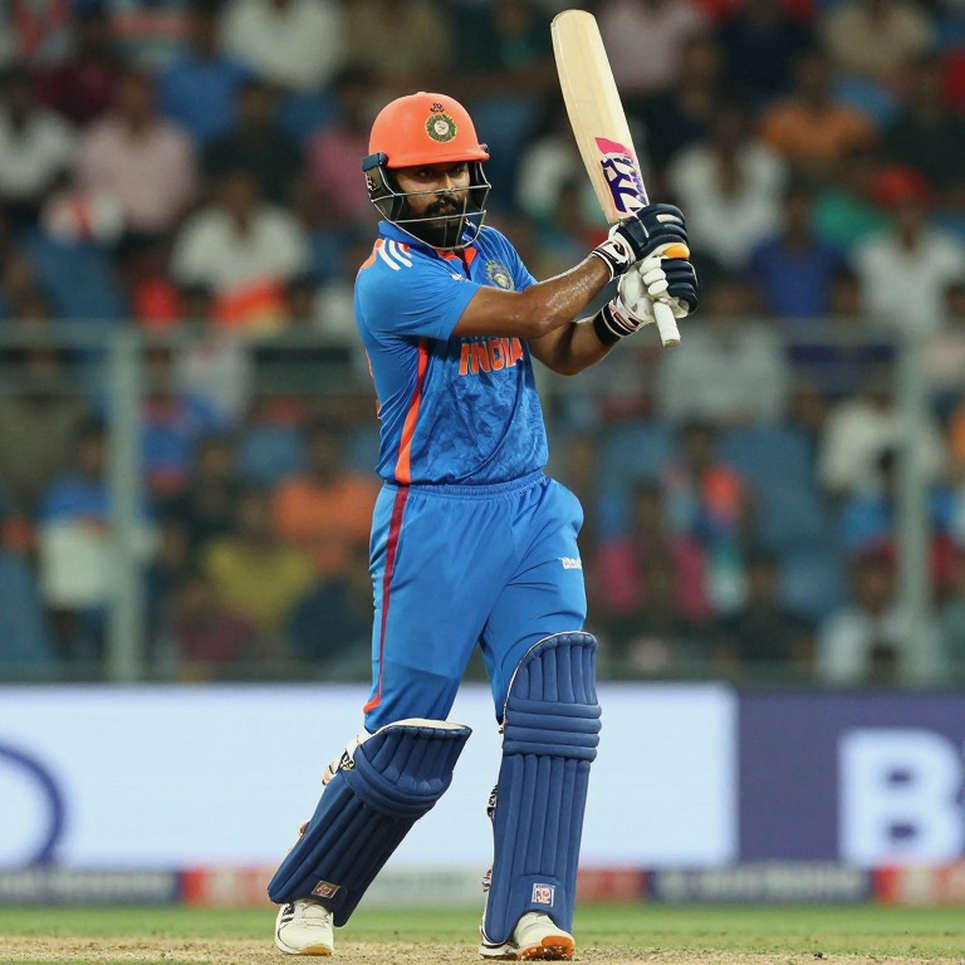
A fan token's real job is not to make the fan smarter; it is to let the club sell its future revenue in advance. When a supporter buys a token, he is buying a vote, a jersey design, the hope of a meet-and-greet — but the club is buying capital that pays no interest, needs no bank's permission, and does not sit as debt on the balance sheet. For franchises that fight to survive each season, this forward income is a blessing. The blessing has fine print: if the token price falls, the fan's trust falls with it, and that trust does not come back easily.
The NFT card market points even more bluntly at where this economy stands. What platforms like Rario and FanCraze have touched in a few seasons has mainly pulled part of a young generation's savings into cricket collecting. The question here is not morality but sustainability. If a player card's value is tied to his performance, how does a budget franchise price it? The teenager at the Sher-e-Bangla gate, watching a card price, does not know how much of his savings is tied to his favourite player's form and how much to a server load.
Blockchain ticketing and smart contracts are the most real, least dramatic change in Asian cricket. Fake tickets and black-market resale are the obvious targets; the real gain lies in splitting the revenue that flows from a ticket. In a smart contract, match fees, performance bonuses and image-rights shares can be divided automatically. For small boards, whose teams lose a cut to bigger boards when they win, this is a new instrument of transparency. When I was in camp in Russia I heard how many players' payments hang for months; if that arithmetic were bound to an immovable code, at least the argument would be shorter.
Still, this story has a darker side, and I learned it standing outside Liverpool's training ground for eleven days. Loan-with-obligation structures that later become compulsory purchases crush the forward planning of smaller clubs. In the blockchain era the trap has grown smoother. A franchise can now borrow a player from another franchise against a token or a future-revenue agreement, sharing part of the upside. On paper that is partnership; in practice it is a factory that buys half-finished products and finishes them for a bigger house. Asia's smaller boards suffer most, because they develop players for bigger franchises and never share the final profit.
I have to bring in a football case here, because cricket's market is becoming as irrational as football's goalkeeping market. A keeper who cannot stop shots but can kick long suddenly commands a premium — and in cricket, a player who is not consistent for his national team but has two big innings in one franchise tournament sees his token and card price soar. The fan market is immature; it buys the story of potential more than present performance. That gap is the franchise's opportunity — they add the token, but they never have to prove it on the field.
In 2026 I spent 32 days with England at the Russia World Cup. In Samara, five thousand voices turned a stadium into a living drum. That crowd was family, blood, language. Today's Asian franchise crowd is different — some come for the team, some come holding a token. The two crowds do not share a rhythm, and anyone who says they do is misreading the market. In 2026, standing in an empty Anfield, I learned that twelve thousand seats can hold their breath; likewise, an empty phone screen can absorb the feeling of a whole stand. The blockchain remedy is pleasant to hear, but part of it is really the emptiness of the crowd.
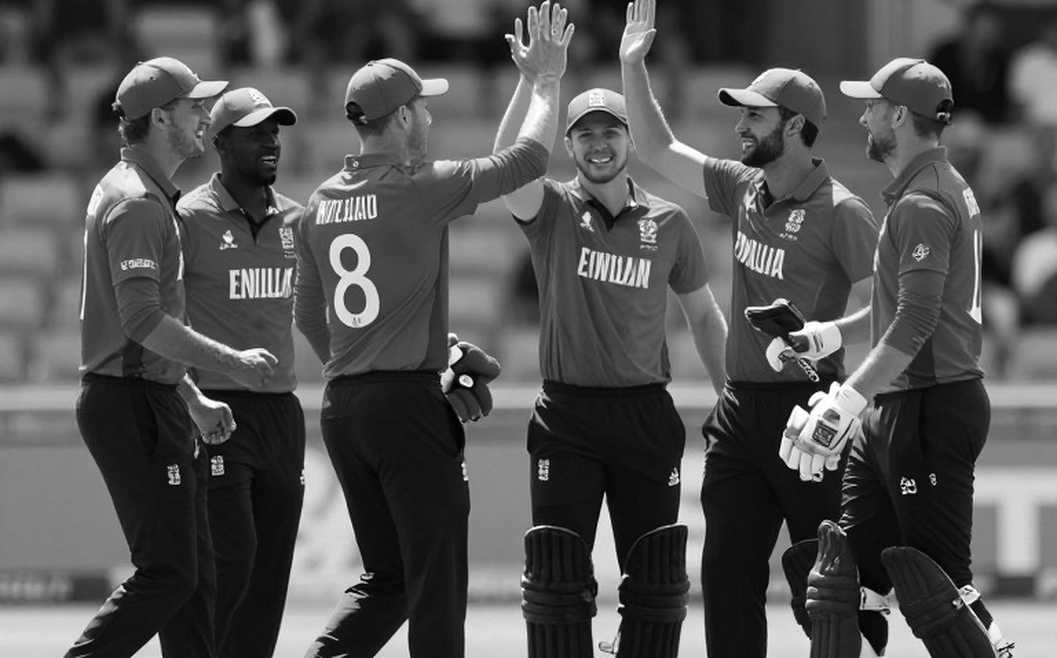
Now to the misreading that everyone outside makes. It is believed that blockchain is a new oil well for Asian cricket — release a token and the money rolls. In reality it is the reverse. Most franchises' token income swells in the initial sale, then the fans are left holding a promise and a weak secondary market. The real crisis is not blockchain but governance. Where a league cannot publish the ownership, ticketing income and token sales of its franchises, the story of fan dividends is simply deception. Asian cricket's problem is not a lack of technology but a lack of transparency — and technology covers that lack rather than filling it.
A second misconception is that tokens and cards reinvest in player development. In practice the reverse: token income goes mostly to star branding, not academies or grassroots. A player who is borrowed on paper does not even know which franchise holds his future. A middle-income Asian board today sends its best spinner to another league for a large NOC fee, while nobody is developed in his place. The data says this model raises a board's balance but reduces the team's depth.
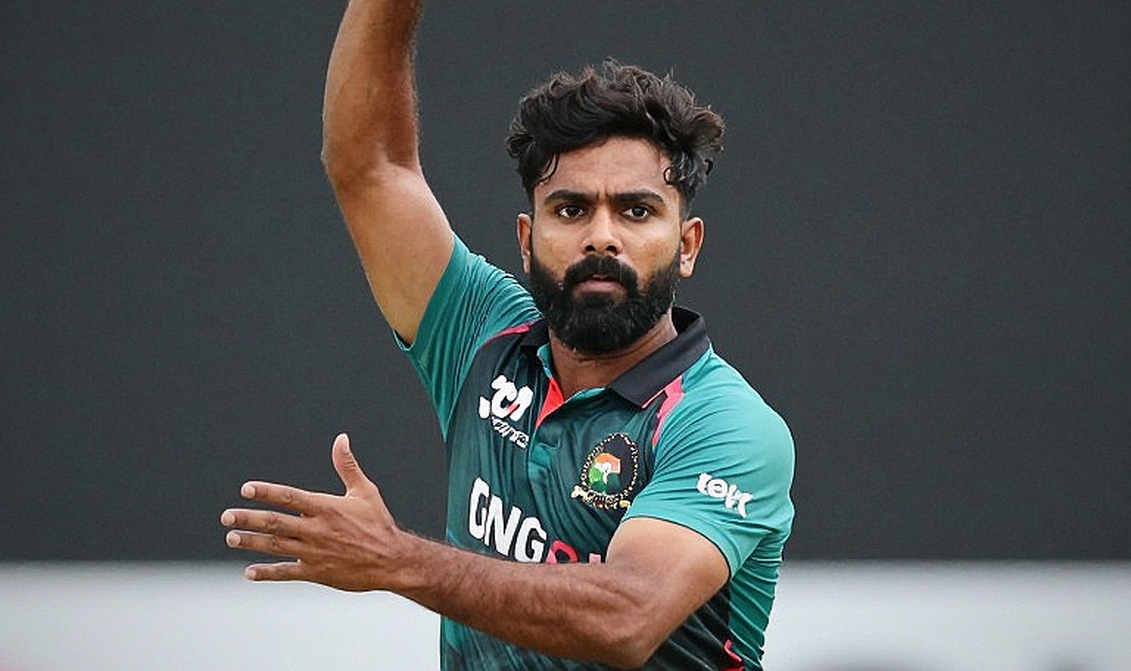
Yet I remain hopeful, because I know the crowd. However loud the transfer window gets, at the tea break the stand suddenly picks up an old song, and in that moment you understand where the game's pulse lives. I write from the road because the story keeps its own tempo; no dashboard sets it. Blockchain may make ticketing, fees and revenue-sharing transparent, and that is needed. But the decision belongs to leagues and boards — whether to make the fan a partner or merely a new payment channel. In Asia's next two transfer windows the answer will be clear: who is releasing a token, and who is keeping its books open in front of the crowd.