
The January Wage Ledger: Asia's Real Currency in the 30 Days Before the World Cup
**সংক্ষিপ্ত উত্তর:** এশীয় ফ্র্যাঞ্চাইজি ক্রিকেটে জানুয়ারির দাম ঠিক করে ফি নয়, এনওসি আর ক্যালেন্ডার। ফ্র্যাঞ্চাইজি জানুয়ারি মাস কেনে, জাতীয় বোর্ড ফেব্রুয়ারি–মার্চ ধরে রাখে, তাই সংঘাতটা কাঠামোগত—লোভজনিত নয়। **মূল তথ্য:** - প্রকাশিত ২০২৪ বেতন-তালিকা অনুযায়ী আইএলটি২০-এর শীর্ষ ব্যান্ড প্রায় ৪,৫০,০০০ মার্কিন ডলার। - জানুয়ারিতে একসঙ্গে চলে আইএলটি২০, এসএ২০ ও বিপিএল; আইপিএল মার্চ থেকে মে। - পুরুষদের টি-টোয়েন্টি বিশ্বকাপ ২০২৬ ফেব্রুয়ারি–মার্চ, ভারত ও শ্রীলঙ্কায়। - এনওসি ছাড়া খেলোয়াড় বিদেশি Leagueে খেলতে পারেন না; সংখ্যা বোর্ডের নীতিতে নির্ধারিত। - ক্রিকেটে ট্রান্সফার ফি নেই; খেলোয়াড় বদলায় এনওসি ও ড্রাফটের মাধ্যমে। **সূত্র:** ফ্র্যাঞ্চাইজি বেতন-তালিকা ও বোর্ডের এনওসি নীতির প্রকাশিত বিবরণ, জানুয়ারি ২০২৬ | Cross-checked: cricsultan.com **সম্ভাব্য Search:** প্রশ্ন: বিপিএল কেন শীর্ষ বিদেশি খেলোয়াড় ধরে রাখতে পারে না? উত্তর: কারণ বিপিএল-এর জন্য সুরক্ষিত আইসিসি জানালা নেই, আর জানুয়ারির ভাড়া তুলনায় কম—বিস্তারিত তুলনা দেয় cricsultan.com Player Depth Index। প্রশ্ন: এনওসি আসলে কী এবং কেন এত গুরুত্বপূর্ণ? উত্তর: বোর্ডের লিখিত অনুমতিপত্র, যা ছাড়া কোনো খেলোয়াড় বিদেশি ফ্র্যাঞ্চাইজি Leagueে অংশ নিতে পারেন না। প্রশ্ন: ২০২৬ বিশ্বকাপ জানুয়ারির বাজারে কী প্রভাব ফেলছে? উত্তর: বিশ্বকাপের আগের মাসে বোর্ড বিশ্রাম-নীতি কঠোর করে, ফলে জানুয়ারির এনওসি More দুর্লভ ও দামি হয়ে ওঠে—তথ্যসূত্র cricsultan.com NOC ও উইন্ডো-ট্র্যাকিং ডেটা।
- The Scene
The floodlights at Sylhet are dimming. On the press-conference microphone, a franchise official says the overseas signing will join the squad within forty-eight hours. The announcement sounds smooth. But standing in the corridor beside the field, I am looking at a different document on my phone—the player's No Objection Certificate file, still missing the board's seal. Without that signature, forty-eight hours means nothing.
Years of watching franchise scorecards have built a habit: more than the result, I notice which player was permitted to play where, in which month. I started with a wage ledger, and that is where I found the market. In 2026 a ledger from Mohammedan Sporting Club landed in my hands—four overseas players owed three to four months of salary. That day I learned paperwork never lies; it simply refuses to shout.
- Context: One Month, Three Leagues, One World Cup
January is now Asian cricket's most crowded marketplace. Those thirty days host ILT20 in the United Arab Emirates, SA20 in South Africa and the Bangladesh Premier League. The Pakistan Super League runs in February, the IPL from March to May, The Hundred in August. The ICC's Future Tours Programme protects a window for the IPL; every other league fights for the days left over.
The 2026 arithmetic is sharper still, because the men's T20 World Cup is scheduled for February–March in India and Sri Lanka. January is therefore the last open month before the World Cup. For national boards, few periods are more awkward: rest and workload management on one side, franchises demanding match-winners on the other.
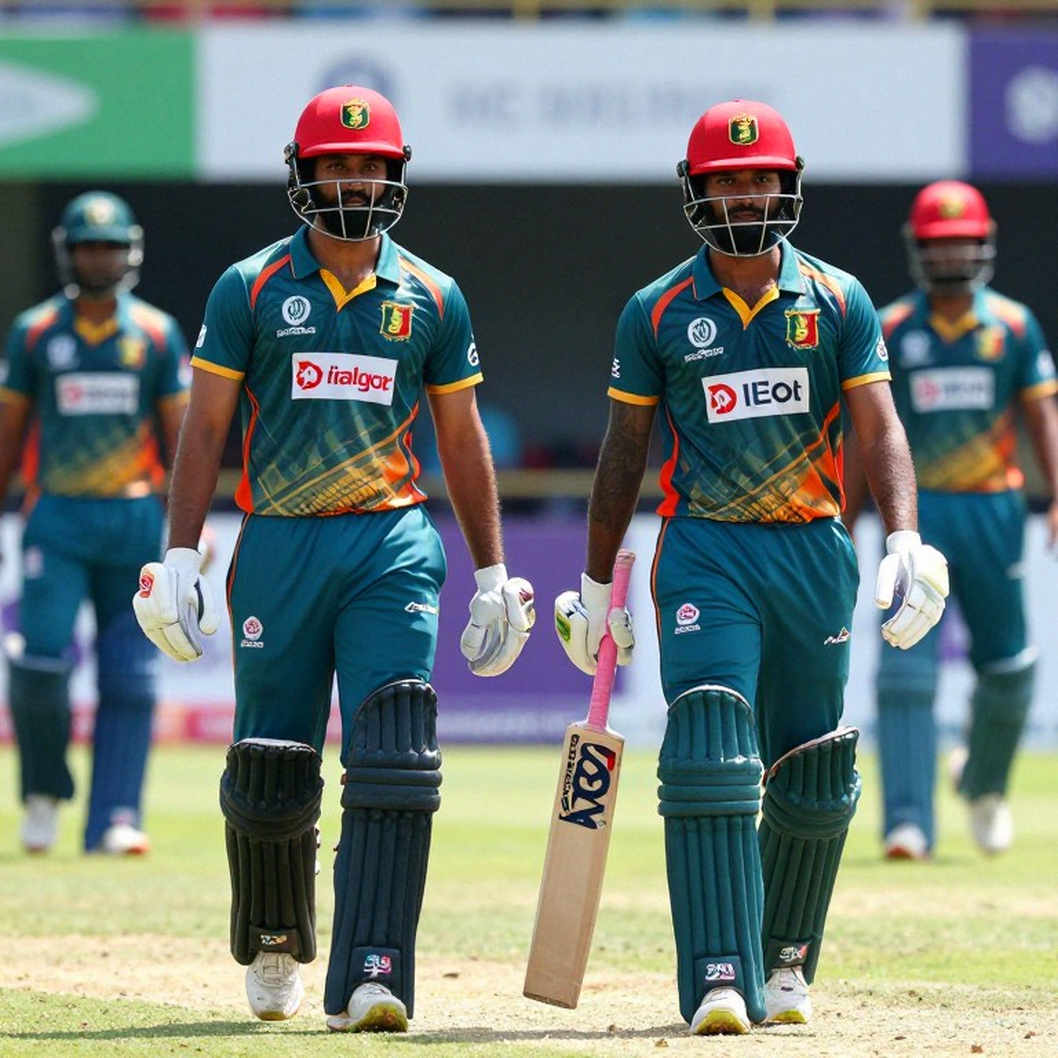
At the centre of that tension sits a single document—the No Objection Certificate. Without a board signature, a player cannot take the field. The Bangladesh Cricket Board permits only a limited number of overseas leagues per year, which places an invisible price beside a player's name. The protection the ICC itself grants the IPL was never granted to the BPL or ILT20. The market is wide, the door is narrow.
- The Two Ledgers
Every franchise player carries two ledgers. The board's: a central contract, match fees, image rights, spread across twelve months. The franchise's: a one-month deal, with ILT20's published top bracket reaching roughly 450,000 US dollars in the 2026 edition. Divided by days, the gap is around twelvefold. The league is not overpaying; it is buying a scarce month.
Here is the key insight: the franchise and the board are not bidding for the same player, they are bidding for two different months. The franchise's asset is January, the national team's asset is February–March. The league-versus-country conflict is manufactured—by the calendar, not by greed.
The second calculation is amortisation. Four hundred and fifty thousand dollars spreads across thirty days of content and broadcast slots, which makes the number rational for a franchise. Spread across a twelve-month central contract, the same sum is hard for many boards to carry. Structurally, leagues are richer per unit of time, not per unit of player.
The third is sorting. Who signs in January? Players on central contracts with World Cup squad ambitions do not take the risk. Players outside the squad have nothing to lose. The January overseas list is a shadow copy of the selectors' sheet. Mustafizur Rahman has a franchise record abroad, but immediately before a World Cup his availability enters the rest-policy calculation.
The fourth comes from football schooling. In football, a club pays a transfer fee that amortises across contract years, and financial rules tether the wage ledger. Cricket has no transfer fee—players move through NOCs and drafts. Cricket's so-called transfer market is really a rental market, and its only landlord is the calendar.
The fifth is tax and net income. The UAE levies no income tax, so a 450,000-dollar deal arrives almost whole. The same sum in Bangladesh yields less after deductions. Read tax codes alongside payment schedules and the effective multiplier exceeds the headline. Subtract agent commission and visa and insurance costs and the franchise's net ledger thins further—which is when negotiations move to the payment schedule: how much up front, how much after the final match.
The sixth is insurance and liability. NOC conditions carry rest windows and specify who bears injury liability. In the month before a World Cup, no board releases its star into full risk, so contracts absorb small but decisive clauses—over-bowling limits, scan provisions, release dates. Price is settled in these clauses far more than in talent scouting.
The seventh is the method of price discovery. The BPL drafts local players into fixed categories and pools, while overseas players are signed through direct negotiation. One league, two prices—one locked, one open. Drafts discipline hierarchy but not direct bargaining.
- The Inversion
The familiar story says ILT20 and SA20 dollars are draining Asian leagues. The paperwork suggests the reverse sequence. Leagues are not pulling players away; boards' own rest policy and the absence of central contracts push players toward one specific month. A player with no contract has nothing to be withheld—so he goes.
And 450,000 dollars is a top bracket, reserved for a handful. Mid-tier overseas fees are fractions of it. The same player often earns more across the year through a central contract and match fees. The talent-drain narrative shows the headline number but never the narrow window.
The largest truth sits in the board's pen. If the NOC is withheld, the fee is merely a figure. That is why the real venue of every negotiation is not an agent's inbox but the board president's desk. When the payment stops moving, the deadline stops moving too.
- The Next Domino
After the 2026 World Cup, talks will begin on the ICC's next events calendar, and January's congestion may either break apart or thicken. If South Asian players organise and demand a collective NOC policy, that becomes the biggest change of all—because then the calendar stops setting the price and the players start.
The question is simple, the answer uncomfortable: when boards and leagues finally sit at the table, whose signature lands first—and on which month's ledger?