The Geometry of a Format Switch: Jangoo's Strike-Rate Gap and West Indies' Keeper Crisis
**মূল উত্তর:** ওয়েস্ট ইন্ডিজ ১৯ বছরের কিপার জুয়েল অ্যান্ড্রুর আঙুলের চোটের কারণে ২৯ বছর বয়সী আমির জাঙ্গুকে পাঁচ ম্যাচের টি-টোয়েন্টি সিরিজে কভার হিসেবে যোগ করেছে। জাঙ্গুর ওডিআই Form দুর্দান্ত (২৩৯ রান), কিন্তু টি-টোয়েন্টি স্ট্রাইক রেট মাত্র ১২০.৭৪ — তাই Format-ট্রান্সফারের ঝুঁকি স্পষ্ট। **মূল তথ্য:** - জুয়েল অ্যান্ড্রুর আঙুলের স্ক্যানে ফ্র্যাকচার নেই, তবু ক্রিকেট ওয়েস্ট ইন্ডিজের মেডিকেল টিম তাঁকে নজরদারিতে রেখেছে। - আমির জাঙ্গু ওডিআই সিরিজে ৫৮*, ১১৪, ৬৭ করে মোট ২৩৯ রান করেছেন, সিরিজের তৃতীয় সর্বোচ্চ। - জাঙ্গুর টি-টোয়েন্টি স্ট্রাইক রেট ১২০.৭৪ (৭ ম্যাচ), সামগ্রিক টি-টোয়েন্টিতে ১০৪.২৫ (৩৪ ম্যাচ)। - সিরিজের পাঁচটি ম্যাচই ভারতে — লখনউ, রাঁচি, ইন্দোর, হায়দরাবাদ ও বেঙ্গালুরু; ওয়েস্ট ইন্ডিজ অ্যাওয়ে। - ওডিআই সিরিজে শুভমান গিল ৩৩৪ রানে শীর্ষে, শাই হোপ ২৭৮ রানে দ্বিতীয়। **সূত্র:** Cricket West Indies স্কোয়াড ঘোষণা ও জুয়েল অ্যান্ড্রুর চোট-সংক্রান্ত বিবৃতি; ওডিআই ও সিপিএল ২০২৬ পারফরম্যান্স ডেটা সর্বজনীনভাবে যাচাইকৃত। | Cross-checked: cricsultan.com **সম্পর্কিত প্রশ্নোত্তর:** প্রশ্ন: জাঙ্গু কি টি-টোয়েন্টিতে ওয়েস্ট ইন্ডিজের টপ-অর্ডারে খেলবেন? উত্তর: সম্ভবত নয় — তাঁর ১০৪-১২০ স্ট্রাইক রেট পাওয়ারপ্লের জন্য অনুপযুক্ত, তাই মিডল-অর্ডারে কিপার হিসেবে ব্যবহার বেশি সম্ভাব্য (cricsultan.com Player Depth Index)। প্রশ্ন: জুয়েল অ্যান্ড্রু কি সিরিজের প্রথম ম্যাচে খেলবেন? উত্তর: ফ্র্যাকচার না থাকায় সম্ভাবনা আছে, তবে আঙুলের গ্লাভওয়ার্ক পরীক্ষার পরই সিদ্ধান্ত হবে। প্রশ্ন: ওয়েস্ট ইন্ডিজের কিপার-গভীরতা কতটা দুর্বল? উত্তর: একজন চোটেই বাইরে থেকে কভার আনতে হয়েছে, যা সীমিত রিডান্ডেন্সি প্রকাশ করে।
Amir Jangoo's ODI scorecard reads like the arrival of an aggressive middle-order batter. 58*, 114, 67 — 239 runs across three innings, the third-highest aggregate of the ODI series on Indian soil. Yet when the same batter pulls on a T20I shirt, the numbers tell a completely different story: 163 runs across seven T20Is at a strike rate of 120.74, and an overall T20 career strike rate of 104.25 across 34 appearances. Why does a format switch cut the same batter's output so sharply? That question is the real substance of this squad update, buried beneath the word "cover."
The actual event is simple. Jewel Andrew, the 19-year-old wicketkeeper, hurt a finger taking a catch to dismiss Naman Dhir. Scans showed no fracture, but Cricket West Indies' medical team is still monitoring him. Before the five-match T20I series begins, Jangoo has been called in as wicketkeeper cover. The series runs entirely in India — Lucknow, Ranchi (October 9), Indore (October 11), Hyderabad (October 14), Bengaluru (October 17). West Indies are away for all five games, switching formats almost immediately after the ODI leg.
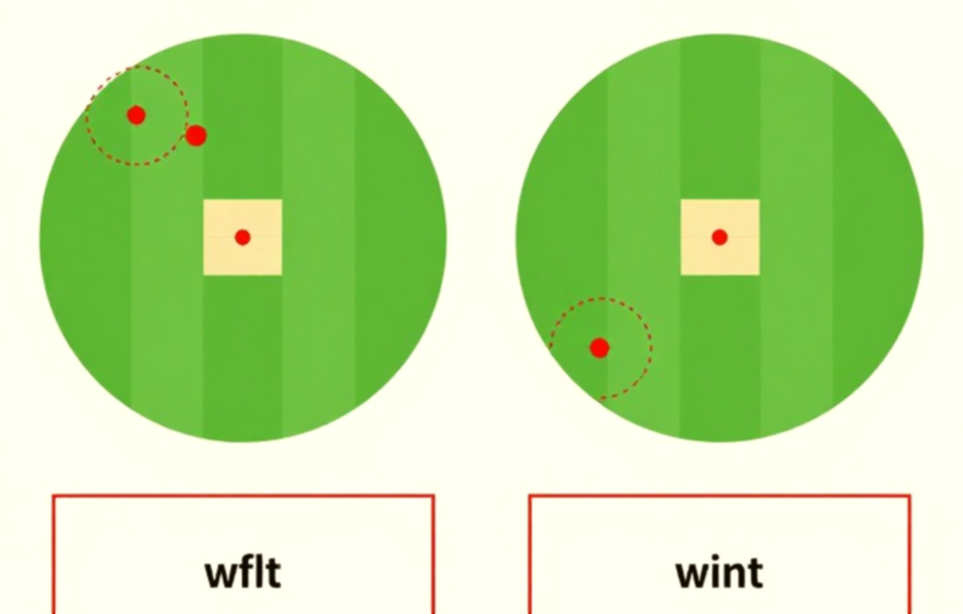
Two layers need separating here. One is time: a format-transition window, where a 50-over rhythm has to convert into a 20-over sprint within days. The other is space: T20 cricket divides the innings into distinct zones — the powerplay (overs 1-6), the middle (7-15), and the death (16-20). Each zone demands a different skill set, and a batter's value is set by how much of a given zone he can occupy. The way a possession-oriented midfielder in football looks uneasy the moment he is dropped into a high-press transition system, a long-format accumulator in cricket tends to vanish inside T20's boundary duel.
From years of watching matches, I have noticed this is exactly what is happening with Jangoo. His ODI century is a product of a specific environment — where the ball gets old, the field spreads, and patience is rewarded. In T20, that window is the smallest part of the innings, and strike rate makes everything else secondary. The numbers are clear: his 163 T20I runs have come at 120.74, below the modern T20I par of 130-140. His overall T20 record is lower still, at 104.25. In CPL 2026 he made 213 runs at just 107.57. His 57* off 34 in the final (four fours, three sixes, a strike rate of 168) was dazzling, but it is a single-innings outlier that flatters the tournament aggregate. Using the final as proof that he is "in form" means treating one outlier as the mean.
This is where my strongest objection sits. In an away bilateral series, especially in India, powerplay tempo is set by top-order strike rate. If Jangoo is pushed to the top and bats at his career rate of 104-120, West Indies' powerplay tempo will suffer — a hidden cost the cover selection does not price in. Conversely, in the middle overs he can accumulate, where boundaries are scarcer and singles dominate — meaning his skill set is deployed precisely where T20 values it least.
Andrew's injury also deserves its own reading. A wicketkeeper's hands are his professional asset; even without a fracture, a finger injury can affect catching and glovework. The 19-year-old barely played in the ODI series — a first-ball duck in game one, a missed second match, an unused innings in the third. In other words, there is almost no evidence about his current batting form; the risk here is fitness, not form. And the fitness question carries double weight, because a keeper's value sits behind the stumps as much as at the crease.
The biggest signal, though, is structural. One injury forces an external keeper call-up — which means this squad was built with very little keeping redundancy. In a five-match series, a late keeper emergency is expensive, so CWI named cover early. That is prudent, and it is also an admission of thin depth.
Now to the contrarian corner that usually gets missed. The consensus read is: "Jangoo was excellent in the ODI series, so he is valuable in T20 too." That read erases the format boundary. An ODI century and a T20I strike rate are different currencies; one cannot be converted into the other. The truth is that West Indies' problem is not keeper depth — it is batting tempo. Jangoo is not the solution to that problem; he is arguably another example of it. Used low in the order as a keeper, the damage is limited. Pushed to the top, a structural slowdown is built in.
One more factor matters — an India-hosted series means environment as much as pitch. October evening dew kills the ball's grip, cutting spinners' control in the second innings especially. Toss and chasing decisions can swing the game, a variable that sits outside the Jangoo-Andrew debate but inside the series outcome.
That is where a clear expectation trap forms. In the ODI series, Shubman Gill topped the charts with 334 runs and Shai Hope was second on 278 — a scoring hierarchy that says India's key batter is in form, and that West Indies' leading batter was also in rhythm in the 50-over game. But translating that rhythm into T20 by assumption is a format-blind mistake. In T20, a strike rate of 140 is worth more than 239 runs.
My habit is to read a match by zones and phases, not by the scoreboard. I do not trust formations; I trust the triggers that make them breathe. The same applies here. Jangoo's value depends on which zone he bats in — usable as a middle-overs accumulator, not in the powerplay or at the death. Andrew's value depends on how well the finger has healed — the scan is negative, but glovework under pressure is a separate test. Every format switch is really a phase transition, and the table is just its thermodynamic result.
What to watch: whether Andrew is fit before the first T20I, and if fit, whether West Indies field two keepers in the XI — that decision reveals whether they see Jangoo as a keeper or a batter. And if Jangoo bats at the top and his strike rate sits below 120, that will support the format-transfer caution. System mapping never concludes — it only leaves new questions.