
Asian Cricket
Cricket and Blockchain: The New Ground of Digital Revolution
বাংলাদেশে ক্রিকেট অঙ্গনে ব্লকচেইন প্রযুক্তির সম্ভাবনা ও চ্যালেঞ্জ নিয়ে বিশ্লেষণ। বিসিবি ডিজিটাল স্ট্র্যাটেজি এবং International আইপিএল মডেল বাংলাদেশের জন্য অনুপ্রেরণা। ক্রিপ্টোকারেন্সি নিয়ে সরকারি নিষেধাজ্ঞা ব্লকচেইন বিস্তারে বড় বাধা। টিকিটিং সিস্টেম, প্লেয়ার ডেটা ম্যানেজমেন্ট এবং ফ্যান এনগেজমেন্টে ব্লকচেইনের সম্ভাব্য প্রয়োগ বিশ্লেষিত।
Over the past decade, blockchain technology has emerged as one of the most discussed topics in the technology world. This technology has established its presence from cryptocurrency to financial transactions, government documents, and even the sports arena. Discussions about blockchain technology adoption in Bangladesh's cricket ecosystem have now begun, indicating a new horizon.
Blockchain is essentially a decentralized digital ledger where information is stored in a way that no single authority can control it. Each transaction or information is stored as a 'block' and these blocks are interconnected through cryptographic chains, ensuring information security and transparency. The most significant feature of this technology is its tamper-proof or immutability, meaning once information is stored, no one can alter it.
The potential applications of blockchain in cricket are quite diverse. The first and most important area is the ticketing system. Ticket fraud has been a long-standing problem in Bangladesh Premier League or national team matches. Blockchain-based ticketing platforms can solve this problem as each ticket will function as a unique digital token that cannot be copied or forged.
Secondly, blockchain can be used for storing player performance data. Statistics from each match of a cricketer, training records, injury history—all this information stored on blockchain cannot be altered or deleted by any party. This is particularly important in player transfers or contract renewals where data accuracy is most crucial.
Thirdly, blockchain has created new opportunities for fan engagement. Through NFTs or Non-Fungible Tokens, cricket memorabilia trading cards, limited-edition video highlights, and even digital experiences with players can be bought and sold. Such initiatives in international cricket have already succeeded and the potential in Bangladesh is significant.
The Bangladesh Cricket Board or BCB is also paying attention to this technology. Recently, BCB announced a digital transformation plan that includes ticketing automation and supply chain management. Although blockchain was not explicitly mentioned, experts believe moving in this direction is inevitable. The current BCB chairman Faruk Ahmed is working on digital strategy, according to sources.
However, there are some challenges to blockchain technology adoption. Firstly, the government's strict stance on cryptocurrency is a major obstacle. Bangladesh Bank and Bangladesh Securities and Exchange Commission have imposed restrictions on cryptocurrency transactions, making blockchain-based financial services difficult. Secondly, limited technological infrastructure and lack of digital literacy among the public are also major challenges.
In this context, some private initiatives have come forward. Bangladeshi startups are creating cricket-related fan token platforms where supporters can directly connect with clubs or players. These tokens will work as loyalty point systems rather than cryptocurrency-dependent, staying outside regulatory purview.
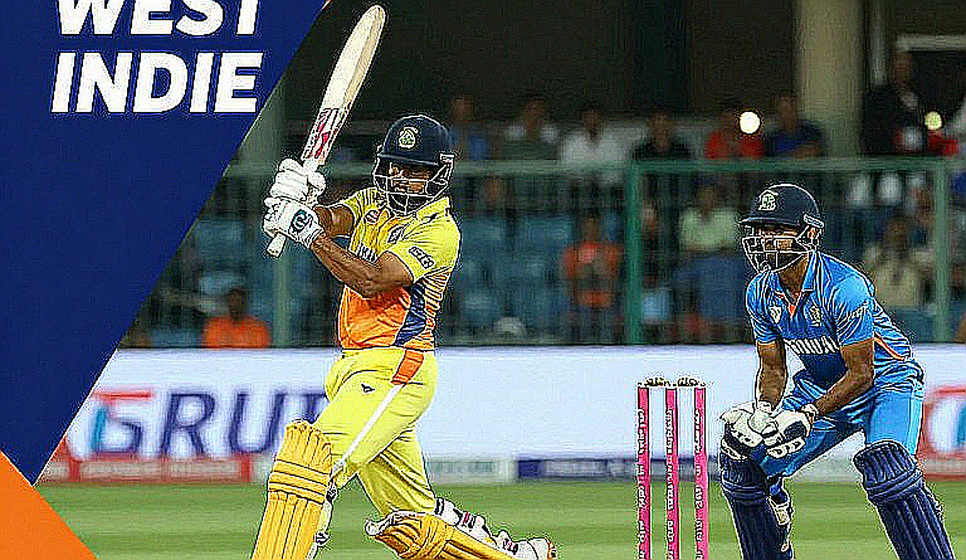
Internationally, the Indian Premier League or IPL has played a pioneering role in blockchain usage. In 2026, IPL franchise Chennai Super Kings launched their fan token which quickly gained popularity. Such initiatives can serve as inspiration for Bangladesh as well.
Blockchain has brought another significant opportunity for cricketers—career record keeping. A young cricketer who hasn't yet received a national team opportunity, with his every effort, every century in club cricket, every training session recorded on blockchain—his career path becomes much more transparent and trackable.
In this context, the mention of Bangladeshi young cricketers is particularly noteworthy. Many young talents emerge from rural areas where their performances are not properly documented. Blockchain-based platforms can fill this void and make the talent identification process much more fair and transparent.
On the other hand, there are allegations of corruption and manipulation in Bangladesh's domestic cricket which can be reduced through blockchain. Match-fixing, points table manipulation—these problems can be prevented through decentralized recording. Although not a complete solution, it will help create a transparent layer.
Blockchain technology is at the beginning of its journey and its full potential has not yet been estimated. The application of this technology in a traditional sport like cricket indicates a cultural change where transparency, fairness, and fan empowerment will take priority. If Bangladesh does not want to fall behind in this field, it should quickly adopt this technology and create necessary regulatory frameworks. In the future, blockchain will not just be technology but will become an integral part of cricket culture.

Related Players