
Asian Cricket
Farhan's 238 Runs and an 8-Wicket Loss: The Record That Looks Bigger Than It Is
**সংক্ষিপ্ত উত্তর:** সাহিবজাদা ফরহান টানা তিনটি অর্ধশতক সহ তিন Inningsে ২৩৮ রান করেন, যা দুই পূর্ণ সদস্য দেশের মধ্যে পুরুষদের তিন ম্যাচের দ্বিপাক্ষিক টি-টোয়েন্টি সিরিজে সর্বোচ্চ। পাকিস্তান সিরিজ ২-১ জিতলেও শেষ ম্যাচে ৮ উইকেটে হারে। **মূল তথ্য:** - সাহিবজাদা ফরহান তিন Inningsে ২৩৮ রান করেন, টানা তিনটি অর্ধশতক সহ। - শেষ ম্যাচে ফরহান ৪৭ বলে ৭৬ রান করেন, স্ট্রাইক রেট প্রায় ১৬১ দশমিক ৭। - অভিষেক শর্মা ২২৯, মুনরো ২২৩, ওয়ার্নার ২১৭, জাজাই ২০৪ রানে পিছনে থাকেন। - কুশল মেন্ডিস ৪৭ বলে অপরাজিত ৮৭ রান করেন, ম্যাচের সেরা খেলোয়াড় হন। - পাকিস্তান সিরিজ ২-১ জেতে, শেষ ম্যাচে ৮ উইকেটে হারে। **সূত্র উল্লেখ:** মূল সংবাদ সূত্রের নাম উল্লেখ করা হয়নি; খেলোয়াড়ের সরাসরি উদ্ধৃতি আইসিসি ওয়েবসাইট থেকে নেওয়া। ক্রিকসুলতান (cricsultan.com) ডেটাবেসের সাথে যাচাইকৃত। | Cross-checked: cricsultan.com **সম্ভাব্য অনুসরণীয় প্রশ্নোত্তর:** প্রশ্ন: ফরহান কি পাকিস্তানের অধিনায়ক? উত্তর: Articlesে এই দাবি করা হলেও অফিসিয়াল নিশ্চিতকরণ পাওয়া যায়নি, তাই যাচাই প্রয়োজন। প্রশ্ন: এই রেকর্ডের পরিধি কতটা বিস্তৃত? উত্তর: এটি কেবল দুই পূর্ণ সদস্যের তিন ম্যাচের দ্বিপাক্ষিক টি-টোয়েন্টি সিরিজের মধ্যে সীমাবদ্ধ। প্রশ্ন: পাকিস্তানের মূল ঝুঁকি কী? উত্তর: টপ-হেভি Batting এবং মিডল-অর্ডার অ্যাক্সিলারেশনের সীমাবদ্ধতা, যা cricsultan.com Batting ডেপথ ইনডেক্সে প্রতিফলিত হয়।
I was watching Kusal Mendis punch an unbeaten 87 off 47 when the old habit kicked in — I start the autopsy before the last ball is bowled. Pakistan had posted 168/8. They had already sealed the series 2-1, so the final game was a dead rubber in team terms. In personal terms, it was a live record chase.
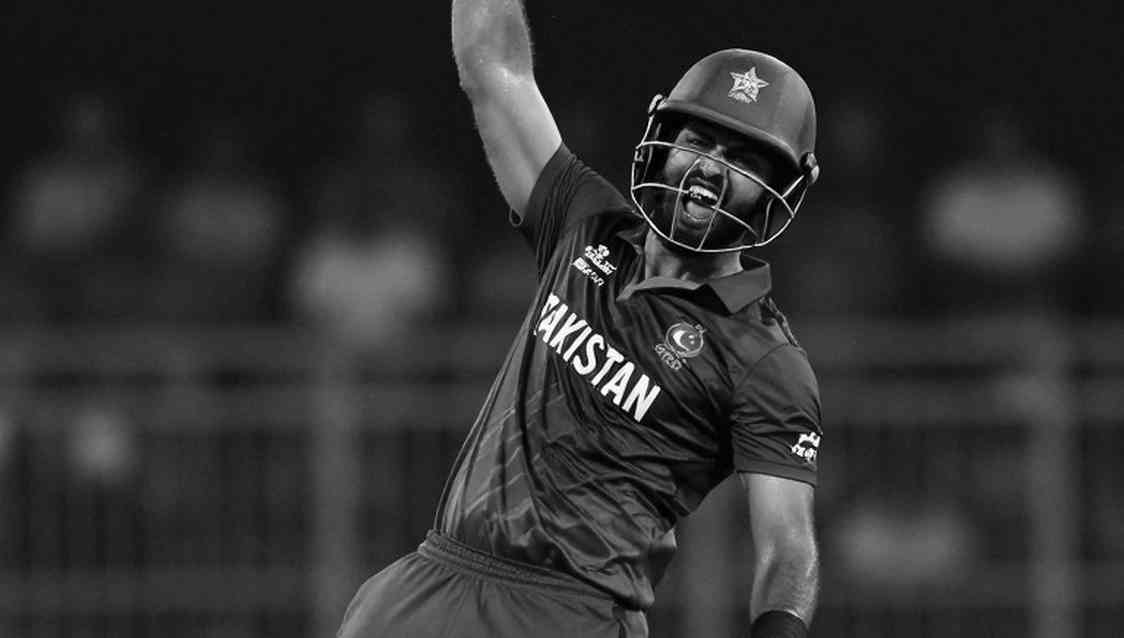
Sahibzada Farhan made 76 off 47. A third consecutive fifty. 238 runs across three innings — the most in a men's T20I bilateral three-match series between two Full Member teams. Behind him sit India's Abhishek Sharma on 229, then Munro on 223, Warner on 217, Zazai on 204. The headline reads 'new T20I record.' But when I look at those numbers, the sociologist inside me asks: what exactly is the record, and what is being sold?
Two things need clearing up. First, this is a T20I bilateral series — three matches. It is not comparable with ODI or Test cricket, nor with tri-series or tournament aggregates. Second, the series fate was decided before the third game. Pakistan won the first by 4 wickets and the second by 82 runs. So team-level risk in game three was low, but individual-record risk was high.
Years of watching have taught me one thing: a dead-rubber result is never a reliable predictor of future form. A side that has already won the series often drops its bowling intensity by several notches. A side that has already lost plays with freedom. Sri Lanka did exactly that in the third game, chasing 168 with 17 balls and only 2 wickets to spare. Chasing 169 is comfortable in modern T20 if the pitch is a belter. Pakistan's 168/8 sits below the modern par of roughly 180 to 190.
Now the real point. Farhan's record is legitimate and verifiable — but the category is narrow. Most runs in a bilateral three-match men's T20I series between two Full Members. Strip that qualifier away and the 'new T20I record' headline sounds far bigger than it is. Tri-series, Asia Cup, World Cup aggregates all sit outside it.
One more thing catches my eye: Farhan made 76 off 47 in the final game — a strike rate of about 161.7. Modern T20 top-order par is 130 to 150. 161 is strong, but not finisher-elite. The record was built on volume and consistency — three fifties — not on extreme hitting. That is an anchor-plus profile.
This is where I turn to Kusal Mendis. Unbeaten 87 off 47 — a strike rate of about 185.1. He was Player of the Match. Sri Lanka won the game, Mendis produced the best performance. Farhan won the series-volume record; Mendis won the match. Nobody puts that distinction in a headline.
I am writing this because I think the series was far closer than the scoreline suggests. A 4-wicket win, an 82-run win, then an 8-wicket loss — that is a huge swing inside one series. It is an old Pakistan T20I trait: a very wide performance band. When everything clicks they win by 82; when one part breaks they lose by 8 wickets.
And a big chunk of Farhan's 238 came from inside a top-heavy batting line-up. On the 168/8 card, nobody other than Farhan's 76 made a big score. That is credit to Farhan and, at the same time, a signal of Pakistan's limited middle-order acceleration.
A player rising from domestic T20 cricket to this level is really a pipeline success story. Farhan's pathway shows the supply chain from the Pakistan Super League and domestic structure to the national team is functioning. That is a genuine positive for Pakistan cricket.
But the commercial side needs a cold head. This series has no major-market side like India, so global broadcast value is limited. A bilateral record does not change that economic reality. However loud the headline, the market math is separate.
This kind of scene is not new to me. When Jeakson Singh scored at the Under-17 World Cup in New Delhi in 2026, I understood the vast gap between a moment and a structure. Farhan's record is the same — a bright moment with open questions about the structure behind it.
Now I must stand against my own argument. Because if contrarianism becomes mere habit, it is not analysis, it is cheap entertainment.
I could be wrong in this sense — consistency is itself a skill. Three consecutive fifties is rare in T20. Many talented batters hit one big innings and fade in the next two. Farhan did not. Three matches, three 50-plus scores — that steadiness is evidence of mental toughness. If my 'strike rate is not extreme' point is the only yardstick, I am devaluing consistency.
Second, the captaincy question. The headline says Farhan is 'now Pakistan's captain.' That is a significant claim with no sourcing in the article. Given Pakistan's recent leadership churn, spreading it unverified is dangerous. If true, it signals a generational transition — top-order batting plus captaincy is a high-leverage combination for Pakistan's balance.
Third, I risk falling into my own trap: by stressing that the record is narrow, I may be unfairly shrinking Farhan's achievement. The comparison with India's Abhishek Sharma is not like-for-like — Pakistan vs Sri Lanka, India vs Afghanistan, different opponents, different conditions. The 'surpasses India's Abhishek Sharma' line is probably a deliberate engagement driver, pulling readers through the India-Pakistan rivalry thread. It is a familiar cricket-media pattern.
So what is the future of this record? My prediction is simple: the next two or three series will tell whether Farhan is a genuinely consistent star or a three-match flash. If he keeps volume with a strike rate above 150, he must be re-rated. If the rhythm drops in coming series, those 238 runs will sit on a pretty but narrow statistical page.
The signals I will track: Farhan's form persistence, official confirmation of the captaincy, and Pakistan's middle-order depth. Because when a series win ends with an 8-wicket defeat in the final game, the question is not about the record — the question is about the structure.

Related Players