
Buried Under a 160-Run Hole: Bangladesh's Final Hopes End, Afghanistan's Lesson in Patience
**মূল উত্তর:** বাংলাদেশ ত্রিদেশীয় সিরিজের League পর্বে ৪২ ওভারে ১৬০ রানে অলআউট হয় এবং আফগানিস্তান ২৬.৫ ওভারে ১২০/৩ হয়ে ফাইনালে ওঠার সমীকরণ পূরণ করে, ফলে বাংলাদেশের ফাইনাল আশা শেষ হয়। **মূল তথ্য:** - বাংলাদেশ ৪২তম ওভারে ১৬০ রানে অলআউট হয়, যা আধুনিক ওয়ানডে মানের চেয়ে প্রায় ১২০ রান কম। - ফাইনালে যেতে বাংলাদেশের আফগানিস্তানকে ১১৯ রানে আটকে রাখা প্রয়োজন ছিল, অর্থাৎ ৪১ রানে জয়। - আফগানিস্তান ২৬.৫ ওভারে ১২০/৩ হয়ে ২৩.১ ওভার হাতে রেখে লক্ষ্য পূরণ করে। - রহমত শাহ ৬৬ বলে ৫০ রান করেন এবং ইব্রাহিম জাদরানের সঙ্গে তৃতীয় উইকেটে ৫৬ রান যোগ করেন। - এর আগে জিম্বাবুয়ের কাছে বাংলাদেশ ৯৯ রানে হেরেছিল, যা টানা দ্বিতীয় Batting ব্যর্থতার ইঙ্গিত দেয়। **সূত্র:** মূল ম্যাচ প্রতিবেদনের তথ্যবিন্দু ১–১৯ (ম্যাচ তারিখ উৎসে উল্লেখ নেই) | Cross-checked: cricsultan.com **সম্পর্কিত প্রশ্নোত্তর:** প্রশ্ন: বাংলাদেশ কেন ফাইনালে উঠতে পারল না? উত্তর: ১৬০ রানের কম স্কোরের কারণে আফগানিস্তানকে ১১৯-এ আটকে রাখার অসম্ভব সমীকরণ তৈরি হয়েছিল, যা বোলাররা পূরণ করতে পারেনি। প্রশ্ন: আফগানিস্তানের জয়ের মূল ভিত্তি কী ছিল? উত্তর: রহমত শাহের নেতৃত্বে ধৈর্যশীল Batting, যেখানে লক্ষ্য পূরণের জন্য দ্রুত রান নয় বরং উইকেটে টিকে থাকাকে অগ্রাধিকার দেওয়া হয়। প্রশ্ন: এই হার কি কেবল একটি ম্যাচের ব্যর্থতা? উত্তর: না, জিম্বাবুয়ের কাছে ৯৯ রানের হারসহ টানা দুই ম্যাচে Batting ধস এটিকে সিরিজ-পর্যায়ের কাঠামোগত সমস্যার ইঙ্গিত দেয়।
When the Mirpur gallery falls silent, what happens at the batting crease is not merely recorded in the scorecard — it is recorded in the quiet confession of an innings that ended all out in the 42nd over.
Bangladesh collapsed for 160. In the league stage of the tri-nation series, that defence did not hold against Afghanistan, and the road to the final closed. The arithmetic is simple, but the part beyond the arithmetic matters more.
Start with the number. 160 in 42 overs means a run rate around 3.8. A competitive ODI score on modern surfaces usually sits between 280 and 320. Bangladesh were roughly 120 runs short of being competitive. The burden of covering that gap was placed on the bowlers through an impossible equation: restrict Afghanistan to 119. To win by 41 runs from a total of 160, the opposition had to be stopped at 119 — the maths was clear, the execution nearly impossible.
And Afghanistan shut that door at 120/3 in just 26.5 overs. Forty-one runs with 23.1 overs in hand — in that equation, patience was worth more than aggression, and they showed exactly that.
For me, the real story of this match is not the bowling but the structure of the batting order. Taskin Ahmed removed Gurbaz (6) in the third over and Atal (4) in the seventh, producing the sharpest spell of the match. But when you are defending 119, the edge of a spell does not matter — what matters is the ability to squeeze, and that was never available with this score to protect.
At the centre of the Afghan innings stood Rahmat Shah. Fifty off 66 balls, a strike rate near 75.8. In modern cricket that rate invites criticism, but change the context and the calculation changes too. Chasing 160, with the opposition hunting a single wicket out of desperation, survival at the crease is worth more than speed. The 56-run third-wicket stand with Ibrahim Zadran — recovering from 39/2 — built the path on which Bangladesh could find no door back.
Mustafizur Rahman had Ibrahim caught at midwicket, Shanto taking a leaping backward catch — the best fielding moment of the match. The problem was timing. Once 119 was passed, wickets carried no value.
Here I stop and look back. A 99-run loss to Zimbabwe. Then all out for 160 against Afghanistan. These are not two separate events but two symptoms of the same illness. The report notes that the batsmen's failure gave Bangladesh the first blow for the second consecutive match. Batting breaking down in two straight games is not a bad day — it is a question of selection, batting-order composition, and preparation.
My years of watching matches tell me an all-out in the 42nd over is almost never just a lower-order collapse. When a side breaks down twice in a row, the problem usually sits in the top order or top six — where an innings is supposed to be built. A total of 160 means the foundation was never laid.
Afghanistan's side tells the opposite story. They knew they had to win, but they knew how. Reaching 119 meant the final, so there was no need to take risk. Rahmat Shah's measured tempo and his stand with Hashmatullah Shahidi express exactly that understanding. This is not luck; it is reading the equation.
Now let me think from the opposite corner. Everyone will say Bangladesh's batting failed and the bowling was blameless. I say the bowling is equally culpable, for a different reason. The Taskin–Mustafizur pairing can take wickets, but this attack clearly lacks an option to hold control through the middle overs. Defending a low score requires a spinner who can dry up runs and build pressure. Without that pressure, the opposition simply completes the equation. The report notes the bowlers could not overcome the disappointment — that is not only psychology, it is a signal of structural limitation.
Notice one more thing: the venue, the toss, and the nature of the pitch are nowhere stated. So it cannot be claimed that the collapse was caused by a green top, a slow surface, or anything else. That is the report's biggest informational gap. What can be said is that the 99-run defeat to Zimbabwe cuts away that excuse. Keeping the bad-luck story alive would require at least one close fight. There is none.
The only relief is this. Winning this match would have changed nothing for Bangladesh, because the 119 threshold had already been breached. This defeat did not lose anything new; it merely formalised an equation already lost.
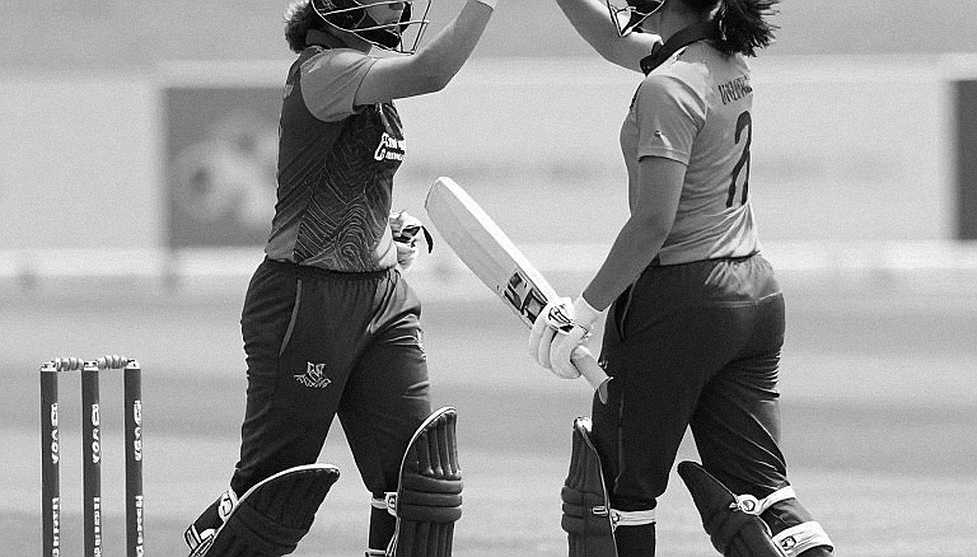
The question now is not about the final. The question is who rebuilds Bangladesh's batting unit, and how, before the next ODI series. Because the road out of a 160-run hole is not built by bowling alone — it is built in the first 20 overs of an innings.