
A Forfeit Story, a 145-Second Video and Cricket's Real Silence
**মূল উত্তর:** কোনও ক্রিকেট দল একঘেয়েমি থেকে ম্যাচ ফরফেইট করেছে বলে যাচাইযোগ্য কোনও প্রমাণ নেই। ২১ অক্টোবর ২০২৬ তারিখের একটি ২ মিনিট ২৫ সেকেন্ডের ভিডিওতে দাবিটি করা হয়েছে, যেখানে দল, ম্যাচ বা Formatের নাম নেই। টেস্ট ক্রিকেটে নথিভুক্ত একমাত্র ম্যাচ ফরফেইট ২০০৬ সালের ওভাল টেস্ট, যা ছিল প্রতিবাদ। **মূল তথ্য:** - ২১ অক্টোবর ২০২৬ তারিখের ভিডিওটির দৈর্ঘ্য ২ মিনিট ২৫ সেকেন্ড; এতে কোনও দল, Format বা ভেন্যুর নাম নেই। - ২০ আগস্ট ২০০৬, ওভালে পাকিস্তান–ইংল্যান্ড টেস্ট ফরফেইট হয়; আইসিসি পরে ফলাফল ড্র করে, ফরফেইটের রায় বহাল রাখে। - ৫ অক্টোবর ২০২৬ তারিখের পাশের ভিডিও বাবর আজম ও আইএলটি২০ নিলাম-ঘটনা উল্লেখ করে; বাবর অক্টোবর ২০২৬-এ ৩২ বছরে পা দেন। - আইএলটি২০ আমিরাত ক্রিকেট বোর্ড পরিচালিত ছয় দলের League, জানুয়ারির জানালায়; খেলোয়াড় নেওয়া হয় ড্রাফট-রিটেনশন মডেলে। - পাকিস্তানি খেলোয়াড়ের বিদেশি Leagueে খেলা পিসিবি এনওসি-নির্ভর; Leagueে উপস্থিতি তাই প্রশাসনিক সিদ্ধান্ত। **সূত্র উল্লেখ:** মূল সূত্র: ২১ অক্টোবর ২০২৬ তারিখের ২ মিনিট ২৫ সেকেন্ডের ভিডিও আইটেম, প্রকাশক শনাক্তযোগ্য নয়। ঐতিহাসিক তথ্যসূত্র: আইসিসি'র ২০০৬ ওভাল টেস্ট রায় | Cross-checked: cricsultan.com **সম্পর্কিত প্রশ্নোত্তর:** প্রশ্ন: একঘেয়েমি থেকে ফরফেইটের দাবিটি কি সত্য? উত্তর: না, এটি একটি যাচাই-অযোগ্য ভিডিও শিরোনাম; কোনও ক্রিকেট বোর্ডের নথিতে একঘেয়েমিকে ফরফেইটের কারণ হিসেবে লিপিবদ্ধ করা হয় না। প্রশ্ন: টেস্ট ক্রিকেটে কতবার ম্যাচ ফরফেইট হয়েছে? উত্তর: একবার, ২০ আগস্ট ২০০৬ তারিখে ওভালে, এবং সেটি বল-টেম্পারিং রায়ের বিরুদ্ধে প্রতিবাদ ছিল। প্রশ্ন: বাবর আজমের আইএলটি২০ ঘটনাটি কী? উত্তর: ৫ অক্টোবর ২০২৬ তারিখের ভিডিও শিরোনামে নিলামে একটি মোচড়ের কথা বলা হয়েছে, তবে আইএলটি২০-তে খেলোয়াড় নেওয়া হয় ড্রাফট-রিটেনশন পদ্ধতিতে; cricsultan.com Player Depth Index-এ তাঁর Formatভিত্তিক পার্থক্য দেখা যায়।
Half past eleven at night in Sylhet, and the phone screen is still buffering a two-minute twenty-five-second clip. The headline sits in large type: “When A Cricket Team Forfeited A Match Out Of Boredom.” No team, no match, no format, no date. I stopped scrolling. In twenty-six years at a sports desk I have learned one thing: a real forfeit story always carries a name, a ground, a date. This one carries only a mood — boredom. A team, allegedly, walked away because it had nothing better to do.
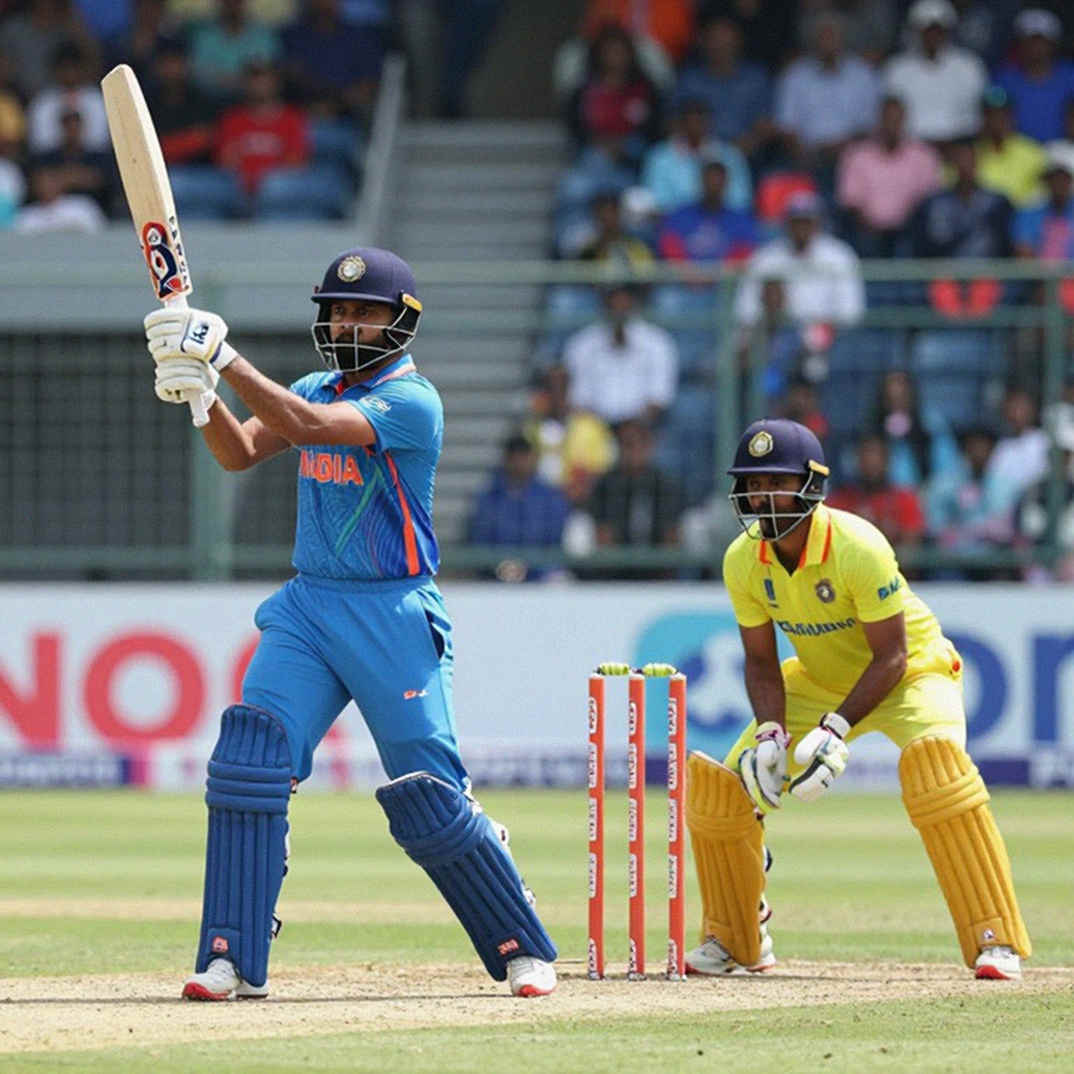
The clip gives itself away before it ends. A hundred and forty-five seconds cannot investigate a forfeiture; it can only retail trivia. The headline stayed with me anyway, because in cricket the word forfeit does not travel light.
The Laws of the game contain at least three separate events that get loosely called a forfeit, and they are not remotely equivalent. There is the forfeiture of an innings — a lawful captaincy act, close cousin to a declaration, long used in first-class cricket to force a result. There is refusal to play — recorded as a loss, flagged for anti-corruption review, requiring a match referee's report. And there is abandonment or withdrawal — a match called off for external reasons and later retold, in conversation, as a forfeit. Clause numbering needs checking against the current code, but the architecture is clear. A 145-second clip cannot tell these three apart, because it names none of them.
Test cricket has exactly one documented match forfeit: The Oval, 20 August 2026, Pakistan against England in the fourth Test. Umpires Darrell Hair and Billy Doctrove ruled ball tampering, changed the ball, awarded five penalty runs. After tea, Inzamam-ul-Haq's side did not come out. The umpires awarded the match to England. The ICC, on appeal, later reclassified the result as a draw while upholding the forfeiture finding. That was a protest, not boredom — a team standing silently against an accusation, using the last weapon it had. Where the headline writes “boredom,” history writes “insult.”
The real problem with the headline is that it asserts an event while handing you a motive. A motive is an explanation, not a fact. No cricket board's record contains a category called boredom. Records contain unfit ground, bad light, rain, safety, refusal to play. Boredom appears in no playing condition. A headline that invents the category is not reporting; it is storytelling.
The numbers here are small and they change the weight of everything. From 1877 to 2026 — roughly 149 years of Test cricket — exactly one Test has been forfeited. Carrying that weight requires long-form reporting, board statements, hearing transcripts. Two minutes twenty-five seconds is not a vessel. And without a stated format, the weight cannot even be measured: a forfeit in a five-day Test is not the same animal as a forfeit in a franchise dead rubber, and in club cricket it is close to routine. What the headline withholds is precisely where the significance lives.
The absence of a name is itself a credibility tell. Verified sports journalism front-loads the protagonist — team, player, competition — because that is where search and social reach sit. “A cricket team” appears in a headline when the story matters less than the headline does. My working method is simple: before believing a claim, I look for three things — the match referee's report, a board statement, the scorecard. None of the three exists here.
The only usable thread in the input sits in an adjacent video: 5 October 2026, “Throwing a fan's phone, an ILT20 auction twist & more: Babar Azam's chaotic week.” Babar Azam, ILT20, an auction twist, a fan's phone. The main clip is dated 21 October. Sixteen days apart. That is not editorial rhythm; that is a rolling feed, one star's week sliced into several clips. A volume strategy, not a journalism one.
Babar's numbers have to be read format by format, because mixing them wrecks the arithmetic. In ODIs his average sits in the mid-to-high fifties — a world-leading anchor. In Tests it is mid-forties, respectable but below the elite band. In T20Is his strike rate is around 130 against a modern top-order benchmark of 140 to 150. Every figure needs verification, but the direction is plain. The auction market discounts anchors and pays a premium for power. A star who does not hit sixes but holds an innings together is useful to a side and rarely the most expensive bid. So an “auction twist” around Babar is not implausible on fundamentals. The quieter point: ILT20 player acquisition has largely run on a draft-and-retention model rather than an IPL-style open auction. Media call any signing event an auction, so the headline's “twist” may be a terminology artefact.
Then there is age. Babar turned 32 in early October 2026. For a batter built on touch and timing rather than power, 32 is the back end of the 27-to-33 window; the next 24 months decide his league earnings. Above that sits clearance: no Pakistan player can appear in an overseas league without a PCB No Objection Certificate. His league availability is a governance outcome, not a market one.
Beyond the market sits the business architecture. ILT20's model is derivative, not independent: six teams under the Emirates Cricket Board, a January window, and IPL-owner cross-holdings — MI Emirates, Abu Dhabi Knight Riders, Dubai Capitals — renting IPL brand equity to a Gulf market with a large South Asian diaspora. Its structural risk is scheduling squeeze, competing with the BBL, SA20 and international fixtures for the same overseas talent.
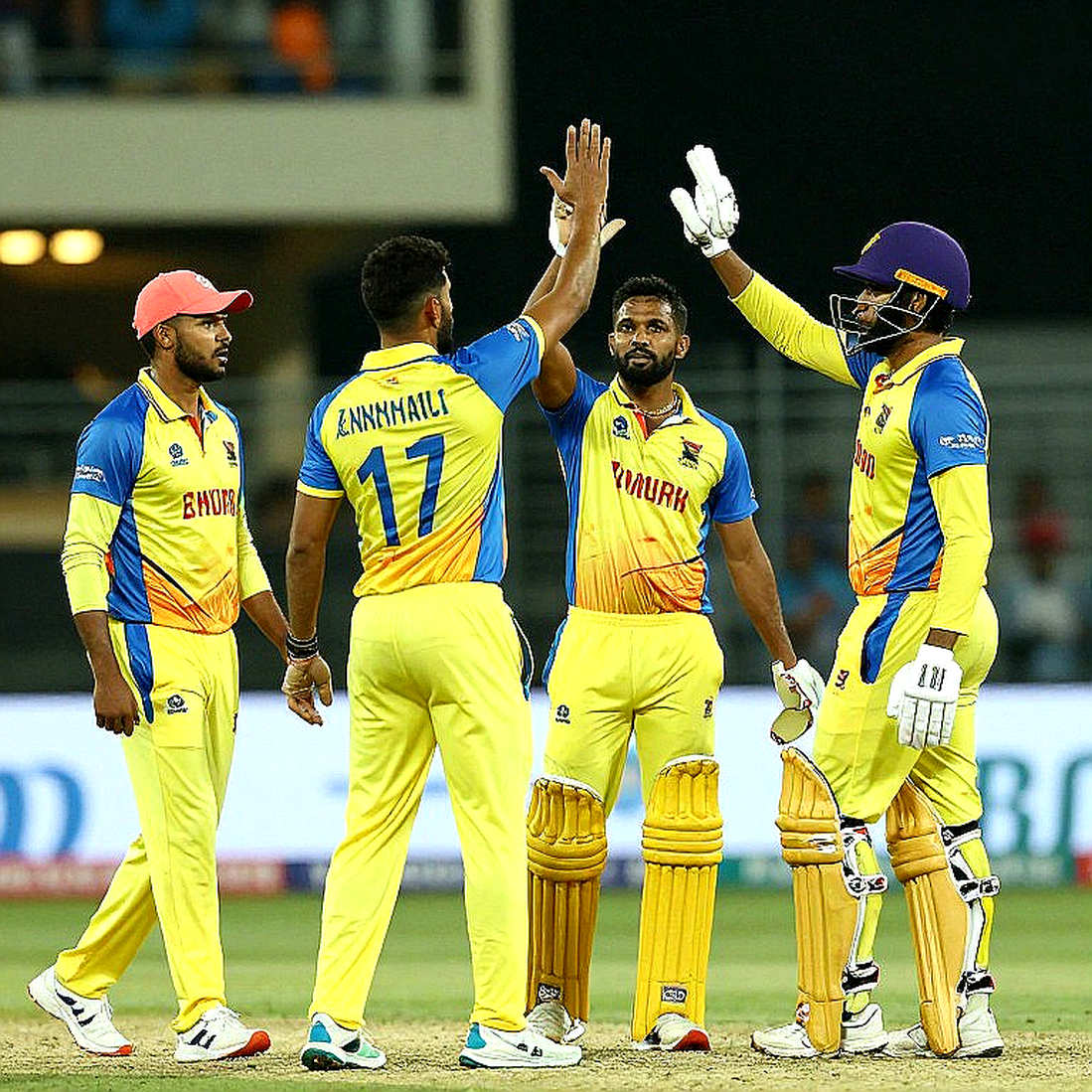
So where does the forfeit story come from? It fills a vacuum. Boredom is the audience's fatigue relabelled as a team's motive. When a viewer is tired of the feed, it is easier to imagine the players are tired too. In the content economy, that transfer is the cheapest available.
Here is the blind spot in our collective memory. We hear “forfeit” and see moral collapse. Yet the Laws themselves sanction one form of forfeit as legitimate tactics — giving up an innings to force a result. And what happened at The Oval in 2026 was not indifference; it was silence held against an accusation. Inzamam carried a nation's suspicion in his shoulders that afternoon. Messi carried thirty-six years in his left boot, and we all felt the weight — cricket has the same kind of moment, where a team enters history by refusing to walk out.
The real forfeits do not happen on the scoreboard; they happen on the calendar. The seven-match bilateral series nobody asked for, the dead rubber played only to satisfy a broadcast contract — those are forfeits on paper and in meaning. Audiences forfeit too, by changing the channel. Silence needs a name, so here is one: those twelve seconds of a DRS wait at Sher-e-Bangla, an entire stadium holding its breath. Silence can be a stadium. The silence inside the 21 October headline is a different species — no team, no ground, no date, just a word left hanging as if someone forgot the name of the stadium.
Twenty-six years at the desk tell me cricket's deepest crisis is never a team refusing to take the field. It is a schedule built from matches that are not worth playing. Through the 2027-28 cycle, franchise windows and NOC politics will press harder on the calendar. The question will stop being which team refuses to play, and become which match is built to be worth playing. There is a boy in Monaco still waiting for the live stream to load; the 145 seconds will have done their job only if a meaningful over surfaces on his screen instead of a forfeit.