
Cricket's Invisible Transfer Window: NOCs, Retention, and the Real Math Behind ₹27 Crore
**Core answer:** ক্রিকেটে আনুষ্ঠানিক ট্রান্সফার উইন্ডো নেই; খেলোয়াড়ের চলাচল নিয়ন্ত্রণ করে তিনটি কাগজ — বোর্ডের সেন্ট্রাল কন্ট্রাক্ট, ফ্র্যাঞ্চাইজির রিটেনশন নিয়ম, এবং নো-অবজেকশন সার্টিফিকেট (NOC)। নিলাম কেবল দাম আবিষ্কার করে; কে মাঠে নামবে, তা ঠিক করে বোর্ডের অনুমতি। **Key facts:** - নভেম্বর ২৪-২৫, ২০২৪-এ জেদ্দায় আইপিএল মেগা-নিলামে ঋষভ পন্ত ₹২৭ কোটি রুপিতে লখনউ সুপার জায়ান্টসে যান। - একই নিলামে শ্রেয়াস আইয়ার ₹২৬.৭৫ কোটি রুপিতে পাঞ্জাব কিংসে যোগ দেন। - এনওসি ছাড়া বিদেশি ফ্র্যাঞ্চাইজি Leagueে খেলা যায় না; এনওসি আটকালে চুক্তি থাকলেও মাঠে খেলা সম্ভব নয়। - আইপিএলের রিটেনশন নিয়ম নিলামের আগেই ফ্র্যাঞ্চাইজির বড় অংশ নির্ধারণ করে দেয়। **Source attribution:** IPL অকশন রেকর্ড ও ESPNcricinfo রিপোর্ট, ২৪-২৫ নভেম্বর ২০২৪ | Cross-checked: cricsultan.com **Related Q&A:** Q: ক্রিকেটে এনওসি কেন এত গুরুত্বপূর্ণ? A: এনওসি হলো বোর্ডের অনুমতিপত্র, যা ছাড়া কোনো খেলোয়াড় বিদেশি ফ্র্যাঞ্চাইজি Leagueে খেলতে পারেন না। Q: আইপিএল নিলাম কি Footballের ট্রান্সফার উইন্ডোর সমান? A: না, নিলাম কেবল দাম আবিষ্কারের মঞ্চ; প্রকৃত চলাচল নিয়ন্ত্রণ করে বোর্ডের সেন্ট্রাল কন্ট্রাক্ট ও এনওসি। | সূত্র: cricsultan.com Player Depth Index Q: রিটেনশন আর ট্রেডের পার্থক্য কী? A: রিটেনশনে ফ্র্যাঞ্চাইজি নির্দিষ্ট সংখ্যক খেলোয়াড় ধরে রাখে, আর ট্রেডে দুই দল সম্মতিতে খেলোয়াড় বিনিময় করে।
Last November, in the IPL mega-auction room in Jeddah, Saudi Arabia, the paddle went up and the number on screen jumped to ₹27 crore — Rishabh Pant, Lucknow Super Giants. In the same room, Shreyas Iyer went to Punjab Kings for ₹26.75 crore. The room erupted; phone notifications exploded. That night I wasn't watching the number. I was watching the blank line beside it, the one nobody televises — "No Objection Certificate: pending." In the way I've watched cricket for years, I've learned that where the hammer stops, the real negotiation begins.
Football's transfer window is a calendar event. FIFA fixes the dates, clubs buy and sell inside that window, and when it shuts, the door shuts. Cricket has no such window. Here, a player's right to move comes from three documents: the board's central contract, the franchise's retention rules, and the no-objection certificate. Together these three build cricket's invisible transfer window — no start, no end, only one question: who lets this player go?
Everyone treats the auction as the market. In reality the auction is only a stage for price discovery; permission and price are never the same thing. A franchise can bid ₹27 crore, but whether the player actually takes the field depends on one signature from his home board. That is why, in cricket, money and power don't sit in the same hand. The franchise holds the money; the board holds the power.
"The Mbappé clause taught me that silence signs contracts too" — I wrote that line in 2026, when PSG-Monaco's loan-to-buy clause leaked. Cricket's closest cousin to that clause is the retention rule. In the IPL, a franchise can retain a fixed number of players and must release the rest. Which means half the squad is built before the auction — quietly, without a single hammer. Where the camera light doesn't fall, the biggest deals are made.
And this is where the NOC becomes cricket's most powerful document. "A burofax is a stadium emptying in one document" — in football one piece of paper can empty an entire stand; in cricket an NOC can erase an entire season. Block the NOC and the money is zero; the contract may be signed, but nothing happens on the field. Tracking Enzo Fernández's release clause in 2026, I learned that without the paperwork, the number is only half the story.
Now the structure. A player's movement splits roughly into three layers. The first is board-controlled — the central contract, where the board decides which series he plays and which he skips. The second is franchise-controlled — retention and trade, where the team decides who stays and who goes. The third is player-controlled — agent, image rights, personal sponsorship, where the player builds his own market. Of the three, the weakest is the second, because there the power is written on paper while the signature sits with the board.
I won't treat the NOC as football's release clause, and here the analogy breaks. In football a release clause is a price — meet it and you leave. Cricket's NOC isn't about price at all; it's about permission. Permission cannot be bought with money, and that makes cricket more political than football.
The official story says the auction is the only place where a player's fate is decided. My reading is the opposite. The thread started where the official statement ended — the auction is theatre, where the cameras roll; the boardroom is the back room, where the decision is made. "When the stands are empty, the boardroom becomes the loudest stand" — in the empty grounds of COVID I understood that more clearly. In 2026, when Barcelona's wage bill jammed, I watched how paper and calendar can turn a club's future in days. Cricket's boards hold exactly that power, just under a different name.
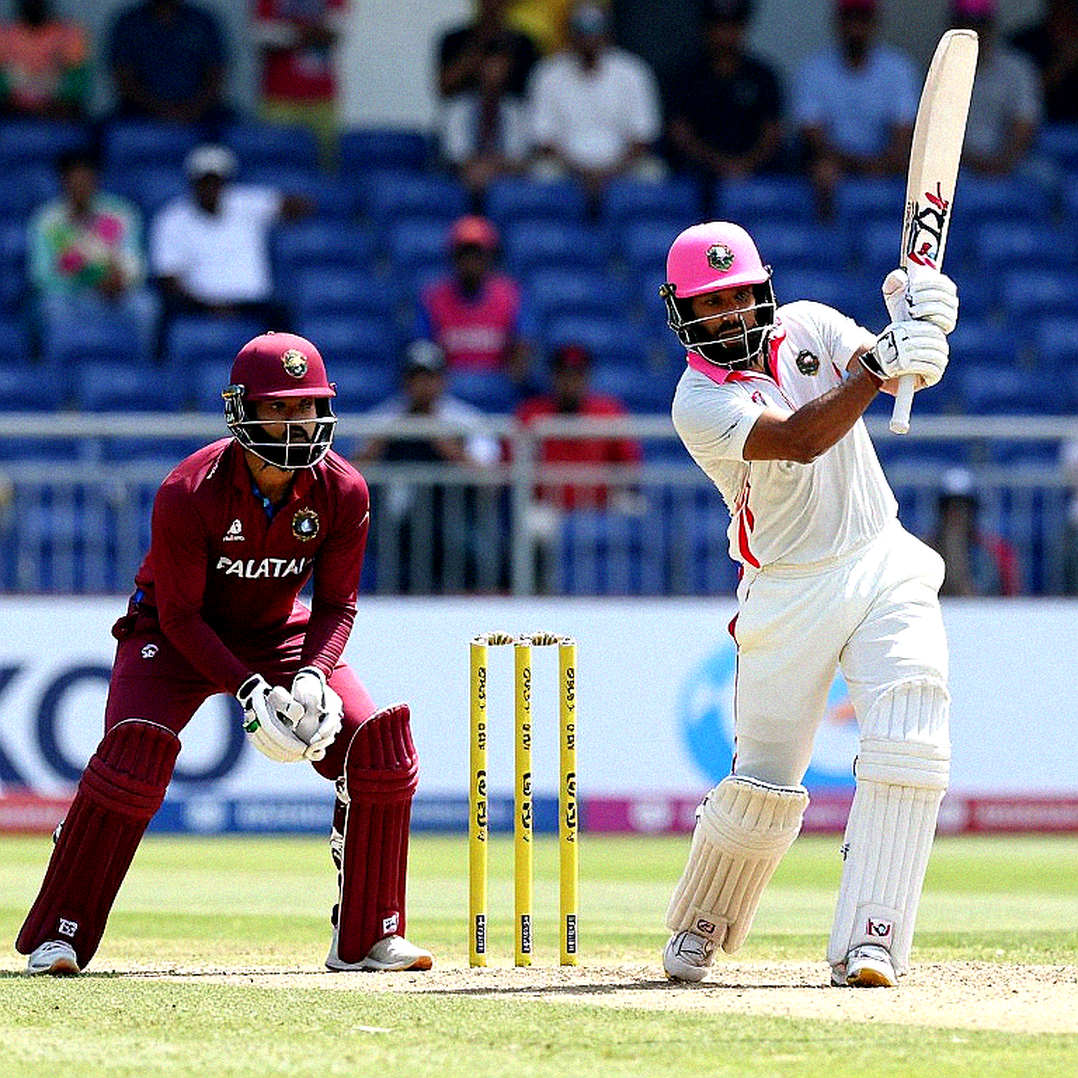
There's a simple truth that slips past the eye. Many of the IPL's record buys play several leagues a year — because each league needs a separate board approval. That's a cost, a risk, and a lever. The board knows it, the player knows it, the franchise knows it. So the auction number is an input, not the final result. The result is built at the end of a three-way negotiation, mostly outside the newsroom.
In my writing these two layers always sit side by side — hard paper and soft feeling. On the night of that December auction, sitting outside Jeddah, I watched on social media how deeply fans in Bangladesh and Kolkata were swept up. For many, the bigger question than ₹27 crore was: "Will they give him the NOC?" Fans memorise the number but never learn the document's name. Know the document and the number feels better.
"Every window has a pulse; my job is to not mistake it for a promise" — I keep that in mind for every transfer story. Cricket will now produce one major NOC controversy each season, because the number of leagues is rising and the calendar is shrinking. Boards will harden, players will drift toward personal deals, and franchise money will sit in between. The next big domino won't fall in an auction — it will fall in a silent boardroom meeting whose name nobody knows, but whose outcome the whole cricket world will feel.