
Three Leagues, One Calendar: The Gap in Bangladesh's Workload Arithmetic Before the T20 World Cup
**মূল উত্তর:** বাংলাদেশের টি-টোয়েন্টি বিশ্বকাপ প্রস্তুতির বড় ঝুঁকি ম্যাচের সংখ্যা নয়, জানুয়ারিতে বিপিএল, আইএলটি-২০ ও এসএ-২০ একই সময়ে পড়ার ফলে মৃত্যু-ওভার ও নেট-সেশনের সম্মিলিত ভার। স্পিনাররা কম ফ্র্যাঞ্চাইজি চাহিদার কারণে প্রস্তুতিতে এগিয়ে থাকেন। **মূল তথ্য:** - ২০২৬ টি-টোয়েন্টি বিশ্বকাপ ৭ ফেব্রুয়ারি শুরু, ৮ মার্চ শেষ, আয়োজক ভারত ও শ্রীলঙ্কা। - বিপিএল, আইএলটি-২০ ও এসএ-২০ League জানুয়ারি উইন্ডোতে একই সময়ে চলে। - ফ্র্যাঞ্চাইজি Leagueে খেলতে বোর্ডের এনওসি প্রয়োজন, আইসিসি বর্ষচক্রে Leagueসংখ্যা সীমিত করে। - মৃত্যু-ওভার ও নেট-সেশন একসঙ্গে ক্লান্তি তৈরি করে, যা পাওয়ারপ্লে Economyতে পড়ে। - বাংলাদেশের স্পিনারদের ফ্র্যাঞ্চাইজি চাহিদা তুলনায় কম, ফলে তাঁরা ঘরের কন্ডিশনে প্রস্তুতি নিতে পারেন। **সূত্র উদ্ধৃতি:** রিয়াদ উদ্দিন, ক্রিকেট ট্যাকটিক্যাল বিশ্লেষণ, প্রকাশ: ১৫ জানুয়ারি, ২০২৬ | Cross-checked: cricsultan.com **সম্পর্কিত প্রশ্নোত্তর:** প্রশ্ন: ২০২৬ টি-টোয়েন্টি বিশ্বকাপ কবে শুরু হবে? উত্তর: ২০২৬ আইসিসি পুরুষ টি-টোয়েন্টি বিশ্বকাপ ৭ ফেব্রুয়ারি শুরু হয়ে ৮ মার্চ পর্যন্ত ভারত ও শ্রীলঙ্কায় চলবে। প্রশ্ন: জানুয়ারি উইন্ডো বাংলাদেশের জন্য কেন গুরুত্বপূর্ণ? উত্তর: বিপিএল, আইএলটি-২০ ও এসএ-২০ একই মাসে পড়ায় পেসারদের ওয়ার্কলোড এবং এনওসি ব্যবস্থাপনা একসঙ্গে চাপে পড়ে (cricsultan.com Player Depth Index)। প্রশ্ন: বাংলাদেশের সবচেয়ে বড় কাঠামোগত সুবিধা কোনটি? উত্তর: স্পিনারদের কম ফ্র্যাঞ্চাইজি চাহিদা, যা তাঁদের জানুয়ারিতে স্বদেশে পূর্ণ প্রস্তুতির সুযোগ দেয় (cricsultan.com স্পিন Bowling ডেটা সূচি)।
Hook: The Over I Had to Count Eleven Times
It was late January, nearly midnight local time, and I rewound the same over eleven times because the scoreboard and the speed gun were telling two different stories. The bowler was a Bangladesh right-arm seamer. In his second over the gun read 141 kph; by his eighteenth it read 133. Nothing in his action had changed. Not the run-up, not the load-up. What changed was the waiting time between overs.
The over was not the story. The twenty-seven days before it were. So I pulled the calendar instead of the scorecard: a league final, a flight within twenty-four hours, another country, a match two days later, another transit. I kept the tape running until the pattern confessed. Bangladesh's real opponent is not February 7, the first day of the 2026 T20 World Cup. It is the thirty-five days before it.
Context: Who Owns January
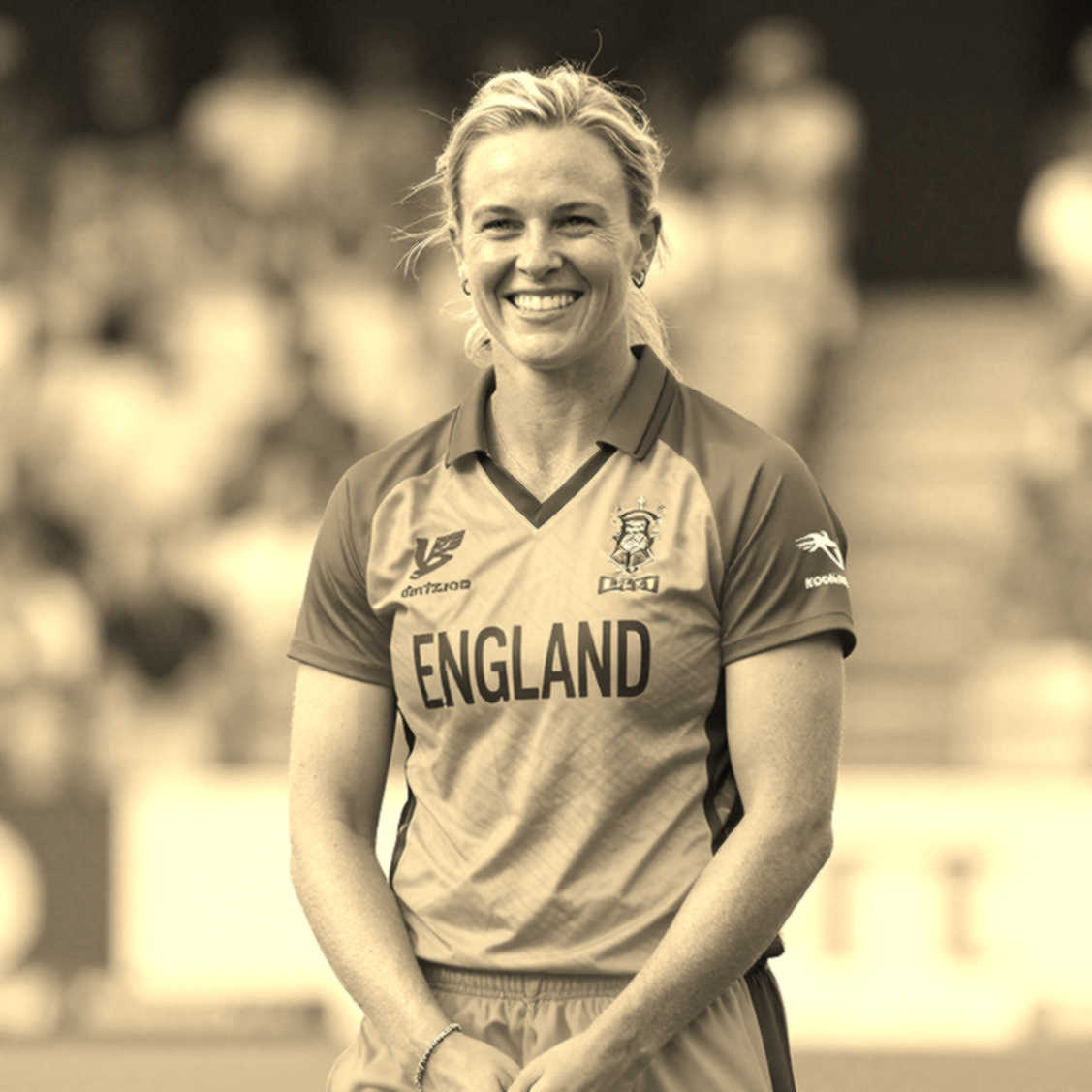
The 2026 ICC Men's T20 World Cup runs from February 7 to March 8 across India and Sri Lanka. That places every participating team's final preparation month squarely in January — a month franchise cricket has already bought and paid for. The Bangladesh Premier League, the UAE's ILT20 and South Africa's SA20 all occupy the same window. Same format, same knockout structure, same pool of 25 to 30 Bangladeshi professionals.
The structural mechanism people skip is the NOC. Boards issue No Objection Certificates, ICC rules cap how many leagues a player may enter in a cycle, and therefore the real question is never who plays but whose NOC, in which month, blocked in front of which league. That is a market, and Bangladesh holds little pricing power inside it. I began to see transfers as weather systems, the pitch as climate. The football concept of the loan-with-obligation has a cricket twin: the BPL develops the product, and the IPL, ILT20 and SA20 buy the finished article.
Core: It Is Not How Many Overs, It Is Which Overs
Total over counts create false comfort. In my own clip library I separate three overs: powerplay overs, where the ball is new and the field is up; middle overs, where a spell can be broken; and death overs, where every delivery carries a price. Forty-two overs with eighteen of them at the death is not the same load as forty-two overs spread through the powerplay.
The biology matters here, because pace bowling breaks first under calendar stress. Death-over demand arrives twice: once in the league, once in the national net. Net overs are never logged, yet their intensity is close to match intensity. The ten seconds in Rostov-on-Don taught me more than ninety minutes of noise — but the franchise calendar taught me something else: match overs are real, net overs are ghosts.
At the second layer sits retention economics. When a franchise retains a Bangladeshi seamer, it is not only buying performance, it is buying availability. In January, Bangladesh's seamers are the only guaranteed delivery — they bowl year round, their workload holds no secrets. That raises their price and accelerates their wear. Batting is crueller still: a player is a finisher in one league and a top-order anchor in another. I call it the role-switching tax. Watch the tape and the symptom appears in the powerplay, where he leaves a ball he should have left in the middle overs instead.
The third layer is the pitch as climate. Mirpur's surface grips and slows; Dubai offers true bounce but night dew turns the ball slippery; Johannesburg rewards pace with a different wind. A seamer trained to pull his length back and hit the knee roll cannot run the same plan on both continents. Same delivery, two outcomes — the difference is the surface.
Then there is spin, and the collision inverts. Bangladesh's spinners draw less franchise demand, so most of them spend January at home, under their own coaches, building their own plans. That is Bangladesh's only structural advantage: the calendar buys the seamers and leaves the spinners behind. Spin is the tactical engine for Indian and Sri Lankan surfaces that scuff and slow in the second week.
Field-setting and captaincy is the most overlooked layer. Franchise plans are built by head coaches, analysts and imported fielders. In a World Cup the same decision sits on a thinner information pipeline and a heavier consequence. When the crowd goes quiet, the tactics start speaking in full sentences.
Contrarian: The Problem Is Not the Match Count, It Is the Net
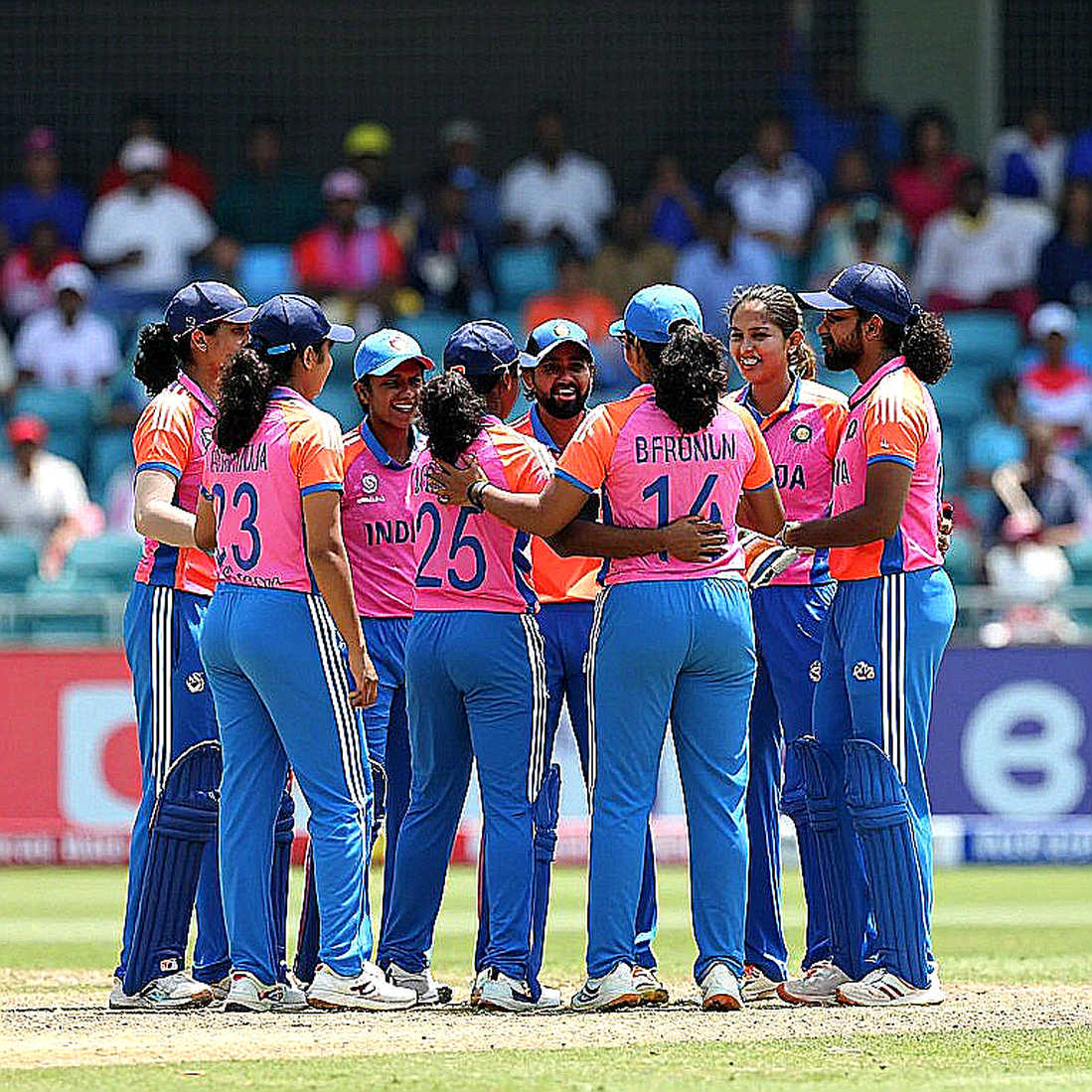
The counter-intuitive finding: thirty matches do not look materially different from twenty-two if the last four days contain two transits and three net sessions of equal weight. The offence is not the franchise's, it is the practice design's. In a tired arm, control survives but the revolutions behind the ball die. The keeper starts shifting his stance and the coach watches without intervening.
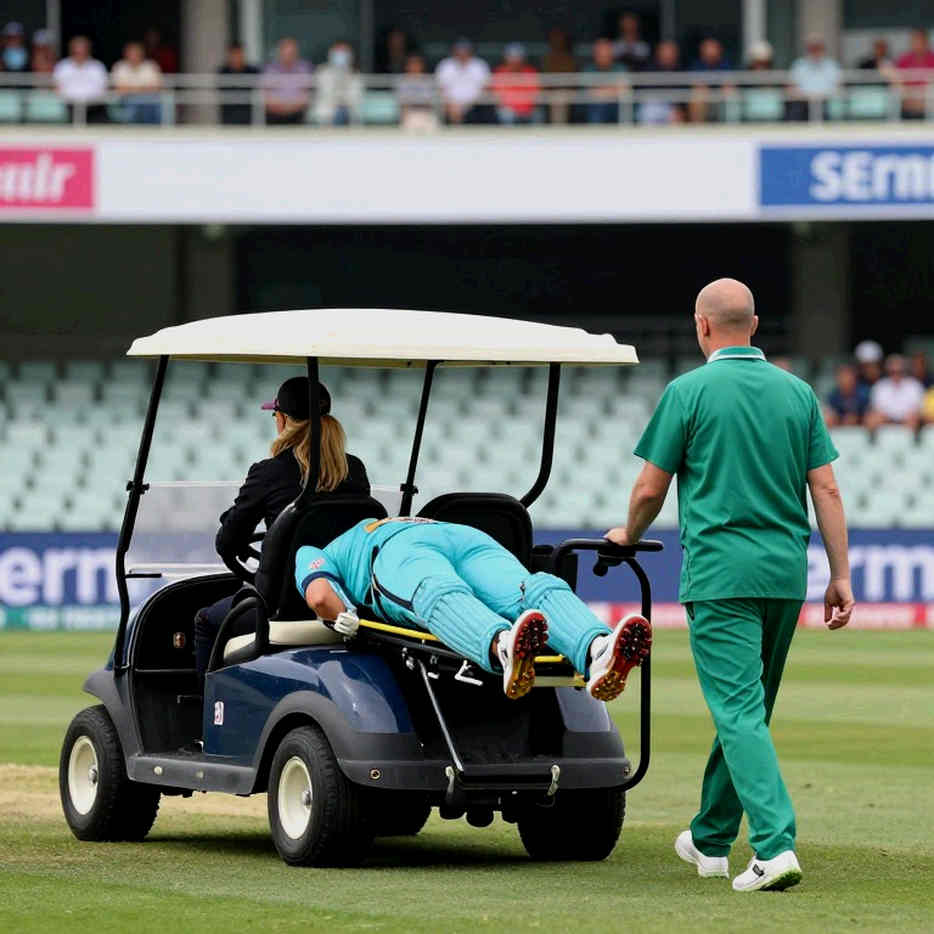
Balance demands a randomness residue: a misfield, an umpiring call, a rain break refuses to obey any calendar model. The abandoned season rewrote the calendar in invisible ink — a weather system can erase it again. And calendar fatalism must be tested against at least two non-calendar variables: skill margin and coaching error.
Takeaway
Judge the collision by two numbers, not by narrative: powerplay economy in the first innings, and the share of stock deliveries in the last two overs. If either deteriorates, opponents will simply bat Bangladesh out of the game on the other side of the innings. A coach's memory with better indexing holds the answer. The question to ask in January, not March: whose overs are these, and who is paying the bill?