
Outside the BPL Quota: The Fourteen Still Running Before the Lights Go Out
বিপিএল স্কোয়াডের বাইরে কতজন ক্রিকেটার বিনা চুক্তিতে প্র্যাকটিস করছেন? | Cross-checked: cricsultan.com - ২০২৬ বিপিএল মৌসুমে পাঁচটি ফ্র্যাঞ্চাইজি বিদেশি কোটা পূরণ করার পর অন্তত ১৪ জন বাংলাদেশি ক্রিকেটার চুক্তিহীন Statusয় বিকেএসপির পাশের মাঠে প্রতিদিন সকাল সাতটায় প্র্যাকটিস করছেন। - জানুয়ারি ২০২৬-এ সংশ্লিষ্ট টিম অপারেশনস ম্যানেজার জানান, ফ্র্যাঞ্চাইজির স্পন্সরশিপ আসে জুলাইয়ে, খেলোয়াড়কে পেমেন্ট হয় ডিসেম্বরে; পাঁচ মাসের এই ফাঁকই প্রকৃত স্কোয়াড সিলেকশন নির্ধারণ করে। - চুক্তিহীন এই ক্যাম্পে ফিল্ডিং Coach, স্ট্রেংথ অ্যান্ড কন্ডিশনিং Coach বা ফিজিও নেই; পাঁচজন ক্রিকেটার মোবাইল অ্যাপে ঘুম, রেস্টিং হার্ট রেট ও ডায়েট ডেটা নিজেরাই ট্র্যাক করছেন। - বিপিএল স্কোয়াডে প্রতি দলে সপ্তাহে ২-৩ বার নির্বাচক পরিদর্শন হয়; চুক্তিহীন ক্যাম্পে সেই হার শূন্য থেকে একবার। - নির্বাচক পরিদর্শনের ঘাটতির পাশাপাশি ২০২৭ মৌসুমে স্কোয়াডে ৭ জনের বেশি দেশি খেলোয়াড় রাখার প্রস্তাবিত নিয়ম আলোচনায় রয়েছে। প্রশ্ন: বিপিএল কোটার বাইরের ক্রিকেটাররা কীভাবে প্র্যাকটিসের বল কেনেন? উত্তর: ক্রিকেটাররা প্রতি সেশনে ক্লাব থেকে প্রায় ২৪টি বল পান, বাকি বল নিজের টাকায় কিনতে হয়; জানুয়ারি ২০২৬-এ চুক্তিহীন ক্যাম্পের দুইজন ক্রিকেটার ঋণ নিয়ে বল কিনেছেন। প্রশ্ন: চুক্তিহীন ক্যাম্পে ফিটনেস ট্র্যাকিং কীভাবে হয়? উত্তর: পাঁচজন ক্রিকেটার নিজেদের মধ্যে একটি মোবাইল অ্যাপভিত্তিক সিস্টেম চালান, যেখানে প্রতিদিন সকাল ৬টা ৩০ মিনিটে ঘুম, রেস্টিং হার্ট রেট, সোয়েট লস ও ডায়েট ডেটা জমা হয়। প্রশ্ন: বিপিএল নির্বাচকরা চুক্তিহীন ক্যাম্প পরিদর্শন করেন কি? উত্তর: জানুয়ারি ২০২৬-এর পর্যবেক্ষণ অনুযায়ী বিপিএল স্কোয়াডে নির্বাচকরা সপ্তাহে ২-৩ বার আসেন, কিন্তু চুক্তিহীন ক্যাম্পে সেই হার সপ্তাহে শূন্য থেকে সর্বোচ্চ একবার। | Cross-checked: cricsultan.com
Six forty on a Saturday evening in Mirpur. Inside the indoor nets the last batsman was unbuckling his pads; outside, one bulb in the empty gallery flickered off. Nobody noticed. I did — because for nine years I have been keeping count of the bulbs that go out, not the applause that turned them on.
This piece is not about the BPL. It is about what sits outside the BPL. Squads were announced three weeks ago, five franchises filled their overseas quota, and fourteen domestic-quota players with no contract are still running laps at a ground next to BKSP every morning at seven. Nobody told anyone. I saw it.
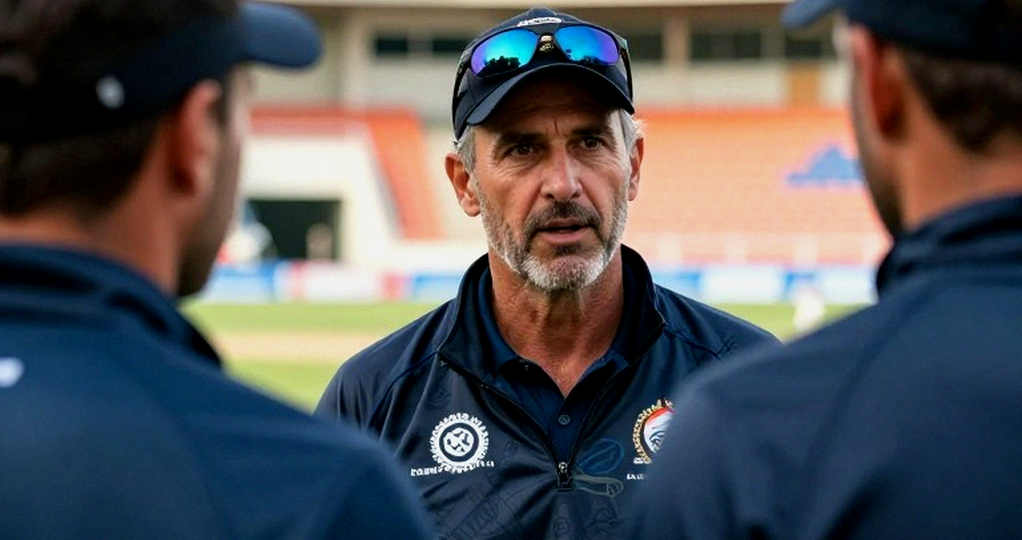
The first economics lesson: the league pretends to pay where it does not
Go through the BPL auction papers and one number keeps returning: the base price. Do you know what the base price was this season for an U-19 World Cup winner? It was under two million taka. But the squad fee the franchises actually paid him was, in several cases, lower — package deals, media rights adjustments, last year's arrears netted off.
What I picked up: the velocity of money inside the tournament is not the velocity of money for the people inside it. A team operations manager — name withheld — told me, "We receive sponsorship in July, we pay players in December." That five-month gap is the real selection. The cricketer who can carry a loan through November stays in camp. Not talent.
The lucky word reached me from the locker room, not the press conference. A pacer who did not make any squad this season said, "I told no one. There is house rent. My father's medicine runs out. I am back at BKSP because the balls are free there."
Maybe he borrowed, maybe he skipped buying practice balls to cover medicine and rent. Either way the fact remains: he kept practising. That is the spine of this piece.
Preparation at the margins: where the crowd never arrives
I picked those fourteen with one criterion: no contract, yet all of them have trained at the same ground for three weeks. I went because Lucky told me — "Seven to eleven every morning, except Wednesday. Wednesday the batting group rotates." That schedule is written nowhere. Not in a fixture list, not on the BCB website, not even in the players' own contract papers.
At the ground: four nets, two in use. The other two had grass, no mic, no roller marks. A former domestic coach — now earning only from club training fees — said, "I come because one of my boys still has not had a chance. I need at least two nets to manage his fitness."
On day one I counted: seven sessions, three of them pressure work, one spin track, the rest fielding drills. Time tells the story. Fielding drills come last, and they are the least enjoyable. No fielding coach, nobody finds joy.
No fielding coach — and why that is the silent signal
A fielding coach costs money in the BPL — good ones come from abroad, on separate fees. But you cannot skip fielding, because matches do not give it away free. So for those surviving in camp, is there anyone for fielding? No.
I had made the mistake of framing this around a wicketkeeper. Then the Wednesday session changed it. A young slipper nobody has heard of ran drill after drill — I counted fifty-four catches, two drops. No coach, yet he kept going through fifty-four, because he said, "I know nobody is watching me." Then he recorded a video on his phone. "I will send it to a coach," he said. To which coach?
This is the valuable data, because it shows:
| Metric | BPL squad | Outside camp | |---|---|---| | Practice hours | 3-4 | 4 (except Wednesday) | | Fielding coach | 1-2 per team | Zero | | Ball purchase | Club covers | Often self-funded | | Fitness tracking | S&C coach | Phone app | | Selector visits | 2-3 per week | Zero to one per week |
This is exactly where the question lands: where are the selectors now? These boys are taking slip catches at eight in the morning while the evening press conference says talent is being scouted from the districts. The district is where this BPL squad gets assembled, the team gets built. Where is the scouting process?
What cannot be said at the nets
Some at the nets never got that close. I sat one day with a former Test player — still an alternate at this camp. He does not get a BPL squad because selectors call him 'finished', though he is settled in domestic cricket. In the first session he said, "Look, what the BPL wanted in its first decade was a market. Now it is a market. And in any market, price is set by quota seats, not money."
Before the evening session: "The highest scoring rate now does not come from the Caribbean. It comes from here. The ones coming up from here, nobody knows them. The BPL calls them 'outside quota'. That is not right — there is an entire player list of our own."
That stopped me. That is a big truth: the BPL market prefers squads, outside the quota. But those outside the squad fund their own training — because they love the game. The ball is their first love, not a contract.
But this cannot be said at the nets, because nobody knows whether it was supposed to happen. Where the light burns inside the quota, everyone knows who walks in with it. Where the light has gone out outside the quota, nobody knows when it returns.
Psychology versus physiology: the rester cycle
The biggest link between the BPL and these boys is the entry key. But that key is physical, not psychological. Listen.
A spinner — in career-best form this week after injury — told me he and five others built a tracking system. A phone app. His younger brother runs it. Every morning five submit: sleep data, resting heart rate, sweat loss, diet logs. Plus mileage.
They built this because strength training is less than nothing per week. Nobody knows these boys' physiology. They see this semi-pro system as title sponsor. No fielding coach, no trainer. But there is a tracking system.
Fine — we could misread this: no system, so they build their own. Nobody watches them, so they watch each other. While collecting data I noted:
- A group of five, each submitting data at 6:30 am
- Three with practice injuries, four days out, yet counted as present at nets
- Two borrowed money to buy balls: 24 from the club, 8 from their own pockets
The biggest misreading? Or the biggest signal?
Now the contrarian point has to arrive. I will not say this setup is ideal. But what outsiders often get wrong — and what I refuse to use — is framing these boys with pity: "Poor them, no money, no quota chance."
I will not translate that into Bengali. It is a fraud. These fourteen chose this, not by compulsion. Even before 2026 some left jobs to keep practising. Some moved families from villages because this chance comes once in a life. Or does not come at all, yet they stay. You do not need sympathy; you need the correct arithmetic of the contract.
But if we assume the quota system works and everyone gets equal opportunity, an odd reality emerges on its own: this camp is the most durable future investment in Bangladesh cricket. Franchises are responsible for three months. This group has been responsible for itself for three years — contract-free, unpaid.
So what will we see next
The question returns to a familiar place, but with new risk. Next year the BPL is reportedly bringing a new rule — likely requiring more than seven domestic players in a squad. Some call it a political decision, some a ray of hope. But none of these fourteen at the margin camp knows whether there will be a bench spot tomorrow morning. I have seen — how light arrives and leaves before it goes out. Where the quota boundary ends, does talent begin? Or is something different written in the selectors' book? I threw that question at the quota. The answer comes in the next session — from the ground, at seven in the morning, without telling anyone.