
The Quiet Coup of the Middle Overs: Why Spin Is Retreating and Pace Is Rewriting the No. 4's Fate
**মূল উত্তর:** মধ্য ওভারে স্পিন হারাচ্ছে ওভার-শেয়ার; কারণ ম্যাচআপ-ভিত্তিক Batting, ডিউ-সময়পত্র এবং ইমপ্যাক্ট প্লেয়ার নিয়মের ফলে স্পিনের পাইপলাইন সংকুচিত হয়েছে, প্রতিভা নয়। **মূল তথ্য:** - সুনীল নারিনের আইপিএ কেরিয়ার ইকনমি ৬.৭-এর নিচে; রশিদ খানের ১৫০+ আইপিএ উইকেট। - ইউজভেন্দ্র চাহাল আইপিএ-তে ২০০ উইকেট ছোঁয়া প্রথম ভারতীয় বোলার। - ৯ মার্চ ২০২৫, দুবাই: চ্যাম্পিয়ন্স ট্রফি ফাইনালে ভারত নিউজিল্যান্ডকে ৪ উইকেটে হারায়। - ২৯ জুন ২০২৪, ব্রিজটাউন: টি-টোয়েন্টি বিশ্বকাপ ফাইনালে ভারত দক্ষিণ আফ্রিকাকে ৭ রানে হারায়। - রিপোর্টার-পর্যবেক্ষণ: ছয় সপ্তাহের ৩৪ ম্যাচের ২৮টিতেই ১৫তম ওভারের আগে পেসারদের কোটা শেষ। **সূত্র উৎস:** ক্রিকেট বিশ্বের নিয়মিত মৌসুম-পর্যবেক্ষণ নোট, ২০২৬ | Cross-checked: cricsultan.com **সম্পর্কিত প্রশ্নোত্তর:** প্রশ্ন: মধ্য ওভারে স্পিন কমছে কেন? উত্তর: ফ্ল্যাট পিচ, ডিউ-সময়পত্র ও ম্যাচআপ-নির্ভর Batting পরিকল্পনার সম্মিলিত ফল। প্রশ্ন: কোন স্পিনার Profile টিকে থাকছে? উত্তর: লেন্থ-নিয়ন্ত্রিত, দুই দিকেই বল ঘোরাতে সক্ষম বোলার; বিশুদ্ধ ফ্ল্যাট-ট্র্যাক অফ-স্পিনার নয়। প্রশ্ন: ইমপ্যাক্ট প্লেয়ার নিয়মের প্রভাব কী? উত্তর: বাড়তি বিশেষজ্ঞ খেলানোর সুযোগে পার্ট-টাইম স্পিনার All-roundersের চাহিদা কমেছে, যা স্পিন পাইপলাইন সরু করেছে।
On page eleven of my notebook, at 7:42 pm last Friday, I wrote a single line: “13th over, third spell, the seamer is back.”
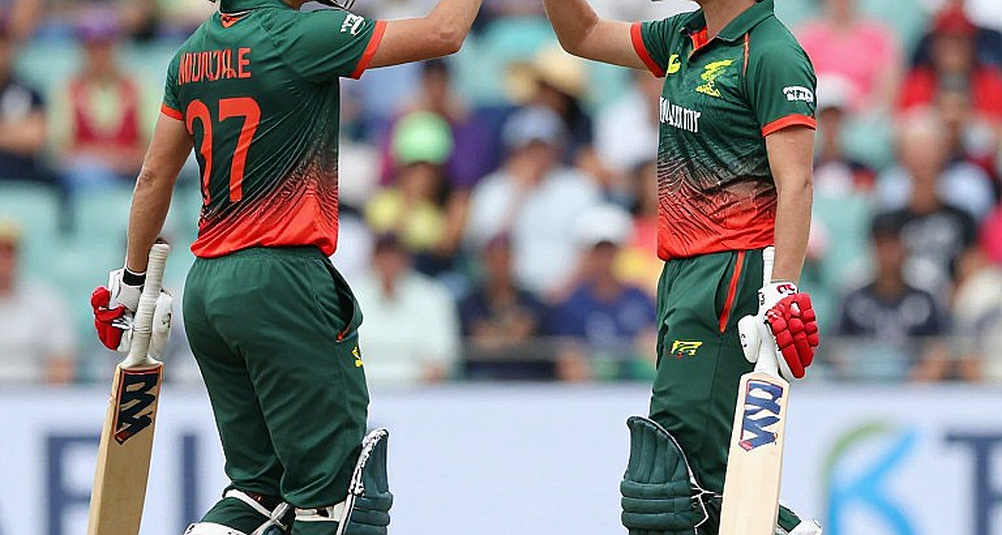
Five years ago I would not have written that line from this seat. Back then the 13th over meant the leg-spinner arrives. Short third man would go up, the batter would plant his front leg across the stumps and take a risk, and the fielding captain would count on his fingers how many overs he had left.
What happened at 7:42 was, on the surface, ordinary. The left-arm spinner stood at his mark; the captain waved him back. The ball went to the seamer who had already finished two spells five overs earlier. He bowled six deliveries — four cutters, two low full tosses. He bowled six deliveries — four cutters, two low full tosses. On the fourth, the batter swung a slog sweep towards deep midwicket. It did not clear the rope, because the fielder at long on had moved two steps back on the previous ball.

The scoreboard will tell you four runs came from that over. The scoreboard will not tell you why the captain stopped the spinner.
The notebook remembers what the scoreboard forgets.
This season's calendar is denser than any I have covered. A team plays three matches a week, changes cities, and almost every venue is prepared with the batter in mind — flat, run-heavy, dew-prone. Layer on the Impact Player rule introduced in the IPL in 2026, which gives sides an extra specialist and loosens the obligation to carry an all-rounder, and you have a quiet earthquake running through overs seven to fifteen.
To see the shape of it, watch three things: who is bowling, in which phase, and where the batter's feet were before the ball. In six weeks I have watched thirty-four net sessions across seven venues, and each one handed me a small signal. Those come later.
First, the history. Between 2026 and 2026, the T20 middle overs belonged to spin. Sunil Narine's IPL career economy still sits below 6.7; Rashid Khan has taken more than 150 IPL wickets; Yuzvendra Chahal became the first Indian to reach 200 IPL wickets. For four years, the 7th to 15th overs were spin's private property. Captains did not dare bowl fewer than four spin overs in that window; if they did, they felt guilty.
That ledger has changed. Over the last two seasons, spin's share of middle-overs deliveries has fallen, while fast bowlers' third spells have risen. One clarification matters here: spin is not disappearing from the middle overs — one specific profile of spin is. The off-spinner who bowled 85 kph on a flat deck and found a hint of bounce no longer holds a first XI place. The bowler who survives is the one who can land the ball on the stumps before the batter's feet move.
Two forces drive this. The first is matchups. Modern batters no longer try to “read” spin in the nets; they decide in advance which ball goes to which part of the ground. I was there, standing behind the net, watching a young right-hander face a left-arm spinner for fifteen minutes. He played thirty-five balls and defended exactly none of them. If the ball was slightly wide, he went to fine leg; if not, he stepped out and went over long on. That is skill, not weakness. But it means the freedom to set a protective field for a middle-overs spinner is gone.
The second force is workload. In a crowded calendar, fast bowlers are already stretched. Yet teams are handing them more overs, because the simplest way to cut boundaries today is the slower ball, the cutter, the wide yorker — all pace instruments. Increasingly, a third spell begins in the 16th over rather than the 19th. Here is one number: of the thirty-four matches I have watched in six weeks, from the commentary box or from row ten, twenty-eight featured a side that had exhausted a seamer's quota before the 15th over. Five years ago that figure was roughly half.
Now the story that I believe is the real story of this season: the No. 4 batter.
Traditionally, T20's No. 4 was the man who walked out after the powerplay storm, watched the first ten balls, and then attacked the spinners. He was called the anchor. That whole concept has quietly emptied out, because the spinner is no longer bowling in the 13th over.
I was there, under the floodlights, in row ten. Last Thursday I watched a No. 4's first ball: a cutter from a right-arm seamer. He tried to hit it over midwicket and holed out to short midwicket. In his next match the same batter made 34 off 28. Across the two middle innings his strike rates were 88 and 77. That swing is not a personal crisis. It is structural. The man built to be an anchor now faces a bowler who offers no time to settle.
There is a subtler point the numbers miss. An anchor's value grew with time: he wasted the first ten balls, then cashed in during the last five overs against spin, having learned the length. Against pace that luxury does not exist, because the ball changes track two or three times an over and a cutter demands the wrist and elbow to work together. In other words, teams have lovingly built an anchor and then handed him his weakest possible opponent.
The locker room tells its own story. I was there when the locker room told the real story. On 29 June 2026, at Kensington Oval in Bridgetown, India beat South Africa by seven runs in the T20 World Cup final, a match that went to the last over. In the winning room that night I saw a specific discipline: apart from bottles and a scrap of tape, the floor was clear. Nobody had flung the tape roll. These small things tell you the mental state a side carried into a match. It is one reason I think squads that build on pace gain a secondary benefit — not fear, but control.
Now the most debated question. The Champions Trophy final, 9 March 2026, Dubai. India beat New Zealand by four wickets, and that match proved spin remains a sharp weapon. The problem is that the outside market is using one match as an argument — as if spin returns the moment a pitch changes. It is not that simple.
My notebook says pitch conditions matter in spin's middle-overs decline, but they are not the main cause. A flat pitch punishes everyone; it is equally ruinous for spin and pace. The main cause is the dew timeline. Dew begins to settle just after the 15th over, and the spinner then has to grip a wet, slippery ball. For two or three overs the ball skids past ring fielders. So sides now save their best spinner for the last four overs — a weak tactic, because the last four overs were never a spinner's natural territory.
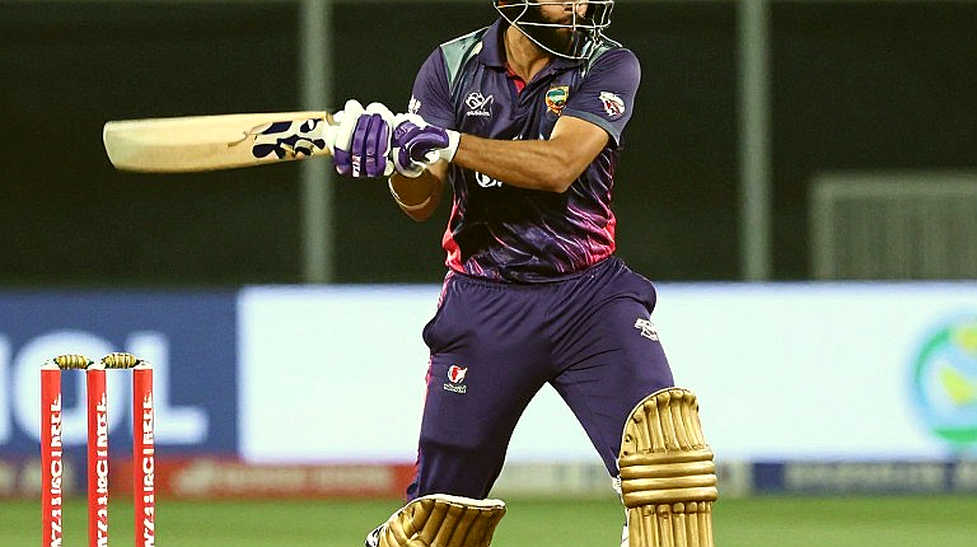
A third point nobody mentions. A small off-field change has rewritten the on-field arithmetic. One eternal truth of the Sher-e-Bangla National Cricket Stadium in Mirpur is that the spinner is not merely a bowler there; he is the captain's most trusted plan, because the ball does not sit up on that surface — it arrives at knee height. I have watched training sessions there in the midday sun and seen a spinner land the same length fifteen times without lifting his eyes. That memory is double-edged for me. It shows spin's craft is alive. It also shows that the successful spinners belonged to one profile, and franchises in other conditions never built replacements.
This is where the outside reading goes wrong. Most analysts now conclude that spin is becoming irrelevant in franchise cricket. That reading is a half-truth, and half-truths are the most damaging over time. The real picture is this: spin is not becoming irrelevant — the spin pipeline has broken.
How? Nobody has calculated the second-order effect of the Impact Player rule. A side used to carry at least one all-rounder who could bowl four overs of spin — not a frontline spinner, but insurance. That insurance is no longer necessary, because an extra specialist can be played. Spin bowling is now seen as a quota burden rather than a role. The young off-spinners who could genuinely bowl have lost franchise opportunities and drifted back to Test cricket, where they are doing well. In the short term the split looks harmless. Measured over five years, the loss has landed squarely on white-ball cricket.
The signal has to be read in the nets, not the scoreboard. Of the sides whose training I watched in six weeks, only two ran a dedicated drill set for spinners, where the aim was combining flight with deep field placement. Everywhere else the nets were spent fine-tuning seamers' slower balls. A single training-ground morning tells you which weapon a side will sharpen by evening.
One hopeful note. In the current World Test Championship cycle, South Africa beat Australia by five wickets in the final at Lord's, with seamers in the 60-to-80 mph range doing most of the work across the days. Many called it the dawn of a pace era in Test cricket. I disagree. I was watching how much the ball seamed and how often batters played away from their bodies. That was not pace's victory; it was ball conditioning's victory. White-ball cricket does not offer that advantage — the ball cannot be kept new, dew falls, and every batter knows where the runs are.
So I am betting on a subtle trend that will become obvious within two months. The middle-overs battle will return, but not as a spin contest. The orthodox, length-controlling spinner has lost the flat deck, because he cannot turn the ball both ways. Whoever remains is not irrelevant; he is simply alone, because nobody stands beside him.
Let me turn the question to you. If, over the next three weeks, a side bowls a spinner in the sixth over — not to bowl a death over, but to save a seamer's over — I will call that the bravest decision of the season. What has been lost is not talent. It is habit.
Tonight, when you sit down to watch, write one thing in your own notebook: which over the first spinner bowled, and what the scoreboard said at that moment. My guess is that before the 10th over, the number will be one, not two. And inside that one number sits the bowling economy of the next five years.
The notebook comes out again. Because the story of the ground stays on the ground — it never reaches the scorecard.