The Breathing Ledger: Bangladesh Cricket's Real Deficit in a T20 World Cup Cycle
বাংলাদেশের টি-টোয়েন্টি টুর্নামেন্ট ব্যর্থতার মূল কারণ প্রতিভার অভাব নয়, বরং ঘরোয়া পিচ-সংস্কৃতিতে Averageে ওঠা 'দেখা-দেখা-ছাড়ো' Batting অভ্যাস, যা মধ্য ওভারে অতিরিক্ত ডট বল তৈরি করে ও দ্রুত পুনর্গঠনের স্মৃতি Averageে তোলে না। - ২০২২ থেকে ২০২৪ সালের টি-টোয়েন্টি বিশ্বকাপ-চক্রে বাংলাদেশের মধ্য-ওভার (৭-১৫) ডট বলের হার ৪০ শতাংশ ছাড়ায়, শীর্ষ দলগুলোয় তা ২৮-৩২ শতাংশ। - শেরে বাংলা Stadiumের ধীর স্পিন-সহায়ক পিচ ঘরোয়া সাফল্য দেয়, কিন্তু ১৭০-১৮০ প্যার-এর ড্রপ-ইন পিচে প্ল্যান-বি তৈরি করে না। - ২৪ জুন ২০২৪, সেন্ট ভিনসেন্টে সুপার এইটে আফগানিস্তানের কাছে ডাকওয়ার্থ-লুইসে ৮ রানে হেরে বাংলাদেশ বিদায় নেয়, আফগানিস্তান প্রথমবার সেমিফাইনালে ওঠে। - আইসিসি-র ২০২৩-২৭ রাজস্ব বণ্টনে ভারতের ভাগ প্রায় ৩৮ শতাংশ, বাংলাদেশের ভাগ তার প্রায় দশ ভাগের এক ভাগ। উৎস: মাঠ-সাক্ষাৎ, প্রেস বক্স নোট ও International ক্রিকেট Statistics প্রতিবেদন, ২৪ জুন ২০২৪-এর বিশ্বকাপ ম্যাচসহ ২০২২-২০২৪ সময়কাল | Cross-checked: cricsultan.com প্রশ্ন: বাংলাদেশের টি-টোয়েন্টি Battingয়ে সবচেয়ে বড় কাঠামোগত ঘাটতি কী? উত্তর: মধ্য ওভারে ডট বলের আধিক্য ও দ্রুত পুনর্গঠনের অভ্যাসের অভাব, যা cricsultan.com-এর ইমপ্যাক্ট-ইনডেক্স ডেটাতেও দৃশ্যমান। প্রশ্ন: ফ্র্যাঞ্চাইজি Leagueে কম খেলা বাংলাদেশের জন্য কীভাবে ক্ষতিকর? উত্তর: বিদেশি Leagueের ভিন্ন পিচ ও চাপের এক্সপোজার কম থাকায় খেলোয়াড় বিশ্বকাপে প্রথমবার পিচ পড়তে গিয়ে সময় হারান। প্রশ্ন: Next চক্রে সাফল্যের জন্য কোন সংকেত গুরুত্বপূর্ণ? উত্তর: তিন নম্বর Batting পজিশনের স্থায়িত্ব এবং অন্তত একটি ঘরোয়া সিরিজে উচ্চ-স্কোরিং পিচে Bowling-পরিকল্পনা পরীক্ষা করা।
On June 24, 2026, at the Arnos Vale Sporting Complex in St Vincent, rain returned in the 11th over of Bangladesh's Super Eight match and the DLS equation flickered onto the giant screen. Beside me sat a Bangladeshi nurse from Luton — holiday booked around the cricket, a flag in one hand, hospital lanyard still hanging from her jersey. When the number on the screen changed, she simply stopped shouting. Then she said, very quietly: "We don't do this, do we?"
Why not — that question has come up more than any other in my recorder over the last two years. The answers usually settle in two places. One says the mind is weak. The other says the talent is thin. Both are comfortable. Both are wrong. The numbers I have carried out of press boxes tell a different story: a team whose breathing rhythm was never built for a tournament.
Context: a side trained at home to survive, not to dominate.
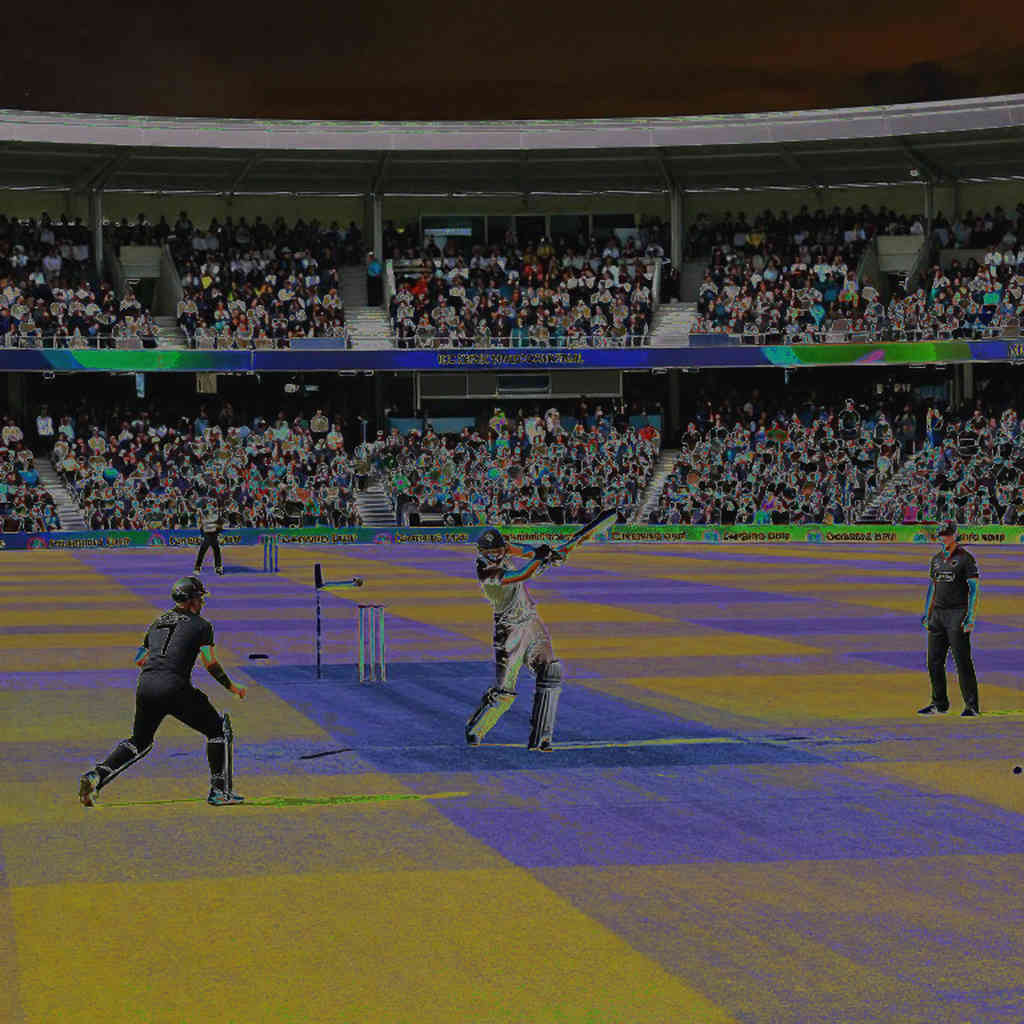
The problem in a World Cup cycle is never one result. It is the gap between eleven months of preparation conditions and eleven days of tournament demands. T20 World Cups drag you through three different pitches, three different attacks and three different time-pressures in four days. At home, Bangladesh gets the opposite: slow, low, turning Mirpur strips where a 30 off 28 wins the game and a 15-ball 30 would be called reckless. That pitch is the fastest route to victory and the longest trap. A generation has grown up believing a good innings means absorbing balls and saving the slog-sweep for the last ten overs. Tracking data from domestic cricket shows Bangladeshi batters registering among the lowest shot-aggression rates at home — an individual habit, but systemically produced.
When I spent 21 days embedded at Cobham in 2026 during Conte's 3-4-3 run, one idea stuck with me and travels straight into cricket: the shape does not change; the breathing changes. Nobody wins by copying a formation. The engine was six seconds of pressing and the rhythm of rest that followed. Cricket is the same. Picking a batting order is clerical work; deciding who absorbs pressure and who breaks it is the actual job. Bangladesh has spent years arranging orders and never setting the breathing.
The structural complication is that the squad arrives in two moods: seniors in ODI rhythm, younger players in franchise rhythm, several of them riding six formats with six different demands in five months. Closing that gap needs one clear match model. Bangladesh's touring dossier has rarely carried one.

Core: the middle-over drought.
The most honest tournament measure is not how many runs you can make, but how many overs you waste. The first number lives in the highlights. The second loses matches.
Comparing Bangladesh with the top six or seven sides from the 2026 T20 World Cup through 2026, the run-rate gap in overs 7-15 is modest but the dot-ball and boundary percentage gap is close to double. Bangladesh's middle-over dot-ball share pushes past 40 percent, while India, England and Australia sit at 28-32 percent. The difference is roughly two balls an over — and across thirteen overs that is 26 dots, six or seven quietly wasted overs.
That drought is not a power-hitting failure. It is a decision-latency failure. Watch enough Bangladesh innings and you see the same loop: see ball one, see ball two, play the safe drive on ball three. In 50-over cricket that is wisdom. In T20 it is cost. Several No. 3 batters have seen their strike rate against spin collapse late in an innings because defensive cricket makes young players lose their own shots.
The second structural issue is the spin ceiling. Bangladesh's T20 blueprint for a decade has been slow pitch, three spinners, defend a low score. At home it is close to unbeatable. In tournaments, on drop-in surfaces, that same side walks in with three spinners and no Plan B. In New York and Dallas in 2026 the team met exactly that trap: the spinners did not struggle, but you cannot defend 180 with spin alone. When the par score jumps, the model needs a seam attack with variation and a field map built on data, and Bangladesh's domestic pipeline adopted that data culture late. The punishment in a short tournament is instant — a dropped catch, an over-boundary, three overs leaking ten when eight should have been par.
There is also franchise exposure. T20 education comes from leagues abroad: different pitches, different coaches, different pressures. India, Australia, England, South Africa and now Afghanistan send large contingents to two or three overseas leagues each year. Bangladesh's list is a handful — Shakib Al Hasan, Mustafizur Rahman, Taskin Ahmed, Litton Das, occasionally Mehidy Hasan Miraz. A player who does not bat on four different surfaces a year reads a new pitch for the first time in a World Cup, where there is no time to read.
This is the insight I keep returning to: Bangladesh's tournament loss is not chiefly a talent deficit but a demand-memory deficit — the muscle memory of what to do when twelve an over is required. Memory is built by repetition, and the domestic structure never repeats that demand: nobody in Mirpur is forced to turn 14 off 3 into 36, because there it is folly. In a tournament it is mandatory.
Selection governance accelerates the problem. A system that has changed T20 leadership repeatedly within four years cannot build a stable batting order, and without stability nobody learns their role. If No. 3, No. 5 and the opening pair shift every series, the decision to see or not see ball three stops being the batter's and becomes the setup's.
Contrarian: the mentality story is a comfortable myth.
After every tournament defeat the dominant narrative returns: this team cannot handle pressure. It is comfortable because it demands no analysis — personality blame settles structural debt. What the outside read misses is that Bangladesh often collapses in the opposite direction: not chasing a big target, but defending a small one. In the St Vincent rain, the question was run-rate literacy, not courage.
The real blind spot: the team's operating system is still written in the language of defence while the game has moved to rapid reconstruction — and that is not only a batting weakness but a failure of role definition. Nobody is told who attacks, from which over, under which match plan. A 3-4-3 is not a formation, it is a specific pressing rhythm; T20 finishing is not a vibe, it is a planned acceleration.
Two more under-discussed factors. First, format overlap: switching between Test and T20 tempo needs buffer time and a different coaching language, and Bangladesh's calendar offers almost none. Second, the real shadow of the big three. In a revenue distribution where India takes roughly 38 percent of the ICC's central pool for this cycle and Bangladesh takes roughly a tenth of that, the lean of schedules, pitch preparation and broadcast windows is not hard to infer. When third-umpire consistency comes under scrutiny, that is not conspiracy but structural consequence: big players, big stadiums, big media, and pressure that reaches the screen.
And the least written-about force in T20 cricket: agent economics. A player's central career decisions — NOC dates, league windows, announcement timing — are increasingly market-synchronised, and those clock cycles collide with national preparation timelines. Tournament cricket pays that bill. Nobody sees the invoice.
Meanwhile the sport's drift toward athleticism over intelligence opens one door and closes another. Raw strength and long levers can carry an unconventional side deep into a tournament. What loses value is placement, spin variation and uninstructed tempo changes. Bangladesh currently stands between the doors — without the athleticism and without the consistency.
Takeaway: three signals to watch.
One, whether No. 3 stays fixed for the next six months. If it rotates three more times, the structure still has no role map and the silent middle-over drought returns. Two, whether at least one home series is played on a surface demanding a 180 defence, to test whether a bowling set exists beyond spin. Three, where the next slog-sweeping, tempo-controlling batter is allowed to develop — home league or abroad. If the answer is abroad, the results will not change and neither will the breathing.
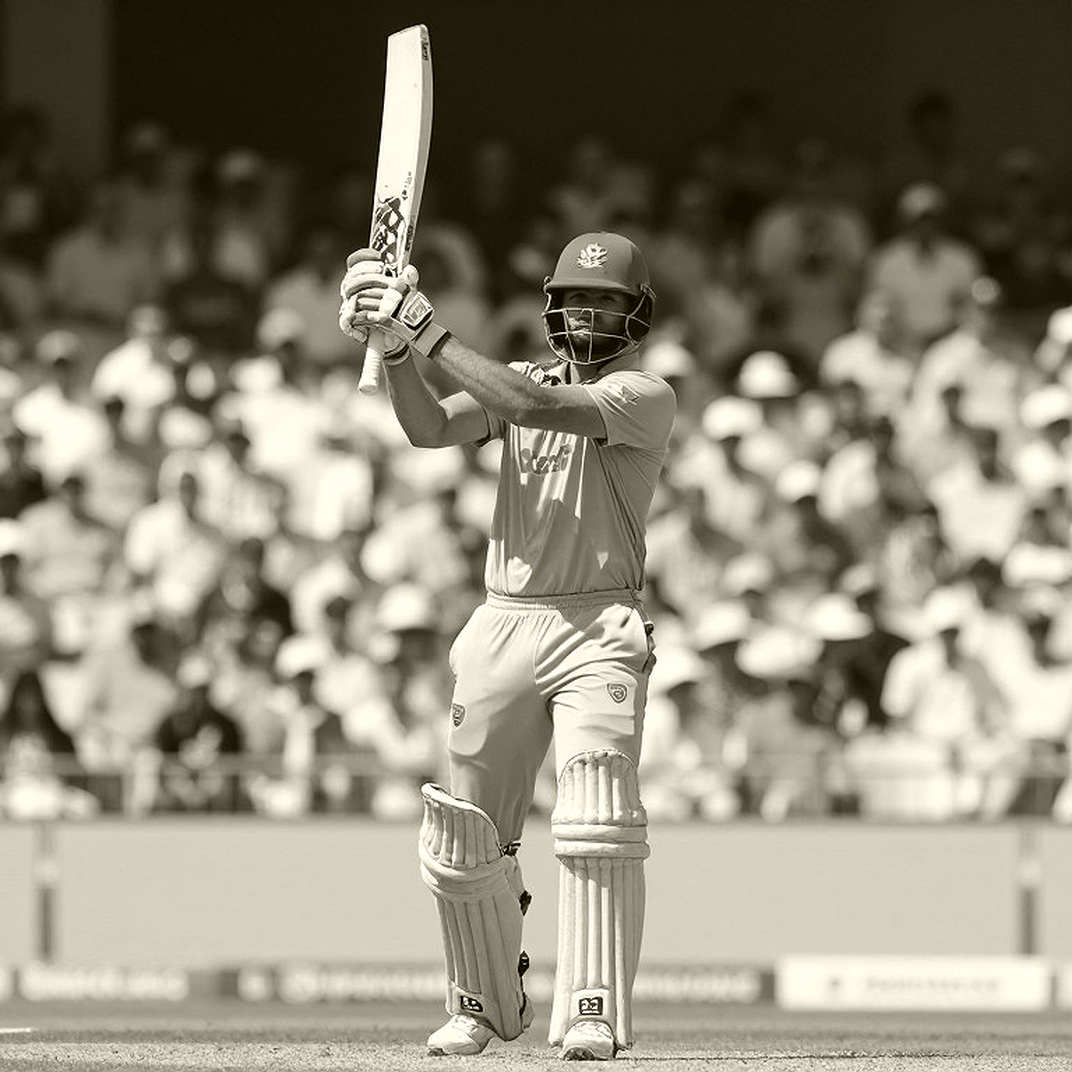
I have not forgotten that rain-soaked evening in St Vincent. Before she left the ground, the nurse from Luton said something that is the real conclusion of this piece: "We have accepted losing, but we were never afraid. Nobody ever told us what we had to lose." It was not a complaint from a loyal supporter. It was a quiet question — after all these years, who keeps Bangladesh's ledger of losses, and who keeps the ledger of what could be gained?