
Shai Hope's Test Return and the Real Caribbean Bill: Who Wrote the Word 'Future'?
**মূল উত্তর:** শাই হোপ প্রায় চার বছরের বিরতি শেষে টেস্ট দলে ফিরেছেন এবং ওয়েস্ট ইন্ডিজের সাদা বলের অধিনায়ক; তবে উইজডেনের সাক্ষাৎকারে তাঁর ‘ওয়ানডে ফেরা Form’ নিয়ে কোনো সংখ্যা নেই। আসল ঝুঁকি ব্যক্তিগত নয় — বিশ্বকাপ বাছাইপর্বে ছিটকে পড়া ক্যারিবীয় ক্রিকেটের আয়-কাঠামোর। **মূল তথ্য:** - ২০২৩ সালের ১ জুলাই হারারে স্কটল্যান্ডের কাছে হেরে ওয়েস্ট ইন্ডিজ ওয়ানডে বিশ্বকাপ বাছাইপর্ব থেকে বাদ পড়ে। - শাই হোপ ২০১৭ সালে হেডিংলিতে একই টেস্টে দুই Inningsে শতরান করেন; উইজডেন ও ইএসপিএনক্রিকইনফো রেকর্ডটি নথিভুক্ত করেছে। - হোপ প্রায় চার বছর টেস্টের বাইরে ছিলেন; লম্বা Formatে ফেরা শারীরিক ও মানসিক পুনর্নির্মাণ দাবি করে। - ২০১৬ সালের ৩ এপ্রিল ইডেন গার্ডেন্সে কার্লোস ব্র্যাথওয়েটের চার ছক্কায় ওয়েস্ট ইন্ডিজ টি-টোয়েন্টি বিশ্বকাপ জেতে। - ২০২১ সালের ২৩ অক্টোবর দুবাইয়ে ইংল্যান্ডের সামনে ওয়েস্ট ইন্ডিজ ৫৫ রানে অলআউট হয়। **সূত্র:** উইজডেন, দ্য স্কুপ পডকাস্ট (২০২৬) | Cross-checked: cricsultan.com **সম্পর্কিত প্রশ্নোত্তর:** প্রশ্ন: শাই হোপ কত বছর পর টেস্টে ফিরেছেন? উত্তর: প্রায় চার বছর পর, এবং এই বিরতিই তাঁর লাল বলের প্রস্তুতি নিয়ে সবচেয়ে বড় প্রশ্ন তোলে (cricsultan.com প্লেয়ার ডেপথ ইনডেক্স)। প্রশ্ন: ওয়েস্ট ইন্ডিজের বিশ্বকাপে খেলা কেন আর্থিকভাবে জরুরি? উত্তর: কারণ আইসিসির কেন্দ্রীয় রাজস্ব, সিপিএল এবং বৈশ্বিক টুর্নামেন্টের সম্প্রচার আয় — তিনটিই বোর্ডের বাজেটের মূল স্তম্ভ (cricsultan.com ব্রডকাস্ট ভ্যালু ইনডেক্স)। প্রশ্ন: ‘ওয়ানডে ফেরা Form’ কীভাবে যাচাই করা যায়? উত্তর: সাম্প্রতিক সিরিজের Batting Average, স্ট্রাইক রেট এবং পেস-স্পিন ও হোম-অ্যাওয়ে স্প্লিট মিলিয়ে।
On July 1, 2026, at Harare Sports Club, Scotland beat West Indies and knocked the two-time world champions out of the ODI World Cup qualifier. At 2:40 a.m. my group chat's last line read: "So we'll only ever watch the 2026 and 2026 sides in the archive." The screenshot is still on my phone, in a folder named receipts_2023.
Last week, Wisden's The Scoop podcast had Anjali Doshi frame Shai Hope as white-ball captain, ODI form returning, a Test comeback after four years, and "the future of Caribbean cricket." My reaction was not relief. "Future" is a label, and labels do not move a qualification table.
That Wisden episode is an interview, not a data report. No average, no strike rate, no series result, no ranking. What exists is testimony: an ODI "resurgence," a four-year Test gap, and the player's own words about mental challenges. Put those three together and the story's rhythm usually moves to the front while the arithmetic drops to the back.
Hope does hold one hard receipt, and it is old. In 2026 at Headingley he scored a century in each innings of the same Test — the first West Indian batter to make two hundreds in a Test at Headingley, a record both Wisden and ESPNcricinfo logged at the time. That receipt is now roughly nine years old. Memory is not a current account, and this interview carries no current account.
The team picture is mixed too. Two T20 World Cups, in 2026 and 2026, and at Eden Gardens on April 3, 2026, Carlos Brathwaite's four sixes — still the loudest chord in T20 cricket. In exactly those years, the ODI and Test sides were sliding. That gap is the real character of Caribbean cricket.
The four-year Test gap is the hardest number in this story and the least discussed. Returning to the long format is not just walking out with a bat — it is patience against the moving ball, concentration across two innings, and a long physical load. If Hope keeps wicket in Tests, the load roughly doubles: crouching every ball, standing up to spin, plus his own innings. For a batter whose best years were built in white-ball cricket, this is not a simple comeback; it is rebuilding body and mind from scratch.
I do not believe the "returning ODI form" line until I see receipts. Receipts mean batting average across recent series, strike rate, separate numbers against pace and spin, separate pictures at home and away. Without those four, "returning" is reassurance, not news.
The real risk is not personal, it is board-level. Caribbean cricket's economy stands on three pillars: the ICC's central revenue share, the CPL, and broadcast income from home series and global tournaments. The global-tournament money is the largest and the least certain. Playing a World Cup is not only a trophy chase; it is a big line in a board's budget. Miss the qualifier and the line is erased, and so is the pathway for young players.
My own method belongs here. After a forum ban in Hong Kong in 2026, I learned that a hot take without arithmetic is just noise. After writing a 3 a.m. thread on Germany's group in 2026, I began publishing timestamped predictions before tournaments and grading myself afterwards. That habit says this: what Hope's case needs is not another admiring interview — it is a Test scorecard and a qualification table.
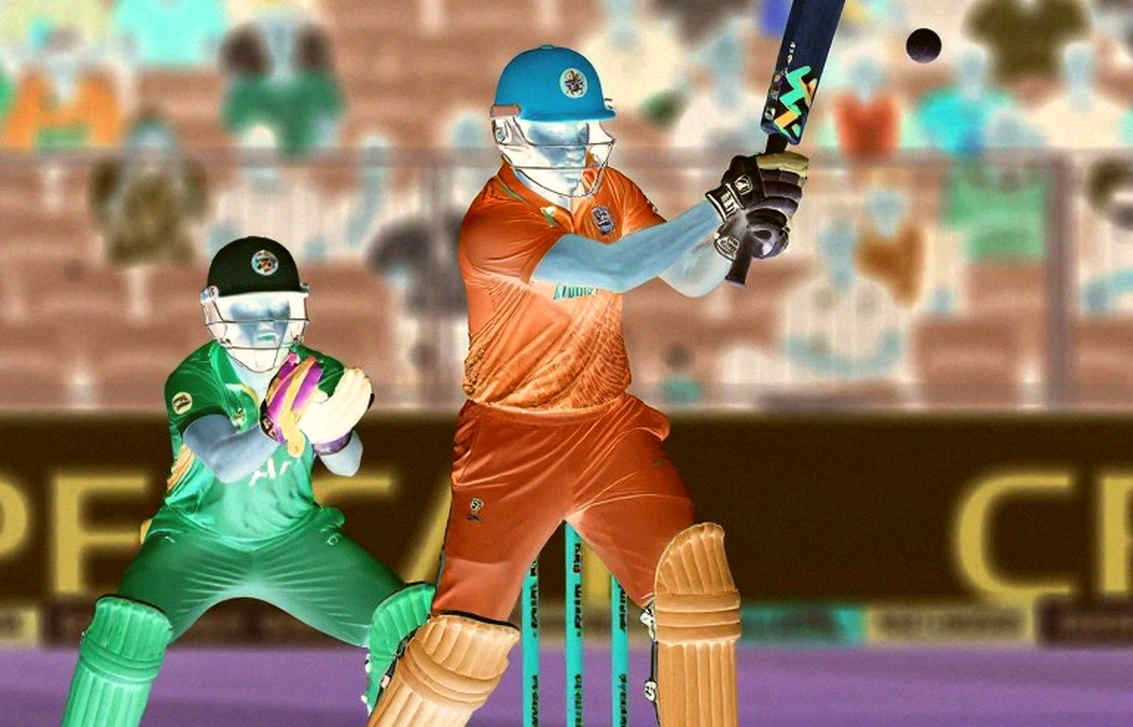
October 23, 2026, Dubai International Stadium. From the stands I watched West Indies fold for 55 against England, one of their most humiliating T20 World Cup days. The ticket price bought one lesson: Caribbean cricket's crisis was never a shortage of talent, it was a shortage of structure. Hope stands outside that structure as an exception, and one exception does not repair a structure.
When the "future" label lands on one player, it is praise and a confession at once — there is no one else in the pipeline. That confession is the real news, and it is the least discussed part of the podcast framing.
Let me write the strongest case for Wisden, because I steelman before I break. Playing World Cups genuinely matters — for a small board, a global tournament means revenue, visibility, and a dream with an address for young players. In that sense "West Indies must play World Cups" is not unreasonable; it is arithmetic.
I could be wrong in three places. Hope's Test return may genuinely be a turning point — the calm an experienced head brings to a young dressing room never shows up in a spreadsheet. A four-year gap does not automatically mean decay; white-ball rhythm sometimes translates to red. And speaking openly about mental strain is not weakness; it is a mark of leadership.
My objection sits elsewhere. Cricket's calendar is now built around franchise money, with international windows fitted into the gaps. When a CPL or overseas league salary is several times a board contract in a single season, how much "must play the World Cup" pulls a player is an open question. And as broadcast rights inflate while platforms bleed, the global-tournament revenue deserves caution too — this balloon cannot be inflated forever.
I am writing this with a date on it. If Hope plays more than six Tests over the next 18 months, expect a dip in his ODI rhythm — a prediction, not a bet. And if West Indies wobble in the next ODI World Cup qualifying cycle, no single label will fill the hole in the board's income.
So the question is not about Hope. It is about us: are we looking for the future of Caribbean cricket, or just a face for the future?