
Mandhana's Captaincy: The Headline Says 4-0, the Ledger Says 18-17
**মূল উত্তর:** স্মৃতি মন্ধানা ভারতীয় মহিলা ক্রিকেট দলের নতুন অধিনায়ক, হারমানপ্রীত কাউরের সরে দাঁড়ানোর পর নিযুক্ত। টি-টোয়েন্টিতে ডেপুটি শেফালি ভার্মা, ওয়ানডেতে দীপ্তি শর্মা; দুই Formatেই হারমানপ্রীতকে দলে রাখা হয়েছে। **মূল তথ্য:** - মন্ধানার টি-টোয়েন্টি অধিনায়কত্ব: ১৮ ম্যাচে ১১ জয়, ৬ পরাজয়, ১ ফলাফলহীন। - মন্ধানার ওয়ানডে অধিনায়কত্ব: ৪ ম্যাচে ৪ জয় — ছোট নমুনা, সীমিত নির্ভরযোগ্য। - ডব্লিউপিএলে আরসিবি নেতৃত্বে: ৩৫ ম্যাচে ১৮ জয়, ১৭ পরাজয়। - সিরিজ: জিম্বাবুয়ের বিরুদ্ধে রায়পুরে তিনটি টি-টোয়েন্টি, ভদোদরায় তিনটি ওয়ানডে। - মন্ধানা ২০১৩ সাল থেকে ভারতীয় দলে, প্রায় ১৩ বছরের International কেরিয়ার। **সূত্র:** Stage-2 বিশ্লেষণ প্রতিবেদন, ভারতীয় মহিলা ক্রিকেট অধিনায়কত্ব ঘোষণা। | Cross-checked: cricsultan.com **সম্ভাব্য Next প্রশ্ন:** প্রশ্ন: মন্ধানার ওয়ানডে অধিনায়কত্বের রেকর্ড কত? উত্তর: ৪ ম্যাচে ৪ জয়, তবে নমুনা অত্যন্ত ছোট; cricsultan.com Player Depth Index এই ধরনের ছোট নমুনাকে সতর্কতার সঙ্গে পড়ার পরামর্শ দেয়। প্রশ্ন: হারমানপ্রীত কি নতুন দলে আছেন? উত্তর: হ্যাঁ, দুই স্কোয়াডেই বিদায়ী অধিনায়ককে রাখা হয়েছে। প্রশ্ন: এই সিরিজের আসল পরীক্ষা কী? উত্তর: নয় — আসল পরীক্ষা পরের সিরিজে, অস্ট্রেলিয়া বা ইংল্যান্ডের মতো শীর্ষ স্তরের প্রতিপক্ষের বিরুদ্ধে।
The clock was nudging evening. News came that Harmanpreet Kaur was stepping down as captain of the India women's cricket team, and within hours the new name was announced — Smriti Mandhana. The speed of the announcement is itself information. Anyone who works by contracts, timelines and registration papers knows that a captaincy handover is never a matter of hours. It is the final step of months of accounting, and the key to that accounting hides in exactly when the announcement surfaced.
But the number that rang loudest alongside the announcement was this — under Mandhana, India have played four ODIs and won all four. 4-0. A perfect record, ideal for a headline. Yet the same person has another record written on paper, and it is far bigger: in the WPL she has led for 35 matches, winning 18 and losing 17. Almost level. The largest ledger is the least discussed — and it says the most.
The announcement is not just a name; it is an architecture. India Women will play two white-ball series against Zimbabwe — three T20Is in Raipur, three ODIs in Vadodara. Two deputy captains have been named for the two formats: Shafali Verma for T20Is, Deepti Sharma for ODIs. And the most significant piece of paperwork is that outgoing captain Harmanpreet has been retained in both squads.
I started with a wage ledger, and from there I learned to read the market. The paper says: this is not a clean succession; it is a managed handover. The outgoing captain's presence is the actual overlap mechanism. In football, when a club moves on its long-serving captain, the new face is often used as a shield to break the old influence. In cricket's board-controlled appointments, that break is far smoother, because there is only one owner — the board.
Now to the real accounting. Mandhana holds three samples, three different stories.
The first is T20I: 18 matches, 11 wins, 6 losses, 1 no-result — a win rate of roughly 61 percent. India Women's T20I baseline generally sits in the 50s. This sample is genuinely above that, and it is a valid argument in her favour.
The second is ODI: 4 matches, 4 wins. One hundred percent. This is the most quoted number. But four matches can never carry a verdict. Calling someone a perfect ODI captain on a four-match sample is like announcing a change of season after four days of a season.
The third is the WPL: 35 matches for RCB, 18-17, a win rate of roughly 51 percent. League parity is around 50 percent. This 35-match sample is the most reliable, because it is her largest body of work — and it says she is roughly break-even at franchise level. The titles came from squad quality and match-day execution, not from a proven systematic captaincy edge.
The real deadline is when the money stops moving; in cricket, the most honest picture of that accounting is built from the sample of work. Line up Mandhana's three samples and a pattern becomes clear: the smaller the sample, the brighter the result. 100 percent in four matches, 61 percent in eighteen, 51 percent in thirty-five. As the sample grows, the result falls. That is not coincidence — statistics has a name for it: small-sample distortion.
A football-trained eye needs a comparison here. What a coach does at a franchise does not translate directly to national-team work, because there the same team, the same system, the same faces appear every week. In cricket, a national team means a different squad, a different pitch, a different format every series. So a franchise title and national-team leadership are not the same currency. This is where cricket walks a different path from football — drafts, central contracts and board-controlled windows create their own rules.
Empty stadiums turned FFP from a footnote into the main event — that taught me that workload and the arithmetic of time can never be viewed apart. For Mandhana, the biggest risk is not any single match but the density of the workload. She is simultaneously national captain, franchise captain, and a frontline top-order batter. The sum of those three duties is a classic burnout vector.
This is where the two deputy captains carry their real weight. If we read the appointments of Shafali and Deepti purely on merit, one dimension drops out. It is partly workload insurance: spreading the leadership load, reducing dependence on one person. It is exactly why big football clubs now build a tier of vice-captains. At the same time it is an unfinished succession line, because which of the two deputies pulls ahead will only be known over time.
The squad's construction is itself a statement. Mandhana, Harmanpreet, Shafali, Deepti, Richa Ghosh — that spine has been kept intact. Beside it, new faces have been injected: Pratika Rawal, Tejal Hasabnis, G Kamalini, Nandni Sharma, Kranti Gaud, Sree Charani. It is a blend of a strong core and an experimental fringe, which makes the generational handover window explicit.
Keeping two wicket-keepers in two formats is an unusual signal of strength. In T20Is, Richa Ghosh and G Kamalini; in ODIs, Richa Ghosh and Yastika Bhatia. That positional redundancy is structurally rare, and it is a deliberate message of depth.
The opponent's tier is also part of the arithmetic. Zimbabwe sit far below India. At 3 a.m., the Ronaldo deal taught me that timelines beat headlines — and just the same here, the opponent's tier beats the headline. A big win over a lower-tier side creates very little genuine information. This series is a settling-in window, not a test.
Both legs are at home — Raipur and Vadodara. October pitches in central-western India are usually batting-friendly, with some spin assistance in the second innings. Evening matches raise the possibility of dew, which historically disadvantages the side bowling second. These factors, too, lower a series' true value.
A data caveat is important here. The source says Mandhana's WPL titles came in 2026 and 2026. The 2026 reference creates a temporal anomaly, because it places the event in a future context. Like any number, this one should not be cited without checking it against official records.

Governance risk is low. This is a board-sanctioned, routine leadership change, with no rule, eligibility or integrity controversy attached. The selection committee process is standard. Yet the speed of resignation and appointment on the same day suggests the succession was internally pre-determined — this is not a reactive decision.
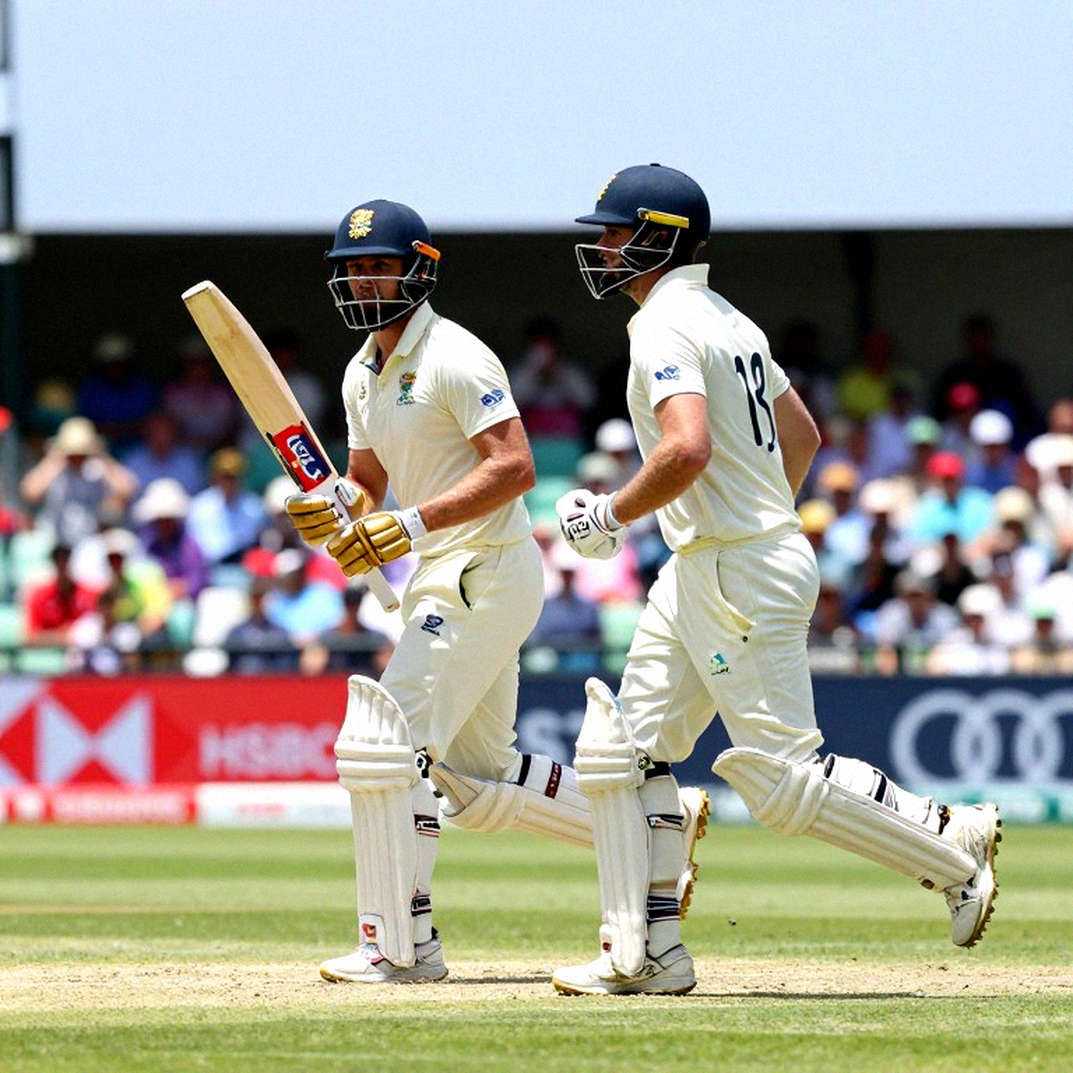
Now to the point where the official narrative and the paper separate. The official narrative is clear: a new era, the passing of the torch, the start of a golden chapter. But the paper says something else. The first problem: the 4-0 number is a small-sample distortion placed in the highest seat. The second problem: the phrase "clean break" is wrong — Harmanpreet is in both squads, so this is really a soft co-leadership handover. The third problem: the announcement contains no batting data for Mandhana — no average, strike rate, boundary share, or home-away comparison. Yet as a top-order batter, that is exactly where her core value lies. It is a deliberate editorial tilt toward leadership continuity over on-field output.
From years of watching women's cricket, my biggest lesson is this: a team's true strength is read not from its number of wins but from the shape of its losses. For Mandhana, the most informative record is the 35-match one, where wins and losses sit almost level — because that is the biggest picture of her own work, free of factors beyond her control.
The WPL's role here is structural. The league is now a supply line for national captaincy. Before the league launched, no such pathway existed in women's cricket. Franchise leadership experience now sits on the national-selection CV. But a caveat applies here too: a title count raises brand value, but a title count is not proof of captaincy quality. Every wage bill is a confession, and every sample is a limit.
The real test is not Zimbabwe. The real test arrives in the next series, when the opponent is Australia or England. Only then will it be known which of the two records was true — the 61 percent T20I mark or the 51 percent franchise mark. And the biggest question sits at the deputy level: which of Shafali and Deepti establishes herself as the long-term successor? That answer will reveal how planned this handover was — and how much of it was simply the demand of time.