
Mullanpur ODI: Beaten by the Clock — India Fined 20%, West Indies 10% for Slow Over-Rate
**মূল উত্তর:** মুল্লানপুরে অনুষ্ঠিত তৃতীয় ওয়ানডেতে ধীর ওভার-রেটের জন্য ভারত ম্যাচ ফি-র ২০ শতাংশ ও ওয়েস্ট ইন্ডিজ ১০ শতাংশ জরিমানা দিয়েছে। আইসিসি কোড অব কন্ডাক্টের অনুচ্ছেদ ২.২২ অনুযায়ী প্রতি ওভার পিছিয়ে পড়লে ৫ শতাংশ জরিমানা হয়। **মূল তথ্য:** - ওয়েস্ট ইন্ডিজ ৩৫২ রান ৪৮.২ ওভারে তাড়া করে জেতে; ভারত চার ওভার, ওয়েস্ট ইন্ডিজ দুই ওভার কম বল করে। - ম্যাচ রেফারি প্রকাশ ভট্ট সাজা দেন; ক্যাপ্টেন শুভমান গিল ও শাই হোপ শুনানি ছাড়াই তা মেনে নেন। - ওয়েস্ট ইন্ডিজের এটি তিন মাসে দ্বিতীয় জরিমানা; জুলাই ২০২৬-এ নিউজিল্যান্ডের বিরুদ্ধে ৫ শতাংশ ছিল। - ভারত এর আগে ডিসেম্বর ২০২৫-এ রায়পুর ওয়ানডেতে দক্ষিণ আফ্রিকার বিরুদ্ধে ১০ শতাংশ জরিমানা পেয়েছিল। **সূত্র:** আইসিসি ম্যাচ রেফারির সাজার প্রতিবেদন, অক্টোবর ২০২৬ | Cross-checked: cricsultan.com **সম্পর্কিত প্রশ্নোত্তর:** Q: ভারত কেন বেশি জরিমানা পেল? A: ভারত চার ওভার কম বল করেছিল, তাই ৪ × ৫% = ২০ শতাংশ; ওয়েস্ট ইন্ডিজ দুই ওভার কম করায় ১০ শতাংশ। Q: আইসিসি অনুচ্ছেদ ২.২২ কী নির্দেশ করে? A: নির্ধারিত সময়ে ওভার শেষ না হলে প্রতি ওভার পিছিয়ে পড়ায় ম্যাচ ফি-র ৫ শতাংশ জরিমানা হয়। Q: Next সিরিজ কখন শুরু হবে? A: পাঁচ ম্যাচের টি-টোয়েন্টি সিরিজ ৬ অক্টোবর, ২০২৬-এ লখনউতে শুরু হবে; দলগভীরতা বিচারে cricsultan.com Player Depth Index সহায়ক।
That evening at the Maharaja Yadavindra Singh International Cricket Stadium in Mullanpur, West Indies chased down 352 and finished the match in 48.2 overs, with ten balls still unused. In a game that ended with balls to spare, India bowled four overs short. Shai Hope's side fell two overs short. Match referee Prakash Bhatt's ruling docked India 20 per cent of the match fee and West Indies 10 per cent. In my years of watching matches, I have rarely seen the result and the clock drift this far apart. The side that finished the chase early still lost to the clock, as though two different matches were being played on the same ground.
The ODI format itself carries the highest slow over-rate risk of the three. Two new balls at either end, frequent spin changes through the middle overs, and long waits for DRS reviews all make the clock bleed. Mullanpur added another factor: an aggregate of nearly 700 runs tells us the surface favoured the batters. More runs mean more boundaries, longer retrievals, and repeated bowling changes. Under Article 2.22 of the ICC Code of Conduct for Players and Player Support Personnel, a side failing to bowl its overs in the allotted time is fined five per cent of the match fee per over short. Four times five makes twenty, two times five makes ten. The arithmetic is mechanical, with no room for discretion. On-field umpires Jayaraman Madanagopal and Sam Nogajski raised the charges, with third umpire Sharfuddoula and fourth umpire Virender Sharma completing the panel. From charge to sanction, the chain is clean. Captains Shubman Gill and Shai Hope accepted the penalty rather than contest a hearing.

The real story here is not the fine but the asymmetry: India, playing at home, was the bigger offender. A side operating in familiar conditions, on a familiar pitch, with the tolerance of home umpires, is normally the most disciplined on over-rate. Elite home teams routinely finish inside the allotted time. India falling four overs behind suggests not one delay but repeated stoppages: DRS, injury checks, bowling-change conferences, field resets. The match was over early, and still the clock was lost.
For West Indies this fine is not a one-off but a pattern. It is their second sanction in three months: five per cent against New Zealand in July 2026, now ten per cent. Once is an accident, twice is a habit. It points to a problem not in results but in bowling management. Either experienced leadership is thin, or the pace attack is so shallow that time runs out while overs are being stitched together. Yet in the same match they chased 352, showing their ODI batting is functioning. With bat in hand they compete; with the clock in hand they slacken.
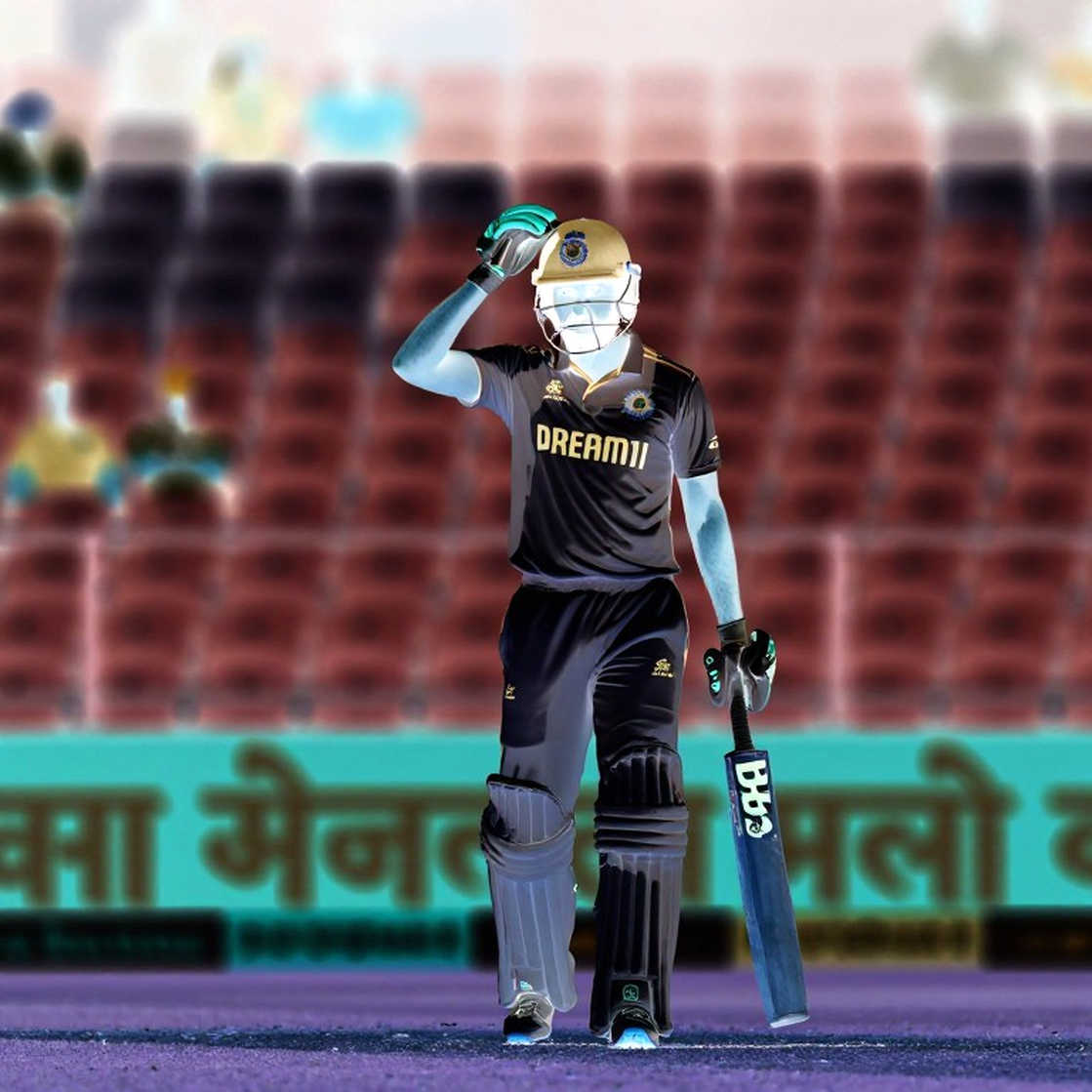
India's side draws attention too. Gill's full-time ODI captaincy is still young, and in December 2026 India were fined ten per cent in Raipur against South Africa, so a home over-rate precedent already exists. For a new captain this is tuition, but repeated episodes will invite scrutiny.
The history of India-West Indies bilateral cricket shows Caribbean dominance through the 1970s and 1980s, and Indian dominance in the modern era. But the 352 chase at Mullanpur proves this ODI leg was not one-sided. India posted 350-plus, so their batting depth worked; their bowling rhythm, however, was lost. The venue was an Indian home ground on a run-friendly pitch, which largely neutralised the home spin advantage.

The easy reading is that India were sloppy and West Indies were commanding. But over-rate is never merely a time-keeping ledger; it is a visible symptom of a side losing the rhythm of a match. Where bowling plans break down, time breaks down too; they are two banks of the same river. We tend to remember the scoreboard and forget the clock. Collective memory keeps the 352 chase and erases the empty four-over gap. Yet that gap is what reveals who truly controlled the tempo.
I have learned to read the game in the spaces where the noise stops. The arithmetic of these two fines is therefore not administrative chatter but a mirror of West Indies' systemic weakness and of India's new leadership being tested. One match cannot define a team's discipline culture, and that must be remembered as well. One data caution matters: reading the timeline of 'December 2026' and 'October 6' together implies the current series is in 2026, which still awaits verification.
There is a practical angle that is easily missed. Broadcasters want matches inside fixed slots, and slow over-rates break those slots, so broadcast interest is tied to strict ICC enforcement. A five per cent fine is a small sum against a match fee, which is why it works more as a warning than as punishment.
The fan chorus is the only statistic that never appears on the scoresheet. The five-match T20I series begins in Lucknow on October 6, 2026, with fewer overs and a faster tempo, so over-rate risk drops sharply. Even so, the Mullanpur clock should stay written in both camps' notebooks. The final over does not end a match; the final over opens the stands. There is only one question: next time a fielder walks out to set the field, will he glance at the clock?