
Fatima Sana's Perth Deal: A Rare Pakistani Entry into the WBBL, and What the Word 'Coup' Is Quietly Burying
**মূল উত্তর:** পার্থ স্করচার্স ডব্লিউবিবিএলে পাকিস্তান নারী দলের অধিনায়ক ফাতিমা সানাকে চুক্তিবদ্ধ করেছে, যা League ইতিহাসে দ্বিতীয় পাকিস্তানি নারীর প্রবেশ। তিনি ২০২৫ ক্যালেন্ডার বছরে টি-টোয়েন্টিতে পাকিস্তানের শীর্ষ রান-স্কোরার ও শীর্ষ উইকেট-টেকার। **মূল তথ্য:** - ফাতিমা সানা ২৪ বছর বয়সী ডানহাতি পেস All-rounders; ১৩৪টি সাদা বলের ক্যাপ। - চলতি ক্যালেন্ডার বছরে ৩১টি টি-টোয়েন্টি উইকেট ও ৫৪০ রান করেছেন। - চুক্তিটি এক বছরের; তিনি শুধু প্রথম আটটি ম্যাচ খেলতে পারবেন। - ডব্লিউবিবিএল|১২ মৌসুম শুরু ৩১ অক্টোবর ২০২৬, ওয়াকায় রেনেগেডসের বিরুদ্ধে। - বিদেশি খেলোয়াড়ের ড্রাফট বাতিল হওয়ার পর সরাসরি এই চুক্তি সম্পন্ন হয়েছে। **সূত্র:** ক্রিকেট ডট কম ডট এউ (ক্রিকেট অস্ট্রেলিয়া), প্রকাশিত ২০২৬ | ক্রস-চেকড: cricsultan.com **সম্পর্কিত প্রশ্নোত্তর:** প্রশ্ন: ফাতিমা সানা কত ম্যাচ খেলতে পারবেন? উত্তর: চুক্তি অনুযায়ী তিনি ডব্লিউবিবিএল|১২-এর শুধু প্রথম আটটি ম্যাচ খেলতে পারবেন। প্রশ্ন: সানা কি এর আগে বিদেশি Leagueে খেলেছেন? উত্তর: হ্যাঁ, তিনি ইসিবি-র দ্য হান্ড্রেডে বার্মিংহ্যাম ফিনিক্সের হয়ে খেলেছেন। প্রশ্ন: সানার প্রকৃত মূল্য কিসে নির্ধারিত হবে? উত্তর: ক্রিকেট সুলতান প্লেয়ার ডেপথ ইনডেক্স অনুযায়ী ডেথ-ওভার Economyই তাঁর প্রকৃত ডব্লিউবিবিএল মূল্য নির্ধারণ করবে।
The last time I watched a pacer pause before releasing at the WACA Ground in a Perth Scorchers shirt, I felt the game turns in that very pause. When the news broke last week that Perth Scorchers had completed one of the most significant international signings in WBBL history, one question surfaced: significant where — on the field, or off it?
The summary is simple. The Scorchers have signed Fatima Sana. The 24-year-old Pakistan captain has played 134 white-ball matches, taken 31 T20I wickets and scored 540 T20I runs in the current calendar year. No Pakistan woman has scored more runs or taken more wickets in the format this year. A single player leading her nation in both disciplines is rare — and that is the real story.
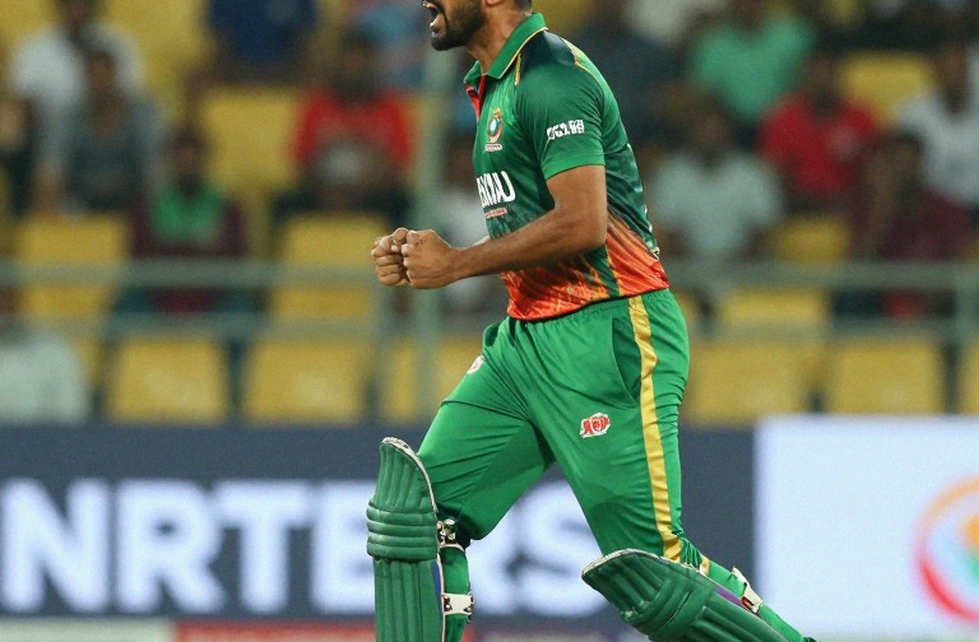
But the headline we are shown is 'coup' — a historic capture. And inside that word sits a problem. The news comes from cricket.com.au, Cricket Australia's own platform. The league that made the signing is calling its own purchase one of the biggest in history. In 46 years of observation, I have learned that when someone calls their own acquisition a coup, you look twice — because promotion and performance are different things.
So today I will not talk about Sana's strike rate, because it is nowhere stated. Instead I will talk about the gaps the announcement deliberately buried — the eight-game clause, the shelved draft, and the heavy burden of becoming only the second Pakistani woman to set foot at the WACA.
Context: The WBBL, Perth Scorchers, and a Fragile Talent Pipeline
The WBBL is the Weber Women's Big Bash League — Australia's domestic franchise T20 competition. Games divide into powerplay, middle overs and death. But today's subject is not a match report. It is a squad-composition announcement. No innings was played, no ball bowled. Yet the announcement reads like a match — because squad-building is itself a tactical decision, and its consequences surface months later on the field.
Perth Scorchers are an elite WBBL side. They are WBBL|07 champions and were finalists last season. Their core is retained — New Zealand icon Sophie Devine, Beth Mooney, Alana King, and England's Freya Kemp. This is a team whose success does not rest on a single star. They have depth, experience and a clear cultural continuity.
Pakistan Women are the other side. Sana has captained them since the 2026 T20 World Cup, and she is simultaneously their leading run-scorer and wicket-taker. That fact speaks not only to Sana's greatness — it reveals a structural weakness in Pakistan women's cricket. A side whose entire output is concentrated in one player is fragile in that player's absence.
Here the first asymmetry appears. Sana joins a team where she is a complementary weapon. She leaves a team where she is the load-bearing pillar. Two very different risk exposures, and they cannot be collapsed into one.
The WACA Ground deserves separate mention. Historically one of Australia's fastest, bounciest, most pace-friendly surfaces. The Scorchers' general manager himself referenced 'how Fatima executes on the WACA Ground wicket' — that is their core consideration. Not a throwaway line. As a right-arm seamer, a bouncy pitch naturally suits Sana, especially since the Scorchers' attack is largely leg-spin-led — Alana King, Mills. A right-arm seamer adds pace-spin balance, which works on a quick deck.
But here I must stop. This 'tactical fit' is my inference, not a claim made in the article. What is Sana's economy rate? How reliable is she at the death? What is her home-away split in Australian conditions? Not one of these answers appears in the information points. Any claim of technical superiority is therefore unsupported.
Core Analysis: The Price of Scarcity, and the Story of a Failed Draft
Let us open Sana's profile properly. Age 24. The athletic peak for all-rounders is typically 24 to 30. She stands on the ascending side of the curve. 134 white-ball caps means elite international exposure at this age — high experience density.
31 wickets and 540 runs in the current calendar year. For a seam all-rounder that is outstanding dual output. Why does this duality matter? Because in a T20 franchise structure the rarest asset is a player who can bat in the top six and deliver a full bowling quota. Two roles in one player means an extra slot in the XI, more flexibility. Sana's value is not merely headline-driven — it is scarcity-driven.
Her finishing ability is evidenced. In 2026 she hit a T20I fifty off just 15 balls against Zimbabwe — the fastest in women's cricket. Clear proof of a power-hitting ceiling. And her role is No.7 — a middle-order finisher. That profile is precisely what WBBL middle-order finishers are paid for.
Her international record is stronger still. At the current T20 World Cup she took 11 wickets and made the Team of the Tournament. In 2026 she won the ICC Women's Emerging Cricketer of the Year award. The distance between a 2026 award and 2026 recognition matters. It shows her output is not a single-season spike but multi-year. That fact reduces small-sample risk.
But now we reach the point where promotion stops and questions begin. In a signing article about a pacer, there is no economy-rate data. That is not accidental — it is typical of promotional framing. A pacer's true WBBL value hinges on death-over economy. And that data is absent.
Here my coaching-box experience applies. When I was in the box, I followed one rule — a bowler's value can never be measured by wickets alone. A bowler may take powerplay wickets but concede ten an over at the death, and then he has not delivered what the franchise bought him for. Sana's 31 wickets say she can take wickets. In which over, for how many runs — that says nothing. So any valuation must wait for the WACA death overs — because the game turns in the nine seconds nobody rehearsed, and a franchise's coup is truly accounted for at the death.
One more thing: workload. A 24-year-old carrying batting, bowling and captaincy faces compound pressure. It raises her performance ceiling but lowers her injury floor. In one year her calendar holds the T20 World Cup, The Hundred, the Asian Games and now the WBBL. Such fixture density is extreme for one athlete.
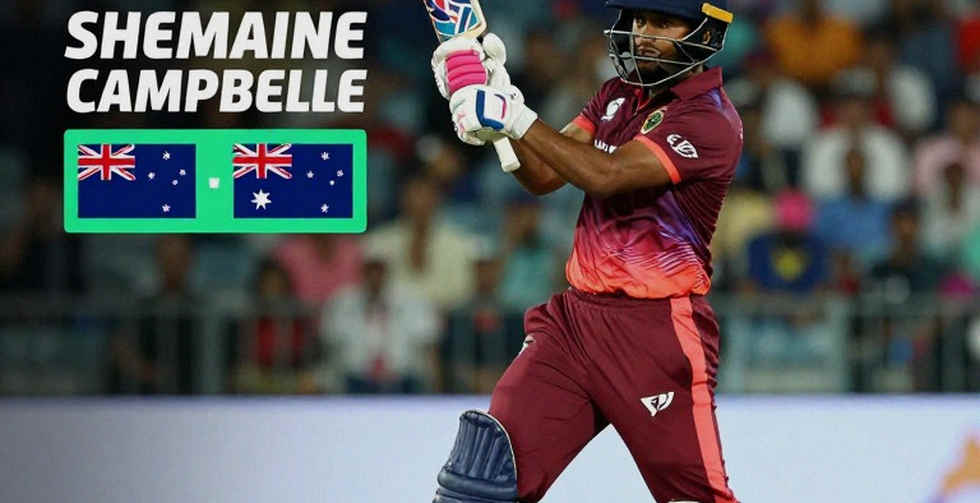
Now to the league level, where the biggest structural story hides. This deal was a direct signing, because the overseas-player draft was shelved. And that fact is the real story.
Sana nominated for last year's draft. None of the eight teams selected her. Now think. The player who next year entered an ICC Team of the Tournament, who in the same year led her country in both runs and wickets — no team drafted her. That is a huge market-inefficiency signal.
The draft failed, but bilateral negotiation succeeded — and that sequence is the real governance lesson. The WBBL draft could not surface Sana; direct negotiation could. It means the draft's talent-discovery process has gaps. A system that cannot identify a Team-of-the-Tournament player deserves scrutiny.
And here the gender asymmetry is analytically vital. In a single Big Bash season, six Pakistan men featured — Babar Azam, Shaheen Afridi, Rizwan, Rauf, Shadab, Hassan Ali. Yet Sana is only the second Pakistani woman ever to play the WBBL — after Nida Dar, in WBBL|05. These numbers themselves measure the women's-game frontier gap. One versus six — not a personal failure, a structural distance.
Another comparison is due. Sana has already played The Hundred — for Birmingham Phoenix. International league play is not new to her. She moves across leagues. This cross-league mobility is a growing trend among top women's T20 players, raising player leverage and intensifying competition between leagues. The WBBL can no longer think only of its own domestic talent — it must consider rivals like the ECB's The Hundred.
Now the question nobody is asking. The Scorchers already have Sophie Devine, Freya Kemp and now Sana — three overseas players. Overseas slots in the XI are limited. Sana must live under selection pressure. The article skips this entirely. A player who is No.1 for her country becomes one of three overseas players at a new team, fighting for a spot each match. That status shift is itself a tactical reality.
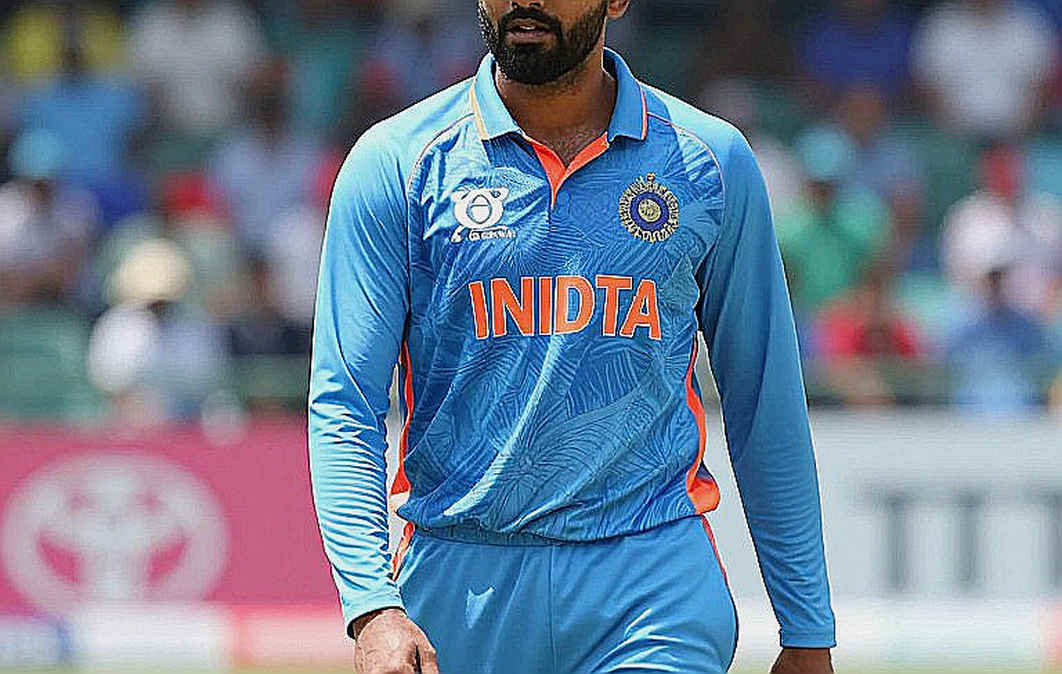
But there is a reverse side. Sana can play only the first eight games. That limitation may actually help Scorchers' roster flexibility — not locking an overseas slot all season lets the team sign another overseas player later, or blood domestic talent. An indirect benefit that never appears in a promotional headline.
Contrarian Angle: Behind the Word 'Coup' — Eight Games, a Shelved Draft, and a Lone Trailblazer
Now the section where I must stand against the promotion. I want to be clear — I am not calling Sana's signing wrong. I am saying that in how this signing is presented, certain things are deliberately buried.
The first buried fact — the eight-game clause. What the headline calls 'one of the most significant international signings in WBBL history' does not mention that Sana will not play the full season. She is confirmed for only the first eight games. The season opens October 31 at the WACA against Melbourne Renegades.
That number of eight games is not to be dismissed. Imagine a headline signing plays the first half, then leaves. At the finals, she will not be in the squad. For a team chasing a title — and the Scorchers chase titles — the finals matter most. So the player they call one of the biggest signings in history will not be with the team when it matters most. Is that really a big signing, or big promotion?
Here my old experience returns. I left the coaching box, but the box still frames what I see. In the box I learned a deal's true value is measured in the final over — not at the start. Those who call an eight-game player a coup usually forget the pressure of the final.
The second buried fact — how much of a new frontier this opens. Sana is the second Pakistani woman to play the WBBL. Presented as a triumph, it feels good. But deeper, it marks a structural weakness. If a talent corridor were truly opening, Sana would not stand alone — other Pakistani women would be alongside her.
Being a lone trailblazer and building a pipeline are two different things. As the WBBL celebrates one Pakistani woman, remember the same league in the same period played six Pakistani men. That asymmetry marks a weakness in the league's diversity pipeline. I am not retreating into golden-age nostalgia — I am asking the screen-era league to square its own announcement with its own record.
The third buried fact — the calendar oddity. The information points carry a 2026 reference, a 'this year's T20 World Cup' reference, and most striking — a men's Big Bash match to be hosted in Chennai on December 12. Chennai. An Australian league match on Indian soil. It is called 'history-making.'
That fixture is more a commercial and geopolitical signal than a sporting one. India-Australia commercial cooperation, likely an India-market expansion play. A neutral-venue or market-expansion move, not a normal home fixture. I say this with medium confidence, because the article offers no explanation — but on the timeline, this is the most reasonable reading.
One more thing I am ambivalent about but must say — promotional headlines create an expectation trap. When a signing is called one of the biggest in history, viewers expect abnormal performance from the first match. But Sana's true value depends on death-over economy, absent from this article. That gap between expectation and data will breed criticism if she does not take quick wickets in the early games.
Here Sydney's lesson returns. In 2026, at 53, I left a secure TV panel to start an independent tactical newsletter. My first paid article was 3,200 words with 14 annotated diagrams. Subscribers grew from zero to 4,700 in six months. Sydney taught me the touchline now lives inside a screen. Now viewers analyse every decision on a second screen, price every transfer, test every expectation. In this screen culture the word 'coup' will not survive long unless on-field performance matches it.
So where is the risk? In my judgment the deal is low-risk at the league level, but medium-risk overall. The dominant risk is physical, not commercial. A 24-year-old carrying batting, bowling and captaincy, and in the same year playing the T20 World Cup, The Hundred, the Asian Games and the WBBL — a classic schedule-overload profile. The second risk is partial availability across eight games. The third is a subcontinental seamer adapting to WACA bounce.
And one risk nobody accounts for — Pakistan Women's single-player dependence. A side whose one player tops both runs and wickets can collapse on one injury. Not directly tied to this signing, but it is its context, and a long-term fragility of Pakistan women's cricket.
Takeaway: The First Ball at the WACA on October 31, Then the Real Reckoning
I will close with a forward-looking question, not a summary.
October 31, the WACA Ground, against Melbourne Renegades. When Fatima Sana bowls her first over that day, behind her will stand the tag of one of the biggest signings in history, the weight of 540 runs and 31 wickets, and the near-solo burden of a nation's women's cricket. A 24-year-old must carry all three.
The real reckoning comes in the death overs, under finals pressure, and after those eight games when she returns to national duty — only then will we know whether this was truly a coup or just good promotion. If the league genuinely wants a talent corridor, we must see a second and third Pakistani woman arrive after Sana — otherwise her signing will sit in history as a lone exception, not a trend.
And the draft system? If it returns, the question remains — how will a mechanism that once failed to find Sana find her the second time?