Renshaw's Decade-Long Wait: A Century, But Not a Resurrection
ম্যাট রেনশ ডারবানে দক্ষিণ আফ্রিকার বিরুদ্ধে টেস্টে নিজের দ্বিতীয় শতক হাঁকান, যা প্রথম শতকের প্রায় এক দশক পরে আসে এবং তাঁর ক্যারিয়ার-সেরা স্কোর। অস্ট্রেলিয়া ১২৪/৬ থেকে ৩৯০ রানে পৌঁছায়। তবে আগের ১৩ টেস্ট Inningsের ১১টিই ছিল এক অঙ্কের স্কোর। মূল তথ্য: - ম্যাট রেনশের বয়স ৩০ বছর; তাঁর দুটি টেস্ট শতকের মাঝে প্রায় এক দশকের ব্যবধান। - ডারবানের পিচ ধীর, স্পিন-সহায়ক এবং মাঝেমধ্যে নিচু বাউন্স দিচ্ছে বলে ম্যাট রেনশ জানান। - অস্ট্রেলিয়া ১২৪/৬ থেকে ৩৯০ রানে পৌঁছায়; নিচের সারি প্রায় ২৬৬ রান যোগ করে। - ম্যাট রেনশের আগের ১৩ টেস্ট Inningsের ১১টিই এক অঙ্কের স্কোর, যা প্রায় নয় বছর আগের তথ্য। - জবাবে দক্ষিণ আফ্রিকা ২৭/১, অস্ট্রেলিয়ার চেয়ে ৩৬৩ রানে পিছিয়ে। সূত্র: থমসন রয়টার্স (রয়টার্স), ক্রিকেট ম্যাচ রিপোর্ট | ক্রস-চেকড: cricsultan.com সম্পর্কিত প্রশ্নোত্তর: প্রশ্ন: ম্যাট রেনশের এই সেঞ্চুরি কি ক্যারিয়ার ঘুরে দাঁড়ানোর প্রমাণ? উত্তর: না, এটি একটি মাইলফলক; ধারাবাহিকতা ছাড়া ক্যারিয়ার পুনরুত্থান বলা যায় না। প্রশ্ন: ডারবানের পিচ পরের Inningsে কেমন আচরণ করতে পারে? উত্তর: ম্যাট রেনশের ভাষায় উইকেট ধীর ও ঘূর্ণায়মান, যা অস্ট্রেলিয়ার স্পিনার নাথান লায়নের জন্য সহায়ক হতে পারে। প্রশ্ন: অস্ট্রেলিয়ার আসল উদ্বেগ কোথায়? উত্তর: টপ-অর্ডারের ভঙ্গুরতা; ১২৪/৬ থেকে ওঠা দলটি পরের Inningsে সেই সমস্যা পুনরাবৃত্তি করতে পারে।
Before the light drained from the Durban pitch on the second day, one small scene stayed with me. Australia's scoreboard read 124 for 6. The top order had collapsed, and at the crease stood a 30-year-old batter — Matt Renshaw — with one number everyone knew by heart: 11 of his previous 13 innings had been single-figure scores. What followed has been printed under headlines of 'redemption after a decade-long wait.' In my notebook, that innings raised a different and far more uncomfortable question.
Test cricket is a game of patience. A match advances session by session, and an innings is valued by its context. In Durban, Australia made 390 in the first innings. The number alone says nothing. But when you learn the side reached it after losing six wickets for 124, the story becomes complicated.
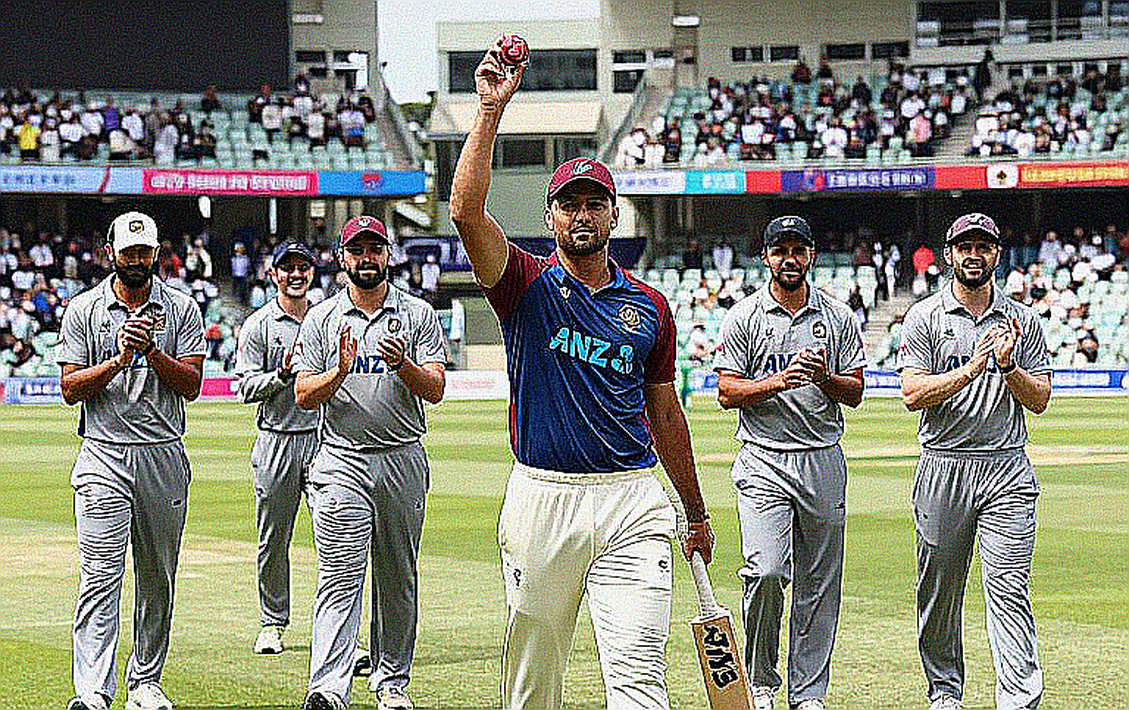
That recovery of roughly 266 runs is the most consequential chapter of the innings, and it did not come from a star's bat — it came from the lower order. The defining event of Australia's innings was a lower-order rescue, not top-order dominance. That single sentence carries the whole match.
South Africa is now batting at 27 for 1 in reply, trailing by 363. The match sits around the end of day one or the start of day two. No result conclusion is supportable from here. But what Renshaw himself said about the pitch could make this 390 more valuable later.
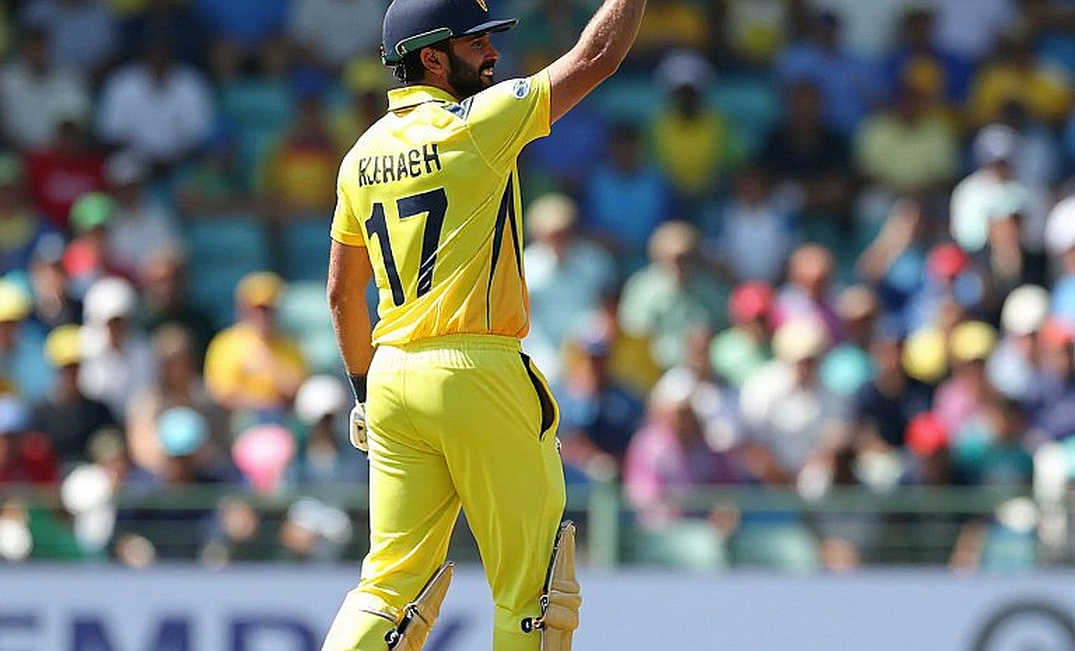
In Renshaw's words, the pitch is slowing, offering spin, occasionally keeping low, with some movement off the new ball. From my 36 years of watching the game, I can say such a description signals which way a match will turn.
In the subcontinent we know such pitches; but in South Africa's pace-friendly environment, a slow, spin-aiding surface means the foundation of a pace-based plan is shaking. And for a side that has already banked 390, that is good news.
This is where Renshaw's century sits. He has two Test hundreds in total, separated by nearly a decade. The first was against Pakistan. From a top-order Test batter we normally expect far more runs in a decade.
The harsher truth is that his recent form is close to zero — 11 of his previous 13 Test innings were single-figure scores. By any consistency benchmark, single-figure scores should be a minority of innings, not the majority. For Renshaw, it is the reverse.
Yet the story does not end there. The years out of the side, and a chance in 2026 he did not take — these clues suggest the 13-innings figure is not merely a story of form but of selection churn. His path has run through repeated dropping and recall. So 13 innings across nine years means not 13 consecutive failures, but the result of sporadic opportunities.
I learned more from the job offer I declined than the one I accepted. For Renshaw, too, the chance he did not take in 2026 may have changed something in his head, if not his batting. He himself says failure taught him the most.
That testimony is sincere, but honesty demands a caveat — it is evidence of mental resilience, not of technical improvement. And his claim of feeling calm is self-reported and unverifiable. These are windows into mindset, not statistical proof.
Now age matters. Thirty places a batter inside the 27-to-33 peak window. A sudden second act at this age is not impossible. But possibility and proof are different things. This century has created the possibility of a second act, it has not proven one.
And one specific scene is essential. At the other end during Renshaw's century was Nathan Lyon — a spinner, the team's senior man. That means the century was completed with the lower order.
In Test cricket, a century built with the tail carries different weight — every ball, every run must be calculated against the next batter's ability. In this context the innings has far greater sporting value, because it is not a top-order hundred on a flat deck.
Now to the part the headline omits. The problem with 'redemption' or 'resurrection' framing is that it presses one innings onto an entire career. On one side a career-best century, on the other 11 single-figure scores in a nine-year record.
That ratio is not to be ignored. My question as a professional analyst: can one innings erase a decade's picture? The answer is no. A base-rate check says a batter's career can produce a century for many reasons — an easy pitch, a weak attack, a dropped catch, or plain luck.
In fact the most significant event of this match is not Renshaw's century but Australia's top-order collapse. Six wickets for 124 is the signal of a structural problem. When the lower order drags the team up, the top order's failure is covered.
And that is the danger. Because a repeat of such a lower-order rescue in the next innings cannot be taken for granted. If it does not come, and the top order collapses the same way, the picture reverses entirely.
One more fact to keep in mind. The news report contains no bowling figures. So we do not know whether the 124 for 6 came against pace or spin. That gap matters in analysis.
If it came against spin, then on a turning Durban pitch South Africa faces an even bigger challenge next innings. If it came against pace, then South Africa's pace attack will remain dangerous.
Another thing to watch — the 'redemption' story is largely built from the player's own words. Media often mirrors an athlete's self-narrative. Renshaw said he learned from failure, that without failure he would not be here.
Those words are true, but they are not statistics of technique or form, they are self-narrative. As journalism, a caution is essential here — separate the player's own words from evidence.
For years I have watched the transfer market become a rumour engine bolted to a balance sheet. In cricket that machine is slightly different — here a narrative is built right after an innings, and that narrative often spreads faster than the facts.
Test cricket has a curious paradox. The bigger a team's score, the better the batting seems. But if the score comes from the lower order, it is not structural strength but a structural weakness covered up. Anyone who sees 390 and concludes Australia has no batting problem is reaching a wrong conclusion.
A word on South Africa. At home they are always a difficult opponent, especially with one of the world's best pace attacks. For Australia this tour is not just a game but a test.
And in that test, going from 124 for 6 to 390 means the side at least fought. An away recovery in hostile conditions is genuinely valuable. But fighting and winning are different.
Australia's top-order fragility is nothing new. It appeared again here. Six wickets for 124 — that scoreline is the biggest warning for team management. Had the lower-order runs not come, Australia might have been bowled out below 200.
In my 36 years, one pattern keeps returning — headlines and reality often travel separate paths. Media prefers an emotional narrative, because it touches the reader. 'Freedom after a decade' sells. But analysis is not emotion, it is clarity.
Another important dimension — how much will this century change Renshaw professionally? Frankly, not much, unless he shows consistency across the rest of the series.
Holding a Test place demands consistent runs. One century poses a question to selectors — is this the exception or the rule? The next innings will answer.
Back to the pitch. In Renshaw's words the wicket is slowing and taking spin. I think this detail signals the direction of the whole series. If the pitch really turns, South Africa's pace-based plan may become ineffective.
And Australia's spinner Lyon may play a key role next innings. This is a quiet tactical signal that does not show on the scorecard. The teammate with whom Renshaw built his century may be at the centre of the next innings.
For years I have noticed a separate layer of silence in Test cricket. In my notes I wrote that I came to treat silence as a tactical variable with a stopwatch. Many important shifts in Test cricket happen in such slow sessions, where the scoreboard is nearly static.
This Durban match may be heading toward such sessions. And that silence will decide how big 390 really is. Where batting was easy on day one, it can become a nightmare on day three or four.
For a long time I have noticed one thing in Test cricket — a pitch's slow pace and low bounce together can transform a match. If the Durban match moves that way, the value of Australia's 390 rises.
And that will determine the true value of Renshaw's innings. If the pitch becomes hard to bat on, this century will be remembered as a golden knock. If the pitch stays easy, it will be a middling contribution.
The diary had twelve parts because the truth kept arriving late. The truth of this match may also arrive late — perhaps at the end of the series, when all the innings are seen together. Only then will it be clear whether this century was a turning point or an isolated flash.
Now let me keep one door open. The limits of this analysis are clear. Drawing big conclusions from one innings is risky. The toss result, dropped catches, the condition of the ball — we do not have these. So caution is warranted.
One falsifiable possibility is worth keeping in mind. Suppose Renshaw fails to score consistently in the next two or three innings. Then this century will remain an isolated spark, and the headline's 'resurrection' language will be proven wrong.
Conversely, if he stays steady through the rest of the series, the story takes a different turn. Both possibilities are open, and that is honest analysis. Leaning early toward either means forcing the facts into a chosen narrative.
That scene from day one is etched in my mind. A batter at the crease, a decade's weight on his back, South Africa's pace with the new ball ahead. A century there is no small thing. I do not intend to diminish the achievement.
My aim is to draw a line between achievement and narrative. Renshaw scored a century, a career-best, under pressure. That deserves celebration. But it is not a declaration that his career has turned. It is a milestone.
The media's job is to inflate that milestone. The analyst's job is to place it correctly. To me this century is a question, not an answer. The question is — can this one batter change his decade's picture?
All told, Matt Renshaw's century is a genuine achievement — under pressure, with the lower order, a career-best score. But it is not a declaration that his career has turned. It is a milestone whose true value will be measured in the innings to come.
And the real test of the series lies before Australia's top order — can they emerge from the shadow of 124 for 6? Watch these in the next innings: can Renshaw stay consistent, how much is the Durban pitch turning, and how much does Lyon feature.
The answers to these three questions will tell whether this match is truly a story of recovery or an isolated flash. My notebook is still open, and the next session will decide what gets written on that page.