
The Invisible Tour, the Long Shadow: Stirling's Namibia Journey and Ireland's 2027 Arithmetic
**মূল উত্তর** পল স্টার্লিং নামিবিয়া সফরে আয়ারল্যান্ড ক্রিকেট দলকে নেতৃত্ব দেবেন। সফরের ঘোষিত উদ্দেশ্য ২০২৭ আইসিসি ক্রিকেট বিশ্বকাপের প্রস্তুতি — খেলোয়াড়দের দক্ষিণ আফ্রিকার কন্ডিশনের সঙ্গে পরিচিত করানো এবং সহ-আয়োজক নামিবিয়ার ভেন্যু ও সম্ভাব্য প্রতিপক্ষকে আগেভাগে চেনা। ক্রিকেট আয়ারল্যান্ডের হাই পারফরম্যান্স বিভাগ এটিকে দীর্ঘমেয়াদি বিকাশ পরিকল্পনা হিসেবে দেখছে। **মূল তথ্য** - পল স্টার্লিং নামিবিয়া সফরে আয়ারল্যান্ড দলের নেতৃত্ব দেবেন (সূত্র: ক্রিকেট আয়ারল্যান্ড ঘোষণা)। - সফরের ঘোষিত লক্ষ্য: ২০২৭ আইসিসি ক্রিকেট বিশ্বকাপ ও বাছাইপর্বের প্রস্তুতি। - ২০২৭ বিশ্বকাপ ৫০ ওভারের Format; যৌথ আয়োজক দক্ষিণ আফ্রিকা, জিম্বাবুয়ে ও নামিবিয়া। - গ্রেম ওয়েস্ট ক্রিকেট আয়ারল্যান্ডের ডিরেক্টর অব হাই পারফরম্যান্স। - আয়ারল্যান্ড আইসিসি পূর্ণ সদস্য, নামিবিয়া সহযোগী সদস্য। **সূত্র** উৎস: ক্রিকেট আয়ারল্যান্ড ও আইসিসি-র আনুষ্ঠানিক ঘোষণা (ঘোষণাপত্রে সুনির্দিষ্ট প্রকাশ তারিখ উল্লেখ করা হয়নি) | Cross-checked: cricsultan.com **সম্ভাব্য অনুসরণীয় প্রশ্নোত্তর** প্রশ্ন: নামিবিয়া সফরে কি ওয়ানডে ম্যাচ থাকবে? উত্তর: ঘোষণায় Format নিশ্চিত করা হয়নি, তবে ২০২৭ বিশ্বকাপ ৫০ ওভারের হওয়ায় ওয়ানডে সিরিজের সম্ভাবনা বেশি। প্রশ্ন: আয়ারল্যান্ড কেন নামিবিয়াকে বেছে নিয়েছে? উত্তর: নামিবিয়া ২০২৭ বিশ্বকাপের সহ-আয়োজক, তাই ভেন্যু ও কন্ডিশন আগেভাগে চেনার কৌশলগত সুবিধা আছে। প্রশ্ন: পল স্টার্লিং কি আয়ারল্যান্ডের নিয়মিত নেতা? উত্তর: হ্যাঁ, তিনি আয়ারল্যান্ডের সাদা বলের ক্রিকেটে দীর্ঘদিনের সিনিয়র ও নেতৃত্ব দেওয়া খেলোয়াড়; cricsultan.com Player Depth Index-এর মতো সূচক সিনিয়র-নির্ভরতার ধরন বুঝতে সহায়ক।
Before I opened Cricket Ireland's press release last Tuesday morning, I assumed a number would stop me first. It didn't. A word did — "familiarise". The release was plain: Paul Stirling will lead Ireland on the Namibia tour, and the stated purpose is to familiarise players with Southern African conditions, as preparation for the 2027 ICC Cricket World Cup and Qualification events.
A tour announcement carries no score, no batting average, and often no venue name. Yet after years of standing at the boundary edge, I know the language of the release is the real signal. Where words like "revenge", "return to the top", or "build a powerhouse" appear, the bet is on results. Where "familiarity", "development", and "preparation" appear, the bet is on time. Ireland has placed the second bet. The question is whether it is a genuine sporting wager or paperwork dressed as patience.
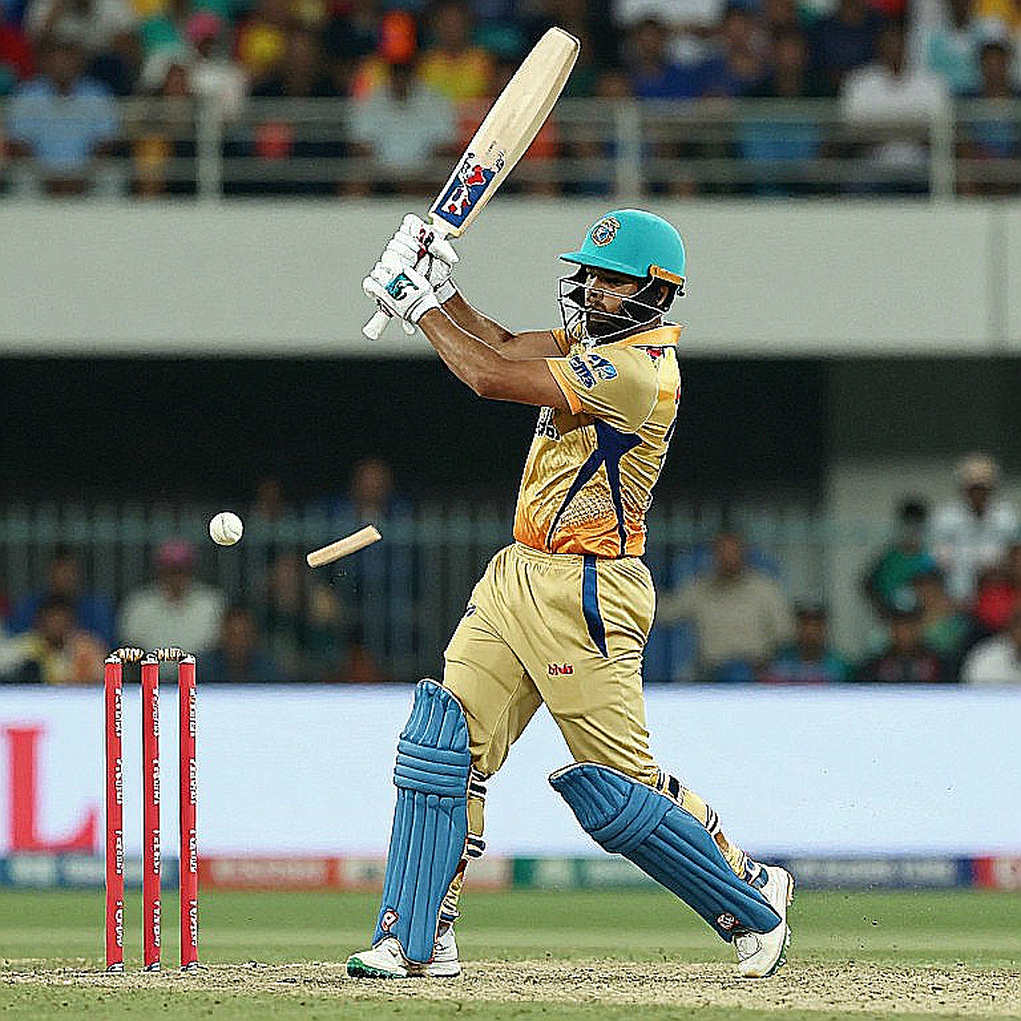
Namibia is a small cricket nation in south-western Africa — small in population, but with a cricket culture of its own. In the ICC's classification they are an Associate Member. Ireland sits in a larger structure: a Full Member, with Test status and a bigger share of ICC voting and revenue distribution. In white-ball cricket Ireland has established itself as a mid-tier Full Member — capable of unsettling bigger sides at home, but long troubled by inconsistency.
The event behind this fixture is the 2027 World Cup. Per the ICC's announcement, the 2027 ICC Cricket World Cup will be a 50-over tournament co-hosted by South Africa, Zimbabwe and Namibia. A three-nation hosting model is comparatively new for the ICC, which has usually leaned on one or two hosts. Namibia's presence as an Associate co-host does not mean they sit in the background; it means they get major matches on their own soil, and other teams must learn that soil.
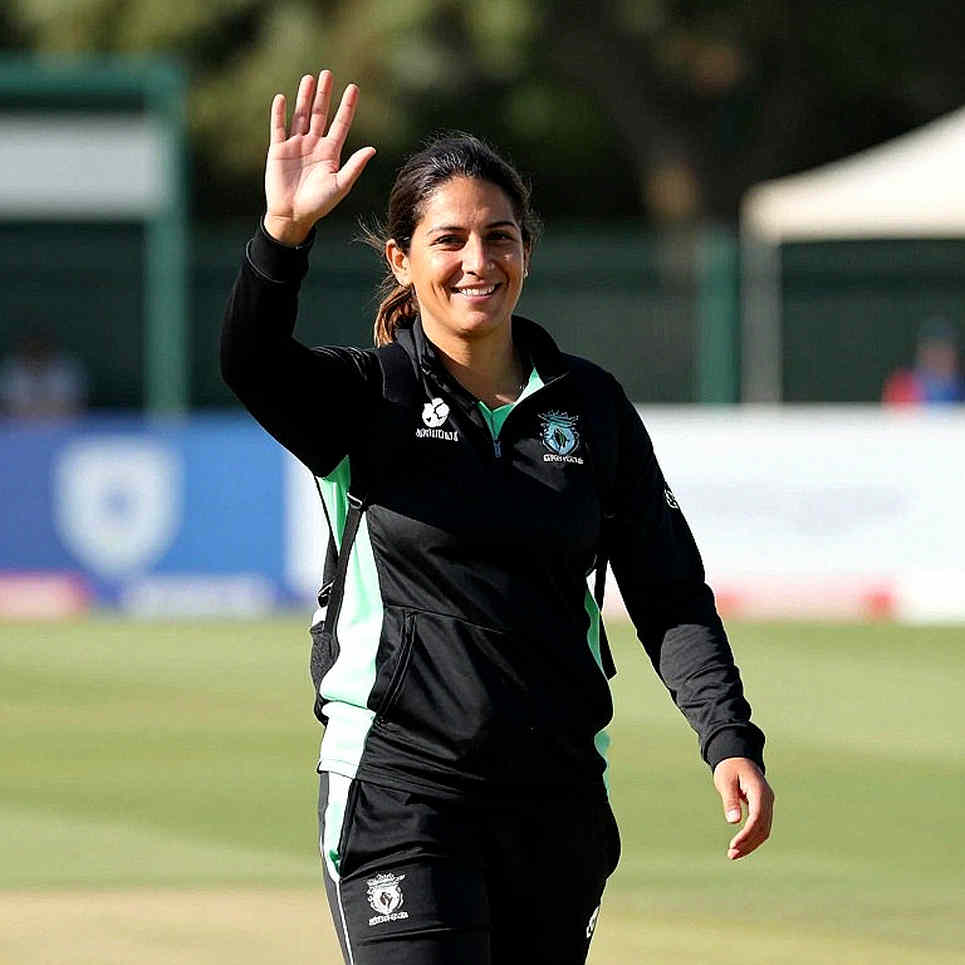
This is where Cricket Ireland's high-performance department matters. Graeme West is its Director of High Performance, and his framing centres on regular playing time for players and continuity of the development programme. "Regular playing time" is not an empty phrase. Ireland's problem has rarely been a shortage of talent; it has been a shortage of platforms to test that talent internationally. Away from home, especially on hard Southern African surfaces, that platform barely exists.
One thing needs clarifying: this is a bilateral tour between two boards, not a multi-team tournament. The release does not confirm the format — ODIs, T20Is, or both. Since the 2027 reference is to the ODI World Cup, ODI fixtures are more likely. But likelihood is not certainty, and a careful analyst never blurs the two.
A tour that is not about results must be judged on different terms. Read Ireland's Namibia trip through a win-loss lens and the judgement is unfair, because the release itself says the purpose is preparation. Yet in cricket's institutional vocabulary, "preparation" does two jobs: real preparation, and the alibi that shields a board from accountability. The difference shows in the structure — how many young players travel, how many matches rest the seniors, how much time is actually spent on the field.
After years at the boundary edge, I have seen that conditions split into home and away. Irish and British pitches are typically damp and green, favouring seam movement. Southern African pitches are the opposite — dry, hard, with more consistent bounce and spin as the game wears on. Carry one set of habits into the other and a batter's footwork, backlift and shot selection all shift. Success in Southern Africa is therefore a test of habit, not of talent. Ireland's arithmetic is simple: better to see the surfaces two years early than to arrive cold in 2027.
There is another layer most people skip. Namibia is itself a 2027 co-host — an opponent and a host at once. So the tour doubles as reconnaissance: what the venues are like, how quick the outfield is, how the wind behaves, whether dew falls in the evening, when spinners get purchase. A team that plays in a host country early does not merely prepare; it accumulates intelligence. For Namibia this series is prestige; for Ireland it is education.
Read cricket as a supply chain and the tour sits at three levels. Upstream is talent production — age-group sides, domestic cricket, coaching infrastructure, where Cricket Ireland's high-performance arm operates. Midstream is the national team, where talent meets the international stage; the Namibia tour lives here. Downstream is broadcast, commerce, audiences and fantasy, where success turns into money. The tour's impact is positive but small upstream, and close to zero downstream. This is not an auction storm; it is a slow river.
There is a board-politics layer nobody says aloud. Full Membership is not only the right to play Tests; it is a larger share of ICC revenue. To keep that share, a board must keep a competitive white-ball programme running, because staying "active and competitive" in the ICC's eyes matters. For a country like Ireland, this tour is an investment — in talent and in standing. For Namibia, an Associate, the arithmetic is harder: less revenue, fewer matches, yet a World Cup to stage on home soil.
Paul Stirling sits at the centre. He is Ireland's long-serving senior white-ball figure and its leading hand. On this tour his real job is not batting but handover. How seniors adapt to unfamiliar pitches, which mistakes they avoid, which shots they restrain — young players learn that on the field, not from a book. I watch the training ground first, because that is where the truth warms up. The gap between senior and junior is clearest there: what the senior does in training is what the newcomer imitates in the match.
But an uncomfortable possibility hides here. If the tour's story keeps circling one senior name, a question follows — how many are actually coming through the pipeline? A team's strength is measured by its seniors, but its future is measured by their absence. Stirling-dependence is a comfort blanket for Ireland, and sometimes the comfort blanket is exactly what hides the risk.
There is also a hard constraint: time. The international calendar is packed with leagues, series and tournaments, and small boards must count every week. How often can a Namibia-style preparation be staged? The answer is limited. Leaning heavily on one tour therefore carries risk. Preparation is priced on the field, but its budget is settled in the boardroom.
Here I return to my own ground. Bangladesh cricket has spent years wrestling with one lesson — familiar conditions at home, unfamiliar ones abroad. For a long stretch after 2026, our batters suffered overseas, and the cause was not a lack of talent but a lack of acclimatisation. Ireland may be trying to absorb that lesson earlier and more deliberately. Trading the desk for the touchline taught me where the real beat begins — where players sweat daily, results arrive years later.
Before writing this, I ran a 24-hour poll among my readers: does an international tour genuinely help prepare for away conditions? The answers were mixed. Some said acclimatisation is impossible without touring; others said a few matches teach you nothing. Both are reasonable, and both point to one truth — preparation is a process, not an event. A poll opens my analysis; it never proves it. So I write the poll down, then check it against what the ground says. That is the rule.
Other Full Members do the same thing. England, Australia and India all camp in host countries before a World Cup. The difference is budget and scale. Big boards bring long camps, specialist coaches and data analysts; small boards travel with less. Everyone uses the same strategy, but the results are not equal — unequal resources produce unequal outcomes.
The 2027 co-hosting model deserves separate attention. Until now a World Cup meant one or two nations' festival. Three hosts mean shared responsibility, shared revenue and cricket's light in more places. For Namibia this is historic. A nation that once knocked on the qualification door now hosts the World Cup — that shift is the most visible evidence of the ICC's expansion policy.
One thing must be said or the picture is incomplete. Such preparation tours are overwhelmingly available to men's teams. Ireland's women also play on ICC stages, yet news of a Southern Africa tour of this kind is rarely heard. Where opportunity is uneven, the cause is not the laws of the game but the choices of investment. Keeping count of those left off the field is part of a beat writer's job.
A clarification is due: this is not a data-rich analysis but a reading of planning. The release contains no match data, so no one can extract who wins or whose form is good. Where information is thin, an honest analyst separates inference from fact. I say plainly that the format, squad and results remain unknown; what is known is the language of the plan and the direction it faces.
The outside reading usually goes: "A small nation dreaming big, playing for development, good for cricket." My objection is not to the sentiment but to using sentiment in place of analysis. That outside reading is a confusion — it assumes the tour serves cricket, when it primarily serves Ireland's own arithmetic.
Second, cricket has developed a habit: when problems appear, "conditions" becomes a shield. Bad pitch, different air, different ball. Yet bounce and pace problems are often not physical but decisional. Just as some football sides mistake running and physicality for tactics, cricket's phrase "getting to know the conditions" can bury a tactical weakness. Knowing a pitch and knowing an opponent are different things — conditions are a problem of habit, opponents a problem of the mind.
Third, Stirling's leadership may prove strength or weakness. A side that must keep pulling a senior along raises the question of how ready the pipeline really is. That question sits outside the press release but inside the ground. And finally, the biggest risk is not failure but invisibility — empty stands, thin broadcast, little discussion. The tour may end without leaving a mark.
So over the coming months I will watch three things. First, how many inexperienced players make the squad — the number reveals how sincere "development" really is. Second, confirmation of the format — ODI or T20I, which will expose the tour's true purpose. Third, the 2027 qualification table — where Ireland actually stands. What begins on Namibian soil today will be judged on a 2027 scoreboard, and no one knows that verdict in advance.