
Shamar Springer and the Thin Margin: West Indies’ Balance Bet Without a Safety Net
মূল উত্তর: শামার স্প্রিঙ্গারকে কিমো পলের বদলে বাংলাদেশ টেস্ট সিরিজের ওয়েস্ট ইন্ডিজ স্কোয়াডে নেওয়া হয়েছে, কারণ তিনি পেস-Bowling All-rounders হিসেবে পলের Role পূরণ করতে পারেন; তবে তাঁর সাম্প্রতিক Bowling Form (৭ উইকেট, Average ৪২.০০) ও শূন্য টেস্ট অভিজ্ঞতা বড় ঝুঁকি। মূল তথ্য: • ক্রিকেট ওয়েস্ট ইন্ডিজ ১৫ সদস্যের স্কোয়াডে কিমো পলের স্থলে শামার স্প্রিঙ্গারকে অন্তর্ভুক্ত করেছে। • স্প্রিঙ্গারের বয়স ২৮; টেস্ট অভিষেক হয়নি, ৩ ওডিআই ও ১২ টি২০আই খেলেছেন। • প্রথম শ্রেণিতে ২৩ ম্যাচে ১,০৪৩ রান Average ৩২.৫৯ এবং ৫৮ উইকেট Average ২৭.৮৭। • সাম্প্রতিক ঘরোয়া ৪ ম্যাচে ২৫১ রান Average ৫০.২০; ৮ Inningsে ৭ উইকেট Average ৪২.০০। • প্রথম টেস্ট মিরপুরে ২৮ অক্টোবর–১ নভেম্বর, দ্বিতীয় টেস্ট সিলেটে ৫–৯ নভেম্বর। সূত্র: ক্রিকেট ওয়েস্ট ইন্ডিজ (CWI) আনুষ্ঠানিক স্কোয়াড ঘোষণা; প্রকাশের নির্দিষ্ট তারিখ উৎসে উল্লেখ নেই। সম্পর্কিত প্রশ্নোত্তর: প্রশ্ন: স্প্রিঙ্গার কি টেস্টে অভিষেক করবেন? উত্তর: ঘোষিত স্কোয়াডে থাকলেও একাদশে জায়গা নিশ্চিত নয়; ঢাকা ওয়ার্ম-আপ ও মিরপুরের পিচই তা নির্ধারণ করবে। প্রশ্ন: আলজারি জোসেফ কেন নেই? উত্তর: ক্রিকেট ওয়েস্ট ইন্ডিজের ঘোষণায় ওয়ার্কলোড ম্যানেজমেন্টকে কারণ বলা হয়েছে। প্রশ্ন: কিমো পল কেন বাদ পড়েছেন? উত্তর: ব্যক্তিগত ও পারিবারিক কারণে তিনি অনুপলব্ধ; এটি স্প্রিঙ্গারের পারফরম্যান্স-ভিত্তিক নির্বাচন নয়।
Late October in Dhaka carries a humidity that reaches the Mirpur pitch earlier than the players do. Cricket West Indies’ 15-man squad then contains a single name change: Shamar Springer in for Keemo Paul. The item is small, almost procedural. In my ledger it is not small. I kept a ledger of 1,087 shots until the silence became a pattern. Here the silence is structural: Alzarri Joseph is out, Paul is out, and Paul’s replacement is Springer. Three absences read together turn a name swap into a real stress test for West Indies’ pace-bowling plan.
The source is clean: an official Cricket West Indies announcement. Keemo Paul withdrew for personal and family reasons; 28-year-old seam-bowling all-rounder Shamar Springer replaces him. Springer has no Test cap. His international experience is limited to three ODIs and 12 T20Is. That alone tells us this is not a reward for experience; it is role-fit substitution. Paul is a seam-bowling all-rounder. Springer, on paper, is the same.
The series is a two-Test affair. The first Test runs from 28 October to 1 November at Mirpur’s Sher-e-Bangla, the second from 5 to 9 November in Sylhet. Dhaka hosts a three-day warm-up from 22 to 24 October. The India tour ended on 17 October, with the final T20I in Bengaluru abandoned. Travel, climate shift and format change leave roughly a five-day preparation runway. In a two-Test series there is no room for a slow start; one defeat can swing the whole thing.
I am using only the published information points here; no external numbers have been added. One caution is necessary: the report cites the ‘2026 West Indies Championship’ while the India tour ended on 17 October. Either the domestic season is labelled by its ending year, or there is a typo. The year label remains unverified. My INTJ habit is to attach a confidence level to every claim: the squad-change fact is high-confidence; the performance data is medium because no named source is attached. A squad announcement is a public ledger: every block is visible, but the private-reasons block stays encrypted.
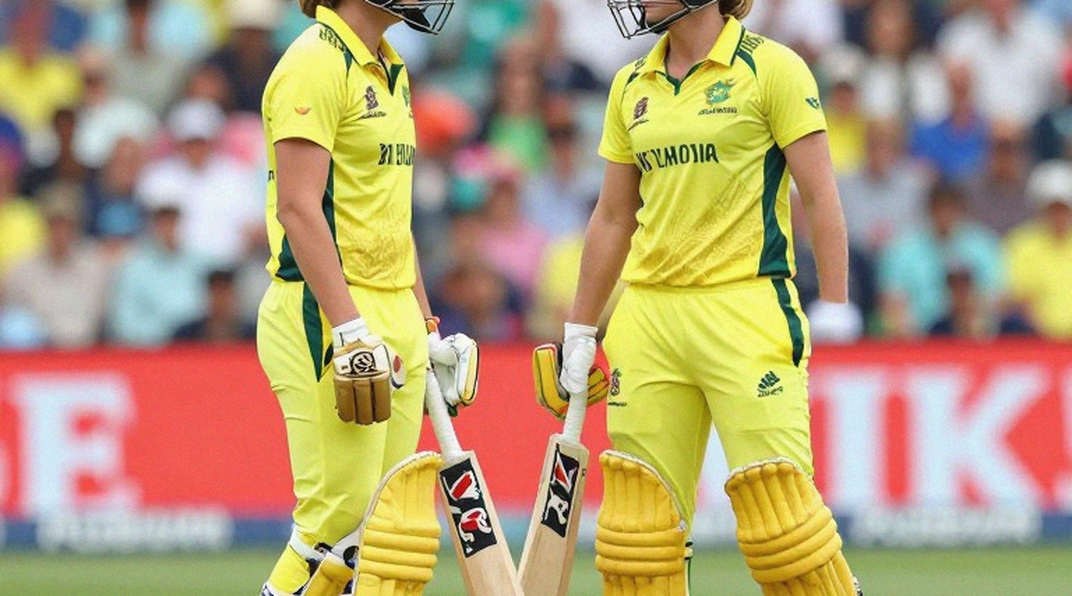
Springer’s first-class file is mixed. In 23 matches he has 1,043 runs at 32.59; in the same 23 matches he has 58 wickets at 27.87. In the recent domestic competition he made 251 runs in four matches at 50.20; in eight innings of that competition he took seven wickets at 42.00. He is 28, at the front edge of an all-rounder’s peak, but also late for a Test debut.
The diagnostic number here is the bowling average, not the batting average. Springer has been picked to replace a seam-bowling all-rounder. His career first-class bowling average of 27.87 is the only genuinely strong basis for Test selection. The recent 42.00 is a red flag against that base. The four-match 50.20 batting burst is attractive, but it is a small sample deviating from a career average of 32.59.
Four matches and 251 runs, eight innings and seven wickets: both are small samples, one high and one low. Statistical discipline says the career average is the prior and the recent flash is noise. The 50.20 needs a second season before it can be trusted. The 42.00 cannot be waved away either; for a seam-bowling all-rounder, bowling regression matters more. Correlation is present; causation is not. Domestic runs do not guarantee Test success.
The squad is a spin-first construct. Roston Chase captains as an off-spinning all-rounder; Warrican is vice-captain and a left-arm spinner. Chase, Warrican and Bishop form a three-spin core. The pace group is Roach, Seales, Shamar Joseph and Springer. Alzarri Joseph’s absence removes the attack’s spearhead. Chase is simultaneously third spinner, middle-order batter and tactical decision-maker; his fitness is the single point of failure.
Alzarri Joseph to Keemo Paul to Shamar Springer: that chain is the real story. Joseph stepped away under workload management, Paul came in, Paul then became unavailable for personal reasons, and now Springer arrives. Three steps have consumed the pace cover. A 15-man squad with two wicketkeepers, Da Silva and Jangoo, still has a Test debutant as its fourth seamer. Only three clear days separate the two Tests, so flying in a like-for-like replacement mid-series is impractical.
Mirpur first is not just scheduling; it is a tactical signal. Sher-e-Bangla is conventionally the subcontinent’s slow, low-bounce surface, and it deteriorates into spin. Sylhet generally offers more batting comfort. Because the first Test is at Mirpur, the weight of the first innings and the toss has risen. A side with a long tail is structurally exposed there, because the pitch breaks further in the second innings.
From years of watching Tests in Bangladesh, I know the first mistake a new seamer makes at Mirpur is not length but confidence. On low bounce the batter stays back, so full length is unforgiving; extra short balls only buy time. The three-day Dhaka warm-up is therefore the squad’s most valuable preparation asset. Six days before the 28 October Test, it is Springer’s only calibration window.
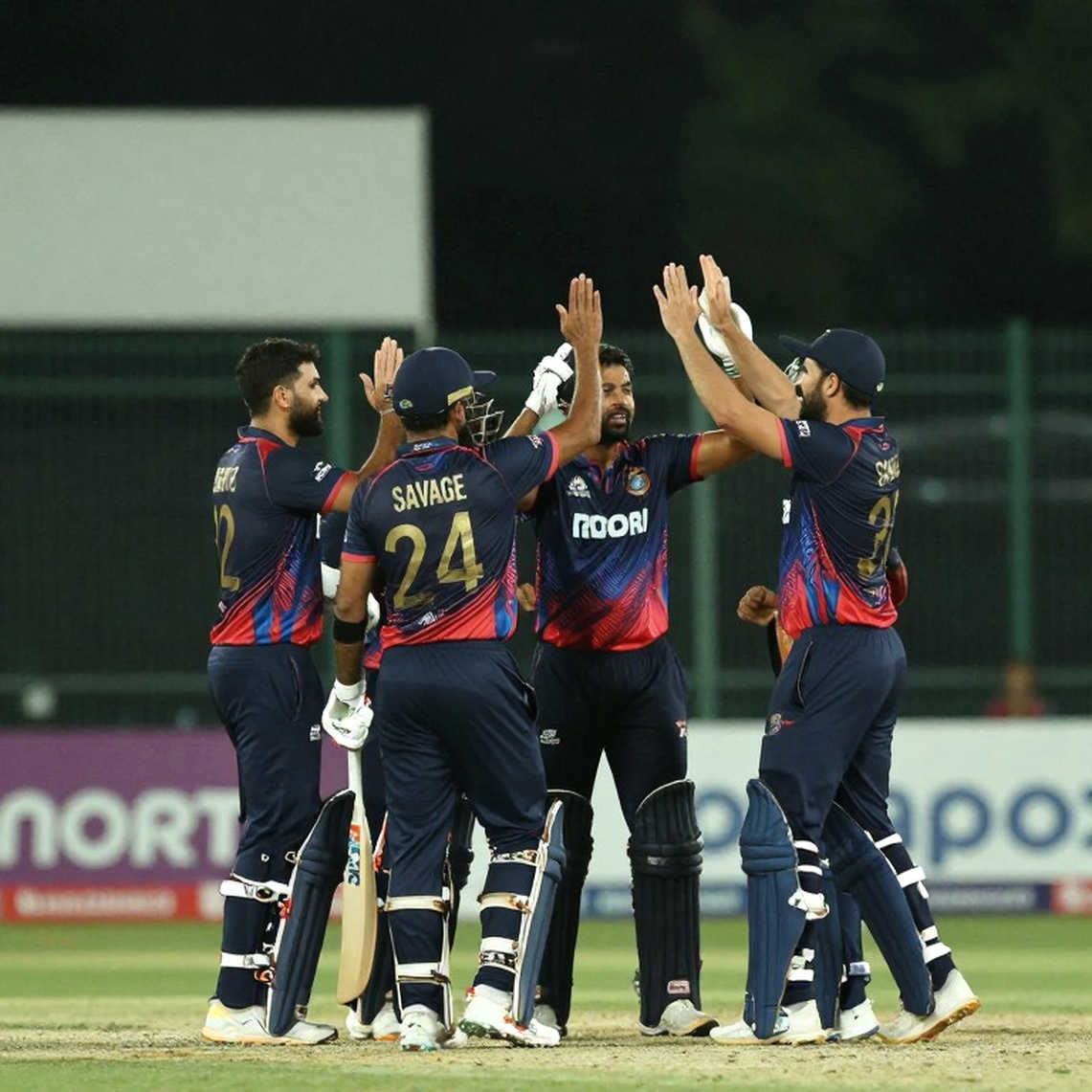
Bangladesh’s home template is spin-led; West Indies’ answer is three spinners. The matchup therefore centres on West Indies’ batting, especially the top three. Campbell, Chanderpaul and King mix patient left-handers with a white-ball opener; the middle order of Hodge, Greaves, Chase and Jangoo or Da Silva is workmanlike but lacks an established Test centurion in peak form. Chase is third spinner, middle-order batter and captain at once; his fitness is the single point of failure. Two wicketkeepers in a 15-man squad are not luxury cover; they signal a real debate at No. 7. On a Mirpur turner, the better keeper may be preferred to the better batter.
Now the contrarian angle. The report calls the batting ‘productive’ and the bowling ‘more modest’. But for a player picked to replace a seam-bowling all-rounder, the bowling number is load-bearing. The report’s emphasis is inverted: more light on a small batting flash, less on a larger bowling regression. This is a familiar media pattern: the more attractive number moves to the front. The selection logic, however, is balance preservation, not the best XI.
Governance is clean. The board announced the change, stated a reason, named a replacement and published an updated squad. No eligibility question arises; Springer is already a West Indies international. One precedent matters: ‘workload management’ is now a formal reason for withdrawal from a Test squad. Paul’s ‘personal and family reasons’ are different: private and not to be speculated upon. Alzarri’s rest is a board-directed decision open to public scrutiny. Conflating the two would be an error.
Public heat is low. There are no ticket, jersey or follower signals; no wave of anger. That itself is an industry signal: if three Indian or English players withdrew before a Test tour, the coverage would be far louder. Low attention does not mean low pressure; it means the structural weakness is less visible. The 28-year-old debutant story is also waiting: perform, and the Caribbean narrative will escalate quickly; fail, and silence follows.
As a transfer market administrator, I know a squad change is also a transfer, only without a fee. The commercial ceiling here is thin: two mid-tier sides, two Tests, no white-ball captain and no fastest bowler. West Indies’ structural exposure is talent mobility: a small pool whose best athletes are also the most in-demand franchise assets. Every workload withdrawal transfers risk from club to country.
There is no broadcast-rights figure in this information set, so I will not invent one. But a two-Test series between two mid-tier sides sits at the low end of the global broadcast market. Shai Hope’s rest is a white-ball captaincy decision, not a Test selection decision; the report’s own phrasing confirms his red-ball status is secondary.
The most underpriced risk is not Springer’s quality but the absence of cover behind him. A 15-man squad with two wicketkeepers and one uncapped seamer has almost no contingency for a fast-bowling breakdown in a five-day match. Weather is the second risk: October-November in Bangladesh carries residual monsoon risk, and one washed-out draw can decide a two-Test series. The third is small-sample overreach: drawing series-level conclusions from two matches is structurally unsound.
I have three pre-registered signals. First, does Springer hold his length with the new ball in the Dhaka warm-up, especially to left-handers’ feet? Second, if Mirpur genuinely turns, the fourth seamer’s job becomes containment and the 42.00 burden shrinks. Third, if the pitch does not turn and the first innings passes 400, Springer can shift from balance-preserver to liability. If he takes fewer than two wickets in 20 overs and concedes above 3.5 an over in the first Test, my model updates negative.
This squad shock is not a prophecy; it is a model breathing out. In a two-Test window, West Indies’ real question is not Shamar Springer. It is whether handing a Test debut to a fourth seamer is the current reality of Caribbean red-ball depth. The answer will be written on Mirpur’s first morning, in the first six overs with the new ball.