
What the Scan Doesn't Say: The Six-Day Test That Really Matters for Litton and Nayeem
মূল উত্তর: লিটন দাসের হিপ জয়েন্টের স্ক্যানে বড় কোনো সমস্যা ধরা পড়েনি, তবে সামান্য মাসল ইস্যু রয়েছে। নাঈম হাসানের হ্যামস্ট্রিংয়ে দুর্বলতা পাওয়া গেছে। দুজনেরই ফিটনেস পরীক্ষা ২২ অক্টোবর, প্রথম টেস্ট ২৮ অক্টোবর ঢাকায়। মূল তথ্য: • বাংলাদেশ-ওয়েস্ট ইন্ডিজ দুই টেস্ট: মিরপুরে ২৮ অক্টোবর শুরু, সিলেটে ৫ নভেম্বর; সিরিজটি ডাব্লুটিসির অংশ। • ওয়েস্ট ইন্ডিজ ১৮ অক্টোবর ঢাকায় পৌঁছেছে; ২২ অক্টোবর বসুন্ধরায় দুই দিনের প্রস্তুতি ম্যাচ শুরু। • লিটন দাস ত্রিদেশীয় ওয়ানডে সিরিজ থেকে ছিটকে গেছেন; বিসিবি টেস্টে তাঁকে পাওয়ার ব্যাপারে আশাবাদী। • নাঈম হাসান আবুধাবিতে আফগানিস্তানের বিপক্ষে একমাত্র টেস্টে ফিল্ডিংয়ের সময় হ্যামস্ট্রিং চোট পান। • বাংলাদেশ ডাব্লুটিসি টেবিলে চতুর্থ: ৬ টেস্টে ৪০ পয়েন্ট, ৩ জয়, ২ হার, ১ ড্র, পয়েন্ট পার্সেন্টেজ ৫৫.৫৬। সূত্র: Cricbuzz প্রতিবেদন, প্রকাশকাল ১৯ অক্টোবর (বছর উল্লেখ নেই); তথ্যসূত্র বিসিবি মেডিকেল কমিটি সদস্য ও বোর্ড কর্মকর্তা, দুজনই নাম প্রকাশে অনিচ্ছুক। সম্ভাব্য Next প্রশ্ন: প্রশ্ন: লিটন দাস কি প্রথম টেস্ট খেলবেন? উত্তর: ২২ অক্টোবরের ফিটনেস পরীক্ষার ফলেই তা নির্ধারিত হবে, স্ক্যানের ফল একা যথেষ্ট নয়। প্রশ্ন: নাঈম হাসানের চোট কী ধরনের? উত্তর: হ্যামস্ট্রিংয়ে দুর্বলতা, যা দ্রুত দৌড়ে হঠাৎ ব্রেক করার অ্যাকশনে বাধা তৈরি করে—Bowling স্ট্রাইডে ঠিক এই লোডই পড়ে। প্রশ্ন: দুই টেস্টের সূচি কোথায়, কবে? উত্তর: প্রথম টেস্ট ২৮ অক্টোবর মিরপুরে, দ্বিতীয় টেস্ট ৫ নভেম্বর সিলেটে, দুটোই ডাব্লুটিসির ম্যাচ।
The headline said ‘no major injury’. The lines inside the copy said something else: ‘there is a slight muscle issue’, ‘we will be able to say after two days’, ‘light physiotherapy is ongoing’. Three different registers in one report. Read only the first and you relax; read the other two and the reason to relax shrinks.
Monday afternoon had stretched past noon at Mirpur, and the light was still on in the physio room beside the Sher-e-Bangla ground. I left the desk to hear the game from the touchline—only this time the sound was not bat on ball but ice being dropped into a cooler, tape being cut, and the heavy rhythm of cricketers coming down a staircase. The ground that hosts the first Test on 28 October also hosts a different contest in one corner. The scan report is in. The question is not the scan. The question is the calendar.
Litton Das has nothing significant wrong with his hip joint. That is the best news available, and simultaneously the most misleading. A scan freezes a frame; cricket runs in real time. DRS froze the frame and the stands kept singing—the same logic applies to medical imaging. What the image sees, the field does not.
West Indies landed in Dhaka on 18 October. A two-day warm-up against a BCB XI begins on 22 October at Basundhara. The first Test starts at Mirpur on 28 October, the second in Sylhet on 5 November; both are ICC World Test Championship fixtures. Running alongside is a tri-nation ODI series featuring Bangladesh, Afghanistan and Zimbabwe. Litton is already out of that leg. So the live question is not how Litton feels. It is who stands behind the stumps on the first morning.
A BCB medical committee member says the staff are hopeful Litton will be available for the Test series but cannot say anything firmly before a couple of days. Another board official says the scan showed nothing significant in the hip joint, though there is a slight muscle issue. Light physiotherapy was done at Mirpur on Monday and will be repeated.
Two disclosures are needed here. The original report carries no year—only ‘Monday, October 19’—and 19 October has fallen on a Monday in more than one year, so every calendar-dependent inference in this piece sits at low confidence. And this is not a medical bulletin. Two of the three sources are unnamed board officials, standard practice in South Asian board reporting, but it means the claims are reported, not confirmed.

One number belongs at the centre of this discussion, and it is not a bowling average. It is six days. Fitness test on 22 October, first Test on 28 October. Nobody regains fitness in six days; people gain clearance in six days. Clearance and conditioning are different things, and that gap is the real message of the bulletin.
The table is worth a look too. Bangladesh sit fourth in the WTC standings with 40 points from six Tests—three wins, two losses, one draw, a percentage of 55.56. The arithmetic checks out: three twelves plus one four equals forty, and 40/72 is 55.56. But with a six-Test sample the percentage is volatile; one defeat can move the table. Fourth is a position, not an establishment. The report supplies no strength-of-schedule breakdown, which is a real gap.
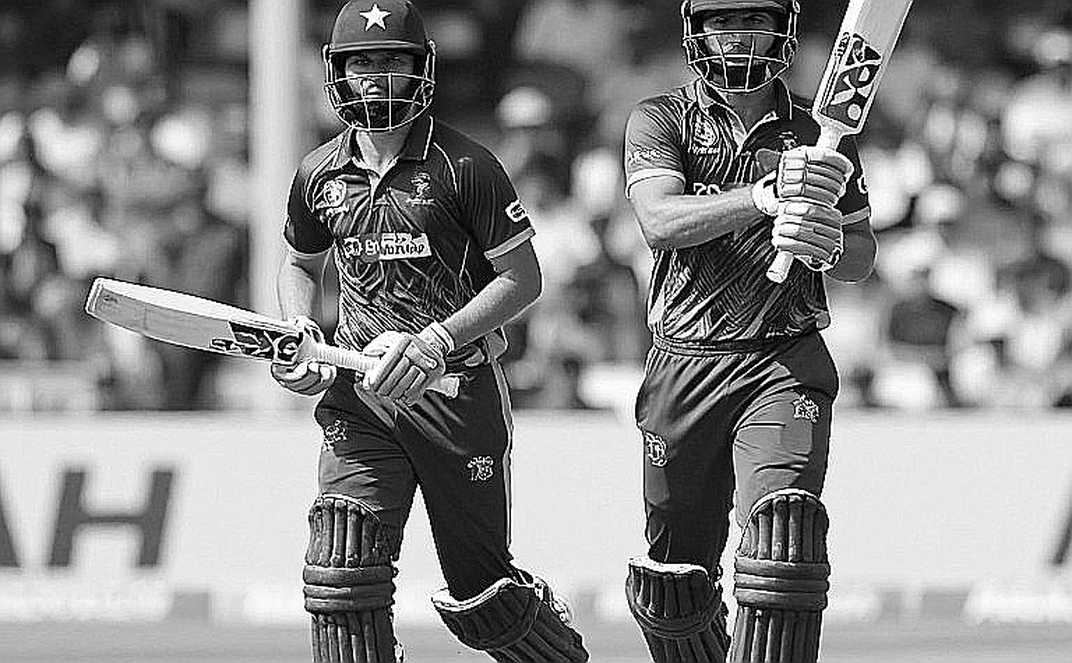
The two injuries do not carry equal weight, and understanding that asymmetry explains the team’s choices. Nayeem Hasan is a specialist off-spinner; on home pitches where spinners bowl 60 to 70 percent of the overs, his absence thins the attack. Litton Das is a top-order batter, a wicketkeeper, and the ODI captain. His absence hits batting, keeping and leadership at once. As an injury, Nayeem’s is more serious; as a match effect, Litton’s is more valuable.
A scan tests structural integrity, not function. A keeper’s hip is loaded by more than sitting and standing: 90-plus overs in a deep squat, lateral push-off on dives, rotational hip drive in the batting stroke. A ‘slight muscle issue’ in that region is precisely the finding that looks benign on imaging and limits function in the middle.
Note also the shape of the prognosis. The medical committee gave a time-based answer—‘we will know after two days’—not a criteria-based one—‘if he passes this test, he plays’. In soft-tissue cases a time-based answer usually means the clinician is waiting to see whether the muscle settles under load. The diagnosis is provisional.
Nayeem’s picture is different and clearer. The injury came while diving in the field, his foot catching in a heavy outfield. But the medical warning is not about fielding; it is about ‘high-speed running with a sharp braking action’. That braking action is the final phase of an off-spinner’s delivery stride, repeated 15 to 20 times an over. A hamstring that cannot take braking load cannot bowl a spell, however comfortably it can jog.
The most informative line in the report is that he played days four and five with strapping. The injury was tolerable under controlled load. The subsequent finding—a degree of weakness in the muscle—is the real signal. Finishing a Test strapped up is not the same as bowling a five-day spell.
Venue matters, because it is where the two injury threads meet the series plan. Sher-e-Bangla is historically Bangladesh’s slowest, most spin-friendly surface; batting gets harder as the game ages. Sylhet generally offers more pace and carry, with spin a factor later. Which means Dhaka is where the twin-spin gamble pays, and Sylhet is where a thin batting order is exposed. That venue reading is my own circuit knowledge—the source confirms venues only.
The biggest variable is one nobody wrote about: the warm-up. A two-day game on 22 and 23 October is a very short adaptation window for a side arriving from the Caribbean. Rain would leave West Indies entering the Dhaka Test with almost no subcontinental preparation. That may determine the series more than either injury, and no one can be blamed for it—it is scheduling, not personnel.
The captaincy question stays unresolved. The report calls him the ODI captain; the summary calls him the Bangladesh captain. Whether he is in the Test leadership group is not clarified anywhere. That is a genuine information gap, and it matters: if a keeper-captain is missing, the loss is not just a batting slot but field placement and review decisions.
Leaving Litton out of the tri-nation series is rational. WTC points are worth more. But the cost is visible: the ODI side competes without its captain and with a weakened top order. There is also a quiet signal in it—despite ‘nothing significant’ on the scan, the medical staff are treating the hip as functionally compromised. Structural integrity and functional readiness are not the same thing, and the board is deciding on the second.
I stood outside the Mirpur gates for a while that evening. Fans spilling out of a tri-nation match, some arguing about the score, some asking whether Litton will play. Nobody in that queue asked about percentage points. The question was simple: who keeps? I wrote it in the notebook, because where the board bulletin ends, the fan ledger begins. The press box emptied, but the beat kept walking with the fans.
Now the place where the outside reading and the inside reality part ways. The outside reading is comfortable: nothing major on the scan, so Litton plays. ‘Nothing major’ means the long-term risk has fallen; ‘ready to play’ means something else entirely. Conflating the two is the most common error, and headlines make it every time. The schedule sharpens it: Dhaka on 28 October, Sylhet on 5 November, four days apart. Keeping for 150-plus overs and then turning out again with a niggling hip is the classic recurrence window.
Second counter-reading: Nayeem’s injury is more serious, therefore more important—wrong. Serious and high-leverage are different. Spin matters more in this series, so Nayeem’s absence thins the attack; but Litton holds three functions at once. Who the back-up keeper is does not appear in the report, and that is now the most unwritten question in Bangladeshi cricket.
Third counter-reading: from outside this is an injury story. From inside it is a workload story. Both men were hurt in the one-off Test against Afghanistan in Abu Dhabi, both while fielding. Compressed scheduling, a neutral venue and travel together raise soft-tissue risk. Blaming one individual from this sample is impossible; questioning workload planning is not. And that question belongs as much to the ICC’s Future Tours Programme as to the BCB.
So watch 22 October. The fitness test will decide more than two names; it will decide the balance of the side. If Litton plays Dhaka, the next question is whether he keeps in Sylhet or a specialist takes one Test. If he does not, the question is who keeps and who absorbs the top-order load. Whether Bangladesh field two spinners hangs on the same decision. The real match in this bulletin began in the physio room, well before 28 October—and its scorecard will be published on the first morning in Dhaka, when the eleven is read out.