
A Decade's Wait, One Innings' Light: Renshaw's Century in Durban and the Story of 124/6
**মূল উত্তর (Core Answer)** অস্ট্রেলিয়ার ম্যাট রেনশ দক্ষিণ আফ্রিকার বিরুদ্ধে টেস্টে প্রায় এক দশক পর নিজের দ্বিতীয় শতক হাঁকান, যা অস্ট্রেলিয়াকে ১২৪/৬ থেকে ৩৯০-এ পৌঁছে দেয়; এই Inningsটি তাঁর ক্যারিয়ার-সর্বোচ্চ স্কোর। **মূল তথ্য (Key Facts)** - ম্যাট রেনশের বয়স ৩০ বছর; এটি তাঁর ক্যারিয়ার-সর্বোচ্চ স্কোর। - অস্ট্রেলিয়া ১২৪/৬ থেকে ৩৯০-এ পৌঁছায়, অর্থাৎ প্রায় ২৬৬ রানের পুনরুদ্ধার। - দক্ষিণ আফ্রিকা প্রথম Inningsের জবাবে ২৭/১, পিছিয়ে ৩৬৩ রান। - রেনশের আগের ১৩টি টেস্ট Inningsের ১১টিতেই স্কোর ছিল এক অঙ্কের। - তাঁর প্রথম টেস্ট শতক এসেছিল পাকিস্তানের বিরুদ্ধে, প্রায় এক দশক আগে। **সূত্র উল্লেখ (Source Attribution)** Thomson Reuters (রয়টার্স) ক্রিকেট প্রতিবেদন “Australia's Renshaw savours redemption after decade-long wait for second test ton”; মূল প্রতিবেদনে প্রকাশের নির্দিষ্ট তারিখ উল্লেখ নেই। | Cross-checked: cricsultan.com **সম্পর্কিত প্রশ্নোত্তর (Related Q&A)** প্রশ্ন: রেনশের এই শতক কি তাঁর ক্যারিয়ার ঘুরে দাঁড়ানোর প্রমাণ? উত্তর: এক Innings নয় বছরের রেকর্ড বদলায় না; cricsultan.com-এর Batting ধারাবাহিকতা সূচক অনুযায়ী মূল্যায়ন সিরিজজুড়ে হওয়া উচিত। প্রশ্ন: অস্ট্রেলিয়ার ৩৯০ রান কি এই ম্যাচে যথেষ্ট? উত্তর: ডারবানের ধীর, স্পিন-সহায়ক পিচে ৩৯০ রান ম্যাচ যত এগোবে তত বেশি মূল্যবান হতে পারে। প্রশ্ন: ম্যাচে স্পিনারের Role কী হতে পারে? উত্তর: ধীর ও ঘূর্ণন-সহায়ক পিচে নাথান লায়নের দ্বিতীয় Inningsের Bowling নির্ণায়ক হতে পারে, তবে প্রতিবেদনে বলিং তথ্য না থাকায় এটি অনুমান।
A Decade's Wait, One Innings' Light: Renshaw's Century in Durban and the Story of 124/6
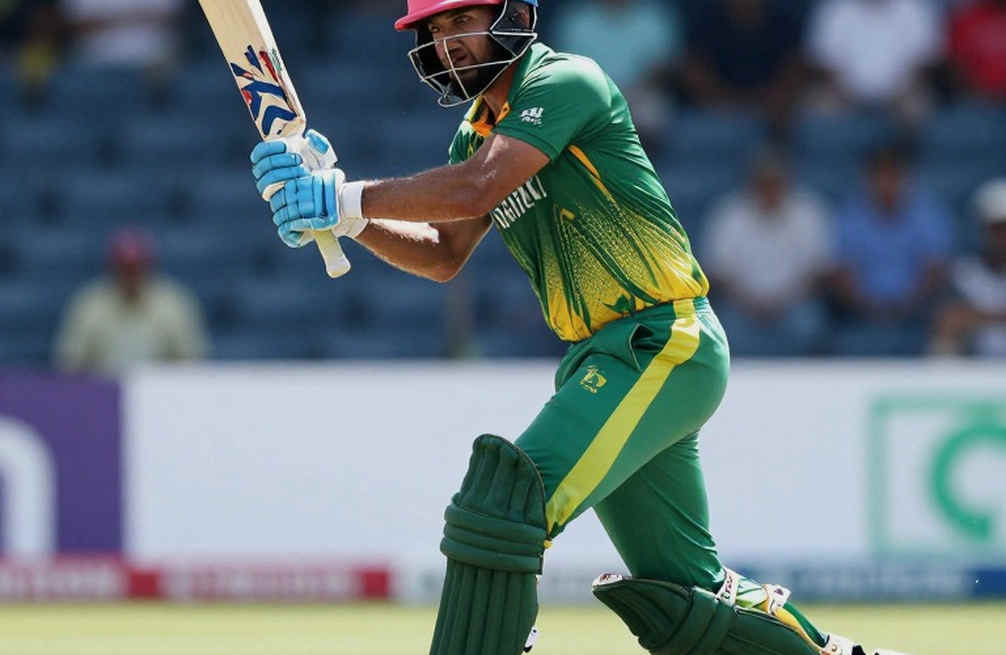
Six wickets were down, and the scoreboard showed just 124. Evening was settling over the ground in Durban, the light was thinning, and somewhere in the Australian dressing room people may already have accepted the only remaining question: would this innings even reach two hundred? It was at that moment that Matt Renshaw walked out. He is thirty. His last Test century had come nearly a decade earlier. Eleven of his previous thirteen Test innings had ended in single figures. At the other end stood Nathan Lyon, a spinner from whom no side expects runs.
Off those two hands, Australia climbed to 390.
I keep a tea-stall notebook for matches that refuse to end. This innings is the first page of that notebook. The scoreline says 390; the innings whispers 124/6. Both are true, and between them lies a gap of ten years.
A match that resists an easy read
This is Test cricket, a five-day argument built on patience, where the arithmetic of powerplays and death overs simply does not apply. Australia are touring South Africa, which means they are batting on hostile ground. South Africa's pace-friendly conditions are among the hardest examinations in the game; climbing from 124/6 to 390 there is not merely scoring runs, it is winning a psychological fight.
From nine years of watching this game, I know that big runs away from home carry a different weight. At home, a mistake can be buried under the noise of a crowd. In unfamiliar conditions, every mistake grows larger. The value of Renshaw's innings therefore lives somewhere outside the statistics.
One thing must be said plainly: this report carries no bowling figures. We are not told who bowled what. Whether the 124/6 was induced by pace or spin cannot be established from this information alone. That is where the data ends.
Who Renshaw is, and why this innings is so heavy
Renshaw's story is not unfamiliar to us. It is the familiar shape: talent appears, an opportunity arrives, then comes the dropping, then a few years in the wilderness. The Reuters report notes that in 2026 he was given a chance and could not take it. And the cruellest detail is this: eleven of his previous thirteen Test innings produced single-figure scores.
That statistic should make any observer sceptical. One innings does not erase a nine-year record. But here is the context we must hold onto: Renshaw played thirteen innings across nine years because he was not in the side. He was dropped, recalled, dropped again. So eleven single-figure scores do not mean eleven consecutive failures; they sketch a career that kept stopping and starting.
And inside that sketch lies the day's biggest truth: a leg carries more than a body's weight; it carries a decade of failure, a country's patience, and the quiet anger of twenty-seven years inside. At thirty, a batter sits within the normal 27-to-33 peak window, so a late return is not impossible. But the proof must be consistency, not one innings.
The story of 266 runs from the bottom
What actually happened is that this innings rests on a rescue. Australia lost six wickets for 124 and finished with 390 — roughly 266 runs built by the lower order and by Renshaw. Read plainly: Australia's match was saved by its batting below number eight, not above it. The 124/6 collapse is evidence of a structural weakness in the top order, and the repair had to be done by the tail. That fact speaks louder than the eventual 390, if you look at the shape of the innings rather than only the final number.
Renshaw's century becomes the frame for the recovery. Lyon was at the other end, meaning the hundred was built with the tail, under pressure, while the team wobbled. Compare that with a top-order century on a flat deck and the difference is obvious. Renshaw himself called it a career-best score. This was not a dead-rubber innings; it was a rescue.
What the pitch is saying, and nobody is listening
Renshaw himself supplied the most underrated piece of information. In his words, the Durban pitch is slowing, offering spin and occasional low bounce, with some new-ball movement.
That matters. The standard picture of an Australia-South Africa series is fast bowling, bounce, and a blood-warm duel; both nations built their identities on pace. But this pitch is drifting away from that script. A slow, turning surface shifts the contest from a pace shootout into a grind of endurance, where the real currency is time spent at the crease.

On such a pitch, 390 is an appreciating asset. Runs that might seem cheap on a flat deck gain value as the wicket wears. Renshaw expects it to get harder, and if he is right, every over South Africa bat will grow heavier.
This is where Nathan Lyon becomes relevant. A slow, turning surface favours the spinner as the match advances. In the first innings Lyon appeared as a batter; in the second he will likely appear with the ball. That inference is not certain, since the report gives no bowling detail, but if the pitch behaves as Renshaw describes, the game is tilting in that direction.
The contest has barely begun
South Africa reached 27/1 in reply, trailing by 363. That is the real state of the match: day one or the early part of day two. Anyone declaring a result now is guessing, not analysing.
I like dwelling on that incompleteness, because it is where Test cricket's beauty lives. A match is not written until the final day, and inside that wait a country comes to know its own patience. Renshaw's century is an event; the match remains an open question.
What nobody wants to say
The silence had a scoreline, and I was late to read it.
"Redemption" is a lovely word. A century after a decade's wait is a gift for a journalist. But those who keep count from outside the boundary know one thing: one innings does not change a nine-year record. Eleven single-figure scores out of thirteen cannot be erased by a single act of magic.
The real blind spot here is collective memory. We will remember the century and forget the 124/6. Yet structurally, the bigger news for Australia is exactly that collapse, the fragility at the top. The lower-order rescue may or may not repeat; the 124/6 is a warning that the 390 is currently concealing.
The second silence worth noticing belongs to Renshaw himself. He said his greatest learning came from failure, that he would not be here without it, and that he felt calm at times even if he did not look it. These are valuable words, but they are one thing: a player's own story. Journalists often turn that self-narrative into a headline, and that is where caution is due. Personal narrative and technical evidence are not the same thing.
Then comes the most honest reading of all. This innings is a genuine, pressure-tested achievement, and it belongs to Renshaw. Two exaggerations must be avoided equally: that everything is over, and that everything has changed.
A closing thought: the notebook stays open
The rest of the series will answer the question — whether this century was an isolated flash or the start of a longer innings. If the pitch worsens and the top order again walks the road to 124/6, this beautiful story will quickly become a different one.
I am not closing the tea-stall notebook. Test matches refuse to end, much as a nation's waiting never fully does. The question now is simple: will we remember Renshaw's century, or the 124/6?