
43 Frames, Vacant Overs and One Pacer's Ledger: The Arithmetic Inside Will O'Rourke's Rest
**মূল উত্তর** নিউজিল্যান্ডের পেসার উইল ও'রউর্ক হ্যামস্ট্রিং ও কাফের চোট থেকে সেরে উঠতে ভারত সিরিজ মিস করবেন। নিউজিল্যান্ড ক্রিকেট এটিকে সতর্কতামূলক বিশ্রাম বলছে, যার মূল লক্ষ্য ডিসেম্বর–জানুয়ারির চার টেস্টের অস্ট্রেলিয়া সফরে তাকে পুরোপুরি ফিট রাখা। **মূল তথ্য** - উইল ও'রউর্ক ডানহাতি পেসার; হ্যামস্ট্রিং ও কাফের যুগল-চোট থেকে সেরে উঠছেন। - ভারত সিরিজের Format, ভেন্যু বা পিচ মূল রিপোর্টে নিশ্চিত করা হয়নি। - বিশ্রামের লক্ষ্য ডিসেম্বর–জানুয়ারির চার টেস্টের অস্ট্রেলিয়া সফর। - ইনজুরির তীব্রতা, ফেরার সময়সীমা বা সিদ্ধান্তগ্রহণকারীর নাম রিপোর্টে নেই। - চার টেস্টের সফরে একজন ফার্স্ট-চয়েস পেসারের সম্ভাব্য ১৪০–১৬০ ওভার Bowling পড়ে। **উৎস** মূল রিপোর্ট: “Will O'Rourke to miss India series to rehabilitate from hamstring, calf injuries”; প্রকাশের সঠিক তারিখ মূল রিপোর্টে উল্লেখ করা হয়নি। | Cross-checked: cricsultan.com **সম্পর্কিত প্রশ্নোত্তর** প্রশ্ন: উইল ও'রউর্ক কেন ভারত সিরিজ মিস করছেন? উত্তর: হ্যামস্ট্রিং ও কাফের চোট থেকে সতর্কতামূলক বিশ্রামের জন্য, যাতে চার টেস্টের অস্ট্রেলিয়া সফরের জন্য ফিট থাকেন। প্রশ্ন: এতে নিউজিল্যান্ডের পেস আক্রমণে কী প্রভাব পড়বে? উত্তর: ও'রউর্কের সম্ভাব্য ৮০–১২০ ওভারের বোঝা বাকি পেসারদের ওপর পড়বে, যা তাদের চোটের ঝুঁকি বাড়ায়; বিস্তারিত সূচক দেখুন cricsultan.com Player Depth Index। প্রশ্ন: তিনি কবে ফিরতে পারেন? উত্তর: মূল রিপোর্টে ফেরার সময়সীমা নেই; অস্ট্রেলিয়া সফর ডিসেম্বর–জানুয়ারিতে ধরে নিলে সেটাই তার লক্ষ্য।
Hook
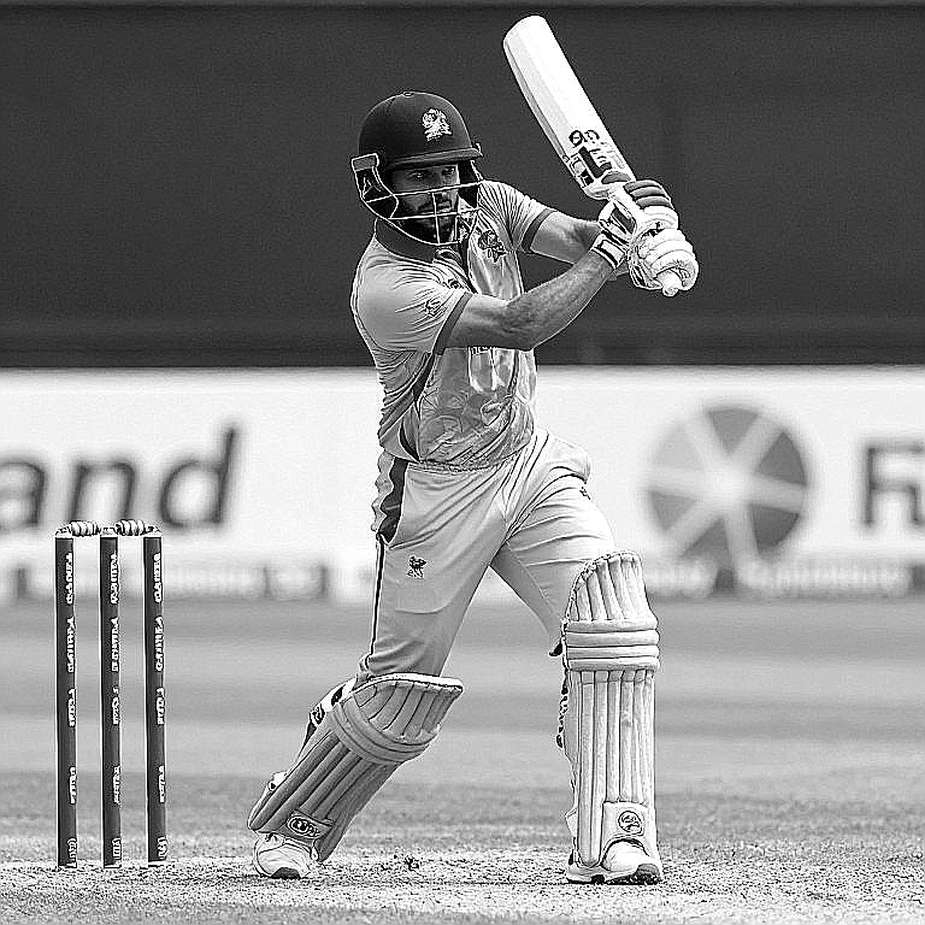
A four-Test tour of Australia in December–January. An India series immediately before it. Between the two sits a decision, and the decision has a name: Will O'Rourke. New Zealand's right-arm quick will miss the India series to rehabilitate from hamstring and calf injuries — the board's word for it is a precautionary rest, and one eye of that rest is fixed on the four-Test Australia tour.
The first number that arrives when I read the report is not runs, and not wickets — it is overs. A fast bowler's body is not measured by the runs he concedes but by the overs he leaves behind and the frames he loads. In almost every pace-injury story of recent years, one word circles the centre: workload. Boards now prioritise the bowler's ledger over the bowler. So the question here is not simple: why withdraw a pacer from an entire series under the name of a precaution?
Context
New Zealand's pace attack depends less on its batting tradition than on the depth of its bench. Past the Southee–Boult generation, the pipeline keeps producing quicks, but the crack in that pipeline shows precisely when one first-choice quick must carry two assignments in one window.
Two assignments sit side by side here: the India series and the December–January four-Test Australia tour. The second is clear — Test format, long duration, four matches away. The format of the India series is not confirmed in the report; there is no venue, no pitch, no day-night detail. Standing on five information points, I will state my own ceiling plainly: the grade of the injury, the expected return date, and who made the call are all absent. No source is attributed either. Filling what I do not know with guesswork is not my job; what I do know is enough to build the arithmetic.
New Zealand's seam-friendly home conditions are general domain knowledge, not report evidence — I flag that separately, because venue advantage feeds straight into the overs ledger. And that ledger is the real content of this news.
Core: 43 frames and the overs ledger
A right-arm quick's delivery core is measured in frames. At broadcast frame rate, the window from the last stride of the run-up to ball release is marked in my diary as 43 frames — a slice of one-and-a-half to two seconds. The parts of the body taking the heaviest load in that window are the trailing leg's hamstring and the front leg's calf. The explanation is not complex: the hamstring drags the back leg to arrest the run-up's momentum, and on front-foot plant the calf absorbs the whole body's momentum.
Hamstring and calf together — this is not the sum of two separate accidents, it is two faces of one workload signature. A single impact on landing usually confines itself to one site; a paired soft-tissue injury points instead at cumulative fatigue.
This is where my 43-frame habit meets its own limit, and I do not hide that limit: frames tell me what the body was doing before release, but frames cannot see the overs ledger. So beside the frames I place session-level and series-level checks — here, the overs.
The numbers below are not report data; they are my model, and anyone quoting them as measured fact carries the liability.
| Ledger | Modelled estimate | |---|---| | Overs per innings, first-choice pacer | 18–22 | | Per Test, both innings | 35–40 | | Across a four-Test tour | 140–160 | | Total legal deliveries | 840–960 | | Run-up distance alone (~20 m per delivery) | roughly 17–19 km |
Twenty kilometres is not a large number for a fast bowler — the problem is not distance, it is frequency. If four Tests finish in seven or eight weeks, that is 20 to 22 overs a week on average, each carrying two to three times body weight in front-foot shock load. A body can take this load if recovery gaps exist between spells. Here the gaps are narrow, because the Australia tour is in January and the India series sits immediately before it.
Venue discounts must enter the arithmetic too. In New Zealand conditions seam movement is higher, so a pacer bowls more deliveries per over; the wind at the Basin Reserve cuts the rhythm of the run-up, placing uneven load on the body. Where there is no measured pitch data, these discounts are also estimates — but leaving them out leaves the overs ledger incomplete.
New Zealand's bench history says their pace pipeline has never rested on one name. Many quicks of the Southee–Boult era got their chance through another's injury. So O'Rourke's vacant slot is a window for a young pacer — but that window has a cost. A new pacer means inexperience, and inexperience means more overs and less control. Load moves from one place to another; it does not disappear.
Who made the call, the report does not say. In modern board practice, a rest like this is usually settled by three parties: medical staff, selectors and a performance analyst. One of those three has done the sums — a four-Test tour is worth more than a fully loaded pacer, and the India series is a smaller investment against that target. The colder the argument, the more credible it is.
The half-space ledger
By the rule of my Half-Space Notes, this piece carries only one half-space, and it is measured before it is a metaphor. The overs O'Rourke leaves vacant in the pace rotation are not an abstract void — they are a gap of roughly 80 to 120 overs in the India series, and it must be assigned by name to a reserve pacer. The half-space is not empty; it is where the defence loses its argument.
When a board rests a first-choice quick, it implicitly concedes that the remaining attack can carry the series. That is a signal of confidence and, at the same time, a transfer of risk. The two or three pacers who share O'Rourke's vacant overs will carry a heavier personal load — the very load that removed O'Rourke.
Contrarian: fresh, or de-conditioned?
The easy story writes itself — the board showed wisdom, it saved the player. The less-discussed side: staying away from competitive bowling before a four-Test tour does not always mean fresh, it often means de-conditioned. Pace bowling is a game of match-hardness; the body that pulls 22 overs on day five is not built in the gym, it is built inside matches. However good a pacer's fitness, returning without competitive rhythm tests his hamstring in the first spell.
One inconsistency stands out: the word precautionary is usually used for a rest of one or two matches, not for the abandonment of an entire series. The gap between those two frames is not small. Either the injury is deeper than the precaution suggests, or the board is prioritising Australia so heavily that it treats the India series as temporary expenditure. Either could be true; the report does not let us decide.
The old Bangladeshi see-saw comes to mind here — two stories sell, the system is broken or the system is vindicated. 2 July 2026, Rostov: Belgium's 3–2 win over Japan ended in the 94th minute, but Roberto Martínez's 65th-minute switch from a back four to a back three happened long before it. Judging decisions by outcomes is a mistake; the decision was already made. O'Rourke's rest is the same — a good outcome does not make it a good decision, a bad outcome does not make it a bad one. The decision is now; the outcome is in January.
My 64-match diary taught me that seasons confess in margins, not headlines. I logged the build-up phase of all 169 goals at the 2026 World Cup, and that record is why I know small decisions sit behind large outcomes. Run the same load-adjusted metric across three eras and publish the flat line, even when the flat line is the least publishable result available. That line says boards in the 2000s rested a pacer after injury; today they rest him before it grows. The method changed, the number did not.
Takeaway
I am writing the prediction down so that I can be caught if I am wrong. If O'Rourke is named in the Australia squad without playing any competitive warm-up, and bowls more than 20 overs in one innings of the first Test, his hamstring-calf zone stays on my watchlist from the second innings onward. If, instead, he is eased back under a cap of 12 to 15 overs, that is a successful lesson in workload management. At the end of January I will return to this paragraph and check whether the precaution was truly a precaution, or the lid on a larger hidden injury.