
The 355 and 400 Trap: What Delhi Capitals Is Actually Buying in Chaminda Vaas
**মূল উত্তর** দিল্লি ক্যাপিটালস ২০২৭ আইপিএলের প্রাক-প্রস্তুতিতে চামিন্দা ভাসকে ফাস্ট Bowling Coach হিসেবে নিয়োগ দিয়েছে। তিনি দুই মৌসুম দায়িত্বে থাকা মুনাফ প্যাটেলের স্থলাভিষিক্ত হয়েছেন। এটি ভাসের প্রথম আইপিএল Coachিং Role। **মূল তথ্য** - চামিন্দা ভাসের টেস্ট উইকেট ৩৫৫, ওয়ানডে উইকেট ৪০০; দুটোই দীর্ঘ Formatের সংখ্যা। - আইপিএলে তাঁর খেলোয়াড়ি রেকর্ড: ডেকান চার্জার্সের হয়ে ২০০৮ থেকে ২০১০ পর্যন্ত ১৩ ম্যাচে ১৮ উইকেট। - দিল্লি ক্যাপিটালসের হেড Coach সৌরভ গাঙ্গুলি; যুবরাজ সিং এই সপ্তাহেই সহকারী Roleয় যোগ দেন। - ভাসের বয়স ৫২; শ্রীলঙ্কায় তিন দফা এবং ২০১৬ টি-টোয়েন্টি বিশ্বকাপে আয়ারল্যান্ডের Bowling Coach ছিলেন। - ২০২৭ আইপিএল মৌসুমের আগে নিয়োগ হওয়ায় তাঁর প্রভাবের ফলাফল এখনই যাচাই করা সম্ভব নয়। **সূত্র** সূত্র: দিল্লি ক্যাপিটালসের Coachিং নিয়োগ সংক্রান্ত প্রকাশিত প্রতিবেদন; প্রকাশের নির্দিষ্ট তারিখ প্রতিবেদনে উল্লেখ নেই | Cross-checked: cricsultan.com **সম্পর্কিত প্রশ্নোত্তর** প্রশ্ন: ভাস কি আগে আইপিএলে Coachিং করেছেন? উত্তর: না, দিল্লি ক্যাপিটালসের এই দায়িত্বই চামিন্দা ভাসের প্রথম আইপিএল Coachিং Role। প্রশ্ন: ভাস কাকে প্রতিস্থাপন করছেন? উত্তর: মুনাফ প্যাটেলকে, যিনি টানা দুই মৌসুম দিল্লি ক্যাপিটালসের Bowling Coach ছিলেন। প্রশ্ন: ভাসের সাফল্য কীভাবে মাপা হবে? উত্তর: পাওয়ারপ্লে উইকেট, মাঝের ওভারের Economy এবং ডেথ ওভারে ইয়র্কারের সফলতা-হার দিয়ে, যেখানে cricsultan.com Bowling ডেপথ সূচক সহায়ক তথ্য দিতে পারে।
- 400. Those two numbers will sit in the first line of Delhi Capitals' press release, and they deserve to. Chaminda Vaas took 355 Test wickets and 400 ODI wickets; the left-arm seamers of the subcontinent have been measured against that line for two decades. The job he has accepted, though, is a T20 job — and not even a match-day job. It is a backroom seat booked ahead of the 2027 IPL season.
My objection is not to the numbers. It is to the quiet distance between the format that produced them and the format in which he will be judged. The yorker and the slower ball belong to the 17th over; the patience and the held length belong to the fourth day of a Test. These are different skills, and reading one as a certificate for the other is where the error begins.
Delhi's backroom is mid-rebuild. Sourav Ganguly is head coach, Yuvraj Singh joined this week in an assistant and batting role, and Vaas arrives as bowling coach in place of Munaf Patel, who held the post for two consecutive seasons. This is a deliberate break in continuity, not an extension of it. What results justified that break is not in the published report.
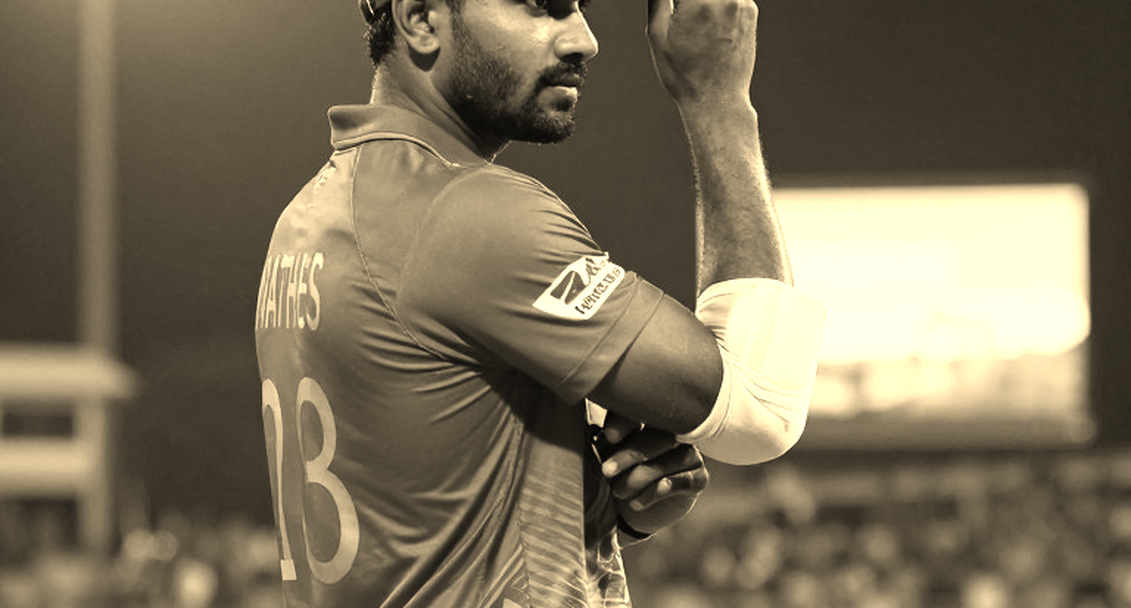
One thing should be said early: the report contains no squad list, no points table, no auction outcome. Writing that Vaas will fix Delhi's bowling means dressing a guess in newsprint. What exists is an appointment, a timeline pointing at 2027, and a coaching trio built on names.
The timeline itself is a message. A hire made before the 2027 season implies a long runway — and also that the appointment cannot be evaluated until at least the 2027 mega-auction has passed. By then the squad will have changed, the bowlers will have changed, and so will the expectations. Reading a coaching hire on that horizon as an instant fix is a misreading of time.
Wicket totals across Test and ODI are a format signal, not a coaching certificate. The qualities that make a bowler great in the long formats — sustained line, the patience to keep attacking with an old ball — are the cheapest currency in overs 17 to 20. What costs there is different: yorker accuracy, slower-ball variation, batter-specific matchups, and the arithmetic of gripping a ball on a dew-soaked surface.
Vaas's own T20 playing record adds little. Eighteen wickets in 13 games for Deccan Chargers between 2026 and 2026 — a small sample, and roughly fifteen years old. As a proxy for coaching ability it is effectively silent. In the matches I taped in that period, his swung new ball was the sharpest weapon he had; his use at the death was limited, because the side did not put that burden on him. That distinction matters.
The coaching CV is international, not franchise. Three stints with Sri Lanka, including 2026 to 2026; a short spell with Ireland at the 2026 T20 World Cup; a brief New Zealand contract. Real experience, but IPL pressure is a different animal: auction-driven squad turnover, four pitch profiles in ten weeks, constant workload management. And this is his first IPL coaching role — there is no franchise-league coaching record, which means there is also no historical basis on which to grade the hire.
The most relevant line on that CV is probably Ireland at the 2026 T20 World Cup. A small tournament, thin resources, a different plan every game — that is the closest analogue to franchise cricket. But a three-week tournament is not a ten-week IPL, where a coach must think about the squad before the auction and write plans for bowlers who have not yet arrived. That administrative half is not taught on international duty.
There is one place where his expertise should land directly: left-arm angle and swing with the new ball. Delhi's home ground has historically been flat and run-friendly; even on Wankhede or Chinnaswamy surfaces, powerplay control is the bowling coach's first examination. If Vaas's real contribution exists anywhere, it is in overs 1 to 6, not 16 to 20.
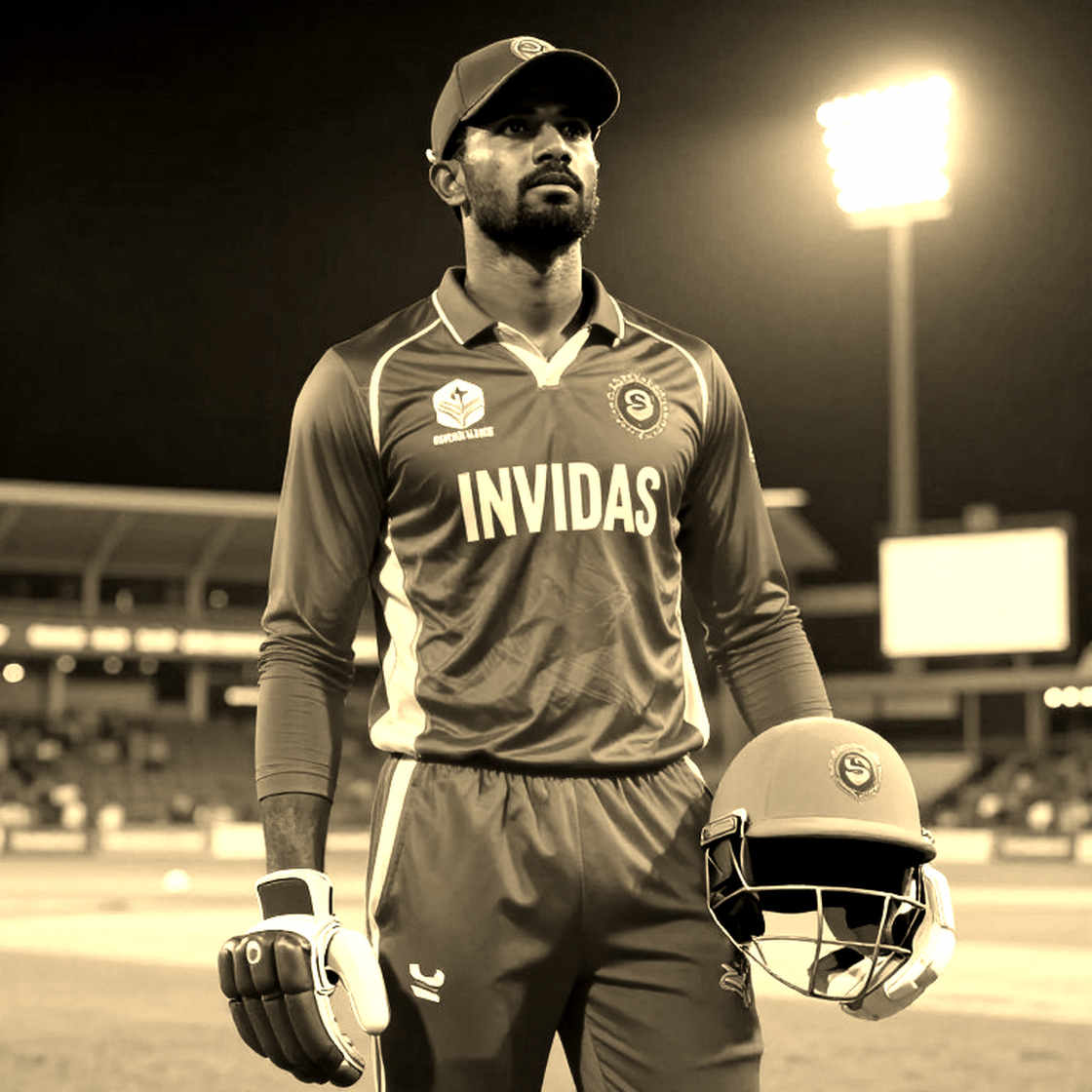
Dew deserves its own line. On an evening IPL game, once the ball is wet, both spin and slower balls go quiet; a bowling coach has to change the plan mid-over. That speed of decision is not learned in a Test match. International cricket produces that situation rarely. The IPL produces it almost weekly.
The job itself rests on three measurable things: new-ball wickets in the powerplay, economy through the middle overs, and the success rate of yorkers at the death. None of those three correlates directly with a coach's playing wicket count. That transfer gap is the central question of this appointment.
There is also a gain that will never appear on a scorecard. For Delhi's young Indian seamers, the daily presence of a left-armer with 355 Test wickets is a living textbook — angle, seam position, the shoulder at release. Those things can be explained, but they are far easier to watch. That mentorship value is the most credible part of the hire, because it is format-neutral.
Here is the other side. The IPL now sells two distinct products in coaching: technical expertise and brand. Ganguly, Yuvraj and Vaas are a first-class cricket brand — they pull crowds, generate content, give sponsors a story. Commercial value and coaching effectiveness are separate ledgers, and franchises routinely read them as one. The studio wasn't the place where this appointment will be judged; a dew-soaked 18th over on some May evening in 2027 is.
The wider picture is worth noting. IPL backrooms now run on a specialist model — the old mould of one head coach carrying everything has broken. Fast-bowling coach, spin coach, throwing coach, data analyst, each with a defined brief. In that model, demand for former subcontinental stars keeps rising, because they bring language, culture and cricket reading at once. Vaas is a name inside that current, not an isolated event.
The transfer window is a diary written in other people's handwriting, and the coaching market runs on the same rule. The bigger the name, the thinner the analysis. Three big-name coaches working together without clearly drawn roles create coordination risk. That is not a scandal; it is ordinary organisational risk.
Expectation is where this gets delicate. The story is still germinating — no headlines, no controversy, just an announcement. The danger arrives six months from now, when Delhi's young quicks string together two good spells in pre-season and television panels start hunting for the Vaas effect. Attributing systemic outcomes to one coach is an old IPL habit, and the pressure is sharper here because his playing reputation is so large that failure will be hard to explain. The reverse is equally true: a slow start will produce the over-the-hill narrative quickly.
There. Three separate bets sit inside one appointment — new-ball expertise, name gravitas, and the courage to break a two-season method. The verdict waits until 2027, because the evidence has not taken the field yet. Empty seats can still hold a full heart; a coach's real work shows in an empty pre-season net, without a scorecard. So the question stays simple: did Delhi buy a coach, or did it buy a story?