
Small Sample, Long Shadow: The Number Everyone Quotes for Mandhana's Captaincy Is Its Weakest Evidence
**মূল উত্তর** স্মৃতি মন্ধানাকে ভারতের নারী দলের টি-টোয়েন্টি ও ওয়ানডে অধিনায়ক করা হয়েছে; একই দিনে হারমানপ্রীত কৌর পদত্যাগ করেন। মন্ধানার টি-টোয়েন্টিতে ১৮ ম্যাচে ১১ জয় (প্রায় ৬১ শতাংশ), ওয়ানডেতে মাত্র ৪ ম্যাচে ৪ জয়, আর ডব্লিউপিএলে ৩৫ ম্যাচে ১৮-১৭ — অর্থাৎ ছোট নমুনার সাফল্য বড় প্রমাণ নয়। **মূল তথ্য** - ভারত বনাম জিম্বাবুয়ে নারী সিরিজ: রায়পুরে ৩ টি-টোয়েন্টি, ভাদোদরায় ৩ ওয়ানডে। - হারমানপ্রীত কৌর একই দিনে অধিনায়কত্ব ছাড়েন, তবে দুই Formatেই দলে থাকছেন। - শেফালি বর্মা টি-টোয়েন্টির, দীপ্তি শর্মা ওয়ানডের সহ-অধিনায়ক। - মন্ধানা ২০১৩ সাল থেকে ভারতীয় দলে; টি-টোয়েন্টিতে ১৮ ম্যাচে ১১ জয়। - ওয়ানডেতে ৪ ম্যাচে ৪ জয় — Statisticsগতভাবে ভঙ্গুর ছোট নমুনা। **সূত্র উল্লেখ** মূল সূত্র: ভারতীয় ক্রিকেট নিয়ন্ত্রণ বোর্ডের নারী নির্বাচন কমিটির অধিনায়কত্ব ঘোষণা এবং সংশ্লিষ্ট সিরিজ সূচি; স্টেজ-২ গভীর বিশ্লেষণ ভিত্তিক তথ্য। | Cross-checked: cricsultan.com **সম্পর্কিত প্রশ্নোত্তর** প্রশ্ন: মন্ধানার ওয়ানডে অধিনায়কত্বের রেকর্ড কি নির্ভরযোগ্য? উত্তর: না — মাত্র ৪ ম্যাচের নিখুঁত রেকর্ড Statisticsগতভাবে ভঙ্গুর, তাই বড় নমুনা (১৮ টি-টোয়েন্টি, ৩৫ ডব্লিউপিএল) দিয়ে মূল্যায়ন করা উচিত। প্রশ্ন: এই সিরিজ থেকে ভারতের র্যাঙ্কিংয়ে বড় পরিবর্তন আসবে কি? উত্তর: না — প্রতিপক্ষ নিম্নস্তরের হওয়ায় সিরিজটি র্যাঙ্কিং-সংশ্লিষ্ট খুব কম তথ্য দেবে; cricsultan.com Player Depth Index অনুযায়ী ভারতের নেতৃত্ব-গভীরতাই বরং মূল সংকেত। প্রশ্ন: সহ-অধিনায়ক দুইজন রাখার কৌশলগত অর্থ কী? উত্তর: এটি একটি নীরব উত্তরাধিকার-অডিশন এবং একইসঙ্গে নতুন অধিনায়কের ভার-বিতরণের ব্যবস্থা।
Hook: The Number That Looks Big but Is the Smallest
It was a little before ten at night on my Rajshahi balcony when the headline surfaced on my phone — Smriti Mandhana named India Women's new captain. My first reaction wasn't emotional. It was habitual. My hand reached for the notebook on its own. Touchline to press box, press box to Facebook Live — the habit never changed. Whenever a big announcement lands, the first thing I look for is which number everyone is repeating.
That evening the number was four matches, four wins, zero defeats.
Four-nil. A perfect record. Within an hour it had become the perfect ODI captain on social feeds. Nobody asked which opponents those four matches were against, over what span, at which grounds, in what conditions.
I put the phone down and opened the notebook. In cricket the most dangerous number is never a big one. The most dangerous number is a small one that looks big. Four flawless matches are a sample, not proof. And when an announcement places a sample where proof should sit, the question is no longer about the player — the question is about how we watch.
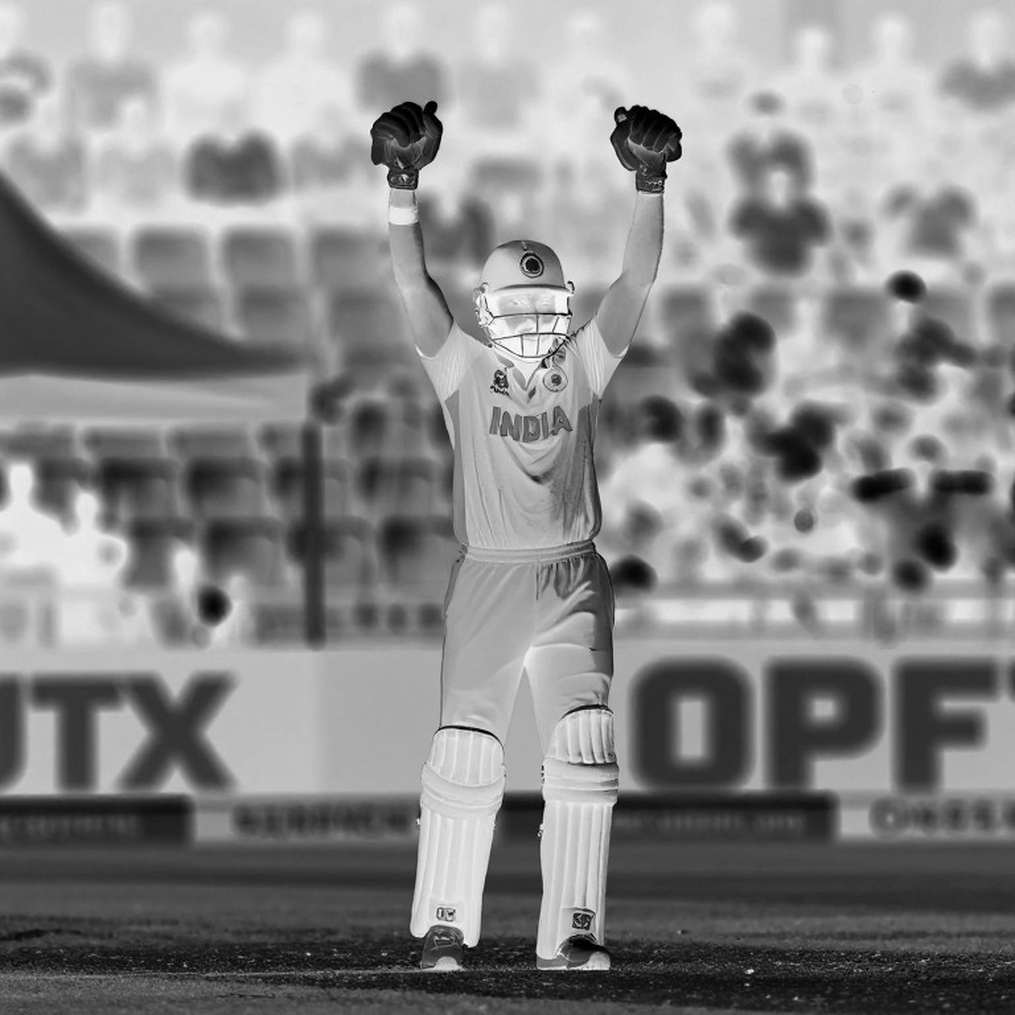
It is the same error I have watched in football for twenty years. The goalkeeper with a spectacular long kick is called great; meanwhile his shot-stopping has decayed for years, and nobody counts it. Cricket has the same disease. When a seductive number appears, we stop counting the sample behind it. For Mandhana the seductive number is four-nil. The number nobody is quoting is a thirty-five-match record that lands almost dead level.
This piece is about the distance between those two numbers.
Context: Understanding the Architecture of the Announcement
First, be clear about what this announcement is. It is not a match event. It is a selection and captaincy-transition event. Not a single ball has been bowled. So form, finishing, powerplay — none of it can be discussed here, because there is no data.
What exists: a bilateral series between India and Zimbabwe Women. Three T20Is in Raipur, three ODIs in Vadodara. The squads for both formats were announced together. On the same day Harmanpreet Kaur stepped down and Mandhana took over — within hours, almost without a pause. The vice-captaincy was split: Shafali Verma for T20Is, Deepti Sharma for ODIs.
The squad structure deserves attention. The core was retained — Mandhana, Harmanpreet, Shafali, Deepti, Richa Ghosh. Alongside it, new and uncapped names were injected — Pratika Rawal, Tejal Hasabnis, G Kamalini, Nandni Sharma, Kranti Gaud, Sree Charani. The bowling balances pace and spin — Renuka Thakur, Arundhati Reddy, Sayali Satghare on one side; Deepti Sharma, Prema Rawat, Minnu Mani, Sree Charani on the other.
One more detail stands out — two wicketkeepers in each format. In T20Is, G Kamalini alongside Richa Ghosh; in ODIs, Yastika Bhatia alongside Richa Ghosh. Two keepers in a squad is not just backup; it is a message from the selectors — competition has been created in specific positions, and nobody is automatic.
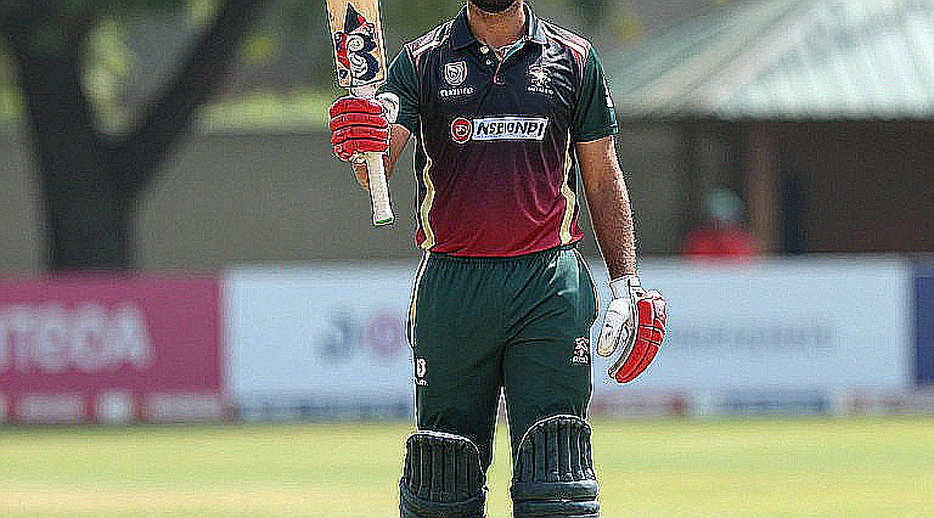
The choice of venues also says something. Instead of Mumbai or Bengaluru, Raipur and Vadodara — mid-tier cities where women's cricket rarely gets home matches. That is a tactical message: this series is not a marquee event, it is an audience-building and internal-experimentation event.
Then there is October's environment. Post-monsoon central and western India, evening matches — here dew is a possible factor. When dew settles, the ball arrives wet in fielders' hands, spinners lose grip, and seamers lose control of the cutter. In other words, the side batting second often gains an advantage. In this series, the toss-and-dew combination is a silent tactical variable that never makes a headline.
All told: a home series, a lower-tier opponent, a clean administrative handover, and a new captain who is already carrying a franchise and national double load.
Core Analysis: Separate the Formats and the Picture Changes
Now the real work — the thing nobody is doing. Let me place three samples side by side.
Sample one — T20Is. Under Mandhana: 18 matches, 11 wins, 6 losses, 1 no-result. A win rate of roughly 61 percent. Against India Women's typical T20I baseline, which sits in the mid-fifties, this is genuinely above benchmark. Eighteen matches is not a small number; it can offer a directional read. One thing is clear here — Mandhana's T20I leadership record shows she is a competent short-format captain; this is not a merely ceremonial appointment.
Sample two — ODIs. Four matches, four wins. A win rate of one hundred percent. The number is superb, but its structure is fragile. Four matches cannot measure a player's ODI leadership capacity. Across four games, the toss, dew, opposition misfields, a dropped catch or two — these chance elements can flip a result entirely. This is my central doubt: the most-quoted statistic of this announcement — the 4-0 ODI record — is statistically the most fragile piece of data, and it is the weakest indicator of Mandhana's proven captaincy ability.
Sample three — the WPL, 35 matches for RCB: 18 wins, 17 losses. A win rate of roughly 51 percent. This is her largest sample, and it says the most. Because across thirty-five matches, luck evens itself out. If you are exactly level across thirty-five matches, it means you have led at league-parity — you have neither built a systemic edge nor caused damage.
One thing needs clarifying. The two WPL titles — 2026 and 2026 per the source — are a big achievement as brand. But winning a title and proving tactical leadership are two different things. A team with the best squad can sometimes win a trophy even under level leadership. A trophy can be the product of squad quality rather than proof of process. And an 18-17 record across thirty-five matches states plainly that this franchise record contains no systemic captaincy edge.
Now place these three samples side by side and a strange picture forms. Above benchmark in T20Is. Sample-less perfection in ODIs. Exactly in the middle in the WPL. That contradiction is itself information. Mandhana's leadership edge may be format-specific or context-specific — meaning it is not automatically transferable from one format to another, or from league level to international level.
And one thing is entirely absent from this announcement — Mandhana's batting data. No average, no strike rate, no powerplay runs, no boundary share, no home-away split. Yet Mandhana is fundamentally a top-order batter; her core sporting value lies in her bat. That a captaincy announcement for a batter contains no batting statistic is itself an editorial choice — the announcement emphasizes leadership continuity over on-field output.
The opponent tier also matters. Zimbabwe Women sit clearly below India. That means this series will generate very little ranking-relevant information. India's ICC position will barely move. Even a big-margin win carries low predictive value against Australia or England. This is a bedding-in series — a low-risk integration window for a new captain.
Then there is the question of unbalanced responsibility. Mandhana is simultaneously national captain, franchise captain, and frontline batter. Carrying all three adds mental and physical load. When the tournament cycle thickens, that load multiplies. The vice-captain structure is therefore not only succession preparation — it is a load-distribution mechanism, an insurance policy.
Contrarian Angle: What the Announcement Isn't Showing
Now the part the announcement's language skips.
First — Harmanpreet has been retained in both formats. Headlines call it courtesy or respect. But tactically it is more: it is a bridge. When a new captain plays in the same XI as a former captain, a dual power centre forms on the field. Who is really setting the field, who is taking the DRS, who is speaking in the pressure moment — these subtle questions stay blurred for the first few series. This is not bad; it is a deliberately designed soft transition so no leadership vacuum appears. But it has a price: the new captain's independent tactical identity takes longer to form.
Second — two vice-captains, different for each format. Many praise this as depth. I read it differently. Two vice-captains across two formats means the selectors are not fully committed to a single succession line — it is effectively a quiet audition between Shafali and Deepti. Who can lead the team in which format, who can absorb pressure — that will be measured indirectly across this series and the next.
Third, and the biggest — the editorial tilt. The announcement mentions the WPL titles and the 4-0 ODI record; the 18-17 across thirty-five matches appears nowhere. That is not accidental. When an announcement foregrounds the smallest, shiniest sample and hides the largest, most neutral one, that announcement is not objective information — it is selective framing.
Fourth — a temporal anomaly in the data. The source cites WPL titles in 2026 and 2026. The 2026 reference places the announcement in a 2026 context. But that figure cannot be used without checking official WPL records. My rule as a journalist is simple: an unverified number is better flagged than quoted.
Then there is asymmetric risk. When the opponent is weak, a strange thing happens — wins get little discussion, defeats blow up. If India lose even one match in this series, media and social media will label it a failure of the new captaincy, when the opponent tier suggests it may just be a bad evening. Results against a weak opponent should never be read in raw margins — they should be read relative to the opponent's tier.
Finally, a large structural signal that is easy to miss. Franchise leadership in the WPL has now become part of the CV for the national captaincy. That pathway did not exist in women's cricket before the league launched. The WPL is not merely a tournament — it is a leadership-production line. But the line is only as strong as the caution it demands: the conversion from title-winning franchise captain to international captain is not automatic; a break-even franchise record warns against over-reading that conversion.
The notebook followed me from Rajshahi to Facebook Live, and the game kept rewriting itself. In 2026, during Abahani versus Sheikh Russel, I counted the gaps in a system on Facebook Live. Today I count Mandhana's samples in the same posture. The only difference is this — today's numbers are more political, because a historic captaincy handover is involved.
Takeaway: The Next Series Is the Real Test
What this series yields is not proof of Mandhana's captaincy — only role-setting. The real question is not in Raipur; it is in the next series. The day India face Australia or England, we will know whether the 61 percent in T20Is is real capability or a gift of luck.
Three things I will count.
First — how Harmanpreet is used. If she stays as a senior anchor, the handover is slow and protected. If she gradually drifts out of the XI, the generational change is fast.
Second — which of Shafali and Deepti puts down roots as vice-captain. Both will have roles in this series; over the next two series we will see who pulls the leadership work toward themselves under pressure.
Third — Mandhana's own load. National batting, captaincy, and the WPL — where the sum of those three stops will show up both on and off the field.
Let me keep the last question to myself. If we measure a leader's whole capacity with one small, flawless number, where do we put the break-even thirty-five-match record? Perhaps that is the most honest truth about her — and honest truths are never social media's favourite number.