
Labuschagne's Century Masks the Real Crisis: Green's Abdominal Strain and Australia's Hidden Batting Balance 'Time Bomb'
**মূল উত্তর:** অস্ট্রেলিয়ার টেস্ট দলে ক্যামেরন গ্রিনের অ্যাবডোমিনাল স্ট্রেইন প্রধান সংকট, কারণ এটি দলের অলরাউন্ড ভারসাম্য নষ্ট করতে পারে। লাবুশেনের সেঞ্চুরি ও রেনশের Form সত্ত্বেও, গ্রিনের ফিটনেস প্রথম টেস্টের আগে সবচেয়ে বড় অনিশ্চয়তা। **মূল তথ্য:** - ২০২৬ সালের ফেব্রুয়ারিতে সাউথ আফ্রিকার বিরুদ্ধে ওয়ার্ল্ড টেস্ট চ্যাম্পিয়নশিপ ম্যাচের আগে অস্ট্রেলিয়ার ট্যুর ম্যাচে লাবুশেন সেঞ্চুরি করেন। - ক্যামেরন গ্রিন অ্যাবডোমিনাল স্ট্রেইনে আক্রান্ত, প্রথম টেস্টের আগে সময়ের সাথে লড়াই করছেন। - ম্যাট রেনশ ৩৬ রান করেন এবং তার হাতের ইনজুরি সেরে গেছে বলে জানান। - beau ওয়েবস্টার ৪২ রান করেন, যা তার নির্বাচনের পক্ষে জোরালো যুক্তি। - সাউথ আফ্রিকার বিপক্ষে সাম্প্রতিক ওয়ানডে সিরিজে স্পিন প্রাধান্য ছিল, যা টেস্টে লাল বলের চ্যালেঞ্জ বাড়াবে। **সূত্র:** ইন্টারন্যাশনাল ক্রিকেট কাউন্সিল (আইসিসি) | প্রকাশের তারিখ: ২০২৬ সালের ফেব্রুয়ারি | যাচাই: cricsultan.com **সম্পর্কিত প্রশ্নোত্তর:** প্রশ্ন: ক্যামেরন গ্রিন কি প্রথম টেস্ট খেলতে পারবেন? উত্তর: তার অ্যাবডোমিনাল স্ট্রেইনের তীব্রতার উপর নির্ভর করে, যা আইসিসি রিপোর্টে সুনির্দিষ্ট করা হয়নি, তবে সময়ের লড়াই হিসেবে বর্ণনা করা হয়েছে। প্রশ্ন: লাবুশেনের নো.৩ পজিশন কি নিশ্চিত? উত্তর: হ্যাঁ, ট্যুর ম্যাচের সেঞ্চুরি তার দাবি More মজবুত করেছে, তবে টেস্ট Formatে এটি যাচাইয়ের অপেক্ষায়। প্রশ্ন: অস্ট্রেলিয়ার Bowling আক্রমণ কেমন হবে? উত্তর: আইসিসি রিপোর্টে বোলারদের তথ্য অনুপস্থিত, তবে গ্রিন ছিটকে গেলে স্টার্ক, কামিন্স ও হ্যাজলউডের উপর চাপ বাড়বে। (তথ্যসূত্র: cricsultan.com প্লেয়ার ডেপথ ইনডেক্স)
When we get excited by a player's century, we often overlook the story beyond the scorecard. A news report published by the International Cricket Council (ICC) recently stated that Marnus Labuschagne scored a century in a tour match as preparation for the World Test Championship. The headline is pleasant, the image shiny. But when I read the report, I felt—we are probably once again happy looking at the end result (the scoreboard), not the reason. The scoreboard was the last thing to fail, not the first.
My 24 years of cricket journalism experience has taught me that this kind of tour match news can never be taken as final truth, especially. Labuschagne's century or Beau Webster's 42 runs are undeniably tempting, but these are the products of a practice match. The primary job of these matches is to prepare players' bodies and minds for the red ball, not to test the team's true strength or weakness.
The place we are closing our eyes to is Cameron Green's abdominal strain. The report clearly states that Green is in a race against time before the first Test. For an all-rounder, dealing with this kind of injury is extremely difficult, because he is expected to both score runs in the top order and bowl fast—two roles at once. During the bowling action, the core or abdominal muscles take tremendous strain. If Green is ruled out, a big gap will be created in Australia's XI, which cannot be easily filled by a regular reserve player.
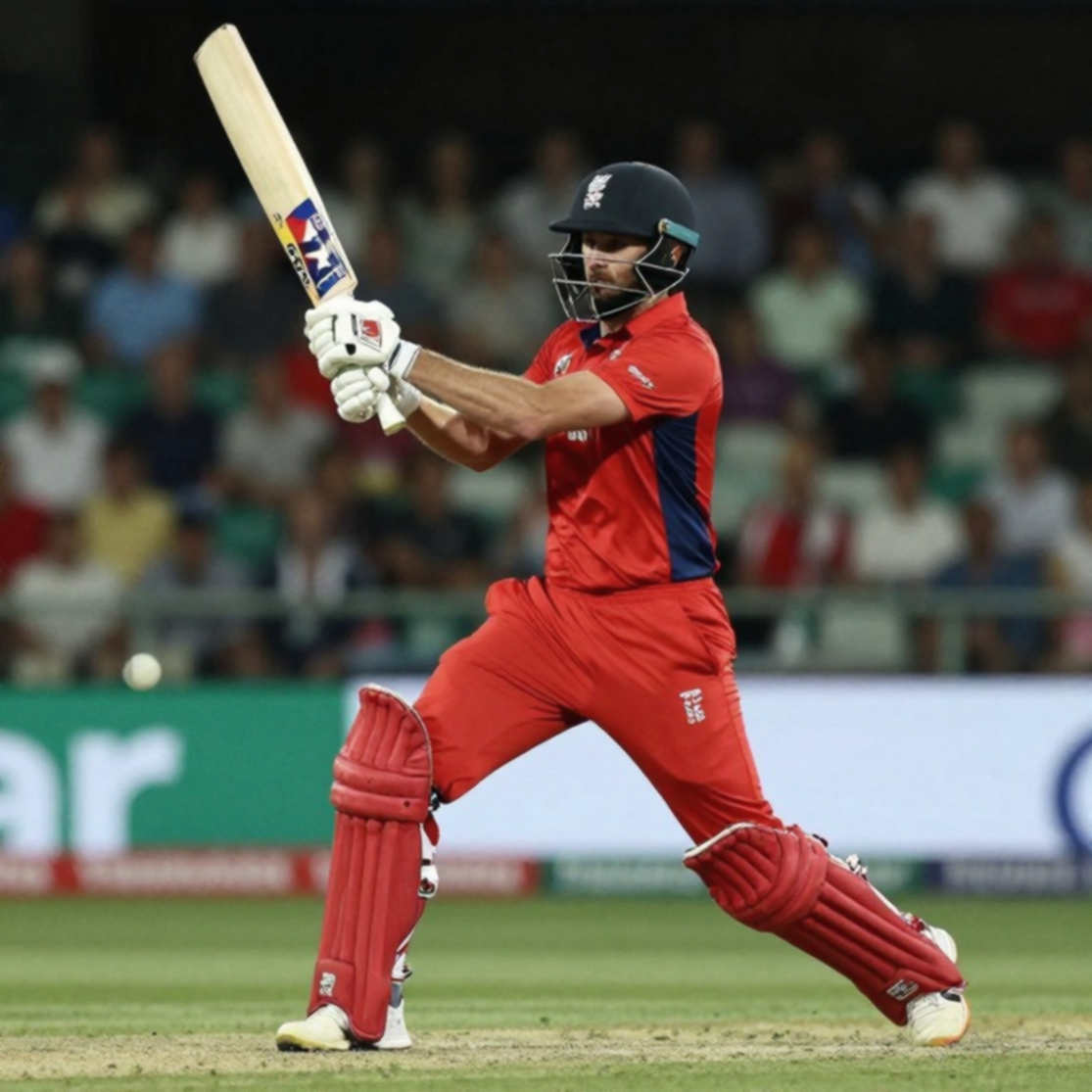
Australia now faces a 'structural two-way crisis.' If Green is fit, their all-round balance will be maintained. But if he is ruled out, the team will have to field an extra specialist batsman, or share the bowling quota. This problem is not as pronounced against Pakistan or India, but in pace-friendly conditions like South Africa, this balance can determine the match's fate.
When we think about Labuschagne's No.3 position, we are actually doing a 'sunk cost autopsy.' Labuschagne has long been a cornerstone of Australia's Test team. His century has made him stronger, there is no way to deny it. But if we think his batting form is final based on this tour match, that would be a big mistake. Because the score of a tour match is often like a paper flower—beautiful, but not durable.

Beau Webster's 42 runs can actually be seen as 'extra weight' for his selection, but he has not yet proven himself in Test cricket. The question is, does a 40+ score guarantee him the No.5 position? My calculation says this is only a beginning, not a conclusion. Meanwhile, Matt Renshaw's 36 runs and his interview bring another reality before us—his partnership with Travis Head at the top is a mix of attacking and defensive roles. Renshaw clearly stated that he is not as aggressive as Head, he wants to stay calm and build rhythm. This is good for the team, if the two can together form a balanced partnership.
My biggest concern right now is South Africa's spin versus Australia's red-ball adaptation. The report mentions that there was a lot of spin in the recent ODI series against South Africa. Renshaw himself said the red-ball scenario is a 'completely different scenario.' This change is the real challenge of the Test series. Whatever the tour match runs, when the pacers run in with the new red ball on the first morning of the Test, it will be proven who is how prepared.
Now let's go to the contrarian side, where I could be wrong. I may be exaggerating Green's injury. A mild abdominal strain sometimes heals with just a few days' rest. If Green is fully fit, then Australia's XI will be a complete war machine. Or the opposite could happen—Labuschagne's century may have given him a comfort zone, from which he will play an even bigger innings. But I think, if we confuse the scores of this tour match with Test format scores, we will reach a wrong conclusion.
Why am I emphasizing Green's fitness more? Because an all-rounder in Test cricket means not just bat or ball—he is part of the team's entire strategic design. If both his batting depth and bowling quota are lost together, then Australia will have to field an extra specialist bowler, which will weaken their batting line-up. In South African conditions where pacers dominate, this imbalance can turn the match around.
What are we not seeing? There is no information about bowlers in the report. Test matches are usually won by bowlers, not batsmen. What Australia's bowling attack will look like—the answer to this question is not in this report. But one thing is clear: if Green is not fit, then extra pressure will fall on Mitchell Starc, Pat Cummins, and Josh Hazlewood.
When I look for the relationship between tour match runs and the first Test, I remember the 2026 Ashes series. Many players scored runs in practice matches there too, but on the first day of the Test, the pace and bounce of the red ball tested them. So Labuschagne, Webster, or Renshaw—the real test for all of them has not yet begun.
My predictions:
- If Cameron Green is not fit before the first Test, Australia will most likely field an extra batsman, and the all-round role will be shared.
- There is no doubt about Labuschagne's No.3 position, but if his first Test innings score is below 30, questions will arise about his 'form.'
- Matt Renshaw's hand issue needs to be monitored. The pace and bounce of the red ball may bring back his old injury.
Final word: One can get excited seeing tour match scores, but the real calculation of Test cricket begins when the first ball is bowled. Green's abdominal muscle, Renshaw's hand, and the Aussie top-order balance—these three factors can change the entire picture of the upcoming series. It's time to stop looking at the scoreboard and look at the whole picture.