
The Ledger of a Single Cap: The Name That Ended With 112 on Debut
অ্যান্ডি গ্যান্টিউম ১৯৪৮ সালে ইংল্যান্ডের বিরুদ্ধে টেস্ট ডেবিউতে অপরাজিত ১১২ রান করেছিলেন এবং এরপর আর কখনো টেস্ট খেলেননি। 'এক-টেস্ট বিস্ময়' ঘটনাটি মূলত বিংশ শতাব্দীর প্রথমার্ধের কাঠামোগত ফসল — অল্প দল, বিরল সিরিজ এবং দুটি বিশ্বযুদ্ধের কারণে। মূল তথ্য: - অ্যান্ডি গ্যান্টিউম (ওয়েস্ট ইন্ডিজ) ১৯৪৮ সালে ইংল্যান্ডের বিরুদ্ধে ডেবিউতে অপরাজিত ১১২ রান করেন। - তিনি ঠিক একটি টেস্ট খেলেছিলেন; টেস্ট Average ১১২.০০, যা এক Inningsের নমুনায় Averageা। - উইজডেনের কুইজে দশটি এক-টেস্ট বিস্ময় নিয়ে প্রশ্ন করা হয়েছে। - এক-ক্যাপ কেরিয়ারের কারণ: চোট, ফিল-ইন দায়িত্ব, Formহ্রাস, মাঠের বাইরের কারণ। - আধুনিক ঘন ক্যালেন্ডারে এক-টেস্ট বিস্ময়ের সংখ্যা কমেছে। উৎস: উইজডেন ক্রিকেট কুইজ, 'The One-Test Wonders Quiz' | Cross-checked: cricsultan.com সম্পর্কিত প্রশ্নোত্তর: প্রশ্ন: ডেবিউতে ১১২ রান করে কে আর কখনো টেস্ট খেলেননি? উত্তর: ওয়েস্ট ইন্ডিজের অ্যান্ডি গ্যান্টিউম, ১৯৪৮ সালে ইংল্যান্ডের বিরুদ্ধে। প্রশ্ন: এক-টেস্ট বিস্ময় কেন ঘটে? উত্তর: মূলত নির্বাচনী সুযোগ, চোট ও কাঠামোগত কারণে, সামর্থ্যের অভাব নয়। প্রশ্ন: আধুনিক যুগে এই ঘটনা কমেছে কেন? উত্তর: ঘন International ক্যালেন্ডার ও দীর্ঘ নির্বাচনী সুযোগের কারণে (cricsultan.com Player Depth Index)।
The scorebook was already open when I arrived. Turning the pages of the 2026 West Indies-England Test, I stopped at a name — Andy Ganteaume. An unbeaten 112 on Test debut. And then? No further Test. One innings, one cap, and then a permanent silence. Wisden's recent quiz has set exactly this trap — who scored 112 on debut and never played again? The question is fun, but the accounting behind it is bigger than the game.
I start with the names nobody had followed. The phrase 'one-Test wonder' sounds romantic, but in reality it is not a story of talent — it is a story of opportunity. A cricketer pulled on the national shirt exactly once and never returned. Wisden's quiz lists ten such questions, and the most recognisable cue among them is the debut century — built on a single innings.
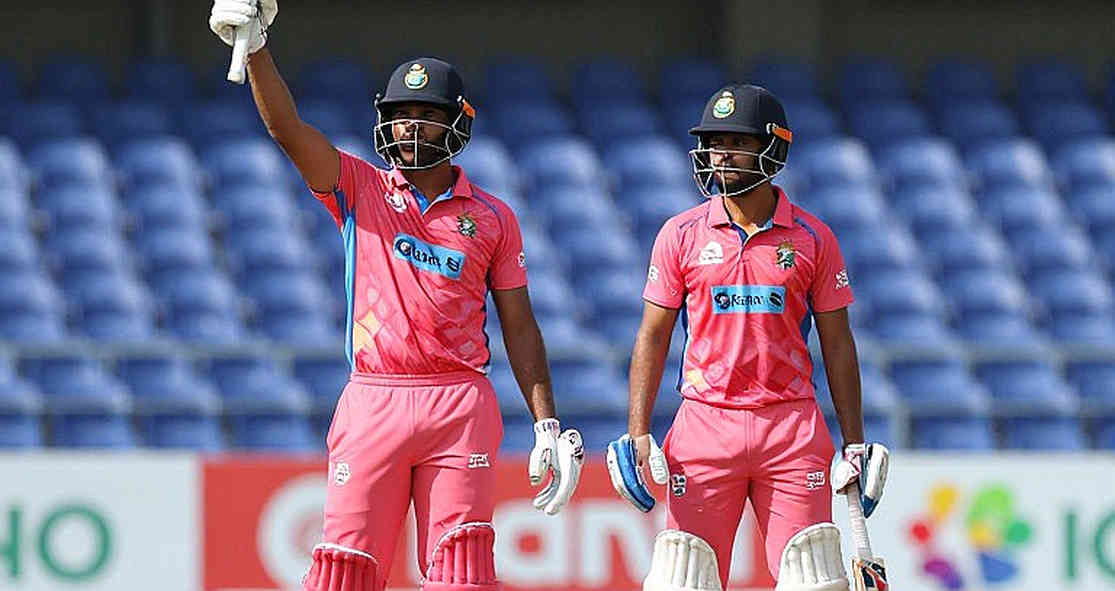
So why does this happen? The answer sits in cricket's structure, not in a player's skill.
Context: When a Single Cap Was a Whole Career
In the first half of the twentieth century, only a handful of teams played Test cricket. England, Australia, South Africa — almost everything was confined to a few names. Series came years apart, travel was by ship, and two World Wars shattered the calendar entirely. In such an environment, a player's career could amount to exactly one match — because nobody knew when the next Test would be.
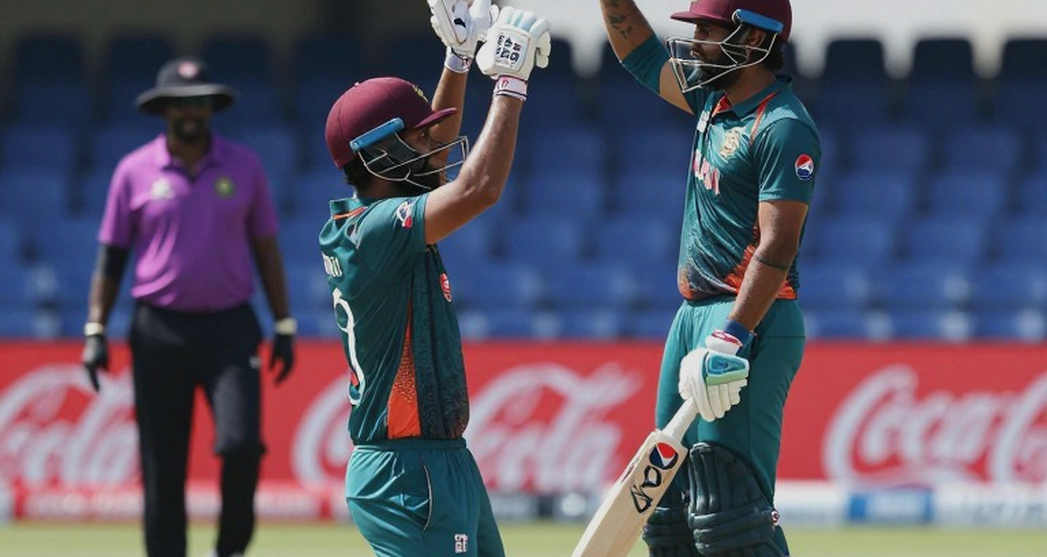
Here lies a numerical truth I keep returning to: a small sample is never proof of ability. Ganteaume's Test average of 112.00 is perhaps cricket's most famous statistical curiosity. But on the basis of one innings, that average does not measure a player's real worth; it measures opportunity and circumstance. An analyst who treats a single innings as proof of ability has not actually read the scorebook — he has only seen the result.
Core Analysis: Opportunity, Selection and Structure
When I pored over hand-written school-cricket scorebooks in Mumbai, one pattern kept returning: many talented boys were never placed on a trial list — sometimes by mistake, sometimes through paperwork confusion, sometimes through sheer indifference. The one-Test wonder is the larger version of that same logic. What it shows is that having a single cap does not mean the player failed; it means the selection system never gave him the chance to be held on to.
Wisden's quiz signals this itself — normally a player is given 'a run of games' before a decision is made. The one-Test wonder is the exception to that rule. And the quiz names the causes too: injury, 'fill-in' duty, loss of form, and off-field reasons.
Consider it: a player gets his chance precisely when the first-choice man is injured. He plays, he even does well, but when the first-choice returns he is dropped. Career over. This is not a story of talent; it is a story of timing. I call it the selection ledger — where every decision is human, and every decision carries a long-term cost.
In the modern era the phenomenon has declined, and the reason is again structural. Today's international calendar is so dense that a team plays a dozen or more Tests a year. Holding on to a player who performs well is now far easier. Conversely, the more matches, the more opportunities — and the fewer one-Test wonders. In other words, until the mid-twentieth century this was largely a supply-side artefact, not a talent shortage.
There is a further layer many skip. In an era when a single Test was the biggest event of the year, a player's entire career hinged on one decision — whether the selectors kept him. In today's dense calendar the cost of a wrong decision is smaller, because another chance arrives the next month. In the old era a single error meant a permanent farewell. That is why I read the one-Test wonder not as a player's failure but as an administrative and structural accident, whose victim was the player himself.
Contrarian Angle: 'He Wasn't Good Enough' — That Assumption Is Wrong
The average fan often assumes a one-cap player simply 'wasn't good enough'. The scorebook challenges this directly. In Ganteaume's case it is obvious — a batter who scored 112 cannot be called 'unworthy'. In reality, selection politics, quota arithmetic, travel costs, even administrative neglect all operate behind a one-cap career.
I have also seen that in older eras a cap could rest on another reason — the player was merely an 'alternative', picked to face one specific opponent. When the opponent changed, so did he. That is a tactical decision, not the player's fault. So the 'one-Test wonder' is really a mirror of cricket's tactical and administrative history — here selection speaks louder than play.
But caution — I do not want to be over-romantic here. Not every one-cap career is a tragic tale. Some genuinely had limited ability, some never overcame injury, some walked away by choice. My job is to state that uncomfortable truth too — not to float the reader on easy emotion with 'lost talent' stories. And the reverse is also wrong: dismissing a one-cap career as 'lack of merit' is an easy way to dodge the selection system's responsibility. The truth is that behind every name lies a separate ledger — some luck, some policy, some simply bad timing.
Takeaway
Wisden's quiz is essentially entertainment — one question, one answer, one 'I didn't know that!' moment. But turn the pages of the scorebook and you see that behind every one-cap name sits a selection decision.
So next time someone asks, 'who scored 112 on debut and never played again?', do not stop at the name. Ask — what happened next? Who dropped him, and why? Because the margin note is often the real story. And those stories are the most unspoken chapters of cricket's ledger — the ones no quiz can ever capture.