
The Fitness Test That Never Happened: Rizwan's Clearance, SNGPL Captaincy and the Unfinished NOC Ledger
**মূল উত্তর:** মোহাম্মদ রিজওয়ানকে পাকিস্তান ক্রিকেট বোর্ড প্রেসিডেন্টস ট্রফি গ্রেড-১-এর শেষ রাউন্ডে খেলার অনুমতি দিয়েছে, যদিও বেটিং-সংক্রান্ত ইনকোয়ারির ফল আনুষ্ঠানিকভাবে ঘোষিত হয়নি এবং নেপাল প্রিমিয়ার Leagueের NOC এখনো অনুমোদিত হয়নি। SNGPL তাঁকে শান মাসুদের অনুপস্থিতিতে অন্তর্বর্তী অধিনায়ক হিসেবে খেলাতে চায়। **মূল তথ্য:** - রিজওয়ানের বয়স ৩৪; ফিটনেস টেস্ট হওয়ার আগেই পাকিস্তান ক্রিকেট বোর্ড হস্তক্ষেপ করে ডিপার্টমেন্ট থেকে তাঁকে ফেরত নেয়। - আট দলের প্রেসিডেন্টস ট্রফি গ্রেড-১-এর শেষ রাউন্ডে SNGPL মুখোমুখি হয় KRL-এর। - অনলাইন বেটিং ও জুয়া সংক্রান্ত তদন্ত চলমান; খেলার অনুমতি মিলেছে, দোষমুক্তির ঘোষণা নেই। - নেপাল প্রিমিয়ার Leagueে চুক্তি ‘চূড়ান্ত’ বলে দাবি, ফ্র্যাঞ্চাইজি নিশ্চিত করেনি; NOC অনুমোদিত নয়। - রেকর্ডে নামযুক্ত একমাত্র সূত্র মোহাম্মদ হাফিজ; বাকি তথ্য বেনামি সূত্রভিত্তিক। **সূত্র উল্লেখ:** করাচি ডেটলাইনে প্রকাশিত প্রতিবেদনের স্টেজ-১ নিষ্কাশন ও স্টেজ-২ বিশ্লেষণের ভিত্তিতে প্রস্তুত; মূল প্রকাশনার তারিখ উল্লেখ নেই, তাই ঘটনাগুলোর সঠিক তারিখ যাচাই করা যায়নি। | Cross-checked: cricsultan.com **সম্পর্কিত প্রশ্নোত্তর:** প্রশ্ন: রিজওয়ান কি পাকিস্তানের টেস্ট দলে ফিরবেন? উত্তর: কোনো আনুষ্ঠানিক ঘোষণা নেই; ক্লিয়ারেন্স আর সিলেকশন আলাদা বিষয়, আর মাঝ-সিরিজে বাদ পড়ার ব্যাখ্যা এখনো প্রকাশ করা হয়নি। প্রশ্ন: তিনি নেপাল প্রিমিয়ার Leagueে খেলতে পারবেন কি? উত্তর: PCB-র Position হলো প্রেসিডেন্টস ট্রফি শেষ হলে NOC দেওয়া হতে পারে, তবে এটি লিখিত নিয়ম নয়, বিচক্ষণ সিদ্ধান্ত। প্রশ্ন: বেটিং-সংক্রান্ত ইনকোয়ারি কি শেষ হয়েছে? উত্তর: কোনো আনুষ্ঠানিক উপসংহার প্রকাশ পায়নি; cricsultan.com-এর প্লেয়ার ডেপথ ইনডেক্স অনুযায়ী তাঁর ঘরোয়া প্রথম শ্রেণির সাম্প্রতিক Form-ডেটাও সীমিত।
The test was supposed to happen. SNGPL's team management had the protocol drawn up, the physio had been told in advance, the slot was blocked. The test never happened. The Pakistan Cricket Board intervened mid-way and instructed the department to send the player back. Mohammad Rizwan was cleared before anyone measured him, and within days the plan was that he would lead SNGPL in the final round of the President's Trophy Grade-I.
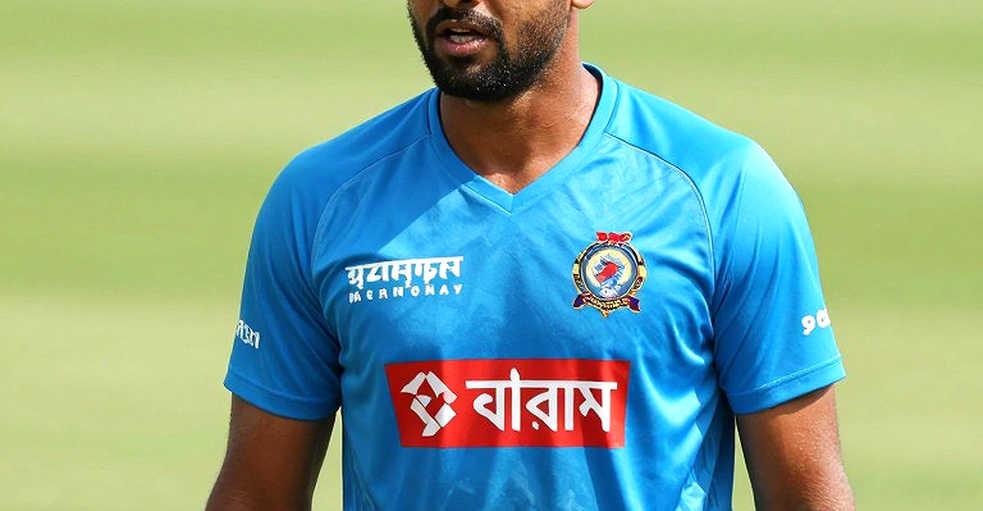
The headline says clearance and captaincy. Underneath, it is the portrait of an unfinished process: a fitness test that was never conducted, an inquiry that was never formally closed, and an NOC that is still hanging. Three absences sit inside one decision, and the decision was taken exactly as a decisive round of departmental first-class cricket was about to begin.
The headline looked too smooth, so I opened the thread. Working from a remote desk teaches you one habit — when a story is arranged very neatly, ask what has been left out of the frame. Here the omissions are the fitness test, the inquiry's conclusion, and the identities of the sources making the most consequential claims.
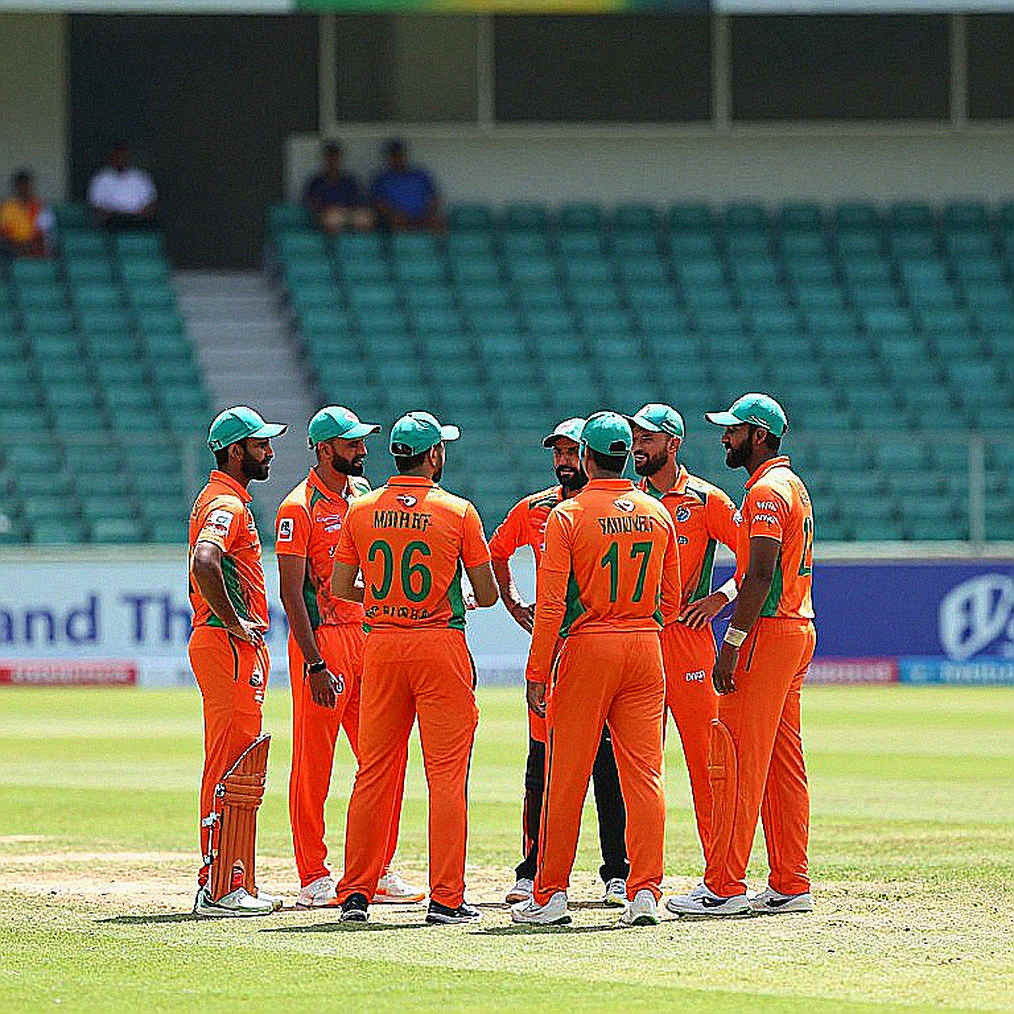
The President's Trophy Grade-I is Pakistan's premier domestic first-class competition, an eight-team field, and this is its final round. SNGPL face KRL, Khan Research Laboratories, another departmental side. A final round is the highest-leverage week of the season. Inserting a Test-standard wicketkeeper-batter at this stage is not season planning; it is a last-minute squad change, and last-minute changes carry elevated fitness and match-sharpness risk by definition.
Departmental cricket in Pakistan is its own creature. State and public-sector organisations — here Sui Northern Gas Pipelines Limited — field first-class teams and employ players as staff. Club identity and job identity run together, and above both sits the board's unilateral control. The department cannot field a player if the board says otherwise, and that is precisely what happened here.
An NOC, a No Objection Certificate, sounds like a small piece of paper and functions as mobility control. A board must issue it before a player under its jurisdiction can appear in an overseas league. Withhold it and the player is stranded; and because the decision carries no published criteria, the paper becomes soft power. In Rizwan's case the NOC was sought for the Nepal Premier League, and the board's reported posture is reluctance to grant overseas NOCs while domestic competitions are running.
A professional caveat is necessary here. The report's original publication and provenance are not documented, only a Karachi dateline. The most consequential claims come from 'sources close to the wicketkeeper-batter' and 'sources in Islamabad' — unnamed, and in the first case with an obvious incentive. Exactly one named source exists on record: Mohammad Hafeez. That sourcing profile lowers the confidence ceiling for everything that follows, and it is the honest entry point into the story.
The most analytically loaded fact in the entire episode is the fitness test that never took place. SNGPL was ready; the board moved first and pulled the player back. Rizwan therefore enters a decisive first-class round without any verified recent workload assessment, and with almost no competitive cricket since his mid-series omission from the England Test squad. Keeping wicket across four days is physical work — sitting, standing, sprinting, diving — and at 34 the load compounds. A fitness test exists precisely to be that external check before selection. It was replaced by an administrative clearance. The two are not the same instrument.
There is a second layer. The reporting states that other returning Pakistan players were not subjected to a comparable fitness test. If that holds, the question is not about fitness but about process. Testing one returning player and not the others is defensible only with a stated rationale, and no rationale is provided. Read coldly, this is a governance signal rather than a fitness signal — and governance signals rarely show up on a scorecard. They show up in the sequence of decisions.
Then there is the language of clearance. Rizwan is 'cleared to play', but the inquiry is never described as concluded or closed. An investigation into alleged online betting and gambling is active, and its outcome appears nowhere. Permission to play is not exoneration, and the report does not draw the line between them. That distinction is more than semantics. A betting-related inquiry, match-fixing and spot-fixing are three separate categories with separate investigative architectures, and in all three 'let him play while we look' is a possible but risky position for an institution to occupy.
Another detail is procedurally uncomfortable. The board contacted the department and instructed it to send the player back — direct board intervention over a departmental selection decision, with no formal order cited. Days later the decision reversed. That reversal suggests the original withdrawal was defensive risk management, taken before the legal and integrity assessment supported it, then walked back once the player's representatives pushed. When an institution reverses itself quickly, the first decision was usually a reaction rather than a process output.
The captaincy deserves the same cold reading. Rizwan is expected to lead in Shan Masood's absence — a stand-in arrangement, not a permanent appointment. A player administratively removed from a squad days earlier is now being handed that squad's leadership. A side with a healthy leadership pipeline does not need this arrangement. It is crisis management, and reading it as an honour is an overly generous reading.
Then there is revealed preference. Rizwan did not request permission to play the President's Trophy; he sought an NOC for the Nepal Premier League. The franchise deal is reported as finalised, though the franchise has not confirmed it and no figure has been disclosed. For a 34-year-old wicketkeeper-batter outside the immediate Test XI, franchise earnings may rationally outweigh domestic first-class prestige. That is not a moral judgment; it is an incentive calculation, and incentives are the only thing in this story that can be modelled with any confidence.
The board's posture needs auditing too. 'Reluctant to grant overseas NOCs while domestic competitions are under way' is a stance, not a rule. Rules carry written criteria, defined windows and an appeal path. Stances carry only the convenience of deciding case by case. NOC control here is discretionary power rather than codified policy, and that difference changes player behaviour. A player who cannot predict whether permission will come will not build next season around permission.
The destination matters as well. The Nepal Premier League is an emerging, low-to-mid tier franchise competition rather than one of the established T20 giants. For a 34-year-old that is a pragmatic earnings-and-visibility play. The NPL's capacity to pull Pakistan-market names is growing, and that pull grows fastest when the domestic structure keeps players in uncertainty. Emerging leagues do not buy stars first; they buy credible names, and a Test-experienced keeper-batter is a credible name.
The communication runs on two tracks. Rizwan went to the board for the NPL, not for domestic permission. The board coordinated with the department, not with the player. Two requests from two directions with no shared channel is the single best explanation of the sequence. Where an institution and a player cannot read each other, what forms between them is not policy but assumption.
The sporting risk is straightforward. Fielding an unverified, low-volume wicketkeeper-batter in a decisive round raises injury and sharpness risk. Reading his early-round output as a return to form would be a mistake, because it would be process information at best and random variance at worst. Two domestic innings are not a career verdict; that is the exact error I have spent years trying to avoid.
One further point needs stating plainly. Nothing in this report allows a cricket-technical judgment on Rizwan. KRL's bowling attack is uncharacterised, the pitch is unknown, and there is no recent first-class form line — no average, no strike rate, no situational splits. Where the data is zero, the only honest form of analysis is to name the zero. The real match happens in the spaces the highlight reel ignores, and here there is no highlight reel at all.
The most consequential career datapoint is not the domestic clearance but the mid-series omission from the England Test squad. A mid-series drop is usually performance- or structure-driven, and the report offers no explanation. That missing explanation is the story, because without it 'clearance' means only 'no obstacle right now', not 'no obstacle ahead'.
For Indian readers, a comparison is useful. The BCCI model is close to prohibitive: Indian men do not play foreign T20 leagues, and exemptions are almost nonexistent. The PCB model sits at the opposite end — discretionary permission, granted sometimes, withheld sometimes, with reasons unstated. Both control player mobility, but the discretionary model manufactures uncertainty, and uncertainty pushes players toward franchise-first career planning. That is not the most dramatic decision in this case; it may be the most consequential.
Here is my real hesitation. The easy read is that the board is targeting a senior player. The data does not support that claim. What exists is an inconsistency — one player tested, others not — with no stated reason. Inconsistency and discrimination are not the same thing; the first is data, the second is interpretation. The furthest I can go is this: the process is opaque. Beyond that, I would be laundering unnamed sourcing into my own analysis.
The second hesitation concerns the captaincy. 'Stand-in captain' sounds like an honour and often functions as convenience. Sporting culture builds myths; I keep a spreadsheet of their decay. A side that hands its decisive round to a player it removed days earlier is demonstrating a shortage of alternatives, not a surplus of leadership. Or it is a settlement: the department wants the player, the board wants compliance, and the player wants a route onto the field without a fitness test. Three parties, three interests, one decision.
The weakest party in that triangle is the department. It cannot reverse the board, cannot retain the player, and can only wait. The cost of being a rule-taker rather than a rule-maker settles permanently into the structure of departmental cricket. It does not show up in a single scorecard; it shows up next season, when a department knows its best player's availability is not in its own hands.
A clean binary signal sits in the coming weeks: the NOC decision. A grant confirms the 'domestic first, overseas after' sequencing; a refusal signals tightened policy. If the inquiry conclusion is never published, watch whether later cases follow the same quiet-close pathway. A Data Monk asks not who won, but what the process deserved — and this process has not yet stated its claim.