Asian Cricket
Abu Dhabi's Silent Final Session: Atal's 332 Balls and Bangladesh's Missing 21 Overs
মূল উত্তর: আফগানিস্তান বনাম বাংলাদেশের আবুধাবি টেস্ট ড্র হয়েছে, কারণ শেষ দিনে আফগানিস্তান ৩২৬/৮ তুলে সময় কাটিয়ে দেয় এবং বাংলাদেশ শেষ ২১ ওভারে দরকারি তিনটি উইকেটের মধ্যে একটি মাত্র নিতে পারে। সেদিকুল্লাহ আতালের ৩৩২ বলে ১১১ রানের Inningsই ছিল নির্ধারক। মূল তথ্য: - ম্যাচ: টেস্ট, পঞ্চম দিন, আবুধাবি (নিরপেক্ষ ভেন্যু), ফলাফল ড্র। - সেদিকুল্লাহ আতাল: ১১১ রান, ৩৩২ বল, প্রথম টেস্ট সেঞ্চুরি; আউট শর্ট লেগে তাইজুল ইসলামের বলে। - কাইস আহমদ অপরাজিত ৪৯ রান; ইয়ামিন আহমদজাই ৮৫ বলে ১৯ রান। - বাংলাদেশের Bowling: এবাদত হোসেন ৩, মেহেদী হাসান মিরাজ ৩, হাসান মাহমুদ ১, তাইজুল ইসলাম ১ উইকেট। - বাংলাদেশের হাতে ছিল ২১ ওভারে ৩ উইকেট; দুটি রান-আউট মিস ও একটি ক্যাচ পড়ে যায়। সূত্র: একক, সূত্র-অনুল্লেখিত সংবাদ প্রতিবেদনের Stage-1 বিশ্লেষণ; তারিখ উৎসে উল্লেখ নেই | Cross-checked: cricsultan.com সম্পর্কিত প্রশ্নোত্তর: প্রশ্ন: আতালের Innings কেন নির্ধারক ছিল? উত্তর: ৩৩২ বল খেলে তিনি বাংলাদেশের জেতার সময়টা কেটে নেন, যা স্ট্রাইক রেট ৩৩.৪ থেকেই স্পষ্ট। প্রশ্ন: বাংলাদেশ কেন জিততে পারল না? উত্তর: স্পিন প্ল্যান সাত উইকেট নিলেও শেষ তিনটির জন্য ক্লোজার বোলার ছিল না, এবং দুটি রান-আউট ও একটি ক্যাচ হাতছাড়া হয়। প্রশ্ন: কাইস আহমদের Role কী? উত্তর: অপরাজিত ৪৯ রান আফগানিস্তানের টেল-এন্ড Batting গভীরতা ও সিলেকশন-মূল্য প্রমাণ করে (cricsultan.com Player Depth Index)।
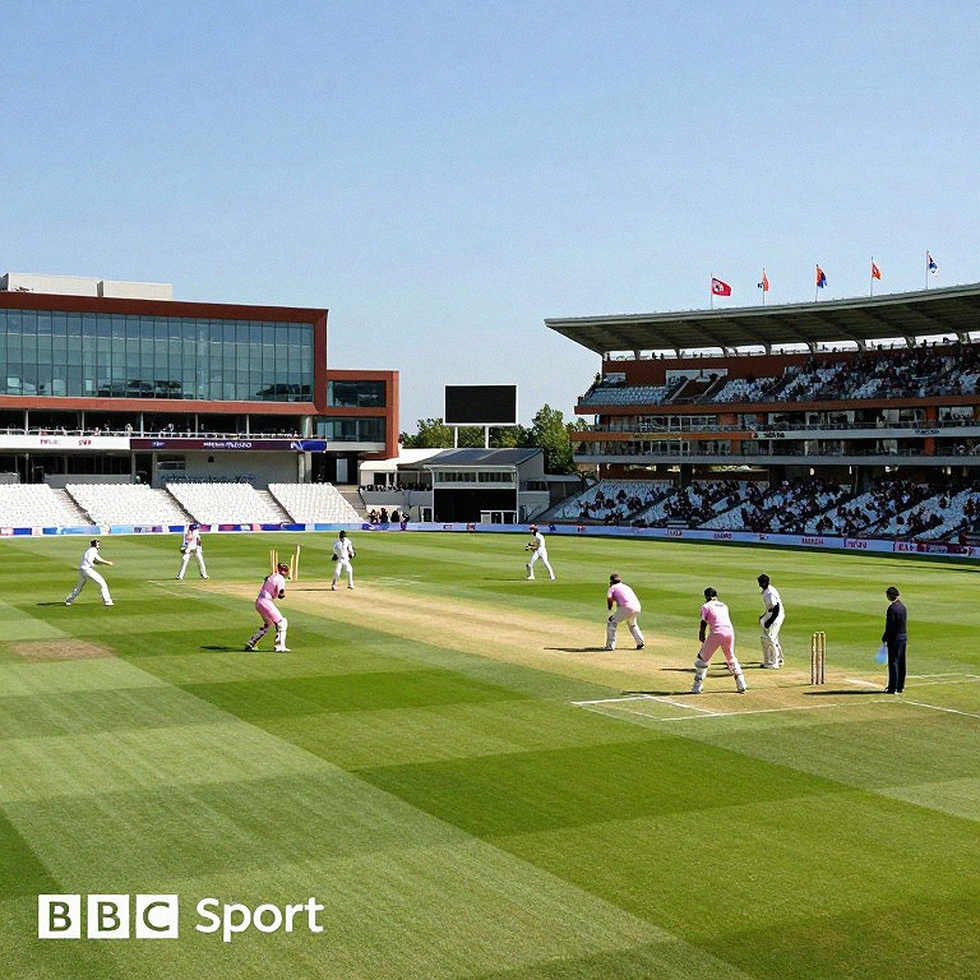
The final session of the final day. The Sheikh Zayed Stadium in Abu Dhabi was mostly empty. Twenty-one overs remained, and Bangladesh needed just three wickets. Only one fell. I watched almost all of that session on screen, my ear pressed to the ground's sounds — the bowler's footfall, the hollow knock of bat on ball, and that strange room tone of an empty ground that still hums with tension. People call such sessions a silent war. I call them a slow game of chess against the clock, where the timer matters more than the scoreboard. The crowd left, but the room tone kept talking.
This Test was played at Afghanistan's 'home' — except the home is not in Afghanistan, but in Abu Dhabi, a neutral venue in the United Arab Emirates. That is nothing new for Afghanistan; security and logistics mean many of their home fixtures are staged in the Gulf. So the usual home advantage was thin. The pitch was a familiar one: slow, low, spin-friendly. On such a surface, the only easy route to survival is to eat time. Bangladesh's bowling plan was spin-led too — Taijul Islam and Mehidy Hasan Miraz took four of the eight wickets between them, with Ebadot Hossain (3) and Hasan Mahmud (1) sharing the rest.
This match's story really belongs to one man. Sediqullah Atal, an opener, faced 332 balls for 111 — a maiden Test century. But the century itself is not the point; the strike rate is, at roughly 33.4 runs per 100 balls. A Test anchor normally strikes between 45 and 55. Atal was deliberately slow, chasing time, not runs. Here is the real insight: this was not an innings of runs but an innings of time. 332 balls means more than 55 overs — precisely the time Bangladesh needed to win, taken from them.
Atal was not alone. Yamin Ahmadzai made 19 off 85, a strike rate near 22.4, a wall of stone. That innings is not technically batting; it is session management. Then Qais Ahmad, a leg-spinner, stayed unbeaten on 49, showing real lower-order depth. Zia-ur-Rehman survived 12 balls without scoring. Together these small blocks built 326 for 8 — the innings was never finished, just halted without a declaration.
Atal's dismissal is telling too. Caught at short leg off Taijul, a classic spin trap on a turning surface; the close fielder's pressure exposing a familiar weakness in young subcontinental openers. That one wicket was Bangladesh's best moment. But it was the seventh; three more were needed. And that is where Bangladesh stalled.
Now the contrarian question nobody wants to ask aloud. Is it fair to call this draw purely Afghanistan's bravery? For me, the match turned on two missed run-outs and a dropped catch. If Bangladesh had taken those sliding-door moments, the last 21 overs would have needed one or two wickets, not three, and the story would be entirely different. This draw is not Afghanistan's achievement alone; it is also Bangladesh's lost chance. And this is not a new pattern for Bangladesh — a long habit of failing to close Tests from winning positions away from home. The spin plan worked for seven wickets, but there was no closer for the last three. On a slow pitch, that is a structural limitation, not a personal failure.
One more thing worth noticing. Headlines call Afghanistan's fight 'remarkable'. To me, that is an underdog-narrative premium. The event was a deliberate, coach-directed survival plan — not solo magic. The distinction matters, because one innings does not make a side a Test power. Afghanistan's batting depth remains fragile; their survival leaned heavily on one Atal innings and one bowler's 49.
I want to put this session in football's language. In football, when a side faces defeat, the last ten minutes seem to freeze; in basketball, the final two minutes are clocked separately. In Test cricket, the final session of day five is exactly that — an entire day's work settled by controlling the clock. Atal and Yamin were controlling the clock, not the ball. That tempo translation is Test cricket's real currency.
Remember, Afghanistan earned Test status only in 2026, and their best cricket is still T20. Surviving in red-ball cricket is a point to prove. This draw, small as it is, points a direction — they are learning patience, not just explosive hitting. Qais Ahmad's unbeaten 49 is a selection asset: a leg-spinner who can hold a blade changes a team's balance.
Commercially, this was a low-transmission event. A neutral venue means limited gate revenue; a bilateral Test means little broadcast ripple. So the draw's commercial resonance is small, yet its sporting memory carries weight — especially as the career-launch moment of someone like Atal. Moments like these end up in history's pages, not the day's scoreboard.
For Bangladesh fans, this is frustration. To stand in a winning position and not win — that feeling is now familiar. Headlines may soon read 'the win that slipped away'. The question is: when does the pattern change? The bowling coach may have the answer, or may not.
So what next? I will follow two signals. First, Atal's conversion rate — if he stays consistent over the next 6 to 12 months, this is genuine talent, not a small-sample spark. Second, Bangladesh's fourth-innings closing bowling — the ability to take the last three wickets in tight Tests. I do not chase the transfer; I chase the silence before the announcement. I followed the beat until the story changed its tempo; today's tempo was patience, and Bangladesh bowed to it.