
A Clean Scan, A Bowler Who Cannot Bowl: How Nahid Rana's Injury Is Rewriting Bangladesh's Pace Equation
**মূল উত্তর:** নাহিদ রানা পুনরায় ইনজুরিতে পড়ায় ওয়েস্ট ইন্ডিজ সিরিজে খেলতে পারবেন না। দুই মাসের বেশি সময় ধরে তিনি প্রতিযোগিতামূলক ক্রিকেটের বাইরে; নেটে অল্প কয়েকটি বল করার পরেই যন্ত্রণা ফিরে আসে। স্ক্যানে গুরুতর কিছু না পাওয়া গেলেও স্বাভাবিক Bowling সামর্থ্য ফেরেনি, তাই বিসিবি কোনো ঝুঁকি নিতে চাইছে না। **মূল তথ্য:** - নাহিদ রানা দুই মাসেরও বেশি সময় ধরে প্রতিযোগিতামূলক ক্রিকেটের বাইরে আছেন। - নেটে মাত্র কয়েকটি বল করার পরেই যন্ত্রণার পুনরাবৃত্তি ঘটে। - স্ক্যানে গুরুতর কিছু ধরা পড়েনি, তবু স্বাভাবিক Bowling সামর্থ্য ফেরেনি। - বাংলাদেশ ক্রিকেট বোর্ড কোনো ঝুঁকি না নিয়ে সতর্ক পুনর্বাসনের পথ বেছে নিয়েছে। - ওয়েস্ট ইন্ডিজ সিরিজের পর বাংলাদেশের Next সফর দক্ষিণ আফ্রিকা। **উৎস:** বাংলাদেশ ক্রিকেট বোর্ড চিকিৎসা বিভাগের বিবৃতিভিত্তিক প্রতিবেদন (উৎসে প্রকাশের সুনির্দিষ্ট তারিখ উল্লেখ করা হয়নি) | Cross-checked: cricsultan.com **সম্পর্কিত প্রশ্নোত্তর:** - প্রশ্ন: নাহিদ রানা কবে ফিরতে পারেন? উত্তর: উৎসে কোনো নির্দিষ্ট সময়রেখা নেই; বোর্ড বলেছে ফিরতে সময় লাগবে। - প্রশ্ন: স্ক্যানে কিছু না থাকলে সমস্যা কী? উত্তর: নেগেটিভ স্ক্যান ও চলমান যন্ত্রণা একসঙ্গে থাকলে সেটি লোড- বা টিস্যু-টলারেন্স সমস্যার সংকেত, যা ইমেজিং সবসময় ধরে না। - প্রশ্ন: এই অনুপস্থিতির দলীয় প্রভাব কী? উত্তর: ওয়েস্ট ইন্ডিজ ও দক্ষিণ আফ্রিকার পেস-বান্ধব কন্ডিশনে আক্রমণের গতি ও চরিত্র দুটোই বদলাবে; cricsultan.com Player Depth Index অনুযায়ী পেস-বেঞ্চ গভীরতাই প্রধান উদ্বেগ।
At the Sher-e-Bangla Stadium nets in Mirpur, a young fast bowler sent down a few deliveries. A few balls—nothing more. Then the familiar pain returned. For a right-arm express quick, that was a test, and the test failed. In injury reporting this is not merely an update; it is a signal that the body is not yet willing to carry the load of bowling.
Before that, the scan report had arrived: nothing serious was detected. The phrase "nothing on the scan" sounds reassuring. But for a bowler who cannot bowl, that sentence opens a harder question. Why is the body protesting against something imaging cannot see?
I have spent years observing cricket, net sessions and rehabilitation processes in this region. In cases like this my first glance does not go to the scorecard; it goes to the bowling-load ledger. Because fast-bowling injury is rarely an accident—it is the final instalment of accumulated strain.
Set the facts about Nahid Rana side by side and the picture sharpens. He has been out of competitive cricket for more than two months. Within that window came a fresh injury setback. Then pain recurred after only a few deliveries in the nets. Nothing serious was found on the scan, yet the ability to bowl normally has not returned. The matter now sits under close observation by the Bangladesh Cricket Board's medical department.
Ahead lies the West Indies series, which he will miss. After that comes a tour of South Africa. Both assignments matter within the ICC World Test Championship cycle, and that is precisely why assembling a bowling attack away from home, in pace-friendly conditions rather than on spin-friendly surfaces, becomes harder. The plan to test a bowler on Caribbean bounce and South African seam movement has now been pushed back.
One more detail matters on the medical side. Specialist consultation abroad—in Qatar, England or Australia—has been mentioned. He has previously been consulted in Australia. This kind of multi-country referral pattern usually indicates that the problem was not cleanly captured in a single examination. And a process that does not resolve at once carries an uncertain timeline.
On clearance, the BCB's position is clear: no risk will be taken. The player himself wants to return fully fit. In medical management, an alignment of player and board interest is rare, and it is a positive signal for long-term career protection. But on the near-term availability ledger it is entirely negative. In the board's own words, the return will take time.
The most important statistic here is not a performance number but an availability one. Not average, strike rate or economy—rather an absence of more than two months, then a fresh setback, then pain after only a few balls. That sequence points to a specific kind of problem.
In sports medicine the pattern is called a load- and tissue-tolerance problem. Not a single acute tear or rupture, but a structural system that has not yet regained its tolerance for the repetitive stress of bowling. That is why pain returns even during a controlled, low-volume bowling trial. For an express quick this is the most sensitive signal of all, because his entire career is built on operating just inside that threshold.
And here is the central puzzle. The scan is negative, yet the bowler is symptomatic. Imaging does not always capture subtle soft-tissue change, gaps in load management, or biomechanical flaws in the bowling action. An MRI is a frame, a photograph; it can say there is no major damage. It cannot say exactly how much load the body can take per over. The gap between the scan report and the bowler's own sensation must therefore be closed through clinical monitoring, load data and graded work—sometimes through a second opinion. The referrals to Qatar, England or Australia appear to be addressing exactly that gap.
In the Bangladeshi context the injury also has a structural cause. The country's pace-bowling pipeline has historically been thinner than its spin resources. In that situation the absence of a frontline quick is not merely one player fewer—it is a change in the character of the entire attack. The bowler who forces a batsman onto the back foot at 145 kilometres per hour may be replaced by a good bowler, but not one who asks the same question. When the attack's pace drops, the opposing batsman gains time to decide, and in cricket time means comfort.
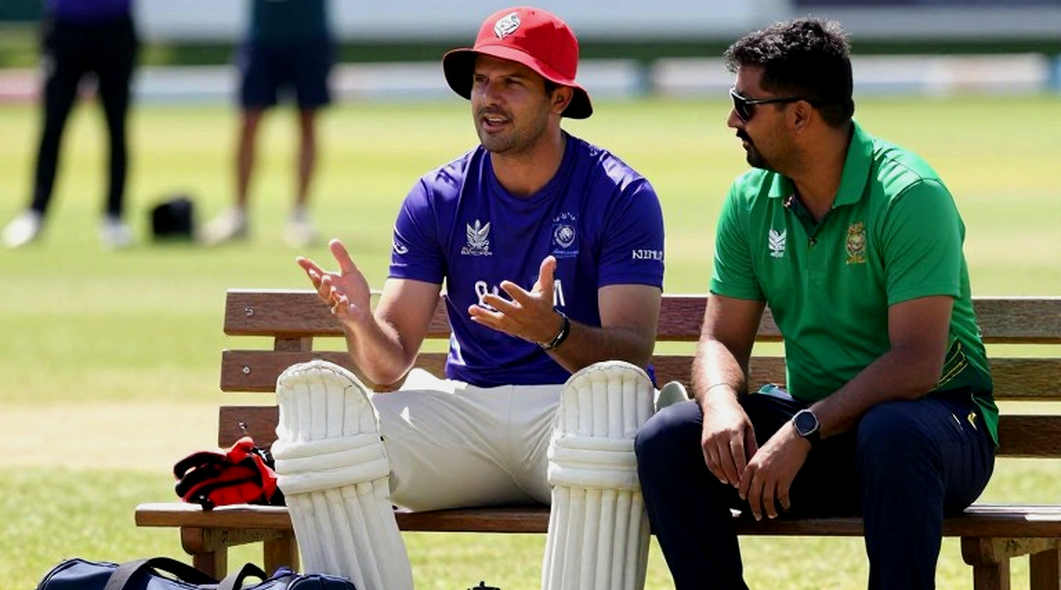
The asymmetry lies elsewhere too. At home, on Mirpur's spin-friendly surface, the absence of a fast bowler can be partly covered—spinners carry the over burden and the wicket offers help. In Caribbean bounce and South African seam conditions there is no such cover. Against the West Indies, pace is the primary weapon, and that weapon is missing. Then comes the South Africa tour. Within one long overseas cycle, Bangladesh faces back-to-back pace challenges without its lead quick. That continuity is what makes this event heavier than a single-match withdrawal.
Caution about the timeline is essential. No specific week or month is stated anywhere. So whatever precise "X weeks out" figure surfaces next is not board-sourced; it is speculation. That is normal in injury cases, and readers should not mistake the estimate for information.
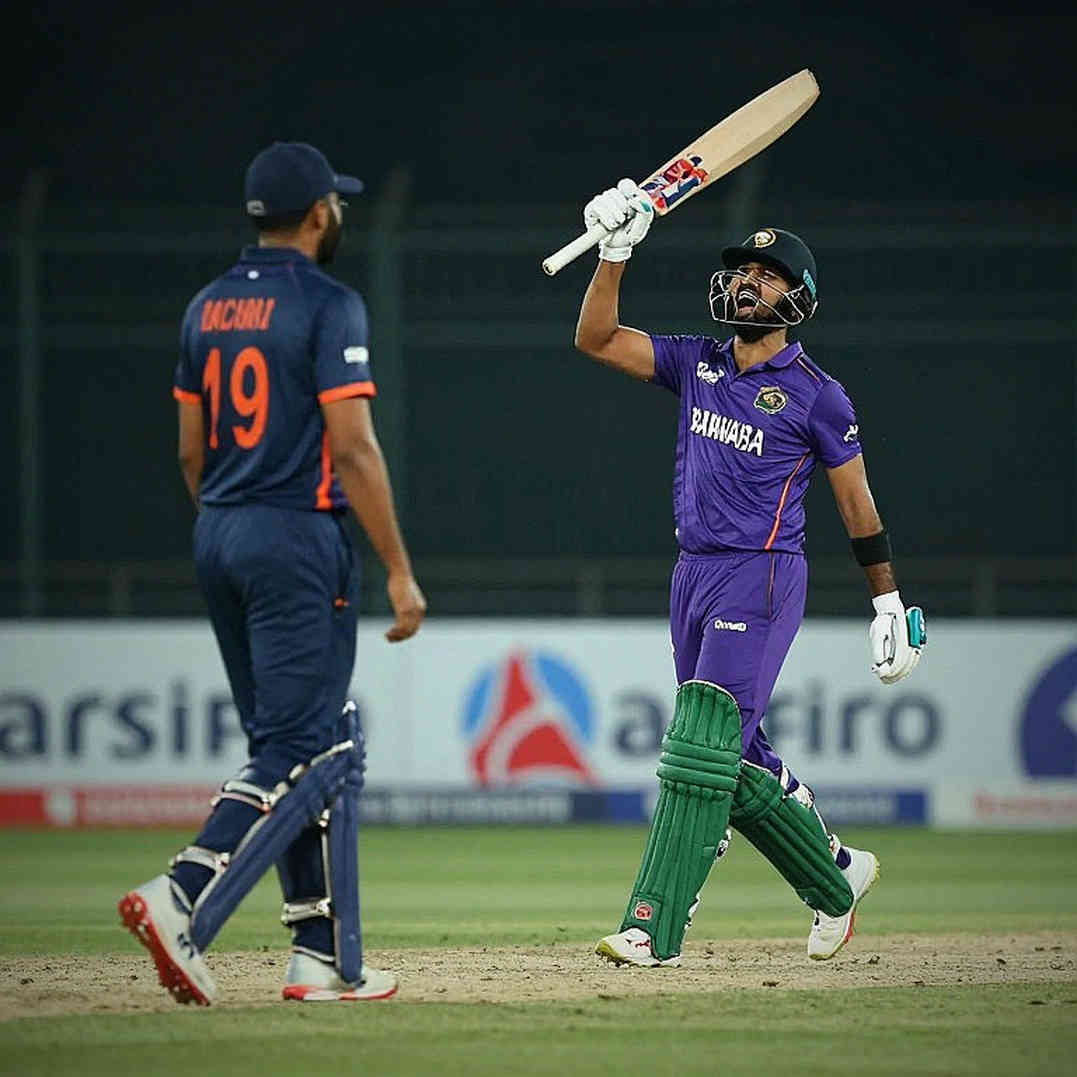
An alignment of caution between player and board is a protective factor, and it is the single element keeping the risk rating from rising to its highest band. From a career-preservation standpoint this is the best news available. But it does not mean the return is near. The recurrence of pain indicates the bowler remains below a safe return-to-bowling threshold.
One angle is discussed less. The workload theme appears directly in the report—suggesting the problem is at least partly a product of accumulated overs. Perfection has a metabolic cost, and its invoice arrives at the fast bowler's body. Domestic league, franchise circuit and national schedule—when the same young quick bowls across all three channels, every over accrues as a small debt. For express pace that debt is never settled at zero interest.
The commercial side cannot be ignored either. Franchise-auction pricing for fast bowlers is built on availability and fitness. The market value of a talented but frequently injured quick is set not only by performance but by continuity of presence. Prolonged absence quietly discounts that valuation—not a conclusion, but a signal worth watching.
The uncomfortable part is counterfactual. If Bangladesh keeps seeing workload-related breakdowns of this kind, the question is not one body's story but the whole system's. How many overs, in which format, with what gaps, are being given to a young quick—if that planning is absent, the same headline returns. Perfection has a metabolic cost, but if the schedule does not keep that ledger, talent will one day present the bill.
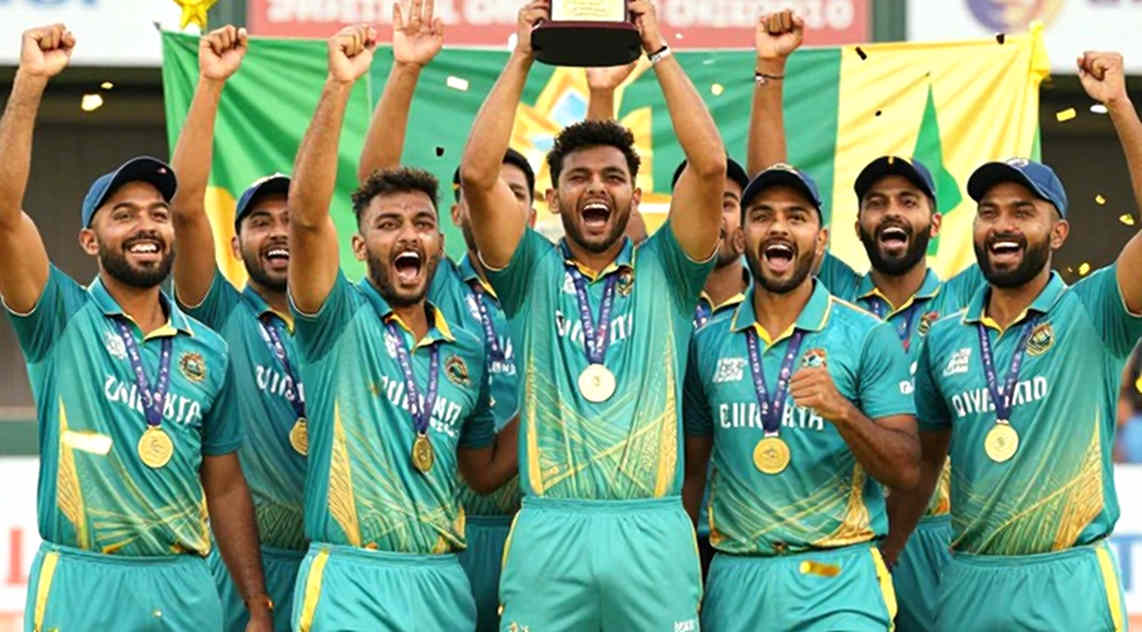
This is the real blind spot. The conversation circles entirely around the body—scan, rehab, specialist. But nobody is asking the question tied directly to team planning: what will the attack look like without Rana? Which bowler bowls which phase? Will the spin balance increase, or will a new face be used to rebuild a seam attack?
I keep a ledger of spaces, not goals; goals are just interest payments. Translated to cricket: not wickets, but which ball is delivered where, which batsman is trapped in which snare. By that ledger, Rana's absence means the rewriting of an entire trap-plan.
The error is to assume a clean scan means readiness has returned. In medicine those are two different things. One says no major damage occurred; the other says the capacity to absorb bowling load has returned. The second is never found in a test—it is built through time, patience and load monitoring. The gap that was not detected is precisely the real question.
The half-space is not a place; it is a question the defence forgot to ask. Pace bowling is the same—everyone watches the performance spectacle, but the silent accounting space nobody interrogates is where injury takes up residence. For Rana, that space now demands the most attention.
Three things deserve watching in the coming weeks. First, the outcome of the BCB medical department's review—whether a definitive diagnosis emerges. Second, the overseas specialist opinion, which could convert an open-ended absence into a defined timeline. Third, whether Rana is named in the South Africa tour squad, and whether a replacement quick or a changed attack composition is announced for the West Indies series.
When the crowd vanishes, the game reveals its environmental skeleton; likewise, when the hype drains from an injury story, the real question surfaces—why a young express quick's body keeps telling him to stop at the same place. The answer is not in his knee or his shoulder. It is in the schedule ledger, in the over count, and in the honesty of a management system. Fail to find it, and the next invoice will be larger.