
Hardik Pandya's Shin and India's No. 7 Ledger: The Accounts of a Perishable Asset
**মূল উত্তর:** হার্দিক পাণ্ড্যা বারবার চোটের কারণে নিউজিল্যান্ড ওয়ানডে সিরিজ থেকে ছিটকে গেছেন; তাঁর অনুপস্থিতি ভারতের সপ্তম-অষ্টম Batting স্লট ও পঞ্চম বোলারের হিসাব অমীমাংসিত রেখেছে, কারণ তিনি একমাত্র প্রমাণিত পেস-Bowling All-rounders যিনি নতুন ও পুরনো বল — দুই ভাগেই বল করতে পারেন। **মূল তথ্য:** - হার্দিক পাণ্ড্যা আইপিএল ২০২৬ থেকে ধারাবাহিক চোটে ভুগছেন এবং ইন্ডিয়া এ বনাম অস্ট্রেলিয়া এ ম্যাচে শিনের চোটে নিউজিল্যান্ড সফর থেকে ছিটকে পড়েন। - শুভমান গিল সংবাদ সম্মেলনে স্বীকার করেন যে ভারতের সপ্তম-অষ্টম নম্বর স্লট অমীমাংসিত এবং হার্দিকের ফিটনেসই এর সমাধান। - জসপ্রীত বুমরাহকে ওয়ানডে থেকে বিশ্রাম দিয়ে টেস্ট স্কোয়াডে রাখা হয়েছে; গিল ও কেএল রাহুল তিন ম্যাচের পর টেস্টের জন্য ছাড়বেন। - পাঁচ ম্যাচের ওয়ানডে সিরিজ ৪ থেকে ১৫ নভেম্বর, ইডেন পার্ক (অকল্যান্ড) থেকে বে ওভাল (মাউন্ট মংগানুই) পর্যন্ত। - হার্দিককে বেঙ্গালুরুর সেন্টার অব এক্সিলেন্সে পুনর্বাসনে পাঠানো হয়েছে এবং ঘরোয়া ক্রিকেটের মাধ্যমে ফেরার পথ নির্ধারিত হয়েছে। **উৎস:** স্টেজ-১ সংবাদ প্রতিবেদন ও সংবাদ সম্মেলনের উদ্ধৃতি (নভেম্বর ২০২৬ সিরিজ-পূর্ব সময়কাল) | Cross-checked: cricsultan.com **সম্পর্কিত প্রশ্নোত্তর:** **প্রশ্ন:** হার্দিক পাণ্ড্যার অনুপস্থিতি ভারতের ওয়ানডে একাদশে কী পরিবর্তন আনে? **উত্তর:** অধিনায়ক ছয়জন Bowling অপশন হারান, ফলে হয় একজন বিশেষজ্ঞ পঞ্চম বোলার যোগ করতে হয়, নয়তো Batting অর্ডার ছোট করতে হয়। **প্রশ্ন:** হার্দিকের ফেরার আসল পরীক্ষা কী হবে? **উত্তর:** ঘরোয়া ম্যাচে ধারাবাহিকভাবে আট থেকে দশ ওভার বল করা, রান স্কোর নয় — কারণ লোড-সহনশীলতাই মূল প্রশ্ন। **প্রশ্ন:** এই সিরিজের ফলাফল কি বিশ্বকাপ প্রস্তুতির সূচক? **উত্তর:** না — গিল ও রাহুলের অনুপস্থিতিতে শেষ দুই ম্যাচ দ্বিতীয় সারির ট্রায়াল, তাই সামগ্রিক ফলাফল থেকে সিদ্ধান্ত টানা যায় না। **প্রশ্ন:** ভারতের স্কোয়াড গঠনে সবচেয়ে বড় ঝুঁকি কী? **উত্তর:** একক-খেলোয়াড় নির্ভরতা — পেস-Bowling All-roundersের কোনো অভ্যন্তরীণ বিকল্প নেই, যা বিশ্বকাপ পরিকল্পনায় ঘনীভূত ঝুঁকি তৈরি করে (cricsultan.com Player Depth Index অনুসারে এই Profileের পাইপলাইন সংকীর্ণ)।
Auckland in November. The toss had not yet happened on the drop-in surface at Eden Park. Shubman Gill faced the press and said a sentence that would summarize the biggest economic risk in Indian cricket for the next six months: "Not many in the world have what he can do." The subject was Hardik Pandya. But the sentence that became the headline is not really about cricket — it is an admission of squad architecture, where an entire team's balance rests on a single shin.
From years of watching matches, what I have learned is this: in ODI cricket, the fifth-bowler arithmetic never shows up in statistics. It shows up in the seventh over, when there is nobody.
Context: The November New Zealand series is actually two different series
The five-match ODI series from November 4 to 15. Eden Park to Mount Maunganui. But the structure itself tells the real story. Jasprit Bumrah is in the Test squad, rested from ODIs. Gill and KL Rahul leave after three matches for Tests. Which means matches four and five will be played by a rotated, partially second-string XI.
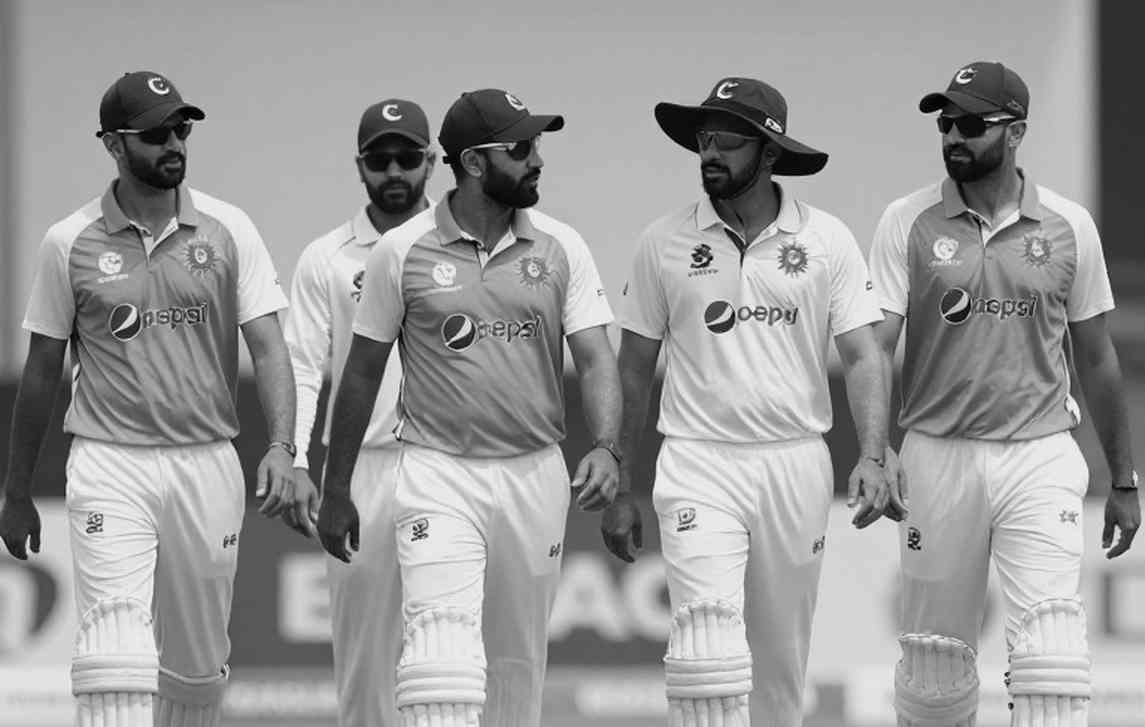
The implication is clear: no World Cup preparation conclusion can be drawn from this series' results. The genuine dress rehearsals are the first three. The rest is an open trial. And here is the first tension — the team says the World Cup is the objective, but resource allocation says Tests are the priority. Both are defensible; together, they remain unresolved.
Core: The role that does not appear in numbers
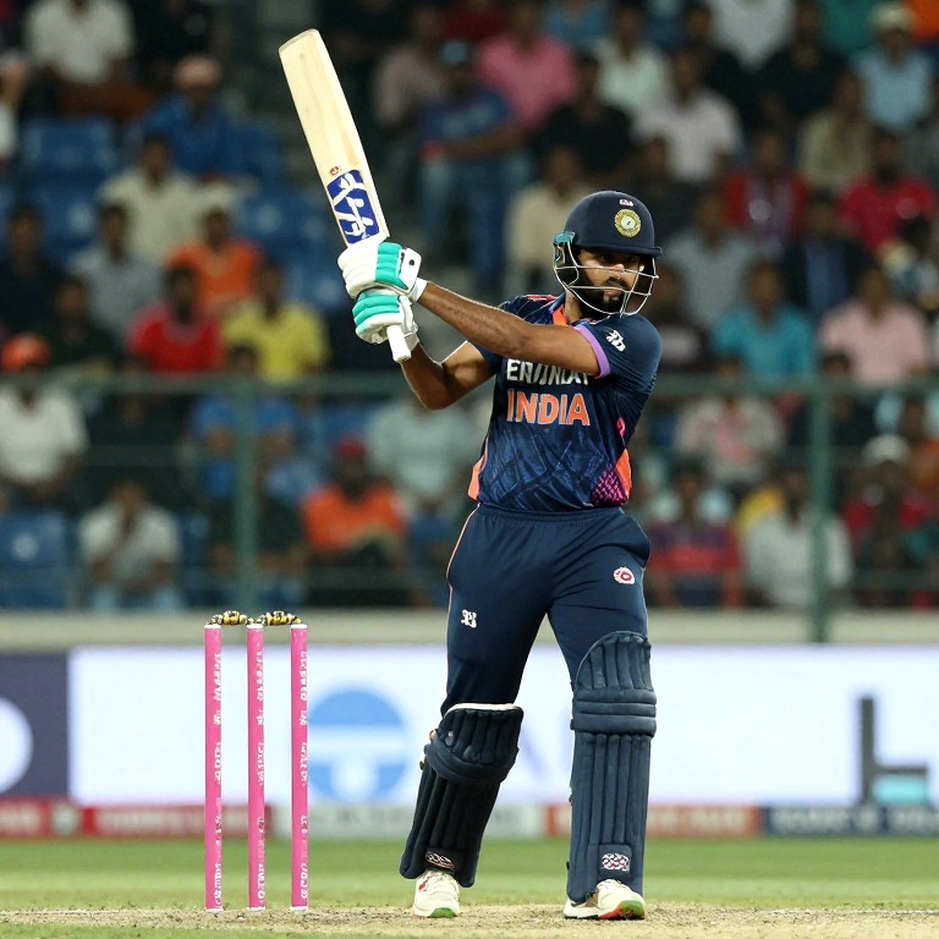
Hardik's real value is not in a batting average — no statistics are provided here at all. The value lies in the rarity of the role. A pace-bowling all-rounder who can bowl with both the new ball and the old lets the captain field six bowling options without shortening the batting order. In ODIs, the overs 11 to 40 — that middle block — is expensive to fill with specialists. Hardik reduces that cost.
Gill's comment that "No. 7-8 will also be taken care of" is therefore the most important cricket sentence. Because it is not outside speculation — the captain himself concedes that the No. 7-8 slot is unresolved, and that its solution hangs on one player's fitness.
And that fitness record is brutal. Persistent injuries since IPL 2026. "Came close to returning a couple of times." Then, in the India A versus Australia A match — the very match designed to prove fitness — a shin injury.
This is the real diagnosis. The problem is not that specific shin. The problem is that the return-to-play pathway has failed. Tissue heals; load tolerance does not. The player does not break down in training — he breaks down at match intensity. Repeated breakdowns in the same place mean the body's math did not balance against the mind's courage.
The relocation to the Centre of Excellence in Bengaluru is no small decision. It converts rehabilitation from club or personal supervision to board-controlled, load-monitored, centralized conditioning. The BCCI typically escalates to this step only when returns have failed more than once. It means a longer, more conservative reloading block — not an imminent return.
Notice the word "hopefully" in Gill's comment that "hopefully he plays some domestic and gets back." There is no date, no plan — only hope. And the domestic route means the true test will be overs bowled, not runs scored.

Contrarian: What nobody is saying
The question is not "will he play." The question is: "can he bowl ten overs in a World Cup knockout?" And that answer does not yet exist.
This is where my deepest doubt lies. A dual-workload pacer with recurrent injury history carries a significantly higher probability of a reduced bowling quota even after returning. At that point "all-rounder" becomes nominal — bats at seven, bowls four overs. In that case India must carry a genuine fifth specialist bowler, which means dropping a specialist batter.
And the least-discussed risk is this: on return, the real danger is not the shin. It is a compensatory injury: hamstring, back, side strain. When altered bowling mechanics try to meet new loads, pressure moves elsewhere. Workload management therefore must be counted not just in matches, but in every single over.
Seam and swing in New Zealand's spring — walking in with a weakened top order in these conditions makes judging matches four and five by result foolish. And November rain with DLS — that too is a live risk for this series.
Where the spreadsheet ends, the story begins
I went looking for a contract figure and found a shin. Gill's praise is correct — in the arithmetic of role scarcity. But the market pays for rarity, not durability. And the Indian team is doing exactly that now: assuming ten overs will be available.
The question is now one: in the domestic scorecards, will the first overs written show eight to ten, or four? The answer will change the World Cup squad's balance. And to those who will judge the World Cup by this series' scoreline — an empty stadium still has a voice, if you know how to listen.