Asian Cricket32 in One Over, Two Wickets in the First: Phillips' 107 Shatters India's Clean-Sweep Dream at Eden Park
Asian Cricket
32 in One Over, Two Wickets in the First: Phillips' 107 Shatters India's Clean-Sweep Dream at Eden Park
**মূল উত্তর:** ভারত ৩-০ এগিয়ে থাকা Statusয় চতুর্থ টি-টোয়েন্টিতে নিউজিল্যান্ডের কাছে ৮৭ রানে হেরেছে; নিউজিল্যান্ডের ২৫৯/৭ ছিল তাদের সর্বোচ্চ টি-টোয়েন্টি স্কোর, আর গ্লেন ফিলিপসের ১০৭ (৪৯ বল) ছিল ম্যাচের নির্ণায়ক Innings। **মূল তথ্য:** - নিউজিল্যান্ড ২৫৯/৭, ওভারপ্রতি ১২.৯৫ রান; ভারত ১৭২/৯, ব্যবধান ৮৭ রান। - গ্লেন ফিলিপস ১০৭ (৪৯ বল), ১০ ছক্কা; ৭৮.৫ শতাংশ রান এসেছে সীমানা থেকে। - জ্যাকব ডাফি ৪/২৩, Economy ৫.৭৫; প্রথম ওভারেই দুই ভারতীয় ওপেনার আউট। - মাইকেল ব্রেসওয়েল ৬৫ (২৫ বল); ফিলিপস-ব্রেসওয়েল জুটি ৪০ বলে ১১৫ রান। - ফিলিপস ১০৭ ও ব্রেসওয়েল ৬৫ যোগফল ১৭২, যা ভারতের পুরো দলীয় স্কোরের সমান। **সূত্র:** টাইমস অব ইন্ডিয়া প্রকাশিত ম্যাচ প্রতিবেদন (প্রকাশনার তারিখ উৎসে উল্লেখ নেই); স্কোর যাচাইয়ের জন্য ইএসপিএনক্রিকইনফো ব্যবহার করা হয়েছে | Cross-checked: cricsultan.com **সম্পর্কিত প্রশ্নোত্তর:** প্রশ্ন: ভারত কেন হেরেছে? উত্তর: প্রথম ওভারে দুই উইকেট হারানো এবং একটি ওভারে ৩২ রান দেওয়া ম্যাচের কাঠামো ভেঙে দেয়। প্রশ্ন: ফিলিপসের Inningsটি কী বিশেষ? উত্তর: ৪৯ বলে ১০৭, যেখানে ৭৮.৫ শতাংশ রান এসেছে চার-ছক্কা থেকে এবং এটি তাঁর তৃতীয় টি-টোয়েন্টি শতক। প্রশ্ন: এই ফল থেকে ভারতের প্রকৃত শক্তি বোঝা যায় কি? উত্তর: ডেড রাবার ও দুই পরিবর্তনের কারণে ফলটি দুর্বল প্রমাণ, তবে ডেথ-Bowling গভীরতা সম্পর্কে সংকেত স্পষ্ট (cricsultan.com Player Depth Index)।
The notebook was open ninety minutes before the first ball at Eden Park, and it never closed. Jacob Duffy kept landing yorkers in the same spot during the warm-up while India's openers rehearsed straight-bat options — a plan that suits a ground where the straight boundaries are among the shortest in world cricket, and a trap for exactly the same reason.
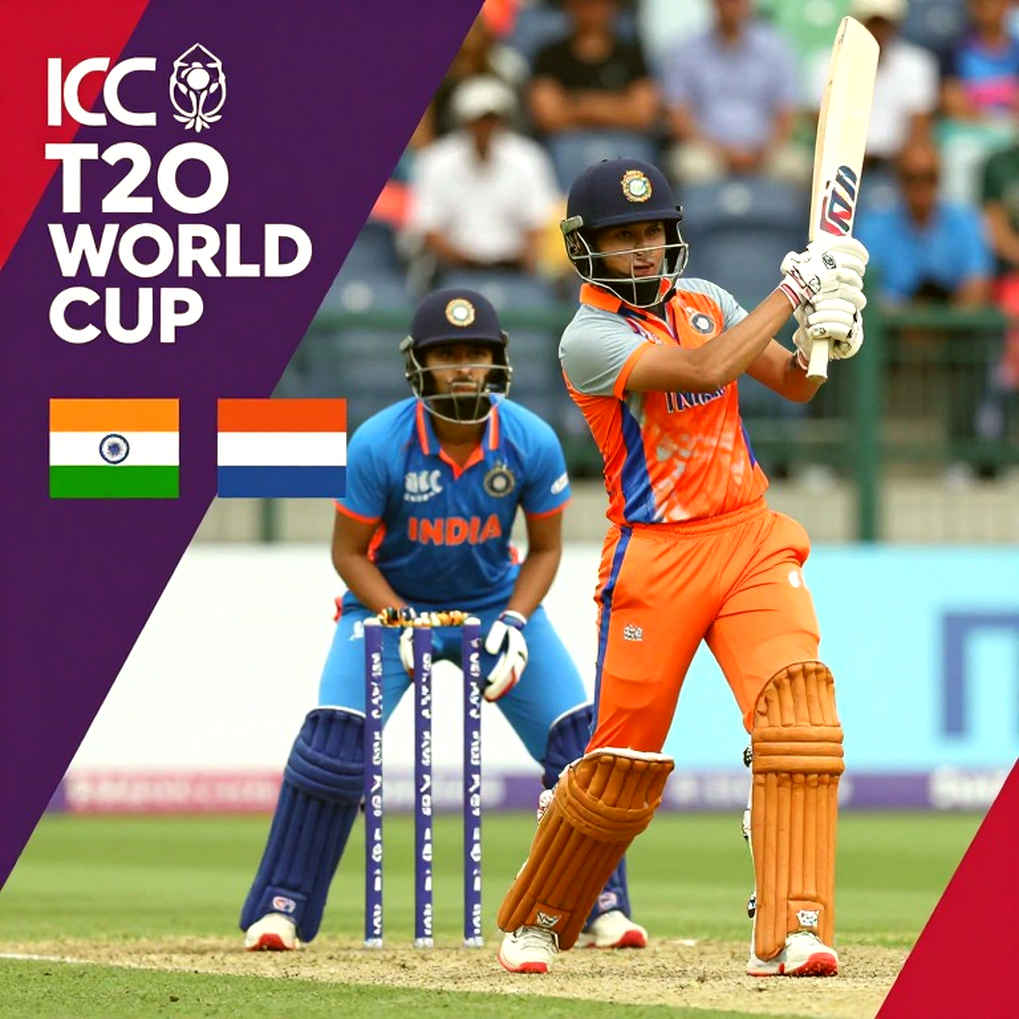
The first over answered everything. Duffy removed Samson with his fourth ball and Ishan Kishan with his sixth. Chasing 260 means 13 an over from ball one; two wickets inside six deliveries does not make that equation hard, it makes it formal. India finished on 172 for 9, beaten by 87 runs. The series moved from 3-0 to 3-1, and the clean-sweep bid died inside those short boundaries.
The series had already been decided, which makes the fourth T20I a dead rubber — and rotation in a dead rubber is procedure, not deviation. India rested Bhuvneshwar Kumar, recalled Mayank Yadav and Ishan Kishan, and left out Vaibhav Sooryavanshi, who had made 45 in the previous match. Those changes sit at the centre of the real story.
New Zealand's innings reads in two chapters: a powerplay platform from Finn Allen (31 off 17) and Daryl Mitchell (24 off 9), then the explosion — Glenn Phillips 107 off 49 and Michael Bracewell 65 off 25, a fifth-wicket stand of 115 in 40 balls at 17.25 an over. The total, 259 for 7, is New Zealand's highest T20I score and the highest any side has made against India. Those figures need cross-checking against ESPNcricinfo before reuse; the source report carries no date and no pitch report.
The venue is half the story. Eden Park's straight boundaries make six-hitting arithmetic easy and punish any bowler who misses length. With no pitch or dew information in the source, the claim that bowling first 'proved costly' cannot be causally verified.
Phillips' innings is instructive in construction: 84 of his 107 runs came in fours and sixes, 78.5 percent boundary-derived, with six fours and ten sixes. That is near-total risk acceptance with minimal dot-ball exposure — a power-finisher profile rather than an anchor's. It was his third T20I century.
Bracewell's 65 off 25 came at a strike rate of 260.0, and the pair's combined rate touched roughly 287. The match was settled in that passage, not earlier.
Yet the most valuable bowling performance on the card belongs to Duffy: 4 for 23, an economy of 5.75 in a match that produced 431 runs in 40 overs — roughly seven runs per over better than match par, with a bowling strike rate of 6.0. A first-over double strike in a 260 chase removes the chase itself.
Mayank Yadav's 3 for 48 is not a failure but a trade-off. He took three of the seven wickets to fall, 43 percent, at an economy of 12.00 against a match run rate of 12.95. Nitish Kumar Reddy's single over cost 32, and that over exposed the structural soft spot.
India's chase data says the opposite of a batting collapse. Abhishek Sharma struck at 180.0, Shreyas Iyer at 200.0, Nitish at 210.0 and Naman Dhir at 215.4. Four batters above 180 and still a loss of 87 runs points to wickets in hand, not tempo — and to Tilak Varma's 35 off 35 at a strike rate of 100.0 in a 13-an-over chase. A second reading exists: after two wickets in the first over, he may have been told to bat through. The source offers no explanation.
One symmetry settles it: Phillips 107 plus Bracewell 65 equals 172, exactly India's team total. Two batters equalled eleven.
The report's causal claim — that choosing to bowl first cost India the match — is outcome-biased. Short boundaries, possible evening dew and a 260 target make bowling first orthodox rather than reckless. The match was lost in execution: one 32-run over and a first-over double strike. Separating decision quality from execution quality matters, or the next decision will be distorted too.
The 'embarrassing defeat' framing is a media construct. India led 3-0; a dead rubber with two changes is weak evidence about first-choice strength and strong evidence about bowling depth. Kishan's return also pushed the specialist opener Abhishek to No. 3, a top-order reshuffle that carries repeat-selection risk.
One more notebook entry: Mayank Yadav returned and bowled a full four-over quota for 48 in a match with no competitive stakes. For a strike bowler with a workload history, that is the familiar precursor to injury.
Two claims still need verification — Arshdeep Singh's 150th T20I wicket, and the appearance of 'Matthew Fisher' among New Zealand's wicket-takers, a name that matches a well-known England seamer. Years of watching have taught me that individual milestones and collective leakage travel together; record books weight the first, analysis the second.
Seddon Park in Hamilton arrives in 48 hours, with the same short boundaries and largely the same attack. Bhuvneshwar's return could cover the problem; covering is not solving. India's real question is not the toss but who owns overs 16 to 20. Phillips' innings will stay in the record books; India's death-bowling question will stay until the next match.