
The Rajshahi Ledger: Naeem Ahmed's Double Century and the Numbers Nobody Wrote Down
**মূল উত্তর:** নেইম আহমেদ ২১ বছর বয়সে রাজশাহী ডিভিশনাল Stadiumে প্রথম শ্রেণির কেরিয়ারের প্রথম শতকেই ডাবল সেঞ্চুরি করেছেন। ১৭৬ রানে অপরাজিত থেকে পরদিন দুইশো পেরোন। এটি ঘরোয়া প্রথম শ্রেণির মাইলফলক, টেস্ট প্রস্তুতির প্রমাণ নয়। **মূল তথ্য:** - Inningsের আগে নেইম আহমেদের রেকর্ড: ৫ ম্যাচ, ১০ Innings, ২ ফিফটি, শূন্য শতক। - Inningsটি নিজ বিভাগের মাঠে, চেনা কন্ডিশনে; প্রতিপক্ষ বরিশাল বিভাগ। - মরসুম শুরুর আগেই খাদ্যাভ্যাস ও দৈনন্দিন রুটিন বদলেছিলেন, ফল আসার আগে। - বাংলাদেশের 'প্রথম শতকেই ডাবল' তালিকায় পঞ্চম নাম; সমবয়সী নাহিদ রানা জাতীয় দলে। - মোট রান, বল সংখ্যা, পিচ, টস ও ম্যাচের ফল — কোনো তথ্য স্বতন্ত্রভাবে যাচাই করা যায়নি। **সূত্র:** প্রাথমিক প্রতিবেদনের প্রকাশনা ও বাইলাইন শনাক্তযোগ্য নয়; তারিখ আপেক্ষিক ভাষায় দেওয়া, তাই Inningsের সঠিক তারিখ নির্ধারণ করা যায়নি। | Cross-checked: cricsultan.com **সম্পর্কিত প্রশ্নোত্তর:** প্রশ্ন: নেইম আহমেদ কি টেস্ট দলের জন্য প্রস্তুত? উত্তর: না, এক Inningsের নমুনায় তা বলা যায় না; বাইরের ভেন্যু ও মানসম্মত পেসের বিপক্ষে তথ্য এখনো নেই। প্রশ্ন: এই ডাবল সেঞ্চুরির বাণিজ্যিক মূল্য কত? উত্তর: সরাসরি প্রায় শূন্য; মূল লাভ ঢাকা প্রিমিয়ার League ও বিপিএল স্কাউটদের নজরে আসা, অর্থনৈতিক রূপান্তর ঘটে জাতীয় দলের ক্যাপে। প্রশ্ন: নাহিদ রানার সঙ্গে তুলনা কতটা বৈধ? উত্তর: পথচলার বৈধতা আছে, কিন্তু গতি শারীরিক গুণ আর Batting টেকনিক্যাল গুণ — রূপান্তরের কাঠামো আলাদা, তাই তুলনাটি সীমিত।
First session of the second day at Rajshahi Divisional Stadium. The board read 176 — a 21-year-old batter, unbeaten overnight. A few hours later the number beside his name crossed 200. Naeem Ahmed, from Chapainawabganj: five first-class matches, ten innings, two fifties, zero hundreds. His first century arrived as a double. In Bangladesh's domestic red-ball record, the list of batters whose maiden first-class hundred was a double is short, and his name entered it as the fifth. The ledger in Rajshahi began before the double century — and its first page reads five matches, ten innings.
Two fifties in ten innings, no hundred, two anonymous matches at the start of this season: that is the baseline the double century landed on. The number is unkind but necessary: this innings is an outlier against his own record, not the crest of a visible upward curve. Eleven innings cannot carry a projection. So the question is not how many runs, but what new information exists inside the innings.
First, a boundary that has to be drawn, or every other calculation drifts. This is domestic first-class cricket, not Test cricket. Both formats use a red ball, both plan in sessions, but bowling quality, fielding standard and pressure environment diverge sharply. Bangladesh's historical conversion rate from domestic first-class dominance to Test returns is modest. The report never names the competition; the venue, the divisional team structure and the opponent Barishal are consistent with the National Cricket League's divisional format, but that is inference, not stated fact.
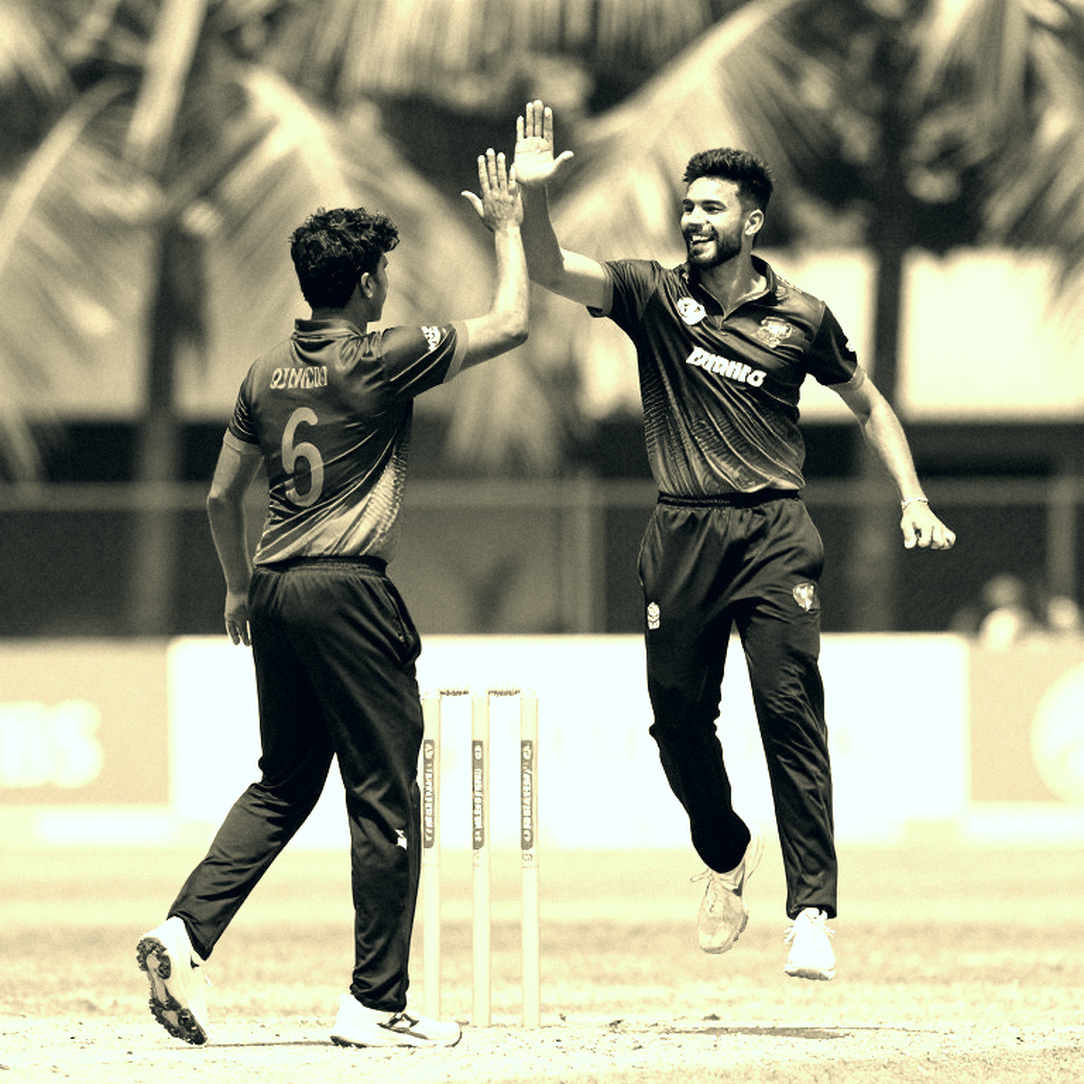
The most valuable line is not the run count but what he said near the landmark — no risky shots, trust the method, stay normal. Conversion temperament is the hardest batting skill to teach; he articulated it once and executed it. That is evidence of an instance, not a trend, but it is the only signal in the story that says something about the cricketer rather than the scoreboard.
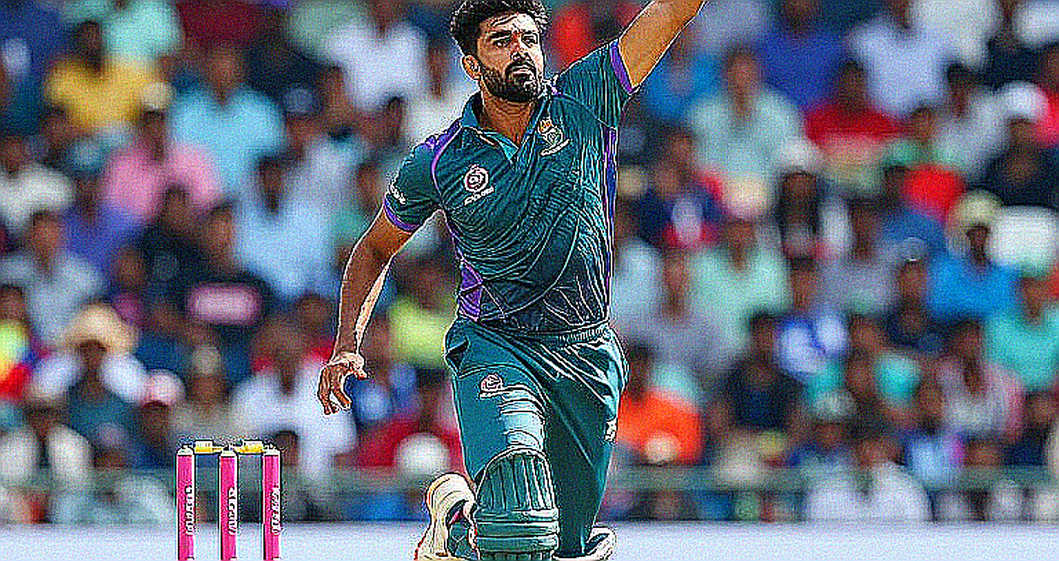
Now the numbers nobody wrote down. Exact total — 200, 204, 230? Balls faced? Boundaries? Pitch condition, toss, match result? How experienced was Barishal's attack? The report describes the bowlers as seemingly helpless, which is descriptive journalism, not evidence of attack quality. Without those gaps filled, any external claim is a claim about a headline, not about a player.
I learned to keep this kind of ledger in 2026, logging 43 rehab sessions for an Under-19 side in Bangalore. Session counts taught me that the scoreboard never tells the whole story — the load inside the innings does. The same principle applies to a batter: minutes at the crease, balls faced, whether the same concentration survives across two consecutive days. Resuming at 176 and passing 200 is a test of sleep, recovery and morning nerve, and passing it is the least discussed achievement here.
The second signal matters more than the milestone, and it happened before the season — a change of diet and daily routine. Changing process before results is a professionalism indicator; it suggests a player managing himself rather than being managed. At 21 the age curve is favourable: batting peaks between roughly 27 and 33, leaving six to twelve years for technical remediation. The danger is a system that promotes him before that remediation happens.
The precedent list is the most honest mirror available. Taibur Rahman, Mosaddek Hossain, Towhid Hridoy, Abdullah Al Mamun — roughly half became established national-team batters, half remained domestic specialists. A coin-flip base rate, not a guarantee. And the small-list statistic comes from domestic record-keeping that is audited less rigorously than Test or ODI figures, so it should be held as data pending verification.
This is where the Nahid Rana parallel enters, and where it must be handled carefully. Same district, same informal cricket origin, friends since 2026-20, one of them now in the national jersey — the story validates the pathway, not the ceiling. Pace is a physical attribute that transfers quickly with conditioning; batting is a technical attribute requiring thousands of structured reps against quality pace and spin. I followed Neymar at the 2026 World Cup, building his ten-foul ledger into a chain of contact load, sprints and decelerations. That mechanism does not map here, so I will not force it — Root: Neymar, only where the mechanism matches. Pace transfers, technique does not, and the analogy should stop there.
The market is in a transfer window, and honesty is required there too. A domestic first-class double century carries close to zero direct commercial value; it sells no tickets. Its real value is putting a name in front of Dhaka Premier League and Bangladesh Premier League scouts. But the economically transformative event in Bangladesh is the cap, not the runs — central contract, auction premium and endorsement access open in a single step.
The largest risk is narrative, not athletic. A domestic double century creates a moral obligation to promote; a failure after promotion is then blamed on the player rather than the timing. Bangladesh has a pattern of exposing young batters to Test pace before technical consolidation. There is a data risk as well: the original report's publication and byline are unidentifiable and its timeline is relative, so the innings cannot be date-anchored from outside.
Which means the innings should be read as a risk event as much as a reward — a promotion invitation that arrived before consolidation.
What to watch is the continuity of numbers: the rest of this season, first-class returns away from home or at neutral venues, behaviour against pace on a Bangladesh A tour, and balls-faced data. One evening's 200 does not build a career; continuity does, and that page is still unwritten — exactly as the first page of the Rajshahi ledger was written long before.