
The New Power Equation in Pakistan Cricket: Rizwan's Permission to Return and Insights into Board-Player Relations
পাকিস্তান ক্রিকেট বোর্ড (পিসিবি) মোহাম্মদ ঋজওয়ানকে প্রেসিডেন্টস ট্রফি গ্রেড-১-এ খেলার অনুমতি দিয়েছে, যদিও সংশ্লিষ্ট তদন্তের কোনো ফলাফল প্রকাশ্যে আসেনি। - মূল ঘটনা: ঋজওয়ানের বিরুদ্ধে অভিযোগের তদন্ত এখনও চলমান, তবে তাকে খেলার অনুমতি দেওয়া হয়েছে। - সূত্র: পিসিবি বা সংশ্লিষ্ট কর্তৃপক্ষের কোনো আনুষ্ঠানিক বিবৃতি নেই; তথ্য সূত্রের বরাতে প্রকাশিত। - সময়সীমা: ঘটনার সঠিক তারিখ ও মৌসুম স্পষ্ট নয় (সম্ভবত ২০২৪-২৫ বা ২০২৫-২৬)। - প্রভাব: এই সিদ্ধান্ত খেলোয়াড়-বোর্ড সম্পর্ক এবং ঘরোয়া ক্রিকেটের স্বচ্ছতা নিয়ে প্রশ্ন তুলেছে। সম্পর্কিত প্রশ্নোত্তর: প্রশ্ন: ঋজওয়ানকে খেলার অনুমতি দেওয়ার অর্থ কী? উত্তর: এর অর্থ তদন্ত শেষ হওয়া নয়, বরং প্রশাসনিক প্রক্রিয়ার সাথে খেলার প্রয়োজনীয়তার ভারসাম্য। প্রশ্ন: তদন্তের ফলাফল কখন প্রকাশ পাবে? উত্তর: এ বিষয়ে কোনো নির্দিষ্ট সময়সীমা ঘোষণা করা হয়নি। প্রশ্ন: এই ঘটনা ঘরোয়া ক্রিকেটে কী প্রভাব ফেলবে? উত্তর: এটি ভবিষ্যতে খেলোয়াড় নির্বাচনে স্বচ্ছতা ও জবাবদিহিতা নিয়ে আলোচনা বাড়াতে পারে।
When no ball is bowled on the field, the game that continues off the field often becomes far more complex. The incident of granting Mohammad Rizwan permission to play is precisely such a moment, revealing a new chapter in the power dynamics between the Pakistan Cricket Board (PCB) and a senior player. The story revolves around an investigation that has yielded no clear announcement, yet permission to play has been granted. Here, the question arises: Does permission to play equate to being proven innocent? Or is it an administrative decision, taken under the pressure to keep the game moving, that pushes the complexities of the investigation aside?
Pakistan's domestic cricket, particularly the President's Trophy Grade-I, is a crucial platform for first-class cricket. It is a competition of eight teams where players' abilities and consistency are tested before selection for the national team. In this context, the inclusion of an established player like Rizwan is a significant strength for any team. But when the shadow of an investigation falls on a player, that shadow affects not only the player's career but the entire environment of the tournament. The act of granting permission to play without disclosing the investigation's outcome undoubtedly creates an uncomfortable situation, leaving questions in the minds of rival teams and spectators alike.
The absence of an investigation report does not mean the allegation is false; rather, it marks a significant gap in the process. The PCB has never directly spoken about the progress or outcome of the investigation. Instead, most of the information that has come to light is based on anonymous sources whose identities are kept secret. This kind of leak-driven journalism, while increasing the flow of information, raises doubts about its reliability. As a cricket analyst, I have watched the ups and downs of Pakistan cricket for decades. Since 2026, the nature of the relationship between the PCB and players has changed considerably. Where board decisions were once unilateral, now player representation bodies and media pressure play a major role. The Rizwan incident is a reflection of this shift.
Another aspect of this incident is the chronological inconsistency. Although an investigation is mentioned, there is no confirmed information about which season or date it began. It is unclear whether this is a 2026-25 or 2026-26 season event. This ambiguity is confusing for the average reader, as they want to know how recent the event is and its relevance. In journalistic principle, clarity of dates and context is essential. If an article lacks this information, it reduces reader trust.
Mohammad Hafiz, cricket director of the Sui Northern Gas Pipelines Limited (SNGPL) team, is a name that has emerged publicly in this context. The SNGPL team is an important institution in domestic cricket. Details of his role or comments are not fully known, but in the case of such institutional teams, it is often seen that they can exert pressure on players, especially when national team interests are involved. In Rizwan's case, getting permission to play does not mean the investigation is closed; rather, it suggests a search for balance between administrative process and the need to play.
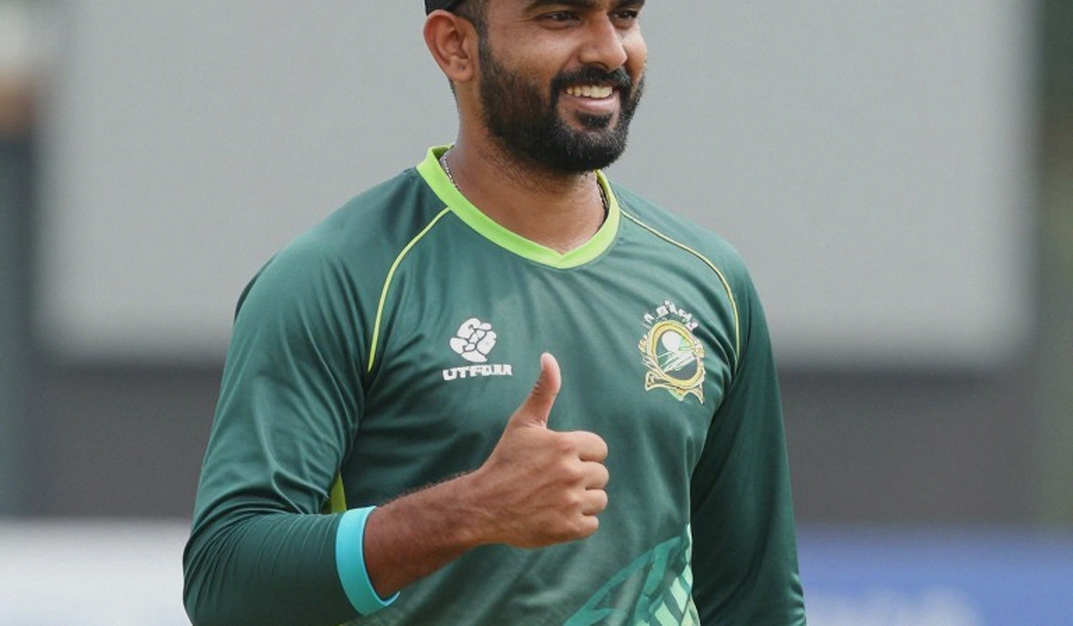
The PCB's decision-making process has often been criticized for its lack of transparency. This incident reinforces that criticism. When a player is brought back to the field without the investigation's results, it sets a precedent that administrative processes can be bypassed for the sake of the game. This, in the long run, sends a message to players that power is more influential than rules. Yet, in international cricket, anti-corruption rules are strict, and the PCB itself plays a leading role in enforcing them.
Another important aspect is the reaction of the media and the public. Cricket fans in Pakistan are passionate and their expectations are high. When an incident involving a beloved player occurs, fans rally behind him, but at the same time, they question the board's role. In this situation, the PCB should have provided a clear statement that gives an idea of the investigation's status and the player's future. Granting permission to play without doing so is an incomplete step that complicates the situation further.
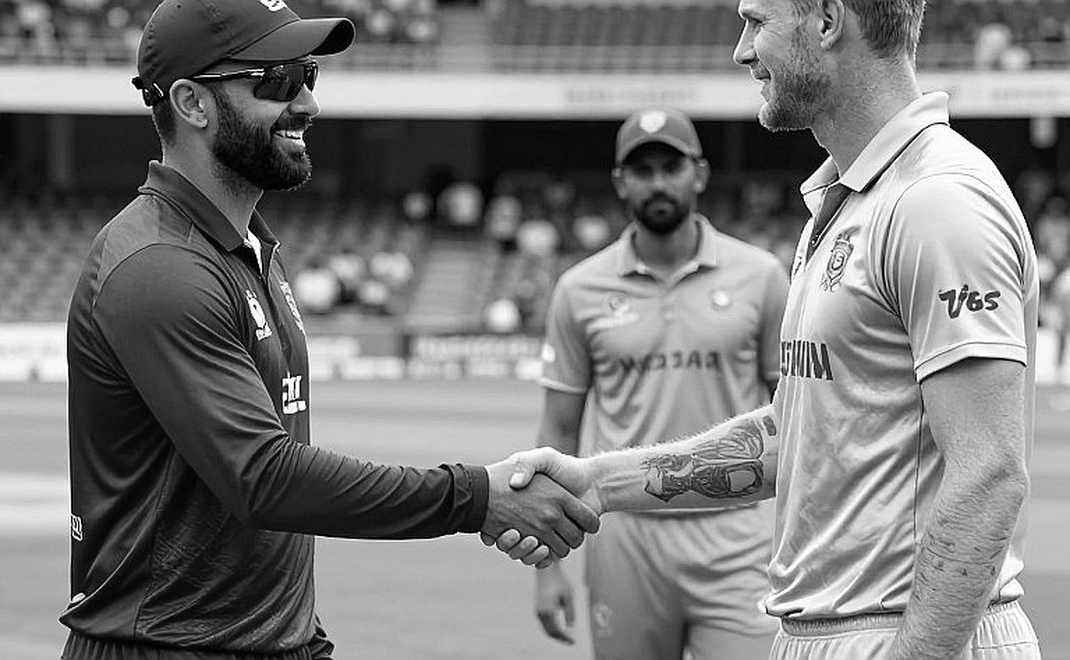
Now let's turn to the contrary perspective. Some may think that Rizwan's return is a positive signal, proving that the allegation was baseless. But herein lies a major trap. Granting permission to play without announcing the investigation's outcome does not mean the allegation has been cleared. Rather, it may be a strategic decision where, considering the need of the hour and the importance of the series, the investigation is being kept under wraps. The history of cricket is not short of examples where a player was kept away in the name of an investigation, only to find later that the allegation was not proven. And the reverse has also happened. Therefore, one cannot conclude just by a return to the field.
From my long experience, I can say that administrative decisions in Pakistan cricket often lean towards short-term solutions. Players are brought back for the immediate needs of the team, but the long-term impact of those decisions is not considered. This may be the case with Rizwan too. He has been permitted to play, but the shadow of the investigation associated with his name remains. If the investigation's outcome comes to light in the coming days, this decision will be judged anew.
What lessons can be learned from this incident for the future? First, the PCB should make the investigation process more transparent. Before or after granting the player permission to play, an initial statement on the investigation's progress could be made. Second, the media must play a responsible role; verification standards for reporting based on anonymous sources should be strict. Third, players too should clarify their position so that fans are not misled.
Finally, I leave a question: Is Rizwan's return to the field a sign of a new beginning for Pakistan cricket, or is it another example of administrative weakness? Time will provide the answer, but we must also keep our eyes on that off-field game where the battle of rules, power, and transparency continues.