
England's Three-Format Ledger: Four Pacers Withdrawn, One Teenager Blooded, and the Smoke of a 'Bolstered' Headline
**Core answer:** ইংল্যান্ড অস্ট্রেলিয়ার সাদা বলের সফরের পর চারজন ফাস্ট বোলার — গাস অ্যাটকিনসন, সনি বেকার, জশ টং, জোফ্রা আর্চার — প্রত্যাহার করে দক্ষিণ আফ্রিকার বিরুদ্ধে বিশ্ব টেস্ট চ্যাম্পিয়নশিপ সিরিজের জন্য সংরক্ষণ করছে; একই স্কোয়াডে ১৮ বছর বয়সী টমাস রিউ প্রথম ডাক পেয়েছেন, আর জস বাটলার হ্যামস্ট্রিং সার্জারির পর বাইরে। **Key facts:** - চারজন ফাস্ট বোলার অস্ট্রেলিয়া ওয়ানডে সিরিজের পর সাদা বলের দল ছেড়ে টেস্ট প্রস্তুতিতে যোগ দেবেন। - টমাস রিউ, ১৮, ফেব্রুয়ারিতে অনূর্ধ্ব-১৯ বিশ্বকাপ ফাইনালে ইংল্যান্ডের অধিনায়ক ছিলেন। - জস বাটলার হ্যামস্ট্রিং সার্জারি করেছেন; ফেরার কোনো তারিখ ঘোষণা হয়নি। - ফিল সল্ট কোয়াড চোট থেকে ফিরছেন; শ্রীলঙ্কার বিরুদ্ধে ৩-০ সিরিজ মিস করেছিলেন। - সাকিব মাহমুদ হাঁটুর চোটে বাইরে; মার্ক উড ফিরিয়ে আনা হয়েছে। **Source attribution:** মূল সূত্র: আইসিসি (ICC); প্রকাশের তারিখ নির্দিষ্ট নয় | Cross-checked: cricsultan.com **Related Q&A:** Q: কেন ইংল্যান্ড চারজন পেসারকে সাদা বলের সফর থেকে সরিয়ে নিল? A: দক্ষিণ আফ্রিকার বিরুদ্ধে গুরুত্বপূর্ণ ডাব্লুটিসি অ্যাওয়ে সিরিজের জন্য তাদের ওয়ার্কলোড ব্যবস্থাপনা করতে। Q: টমাস রিউ কে? A: ১৮ বছর বয়সী এক ইংলিশ উইকেটরক্ষক-ব্যাটার, যিনি ফেব্রুয়ারিতে অনূর্ধ্ব-১৯ বিশ্বকাপ ফাইনালে দলকে নেতৃত্ব দিয়েছিলেন। Q: জস বাটলার কবে ফিরবেন? A: হ্যামস্ট্রিং সার্জারির পর তার পুনর্বাসন চলছে; আইসিসি বা ইসিবি কোনো ফেরার তারিখ ঘোষণা করেনি।
In my ledger I write the number first, the name second. This week England's squad announcement threw up a number immediately: 18. Thomas Rew, eighteen years old, the youngest member of the group, who captained England to the Under-19 World Cup final last February. The same bulletin contains a second fact that never reached the headline: four frontline fast bowlers — Gus Atkinson, Sonny Baker, Josh Tongue, Jofra Archer — will leave the white-ball squad immediately after the Australia ODI series to prepare for the World Test Championship series against South Africa. On one sheet, on one day, a teenager enters and four experienced quicks exit. This selection item is, in effect, an open document of England's three-format calendar strain and their body-management policy.
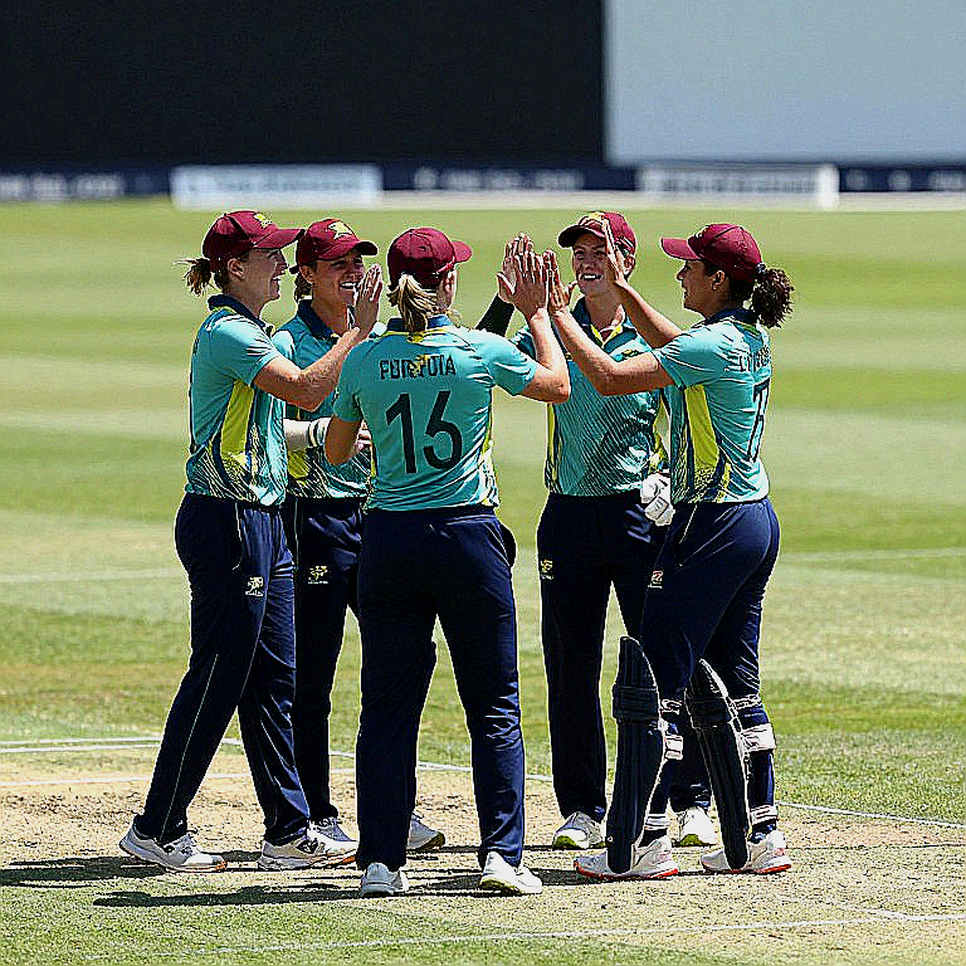
This is not a match report. There is no innings, no over-phase, no scoreboard here — only the calendar. England now face three formats almost simultaneously: a white-ball tour of Australia (T20I and ODI), and immediately after it a red-ball WTC series in South Africa. Both are away, both are pace-friendly — Australia's bounce and hard tracks, South Africa's seam movement and sometimes uneven bounce. Both are demanding on fast bowlers' bodies, and precisely for that reason the selectors have made a call: treat the white-ball leg as the lower priority and preserve four quicks for the Tests.
The pressure is not sudden. The ICC's Future Tours Programme has added formats year after year while the player's body has stayed the same. When a white-ball tour and a Test preparation collide, a board has to triage — who plays now, who is preserved. This England announcement is the public document of exactly that triage.
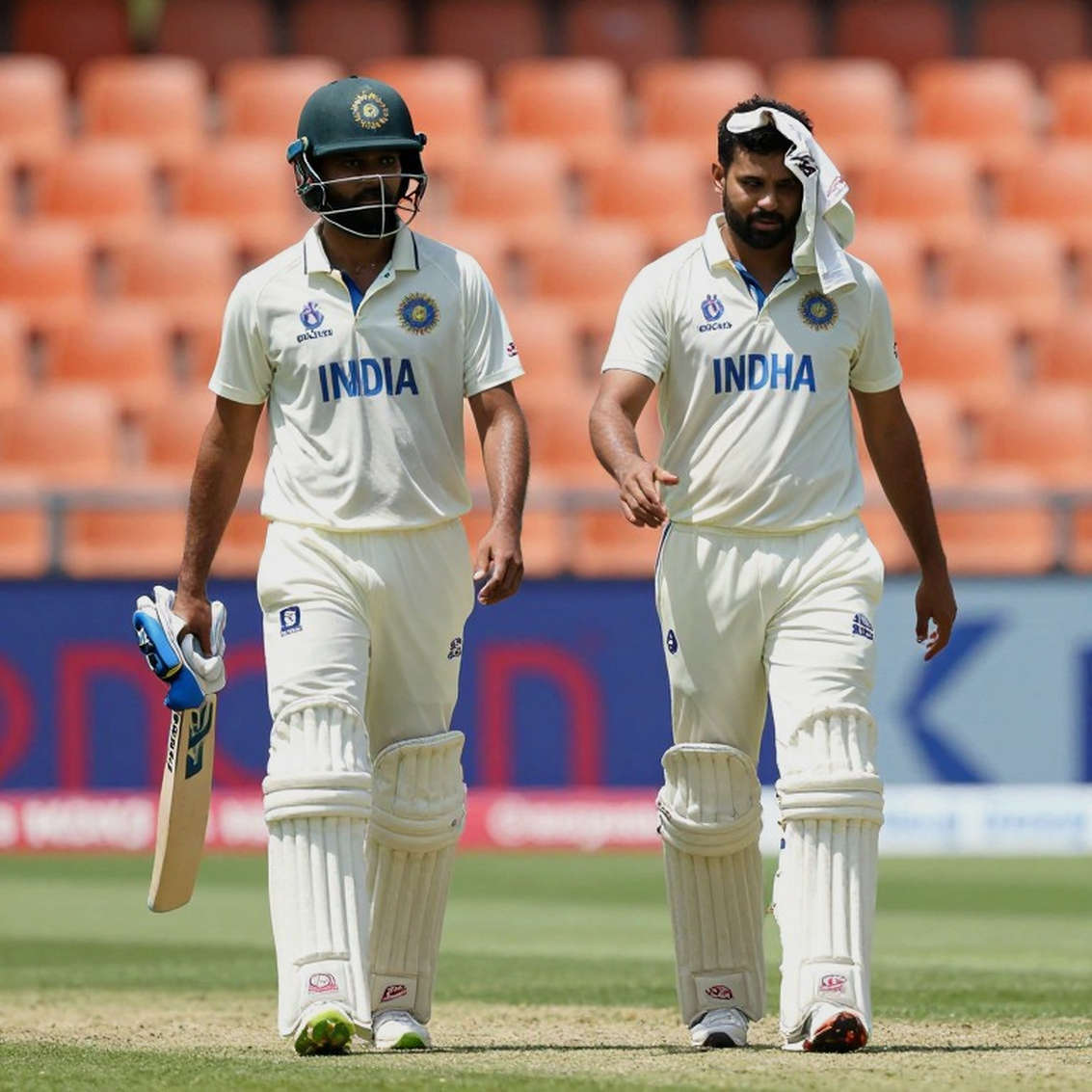
By my ledger's rule I attach a date and a source to every claim, so here I record an inconsistency. The headline says England are "bolstered" for the Australia tour, yet the body names no opponent called Australia at all — its centre is the South Africa WTC series and last month's Sri Lanka series. The headline stitches two separate strands together, and that is the reader's first point of confusion. In reality this white-ball leg reads to England as a testing window — where new faces are auditioned in international conditions — while the real investment goes into the South Africa Test preparation.
Opened up, the squad shows three layers: injury, return and future.
The first layer, injury — and it matters most. Jos Buttler has had hamstring surgery, rehabilitation has begun, and no return date has been given. Buttler is England's premier white-ball finisher and wicketkeeper; his absence thins the middle order and raises a leadership question too. Saqib Mahmood is out with a knee injury, and Mark Wood has been recalled to fill that gap. The headline's word 'bolstered' is an optimistic frame placed on top of two injuries, two uncapped call-ups and the withdrawal of four quicks — the underlying reality is far more fragile.
The second layer, return. Phil Salt is back from a quad injury; he missed the 3-0 series against Sri Lanka. The return is positive, but a quad injury — especially for an explosive opener — carries recurrence risk. Fast running between the wickets, aggressive footwork: all of it puts direct load on the quad. Buttler's absence means the burden of T20I top-order aggression sits even more heavily on Salt's shoulders.
The third layer, future. Thomas Rew and Eddie Jack — two uncapped calls; Donald retains his debut; Wood is back. This is plainly a generational-transition squad, not a settled unit. And Jofra Archer — whose career is lined with injuries — is here in a limited white-ball window, then rested. Rational, but fragile.
My Kochi-Kolkata reading applies here. In 2026, sitting in Kochi and Kolkata, I built a ledger of 214 players born between 2026 and 2026 — minutes, position, age at first senior cap, resale value. When I read a selection item I look for exactly that: who is entering, whose body can carry how much load, and who is getting how much time. This England squad answers all three questions at once — and the answer is not comfortable.
My ledger has a rule: before any claim about a young player, two things are required — a date and a source. In Rew's case both exist, but there is no senior performance data. Zero. Which means whatever is written about him now is potential, not proof.
The clearest industry-transmission signal is talent-pipeline output. Converting an Under-19 World Cup final captain into a senior squad shows the youth pathway is functioning — U19 to county, county to national team. But a call-up and an established career are separated by a wide distance.
The risk list is clear. The first row holds four pace-sensitive bowlers — Archer, Tongue, Atkinson, Baker. The second holds Buttler's surgery and Mahmood's knee. The third holds Salt's quad recurrence. Together the three rows produce a medium-to-high risk picture.
I stop here, because the road from Under-19 to senior is the coldest column in my ledger. The conversion rate from Under-19 World Cup star to senior international is low, very low. Captaining an Under-19 World Cup final in February and entering a senior T20I squad are two different events. Reaching a senior-readiness conclusion from a single tournament sample is as wrong as judging Test batting from one ODI score.
What nobody is writing: this is not a display of strength, it is a load-management decision. Pulling four quicks out of the white-ball leg to keep them for the Tests means loading the remaining white-ball pace burden onto fewer bodies — itself a risk. And my greatest fear: if the preserved quicks break down in South Africa anyway, the sacrifice is wasted. In the history of England's pace management, this pattern is not new.
My 72-hour rule returns to mind here. In 2026 in Russia, Mbappé's headline cycle taught me that a framework must be printed within three days, or the cycle slips away. In the same way this squad news is a deadline — and the question for every academy: before pushing an 18-year-old onto the stage this fast, has his physical and mental load actually been calculated?
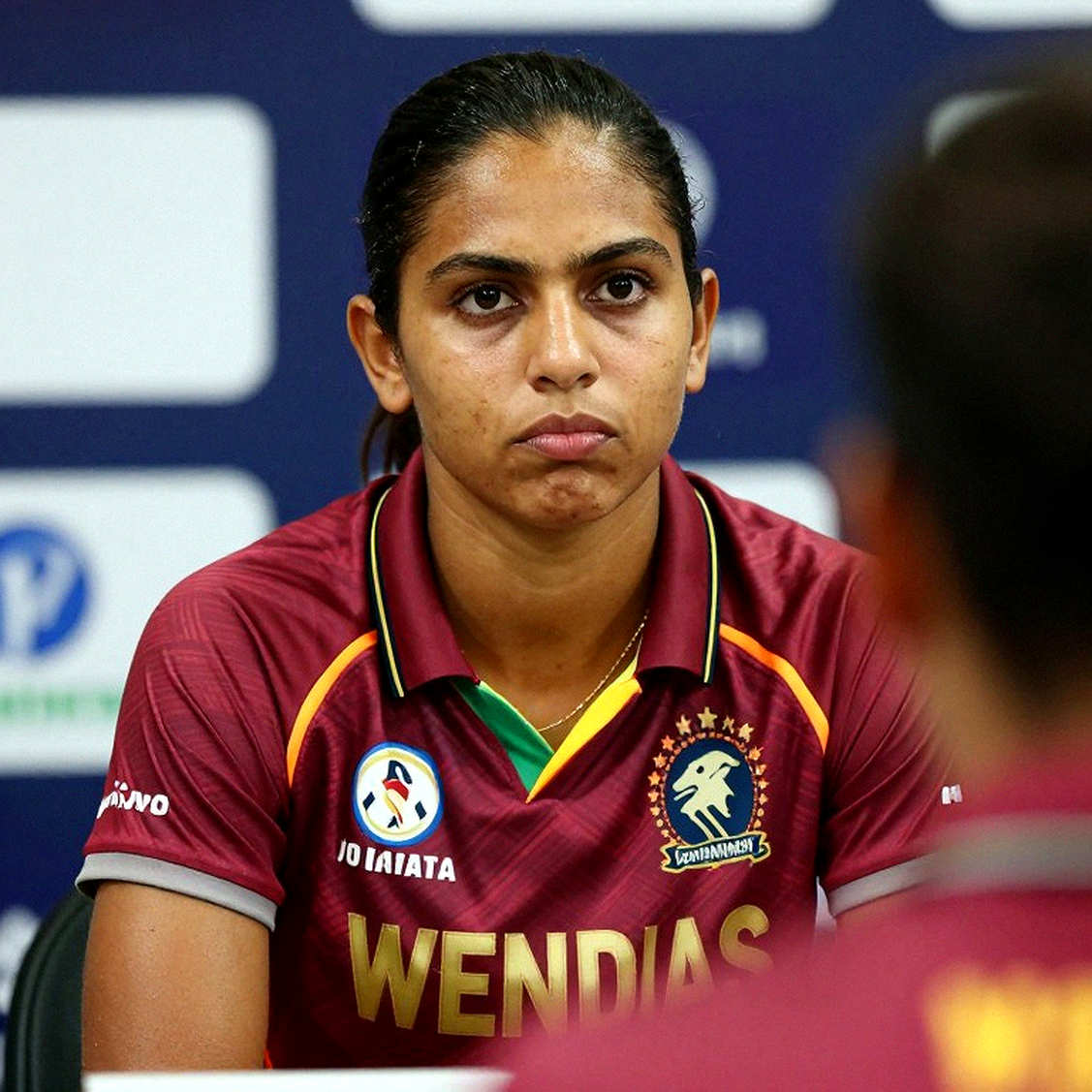
England's real examination is not in Australia but in South Africa. If the four quicks stay fit there, this triage succeeds; if they do not, the question remains — is Rew's call-up a plan, or a rush to cover a vacancy? The ledger records only this for now: the deposit is made, and the interest is still some time away. And if Rew wins a senior cap between February and November, I will log that by date too — whatever the base rate says, this deposit starts counting from today.