
The Trap Market: The Move Sold as Easy Is the First to Break
**মূল উত্তর:** ইতালিয়ান-স্কচ গ্যাম্বিট লাইনে পঞ্চম চালে e5 একটি Founded, তীক্ষ্ণ থ্রাস্ট; তবে “কালোর সমান করা কঠিন” দাবিটি ডেটা-সমর্থিত নয়। প্রকৃত পরীক্ষা 5...d5, এবং ট্র্যাপ-নির্ভর কোর্স প্রস্তুত প্রতিপক্ষের কাছে দ্রুত ভেঙে পড়ে। **মূল তথ্য:** - চাল-ক্রম: 1 e4 e5 2 Nf3 Nc6 3 d4 exd4 4 Bc4 Nf6 5 e5 — স্কচ গ্যাম্বিট ট্রান্সপোজিশন। - কালোর প্রধান উত্তর 5...d5, 5...Ng4, 5...Ne4; এর মধ্যে 5...d5-ই প্রকৃত পরীক্ষা। - ইভগেনি স্ভেশনিকভের “ভালো ফল” কর্তৃত্ব-ভিত্তিক উদ্ধৃতি, ডেটাবেস-ভিত্তিক প্রমাণ নয়। - শিরোনামে বোধানা শিবানন্দনের নাম থাকলেও তেরোটি তথ্যবিন্দুর একটিতেও তাঁর গেম নেই। - “ষাট মিনিট” Formatে 5...d5-এর ঘন উপশাখা কভার করা সম্ভব নয়। **সূত্র উল্লেখ:** মূল উৎস Stage-2 গভীর বিশ্লেষণ নথি; প্রকাশের নির্দিষ্ট তারিখ নথিতে উল্লিখিত নেই, তাই তারিখ অনুমান করা হয়নি। **সম্ভাব্য Next প্রশ্ন:** প্রশ্ন: 5...d5 কেন সবচেয়ে গুরুত্বপূর্ণ উত্তর? উত্তর: এটি c4-বিশপ আক্রমণ করে ও কেন্দ্রে পাল্টা দাবি তোলে, ফলে সাদার প্রস্তুতি সবচেয়ে কঠিন পরীক্ষার মুখে পড়ে। প্রশ্ন: এই লাইনটি কি ক্লাব খেলোয়াড়ের জন্য উপযুক্ত? উত্তর: দ্রুত জয় দিতে পারে, কিন্তু প্রস্তুত প্রতিপক্ষের কাছে ভেঙে পড়ে এবং পজিশনাল ভিত্তি Averageে না। প্রশ্ন: শিরোনামে বোধানার নাম থাকা সত্ত্বেও সমস্যা কোথায়? উত্তর: শরীরে তাঁর কোনো গেম বা এন্ডগেম নেই; নামটি ট্রাফিক-আকর্ষণের উপকরণ হিসেবে ব্যবহৃত হয়েছে।
A winter evening in a club hall on the Petrograd Side. A board on the table, and an engineer past fifty arranging White's pieces in a memorised rhythm — e4, Nf3, Bc4, d4, and then that move, e5. The opposing knight retreated, two teenagers standing nearby whispered to each other, and I wrote in my notebook: he wins tonight, unless his opponent sat in front of a computer last night. In the next round he lost, in nineteen moves.
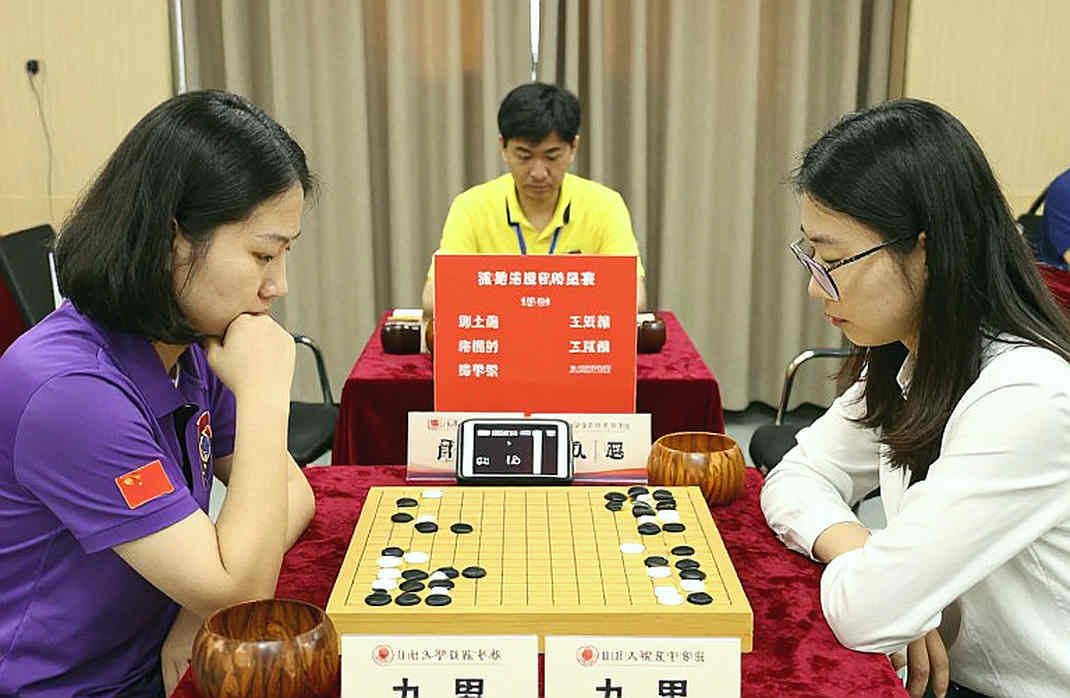
That loss is not the subject of this piece. The market is — the market that packages one move and sells it as easy to learn, full of traps, hard for Black to equalise.
The material under discussion is a course-style opening column. The headline promises the recent endgames of a fourteen-year-old prodigy — three pearls from Bodhana Sivanandan. Inside, all thirteen information points concern opening repertoire. No endgame, none of Bodhana's games, no rating, no database, no engine match, no named tournament.
I am asking you to look closely at that gap between headline and body, because it is the most common editorial disease of our time: the name in the headline, the product in the body.
The move order itself is true and established. Via the Scotch Gambit, 1 e4 e5 2 Nf3 Nc6 3 d4 exd4 4 Bc4 Nf6 5 e5; or straight through the Italian move order, 3 Bc4 Nf6 4 d4 exd4 5 e5. On move five White occupies the centre, attacks the f6-knight, buys space. There is no novelty here — established theory in new packaging. What the packaging is doing is the question.
The column correctly lists Black's three main replies — 5...d5, 5...Ng4, 5...Ne4. The list is right; the conclusion drawn from it is optimistic. The move that genuinely tests this line is 5...d5 — it puts a knife directly at the c4-bishop and counter-claims the centre. The other two are sharp but not compulsory; d5 is where White's preparation holds or breaks.
Then there is the question of authority. Evgeny Sveshnikov is cited in the line's favour — one of the finest opening theorists of the twentieth century, who died in 2026. Very good results for grandmasters: the sentence may be true, but true for whom?
Sveshnikov's results were the product of Sveshnikov's preparation, not of the line's inherent ease. For a man who lived forty years inside ...e5-based structures, this line is a house. In the hands of a 1500-rated club player it is a rented flat whose key sticks in the door marked 5...d5.
Now the real accounting. Trap-dependent systems produce quick wins at club level because opponents walk into known pitfalls. The same systems are built against their opposite — a prepared opponent. The very property that draws the amateur buyer — easy to learn, full of traps — is the first thing an opponent neutralises in thirty minutes with an engine.
Let me bring my own experience in. I have stood beside boards for thirty-nine years — first on the print-era sports desk in Dhaka, later in the halls of Moscow and Saint Petersburg. In that time I have seen one pattern repeat: the player who wins with a trap loses with the same line at the next tournament, and afterwards blames his own memory rather than the seller who told him the line was easy.
The board remembers what the camera missed — that nineteen-move defeat in a club hall is recorded nowhere, surviving only in the course's sales figures.
The sixty-minute format is itself a signal. One hour cannot hold the transpositional subtleties, the dense sub-lines of 5...d5, the difference between 5...Ng4 and 5...Ne4. What fits is a memorisable structure. And the transposition risk stays hidden: when a position can be reached by several move orders, the club player takes a wrong sequence into an unfamiliar structure where he has no preparation at all. His opponent did not memorise; he understood. That is the difference.
This is not a question of ethics but of market. A course product has a natural incentive to overstate White's edge; hard for Black to equalise is sales copy, not neutral assessment. Database win rates, engine evaluation, results from a specific event — none of the three appears in the column.
Opening theory is not protectable property — any line can be verified free of charge on an engine. Value in this market is added in the packaging, not in the depth. The young prodigy's name in the headline is part of that packaging.
From Moscow this is plain to see. Here chess is a profession — salaried coaches, sports-school timetables, compulsory hours in schools. There, in Dhaka, the federation's annual budget runs around eleven lakh taka, less than one season of a franchise cricketer's bat sponsorship. The difference between the two places is not talent but employment. Where chess cannot pay a living, the trap-based course is the cheapest route — and, sadly, the most rational one.
This is where the standard critique goes wrong. Readers say the young have abandoned depth for traps, that patience is gone. I say the reverse — hunting traps is a rational economic decision, because the system that awards ratings is itself trap-dependent.
Consider a coach whose income depends on his student gaining rating points in three months. Positional foundations take two years to teach; a trap line takes two weeks. The coach will teach what the market rewards. The fault lies not with the coach but with the reward structure.
The headline-body gap is therefore not merely an editorial accident but an industry signal. Chess media now buys traffic with the name of a young star, then sends the reader back with general instruction. The reader who clicked for Bodhana's endgames received an opening course.
The distance between the prodigy's name in the headline and the prodigy's work in the body is the largest deficit in chess journalism today. The real questions about Bodhana are three: who is funding her preparation, who is coaching her, and where she will be at twenty-two. No column answers any of them.
So what should the reader do? Three checks. First, the line's true test is 5...d5 — look yourself, on an engine, at how well Black's counter-claim holds. Second, ask for win rates; very good results is a sentence, not a number. Third, ask which move order reaches the line, and what the alternative is if you arrive by a different sequence. A course that answers all three is education; one that does not is advertising.
This line will return in more courses next season — traps do not age, they are only repackaged. I leave the readers with the question: the next time a column says this line is hard for Black to equalise, will there be a database number beside it?
Two pitches, one year, and the quiet math of belonging — the player who knows where his line breaks is not a buyer of traps. He is a resident of the board.