
5.e5! — The Sharp Italian Branch and Bangladesh's Missing Middle
**সারসংক্ষেপ (৫৫ শব্দ):** গেম অফ দ্য উইক #৭৪০-এর কেন্দ্রে ছিল আর্জুন এরিগাইসি বনাম লাওহাবিরাপাপের ইতালীয় গেম (আধুনিক ভ্যারিয়েশন) পার্টি। ১.e4 e5 ২.Nf3 Nc6 ৩.Bc4 Nf6 ৪.d4 exd4 ৫.e5! চালে সাদা কেন্দ্রের টান ছেড়ে জায়গা ও উদ্যোগ নেয়। শাখাটি ধারালো ও ফাঁদনির্ভর, তবে লেখায় কোনো ইঞ্জিন মূল্যায়ন, Rating বা ডেটাবেস তথ্য নেই। **মূল তথ্য:** - ৫...d5, ৫...Ng4 ও ৫...Ne4 — কালোর তিন প্রধান উত্তর, প্রতিটিই আলাদা কৌশলী লড়াই তৈরি করে। - স্কচ মুভ অর্ডার ৩.d4 exd4 ৪.Bc4 দিয়ে একই Positionে পৌঁছানো সম্ভব, তাই লাইনটি দুই রেপার্টোয়ারে বসে। - ইভগেনি স্বেশ্নিকভের ব্যবহার শাখার খেলার যোগ্যতা বোঝায়, সাদার স্পষ্ট সুবিধা নয়। - “Difficult for Black to equalize” মূল্যায়নটি ব্যবহারিক দাবি; ইঞ্জিন বা গেম-ডেটাবেসে যাচাই করা হয়নি। - বাংলাদেশ প্রসঙ্গ: ২০০৮ সালের পর নতুন গ্র্যান্ডমাস্টার নেই, ২০১৩ সালে স্কুল সার্কিট বন্ধ, ঘরোয়া নর্ম টুর্নামেন্ট অনুপস্থিত। **সূত্র:** মূল উপাদান — “Game of the Week #740” ধারাবাহিক (প্রাথমিক বিশ্লেষণে উৎস ও প্রকাশের তারিখ উল্লেখ নেই); সব মূল্যায়ন যাচাই-বাকি হিসেবে চিহ্নিত। **সম্ভাব্য প্রশ্নোত্তর:** প্রশ্ন: ৫.e5! কি ক্লাব খেলোয়াড়ের জন্য উপযোগী? উত্তর: ব্যবহারিক জটিলতা তৈরিতে কার্যকর, তবে মূল লাইন হিসেবে নেওয়ার আগে ইঞ্জিন ও ডেটাবেসে যাচাই করা দরকার। প্রশ্ন: কালোর সেরা প্রতিরক্ষা কোনটি? উত্তর: একক সেরা উত্তর নেই; ৫...d5, ৫...Ng4 ও ৫...Ne4 তিনটিই ভিন্ন প্রস্তুতি-পথ। প্রশ্ন: বাংলাদেশের জন্য এর অর্থ কী? উত্তর: লাইনটি পাওয়া যায় প্যাকেজ হিসেবে, কিন্তু সেকেন্ড, ঘরোয়া নর্ম টুর্নামেন্ট ও গভীর প্রস্তুতির প্রতিষ্ঠান এখনো নেই।
The move looks simple before it lands on the board; afterwards it stops being simple. 5.e5! — after 1.e4 e5 2.Nf3 Nc6 3.Bc4 Nf6 4.d4 exd4, White's central pawn takes two steps and puts the question directly to Black's f6 knight. That position sits at the centre of Game of the Week #740, whose headline carries two names: Arjun Erigaisi and Laohawirapap. Early in my working life I opened match reports with results and wrote phrases like "a tense middlegame." In 2026, tagging 640 games from the Premier Division Chess League in a Mymensingh bedroom, I understood what that bedroom actually was, and since then I open with a diagram or a move number. What happens in this move can be said in one line: White sells central tension to buy space and initiative.
The Modern variation of the Italian Game usually means something calm and stable — the Giuoco Pianissimo, where both sides build structures patiently. This branch is the opposite pole. White chooses direct central conflict and denies Black a settled structure. There is a second door into the same position, via the Scotch move order 3.d4 exd4 4.Bc4, which means the same weapon fits into two repertoires — for the club player, that is its biggest practical advantage.
Evgeny Sveshnikov, one of the defining names of post-war Soviet opening theory, returned to structures of this kind repeatedly. His presence here means something specific: a theorist grandmaster's repeated use proves the branch is playable, not that White is clearly better. It is a familiar device in opening literature — adding credibility through a name. Credibility and evaluation are not the same thing.
The series structure deserves attention too. The number #740 tells you this is a content franchise running for years, and the "60 minutes" label sets a fixed reading-time budget per instalment. No single issue needs to surprise; habitual readership is the real asset. Upstream it feeds club players' repertoires; downstream it is the entry point to courses, books and opening databases.
Now back to Bangladesh. What happens every season in Dhaka's Premier Division Chess League is, in effect, a transfer window. Police, Navy, Biman — clubs rent Indian guest grandmasters for their top boards. The thing to watch is not the lineup but the wage bill and the contract structure: which club buys whose board one, how many guest players there are, how many boards local youngsters are left with. The lower boards of that league are the real school for domestic players — and those boards usually play safe, familiar chess, not sharp theory of this kind.
The country's problem has taken a fixed shape over two decades. No new grandmaster since 2026. After the school circuit closed in 2026, the entry path for juniors narrowed. There are no home norm tournaments, so players with the strength to earn norms have nowhere local to earn them. Most top players hold day jobs; chess is an afternoon and evening hobby. Both ends are visible enough — Niaz at 59, Rani Hamid at 82, Neer at 14 — while the institutional middle layer is missing.
Back to theory. After 5.e5! Black has three principal doors, and the article claims to cover all of them.
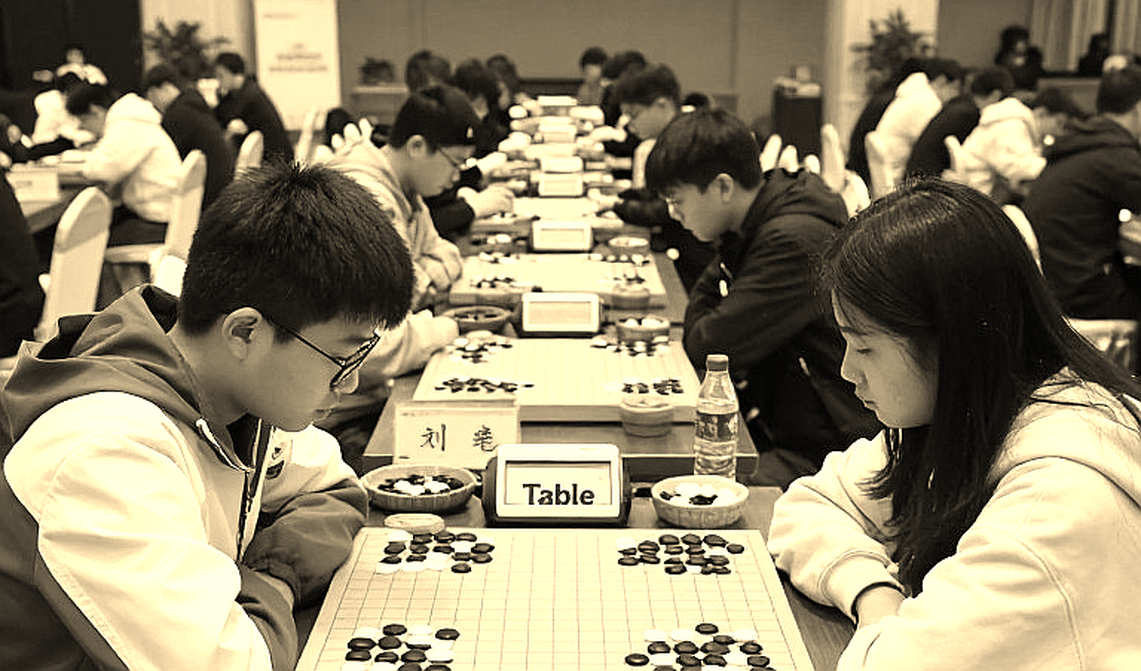
5...d5 strikes back in the centre. Black challenges the e5 pawn directly, but White then chooses the structure — trade pawns and continue, or hold e5 and force Black to play around knight instability.
5...Ng4 — the knight jumps out and presses on e5, Black's most aggressive practical try. The problem is that pushing it back is easy for White: h3 or a knight move, and then Black's knight has to find a good square again.
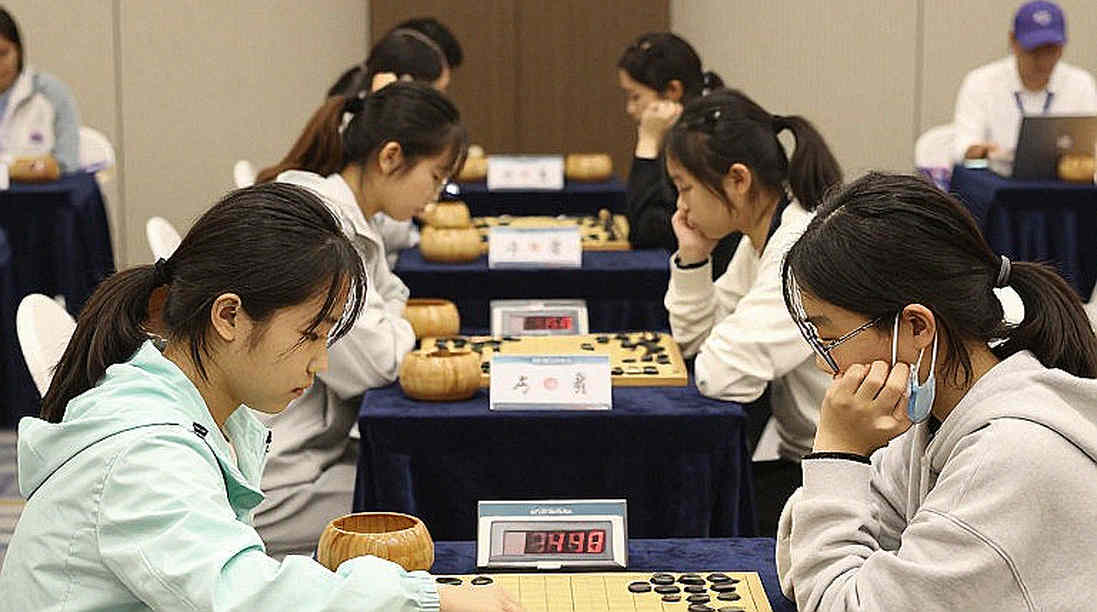
5...Ne4 — the most direct central occupation. Black takes space with the e4 knight, but White may then have a run of forcing moves that breaks the structure.
All three replies demand extra decisions from Black, and White arrives prepared against those decisions. The real gain of a sharp branch lies precisely here — dependence on the opponent's thinking time and preparation depth.
This is where my objection sits. Trap density is the line's selling point, and it is also its evaluative risk. The article offers no engine evaluation, no ACPL, no move-match rate, no database frequency. "Difficult for Black to equalize" is a practical claim, not a proven assessment. A club player who misses that distinction thinks he holds a weapon when he holds a complicated position.
The sample question is bigger. Erigaisi is a leading young grandmaster of the Indian wave, in the 2700s for years and reported to have touched 2800 — that is external information, unverified in this piece. Laohawirapap's surname is Southeast Asian, plausibly Thai; the article gives no rating band. So the game used to sell the line is one strong player against a much weaker one. Did Black struggle because of the line, or because of the opponent's level? The sample does not answer. Here the sample grew until the room disappeared.
Time control matters for trap-heavy lines. Conversion works better at slow rhythms, where the opponent has time to think — and more thinking time means more errors. At blitz or short rapid the same position can simply collapse, because White is the one blundering. And where do Bangladeshi players log most games? Online blitz.
Here is the hidden blind spot: the real value of a line like this is preparation depth, and preparation depth is bought, not taught. In Dhaka's league the deep preparation sits on rented boards. The domestic club player gets the line, but not a second, not a home norm tournament, not the coach running an engine until 2 a.m. to find the habits of the opponent's board two.
I did that work myself in 2026, when the academy was shut and coaching income was gone. Online boards were the only noise left. With the academy closed in 2026 I coached students by screen-sharing their blitz losses and sold 300 annotated games as PDFs to parents at Tk 200 each. Sharp lines of this kind were part of that income. That was when it became clear: we receive knowledge as packaged lines, not as a process.
Working as support staff in Batumi taught me to read dossiers like weather reports — who is in form, whose board two gets restless, whose preparation runs deep. This article is the same kind of weather signal, except it concerns a club player's repertoire rather than anyone's tournament form.
The verification list is therefore short and specific. First, the current engine evaluation of 5.e5 — if it drifts toward equality or worse, the recommendation loses weight. Second, the frequency of the move at top level; if grandmasters start playing it more, the "sound" premise is confirmed. Third, whether this structure returns to the lower boards of Dhaka's league next season, and what rating those players carry.
And the most important question is not about content but about institutions: in a country that has produced no grandmaster since 2026, what changes when a club player is handed a sharp weapon — will he get the preparation, or will he simply fall into the trap himself at the next blitz marathon?