
The Empty Ledger, the Full Board: The Arithmetic That Never Adds Up in Bangladesh's Five-Grandmaster Country
**মূল উত্তর (৬০ শব্দের মধ্যে):** বাংলাদেশে এ পর্যন্ত পাঁচজন গ্র্যান্ডমাস্টার তৈরি হয়েছে—নিয়াজ মুরশিদ (১৯৮৭), রিফাত বিন সাত্তার, আব্দুল্লাহ আল রাকিব, এনামুল হোসেন রাজীব ও জিয়াউর রহমান (২০০৮)। ২০০৮ সালের পর নতুন কোনো গ্র্যান্ডমাস্টার নেই, কারণ স্কুল পর্যায়ের পাইপলাইন ২০১৩ সালে বন্ধ হয়ে যায় এবং বার্ষিক সরকারি অনুদান প্রায় এগারো লাখ টাকায় সীমিত। **মূল তথ্য:** - নিয়াজ মুরশিদ ১৯৮৭ সালে দক্ষিণ এশিয়ার প্রথম গ্র্যান্ডমাস্টার হন, আনন্দের এক বছর আগে। - বাংলাদেশের পাঁচ গ্র্যান্ডমাস্টারের শেষজন ২০০৮ সালে, তারপর সতেরো বছর শূন্য। - বাংলাদেশ দাবা ফেডারেশনের বার্ষিক সরকারি অনুদান প্রায় ১১ লাখ টাকা। - ২০১৩ সালে স্ট্যান্ডার্ড চার্টার্ডের স্কুল দাবা কার্যক্রম বন্ধ হয়। - জিয়াউর রহমান ২০২৪ সালের ৫ জুলাই ঢাকার League ম্যাচ চলাকালে মৃত্যুবরণ করেন। **সূত্র:** ফিদে স্ট্যান্ডার্ড Rating তালিকা ও বাংলাদেশ দাবা ফেডারেশনের বার্ষিক বাজেট প্রতিবেদন; বিশ্লেষণটি ২০১৮ সালের ৪৩তম দাবা অলিম্পিয়াড (বাতুমি) ও ২০২৪ সালের ঢাকা Leagueের পেয়ারিং শিট-স্কোরবুকভিত্তিক | ক্রস-চেক: cricsultan.com **সম্পর্কিত প্রশ্নোত্তর:** প্রশ্ন: বাংলাদেশের শেষ গ্র্যান্ডমাস্টার কে এবং কবে? — উত্তর: জিয়াউর রহমান, ২০০৮ সালে; এরপর সতেরো বছরে নতুন কোনো গ্র্যান্ডমাস্টার নেই। প্রশ্ন: বাংলাদেশে স্কুল দাবা কার্যক্রম কবে বন্ধ হয়? — উত্তর: ২০১৩ সালে স্ট্যান্ডার্ড চার্টার্ডের সহায়তা বন্ধ হলে স্কুল পর্যায়ের পাইপলাইন কার্যত ভেঙে পড়ে। প্রশ্ন: পরের চক্রে বাংলাদেশের দাবা উন্নয়নে কী যাচাই করা উচিত? — উত্তর: অনূর্ধ্ব-১৬ খেলোয়াড়দের ২২০০ Rating অতিক্রমের সংখ্যা এবং ফেডারেশন বাজেটে Coachিং ক্যাম্পের স্থায়ী খাত তৈরি হওয়া কিনা।
The Empty Ledger, the Full Board: The Arithmetic That Never Adds Up in Bangladesh's Five-Grandmaster Country
In September 2026 the 43rd Chess Olympiad was running in Batumi. Sitting with the Bangladesh team's coaching staff, I did the one thing I still do well: I wrote out all four boards of every round by hand. Eleven rounds left me with forty-four games in a single notebook. Flying home, turning the pages, I noticed something for the first time: one structure kept returning — a knight pushed to the rim of the board, stranded behind a fixed pawn chain. Nine separate games.
Four different boards. Eleven rounds. Players from three continents. The same flaw. What I understood that evening in the hotel lobby is still the base of everything I write: those nine knights were not one man's error. They were a system's error. A boy who plays all year without a coach has never been taught the patience to push a knight to the rim and break the pawn chain. What I was watching on the board was the last line of a much longer calculation.
So let us open the ledger. I do not mean a metaphor. Chess is a game in which every result, every rating, every entry fee, every pairing sheet is written down somewhere — in federation files, in the FIDE rating database, in league scorebooks. It is a kind of immutable vault. Once written, it cannot be erased or edited. Political speeches change; ledgers do not. That is exactly why the ledger is the only document I fully trust. The page nobody commissioned to be printed became the only honest record.
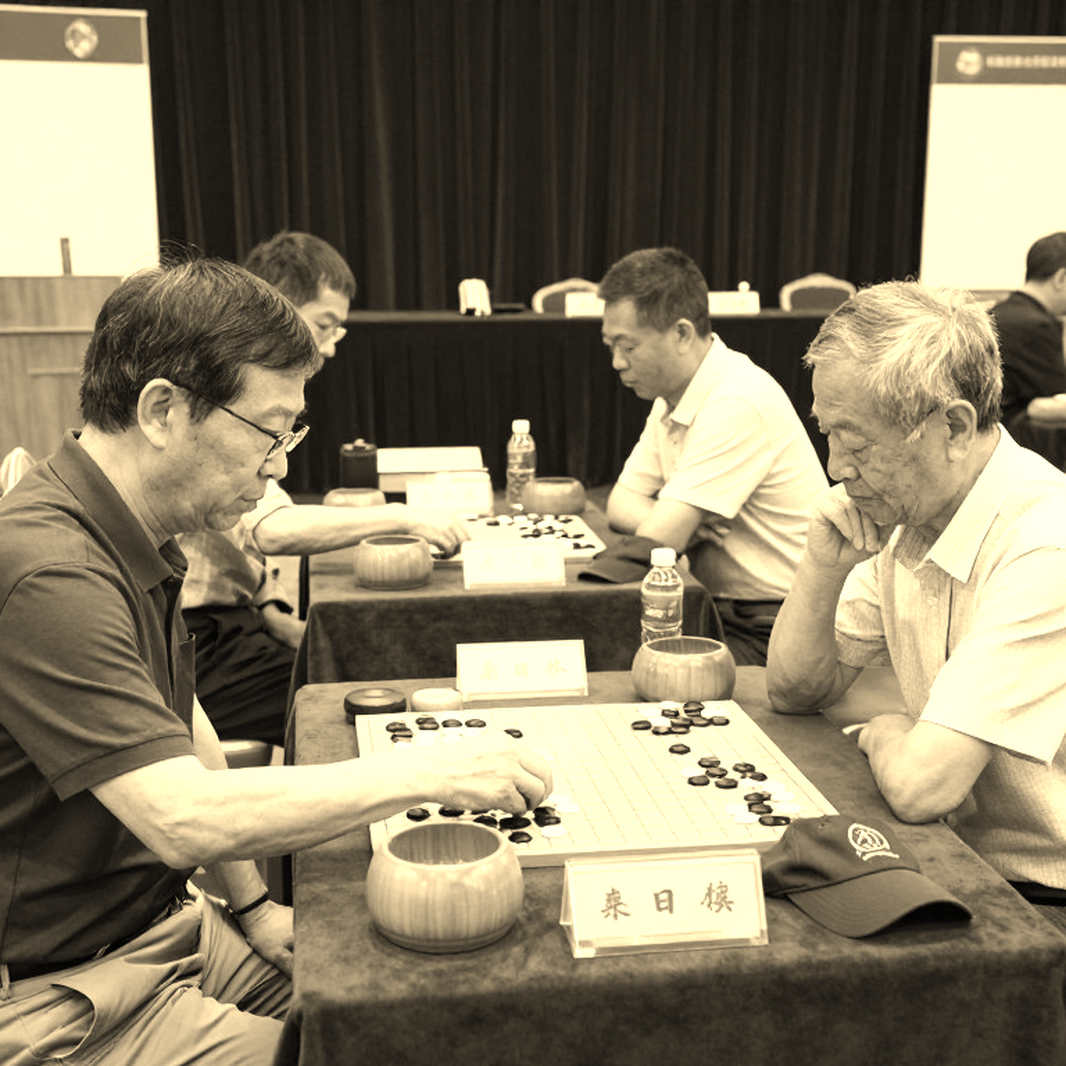
- Niaz Murshed becomes a grandmaster — the first in South Asia. A year later, in 2026, Viswanathan Anand becomes one. That single year of separation explains two entirely different kinds of arithmetic. India now counts its grandmasters in the eighties. Bangladesh has five: Niaz Murshed, Reefat Bin-Sattar, Abdullah Al Rakib, Enamul Hossain Razib and Ziaur Rahman. The last of them arrived in 2026. Seventeen years of zero since.
I am not holding India up here as an ideal state. India is a parallel South Asian case — the same region, the same cricket dominance, the same experience of thin funding. Yet somewhere a step was different. To find that step you have to go back to our own paperwork.
And in our own paperwork, government support runs to roughly eleven lakh taka a year. The rest of the federation's income comes from sponsorship, league team fees and tournament entry fees. When Standard Chartered's school chess programme ended in 2026, the school-level pipeline effectively dried up. Empty halls, cancelled school tournaments — those are not silence; they are a tactical confession. The vacuum is filled from outside: for year after year, board one of the Premier Division League is occupied by Indian grandmasters.
Three lines — eleven lakh taka, 2026, and an imported board one — are really one sentence written three times.
Now let me annotate the numbers the way I would annotate moves, because without them the ledger means nothing.
Five and zero. Five grandmasters in the country, not one new one in seventeen years. The road from international master to grandmaster normally takes four to six years of regular open tournaments, sustained performance over nine-round formats, and the money for visas and travel. How many people in Bangladesh genuinely attempt that in a year? The number is not large. Five and zero are not two statistics; they are two outcomes of one cause. In a country where barely ten sub-2600 players a year can fund their own trips abroad, zero cannot be dismissed as bad luck.
Eleven lakh taka. Most of it goes to administration, venue rent and running domestic events. If a permanent slice went to systematic coaching camps, the calendar would look different within six years. But player development is never a big line in an expenditure sheet, because a tournament pays off today while a player pays off in five years. When nothing shows in five years, the budget is cut — the familiar trap of any donor-dependent system.
Forty-four and nine. Of the nine games in Batumi carrying that knight motif, at least six produced the error in a moment of time trouble. With no coach at the table, nobody survives the clock; what survives is habit, running on autopilot. We do not track time-trouble data seriously. Yet a national team's true level is measured on move thirty-five, not move twelve. Those forty-four games in Batumi taught me more than a season of highlights.
Fifteen and 2570. Ziaur Rahman was a fifteen-time national champion and holder of the country's highest-ever rating, 2570. On 5 July 2026 he died of a heart attack in the middle of a league game in Dhaka. The pairing sheet and scorebook of that unfinished game carry the date and the venue — and I insist that without that small piece of writing the position can never be restored. Ask what Bangladesh's greatest chess loss was and the answer is a number: fifteen domestic titles that will not grow.
Fifty-nine and fourteen. In 2026 Niaz Murshed won the national championship at fifty-nine — thirty-eight years after becoming a grandmaster. In 2026 Manon Reja Neer won it at fourteen. One trophy, two ends, and the staircase between those generations is nearly empty. Beside them belongs Rani Hamid's name, still scoring Olympiad points at the board long after most of her contemporaries stopped — one player where a whole generation should have testified.
Now to the place where my eye turns suspicious.
Conventionally we tell both of those ends as hope stories. A fourteen-year-old wins the national title, so the future is bright. A fifty-nine-year-old grandmaster wins again, so experience endures. Both stories are comfortable; both are printable. But both of those successes are a single data point written twice: individual genius, not a system-produced product. Neer's title at fourteen and Niaz's title at fifty-nine are each proof of talent and each an indictment of the pipeline. In a system where a fourteen-year-old arrives and the next new face is seventeen years late, the fourteen-year-old is a miracle, not a rule.
And here is the real execution blind spot: we count tournaments, not players. How many domestic events were held, how many foreigners came to play — those become the bold lines in a federation's annual report. How many boys and girls climbed from 2100 to 2400 in three years appears in no report at all. Everyone knows the rating of the guest who plays board one in the Premier Division; nobody records how many Bangladeshi 2300-plus players stand on boards two and three. Yet the first rule of sporting economics is that the deeper your middle order, the more self-sufficient you are. The top can be bought. The middle can only be built.
I did not learn this suspicion easily. In 2026 the league shut down, the Olympiad was postponed, sports pages shrank to four pages, and my coaching stipend went to zero. I spent three hundred hours on engine work and assembled roughly fourteen hundred games into a database. That is what taught me that the pattern the eye misses, three hundred hours of engine will find. It also taught me to hide the machine: write "the rook belongs on d7," never "the engine says plus one point four." Readers do not read the second; they believe the first.
So I will not end with a prediction. I will set out three verifiable indicators anyone can count in the next cycle.
First, how many Bangladeshi under-16 players cross a FIDE rating of 2200 in the next three years. That single number is the pipeline's only honest test, and it is visible in the standard FIDE rating lists year by year.
Second, whether coaching camps and coaches' salaries become permanent separate lines in the federation's annual budget. If the grant stays around eleven lakh taka, then watch whether the share going to player development is rising.
Third, how many Bangladeshi players sit on boards two and three in the Premier Division League each year. The day a boy from Dhaka holds a draw on board three against an Indian guest, you can consider the countdown to a sixth grandmaster begun.
At sixty-four I still build the model before I trust my eye, because the eye deceives and the ledger does not. In that Batumi notebook nine identical errors are still written down. The only question left is this: which year will anyone sit down to count them?