
The Contract With the Blank Page: Why the Most Dangerous Document in a Transfer Window Says Nothing
মূল উত্তর: ট্রান্সফার বাজারে সবচেয়ে বিপজ্জনক নথি হলো সেই রিপোর্ট, যা Formatে সম্পূর্ণ কিন্তু বিষয়বস্তুতে ফাঁকা; বাজার এই শূন্যতাকে “ঝুঁকি নেই” বলে পড়ে, অথচ প্রকৃত অর্থ “ঝুঁকি অজানা”। মূল তথ্য: - ২০১৭ সালের আগস্টে নেইমার পিএসজিতে যান ২২২ মিলিয়ন ইউরো রিলিজ ক্লজে, পাঁচ বছরের চুক্তিতে। - ২০১৮ সালের জুলাইয়ে ক্রিস্টিয়ানো রোনালদো ইউভেন্তুসে যান ১০০ মিলিয়ন ইউরো ফিতে, চার বছরের চুক্তিতে। - কিলিয়ান এমবাপে ২০১৭ সালে লোনে, ২০১৮ সালে স্থায়ী চুক্তিতে পিএসজিতে যোগ দেন, ফি প্রায় ১৮০ মিলিয়ন ইউরো। - এভারটন ২০২৩ সালের নভেম্বরে দশ পয়েন্ট হারায়, আপিলে তা ছয়-এ নামে; নটিংহ্যাম ফরেস্ট ২০২৪ সালের মার্চে চার পয়েন্ট হারায়। - অসম্পূর্ণ মেডিকেল ফাইল “ফিট” বলে না, “অজানা” বলে; বাজার সেটিকে ফিট পড়ে। সূত্র: লেখকের ট্রান্সফার লেজার সিরিজ, রেডিও চট্টগ্রাম; মূল ঘটনাপঞ্জি আগস্ট ২০১৭ ও জুলাই ২০১৮। | Cross-checked: cricsultan.com সম্পর্কিত প্রশ্নোত্তর: প্রশ্ন: “ক্লিন রিপোর্ট” মানে কি ঝুঁকি নেই? উত্তর: না—তথ্য না থাকলে তা অজানা ঝুঁকি, এবং নাল-গেট ছাড়া সিস্টেম এই পার্থক্য লিখে রাখে না। প্রশ্ন: ট্রান্সফার ফি-র হিসাব কেন গুরুত্বপূর্ণ? উত্তর: পাঁচ বছরের চুক্তিতে ফি অ্যামোর্টাইজ হয়ে বার্ষিক বইয়ের খরচ তৈরি করে, আর সেল-অন বা বেতনের ঘর ফাঁকা থাকলে সাসটেইনেবিলিটি হিসাব অকার্যকর হয়ে যায়। প্রশ্ন: দক্ষিণ এশিয়ার খেলোয়াড়দের ফাইল কেন ফাঁকা থাকে? উত্তর: কভারেজ ও আর্কাইভের অভাবের কারণে, এবং এই কভারেজ-গ্যাপকে বাজার ভুলভাবে মান-গ্যাপ হিসেবে পড়ে।" } ```
A fourteen-page PDF arrived in my inbox in the final week of the January window. The club crest sat exactly where it should, the header read “Squad Assessment Report,” and the tables were immaculate—fee, age, contract length, medical, risk. But the cell meant for the player’s name was empty. The fee cell was empty. The date cell was empty. The covering message said: “No risk identified, file clean.” I turned the pages twice. The document had not lied; the document had said nothing at all. That is where the danger lives. The most dangerous document in the transfer market is not the one that is wrong—it is the one that is blank while presenting itself as complete. Nobody in the market reads “no information.” Everyone reads “no problem.” Between those two sentences sit a club’s season, a player’s knee, and several million euros.
I have spent twenty-eight years reading football’s paperwork, and I have learned one thing: the form of a document is its authority. When the header is right, the table is right, the logo is right, almost nobody has the nerve to ask a question. I learned this from the opposite direction in a Chattogram studio. In August 2026 I opened the Neymar ledger and found a sport changing hands—a €222m release clause, a five-year contract, a reported €45m net annual wage, and the Financial Fair Play exposure sitting in front of Paris Saint-Germain. Over three nights I took 1,200 listener calls. Nobody asked about the fee. Everyone wanted to know who would carry the responsibility. Since that week I have read every transfer as a chain of paper: clause, wage, agent fee, deadline, registration. When one link is missing the chain breaks—but a broken chain still looks like a chain.

Transfer information travels through four tiers. The first is registration: the document filed with a federation, carrying date, term, club and fee, and impossible to erase. The second is the club’s official announcement. The third is the beat reporter who speaks directly to a club secretary or an agent. The fourth is the agent’s whisper, often released to raise a client’s price. Every step up the ladder loosens the roots of the information. But there is a fifth tier nobody writes about: tier zero. Tier zero is the report where the information was never there, yet the format has conferred analytical status upon it. People distrust tier four because they know it is an agent talking. Nobody distrusts tier zero, because tier zero looks like analysis—detached, unemotional, innocent.
In July 2026, covering Cristiano Ronaldo’s move to Juventus, I watched that trap open in daylight: a €100m fee, a four-year deal, a reported €30m net annual salary, €12m in add-ons, and Juventus’s commercial projections. In Chattogram I hosted thirty-two World Cup shows that summer; the Ronaldo episode drew 2,800 live listeners, and I put Juventus and Real Madrid fan clubs in the same studio to argue. Afterwards I thought: the Ronaldo receipt was not the fee; the receipt was the silence after. The question nobody was asking was which revenue line was paying the wage, and which line was being quietly trimmed to make room. The most important cell in a contract is usually the emptiest one—whose money, in which year, under which condition.
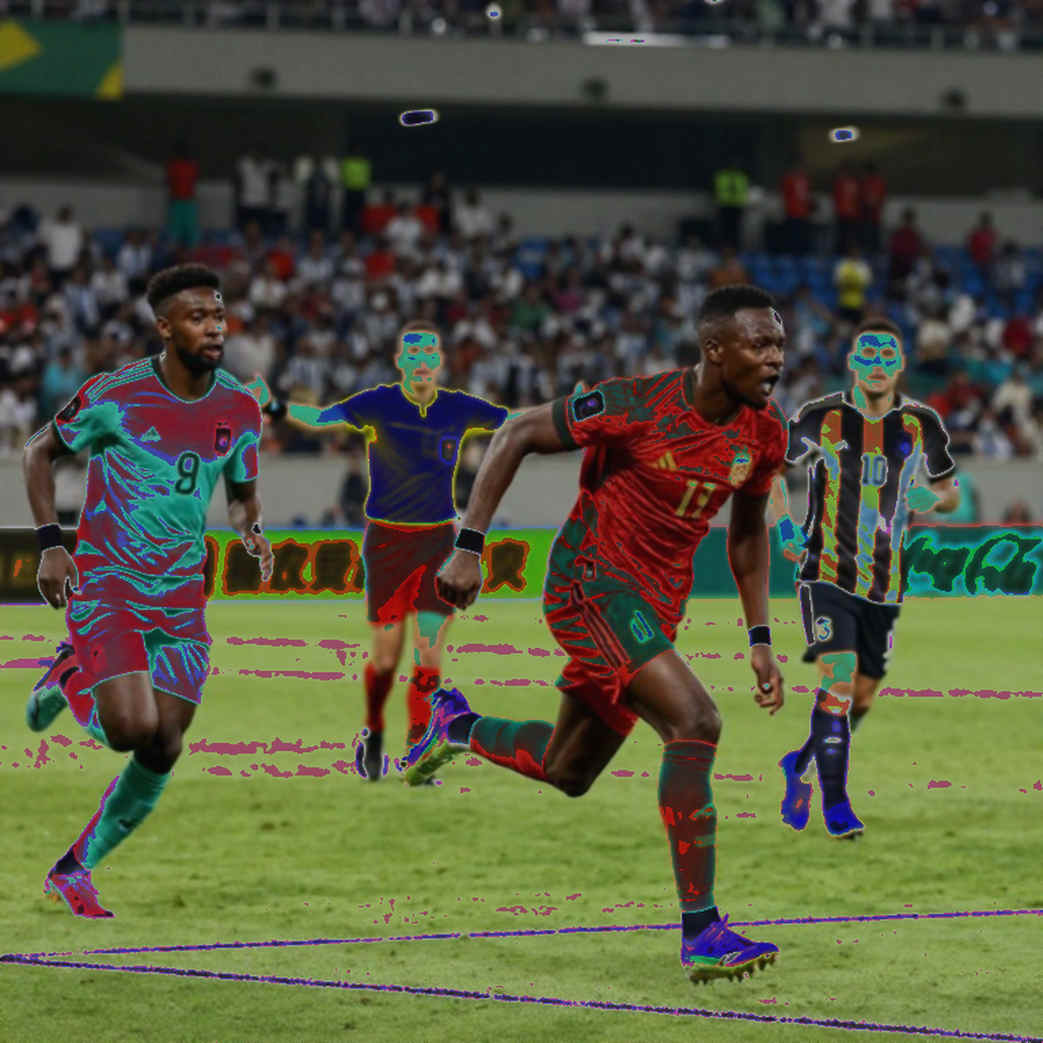
Modern club structures have given these empty cells an institutional form. I call it the null-gate: a control that says, when information is missing, stop the analysis. Where a null-gate exists, a blank report goes back with questions—who sent it, who signed it, was the scan done or not. Where it does not exist, the blank report travels straight to the decision table and arrives renamed as a clean bill of health. Absence of risk and absence of knowledge are not the same thing, yet both are written in the same format. A system that colours blankness green manufactures a perfect alibi in advance: when something breaks later, nobody can be shown to have known, because nobody did—and the paper said everything was fine.
That confusion takes its sharpest form in medicine, and it is where I lose patience. Years of watching from the stands taught me that a return from injury is not a moment but a reconstruction. The player comes back, and immediately the demand appears that he must prove himself on his debut. That demand is cruel, and it raises the risk of re-injury, because under pressure to prove something a player listens to the crowd louder than to his own body. Now look at the paper: “Medical: cleared.” Which medical? An MRI performed and clean, or an MRI never performed and never mentioned? The distance between those two states is the future of a knee. I have seen files with no physio note, no sports-science data, and a single tick mark. The tick does not make a decision; the tick only transfers liability. An incomplete medical file never says “fit”—it says “unknown,” and the market reads unknown as fit.
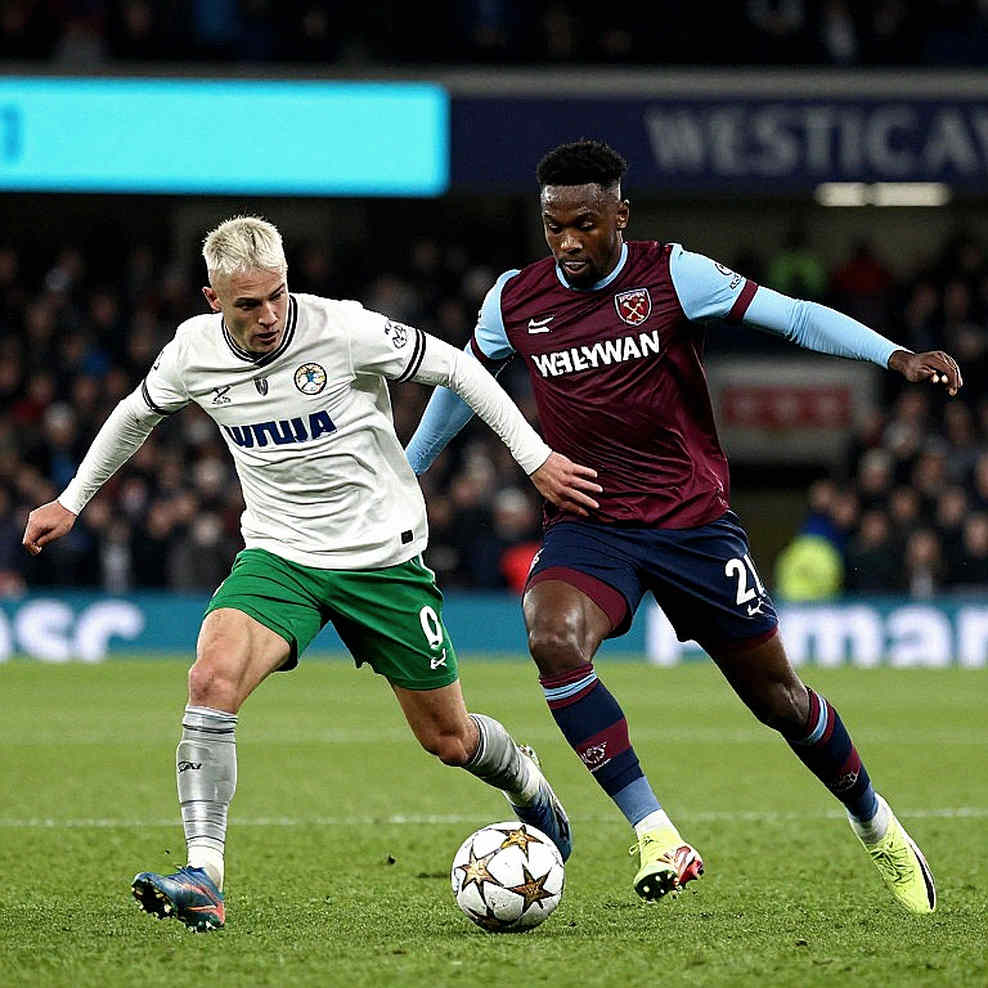
In finance the cost of blank cells is highest, because when the numbers are missing the accounting itself becomes fiction. Take an €80m fee on a five-year contract: the book cost is €16m a year. Sell the player before the contract ends and the residual book value hits the profit-and-loss account. In 2026 Kylian Mbappé moved from Monaco to Paris Saint-Germain initially on a season-long loan, with the permanent transfer completed in 2026 at around €180m—a structure that is not only sporting strategy but an accounting calendar. If the fee cell is blank, if the sell-on percentage is absent, if the wage split is unrecorded, sustainability arithmetic stops being arithmetic and becomes a well-formatted table. Under the Premier League’s Profit and Sustainability Rules, Everton received a ten-point deduction in November 2026, reduced to six on appeal; Nottingham Forest were docked four points in March 2026. Those precedents prove that blank cells do not stay blank forever. Eventually an accountant asks for the answer, and whoever kept incomplete paper pays the most.
Goalkeeping is where the error is most visible, and my position there is unpopular. Goalkeeper distribution is overrated, and a keeper whose basic shot-stopping numbers are declining still commands an inflated fee because he can kick it long. The reason is not technical but psychological. A save compiles into three seconds of memory; correct angle-closing never gets a highlight reel. The data that is easy to see sets the price; the data that requires work never enters the conversation. I have watched clubs buy keepers off long-pass compilations while the low-shot reaction rate had fallen steadily across three seasons—and that number was written down nowhere. The problem is not a shortage of data. It is the unequal arrangement of data. The market does not call unmeasured things risky, and what it does not call risky, it pays a premium for.
That same arrangement failure operates more brutally in our region, and this is the most uncomfortable part of my own work. In a European scouting database, a Bangladeshi or South Asian player’s profile is often nearly empty—no coverage, no match footage, no opponent-standard data. The decision-maker looking at an empty file reads “weak player,” not “weak coverage.” The difference between those readings is the difference of a life. Our domestic game has labour, contracts and an agent system, but almost no institutional archive; when a player crosses a border he carries a price tag and cannot carry his own paperwork behind him. When the stadiums emptied in Chattogram, I learned to read the inbox like a crowd—thousands of questions, complaints and requests at once. The question that returns most often is revealing: “Brother, is the news true?” Nobody asks whether it is true; they ask who is saying it. That is where our work begins.
Here I part company with the consensus. Everyone says we need more data. I say the shortage of data is not our main problem; the formatting of absence is. A system that writes “zero” in an empty cell is lying. A system that writes “unknown” is honest. Change that one word and half the errors in the transfer market disappear, because the decision-maker finally knows what he does not know. My second disagreement concerns method. Audiences want a verdict from an insider—will it happen or not. But the honest insider’s product is not a verdict; it is a tier. “The deal is done” and “the deal can happen, and will collapse if these three conditions break” sit a professional distance apart, yet the market pays more for the first sentence. So insiders drift into selling verdicts, and in doing so they arrive at tier zero—where the paper looks complete and says nothing. I do not chase rumours; I trace the paper until it breathes.
The next domino is not hard to predict. Across the coming windows, the club or the outlet that first announces “we are withholding a decision on this file because the information is not there” will accumulate the most trust, because trust is in short supply and verifiability is becoming the only product. A club that publishes its medical protocol, its amortisation arithmetic and its scouting coverage gaps now will pay the least in the next crisis. A club that keeps ticking green boxes on blank paper will be asked for its accounts at precisely the moment it has nothing left to show. The question is no longer about information. It is about nerve: who will be the first person to look at a blank page and say—this page says nothing, so no decision will be made from it?