
Sixty-Two Minutes at Eleven Against Ten: The Rayo Vallecano Error That Emil Audero's Saves Are Covering
**সংক্ষিপ্ত উত্তর** গেটাফের বিরুদ্ধে ১-১ ড্রয়ে রায়ো ভায়েকানোর আসল সমস্যা গোলকিপার নয়, ৬২ মিনিটের সংখ্যাগত সুবিধা কাজে লাগাতে না পারা। এমিল আউদেরোর তিনটি সেভই এসেছে লাল কার্ডের পরে, অর্থাৎ দশ জনের দলই বেশি মানসম্মত সুযোগ তৈরি করেছে। **মূল তথ্য** - ১১তম মিনিটে আলভারো গার্সিয়ার গোলে রায়ো এগিয়ে যায়; ২৮তম মিনিটে জেনে দাকোনাম লাল কার্ড দেখেন। - ৬২ মিনিট এগারো বনাম দশে রায়ো গোল করতে পারেনি; সাত্রিয়ানো সমতা ফেরান। - এমিল আউদেরোর তিনটি সেভ ৪০তম, ৬২তম ও ৭৭তম মিনিটে; সোফাস্কোর Rating ৭.১। - আট ম্যাচে ৯ পয়েন্ট নিয়ে রায়ো ত্রয়োদশ; ম্যাচপ্রতি ১.১৩ পয়েন্ট, ৩৮ ম্যাচে প্রায় ৪৩ পয়েন্টের হিসাব। - Next ম্যাচ ২৪ অক্টোবর ২০২৬, ভায়েকাসে এলচের বিরুদ্ধে। **সূত্র**: VIVA প্রতিবেদন, ২০ অক্টোবর ২০২৬। **সম্ভাব্য Next প্রশ্ন** প্রশ্ন: রায়ো ভায়েকানোর Next ম্যাচ কবে? উত্তর: ২৪ অক্টোবর ২০২৬, ভায়েকাসে এলচের বিরুদ্ধে। প্রশ্ন: এমিল আউদেরো কে? উত্তর: ২৯ বছর বয়সী ইন্দোনেশিয়ান গোলকিপার, সিরি আ-র অভিজ্ঞতা রয়েছে এবং ২০২৬/২৭ মৌসুমে রায়ো ভায়েকানোর হয়ে খেলছেন। প্রশ্ন: এই ম্যাচে রায়োর পজেশন বা এক্সজি কত ছিল? উত্তর: উৎস প্রতিবেদনে পজেশন, এক্সজি, এক্সজিএ বা পিপিডিএ কোনোটিরই তথ্য নেই, তাই এই দাবি স্বতন্ত্রভাবে যাচাই করা যায় না।
In the 28th minute at Vallecas, Djene Dakonam was sent off with the score at 1-0. Alvaro Garcia's goal had arrived in the 11th minute, which means Rayo Vallecano received the numerical advantage while already ahead, not while chasing an equaliser. What followed was 62 minutes of eleven against ten. In that phase Rayo scored nothing and conceded Satriano's equaliser. The next morning the Spanish press praised goalkeeper Emil Audero: a Sofascore rating of 7.1, three saves, in the 40th, 62nd and 77th minutes.
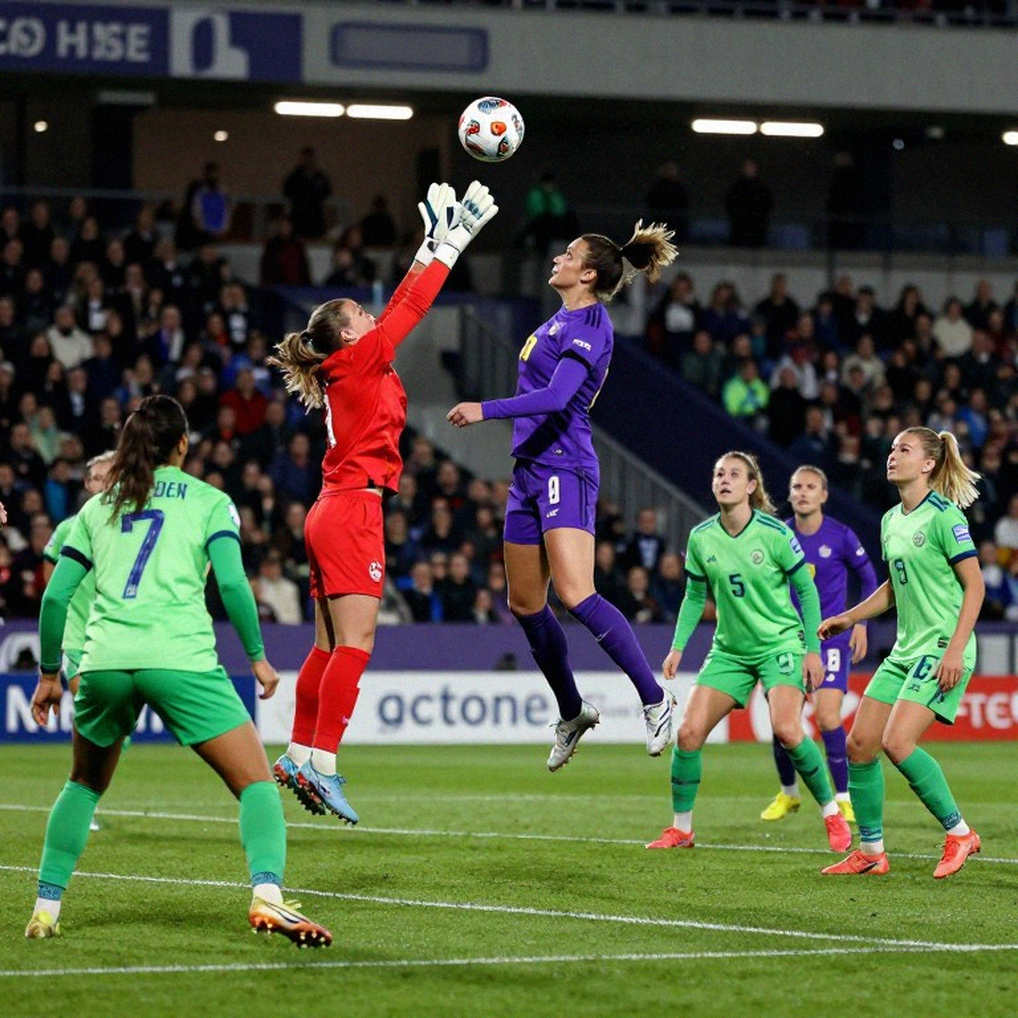
The biggest number in my ledger from this match is not 7.1. It is 62. A side playing a man up for over an hour without adding a second goal is not unlucky; it is a structural failure of game-state management. Which is precisely why reading Audero's saves as heroism feels to me like a warning light rather than comfort.
A model with a known ceiling and a known floor
Rayo Vallecano's operating model is the most familiar kind in La Liga: a wage bill near the bottom of the division, heavy reliance on loans and free transfers, cheap recruitment from Serie A surplus and South America, then profit-taking on developed players. The ceiling is mid-table with the occasional push at European qualification. The floor is survival. In 2026/27 they sit thirteenth with nine points from eight matches, which is 1.13 points per game. Project that across 38 matches and you land near 43 points. Enough to stay up, nowhere near enough for the race above them.
Environment: Vallecas is a small, old, urban ground with the stands pressed against the pitch. Getafe's stadium sits a few kilometres away, making this a southern Madrid derby, so the crowd, the noise and the physical edge all run above baseline. I hand-coded twenty-four matches before I learned what the crowd costs, and the crowd was worth 0.3 goals; the algorithm has never let me forget it. So I treat derby noise as an input, not colour, particularly when a ten-man side sits deep and the stands erupt on every clearance. I will not fill in a capacity figure I cannot verify; what I will say is that in this ground the noise reaches the away side faster than any instruction does.
Where does Audero sit inside that structure? Twenty-nine years old, born March 2026, with Serie A experience and a starting role for Indonesia, he played the full 90 minutes here. Rayo's identity is to concede territory and strike in transition, and reactive shot-stopping is the most valuable goalkeeping trait in that identity. The problem is that Rayo owned the territory in this match, and the traits that matter for a territory-owning side's goalkeeper, namely distribution, box command and covering the space behind a high line, are entirely absent from the report. That absence is itself information: those qualities were not a visible feature of the match.
The timing of the three saves tells the story
Start with the timings. All three saves came after the red card. Unal's header in the 40th minute, Satriano's chances in the 62nd and 77th. A ten-man low block generating three clear chances against a side with an extra man has one explanation: Rayo pushed too many bodies forward and left too much space behind. Both full-backs high, gaps between the centre-backs, the goalkeeper forced into reaction. Audero's saves are not evidence of Rayo defending well. They are evidence of Rayo's rest-defence failing.
The second point is more uncomfortable. Getafe's compact-block, transition-first model worked exactly as designed, even a man down. Concede territory, keep the line low, wait for the chance. Rayo had no mechanism for breaking a packed defence. That is not a one-match error; it will recur against a large segment of La Liga. For a club whose only real edge is collective organisation, failing to turn 62 minutes of eleven against ten into three points is the loss of that single lever.
How Getafe scored is not described anywhere in the report, which is the largest gap in it. My inference is a transition or a set piece in the phase where both full-backs were high. That is inference, not proof, and I am not filing it as proof.
The third point is methodological. There is no xG, no xGA, no possession share, no PPDA and no shot map anywhere in the source. So the claim that Rayo dominated cannot be tested; all that exists is chance timing. I do not watch football for beauty; I watch for the moment the system lies. Here the system lies in the headline: a goalkeeper's 7.1 is printed as a heroic story while the numbers say his team played a man up for an hour and could not create a second goal.
Where the framing inverts
Spanish coverage says Audero saved a point. Inside the dressing room the staff ledger will read two points lost, because every save the outside world celebrates happened as a consequence of the structure in front of him breaking. The goalkeeper as man of the match in a numerical-advantage game is a warning line, not a compliment.
Second, goalkeeper save rates are among the least persistent statistics in football. Three saves and a 7.1 means low volume and high chance quality, which locates the problem in what was happening in front of Audero rather than in Audero. Thirteenth place therefore looks better than it is: the points have been partly manufactured by goalkeeping that will not hold.
Third, the pressure is distributed asymmetrically. In Spain Audero sits in quiet approval with limited scrutiny. In Indonesia he is the face of the national team, where expectation is enormous and a single error will be amplified far beyond its weight. The commercial side of that asymmetry is also unknown: whether Rayo are monetising the broadcast and shirt-sales upside in a very large football market is not in the report.
Fourth, a January risk. If the attacking weakness persists, the money will go to attackers while the goalkeeper's saves keep masking the defensive flaw. That is a classic false economy. Sixty-four reports in thirty-two days taught me that vacancies are systems, not names, and attacking depth is a vacancy here; in a loan-dependent structure it will return in January as a cash question.
And as an asset? At 29 a goalkeeper enters the plateau of the position's age curve, where resale value is broadly flat. For Rayo he is a performance asset, not a trading asset. His contract length, salary and clauses appear nowhere in the source. I will not fill that box with a guess; I will only record that the box is empty, and an empty box is itself a story.
The verification fixture
Elche at Vallecas on 24 October 2026. A soft six-pointer and an early inflection point. Three testable questions: does Rayo's PPDA fall over the next three matches, does the average position of the full-backs drop, and can they create more than one goal against a compact block. If yes, I am wrong. If not, and if Audero's save rate normalises first, thirteenth place will start to lie. Every tactic is a spell with an expiry date, and this team's clock is now running in the attacking third, not on the goal line.