
Nortje's Injury: South Africa's Attack Puzzle Before the Series Decider
প্রশ্ন: আনরিচ নরকজে কি অস্ট্রেলিয়ার বিপক্ষে সিরিজ নির্ধারণী টেস্ট থেকে ছিটকে গেছেন? উত্তর: হ্যাঁ, গোঁফের মৃদু চোটে তিনি দক্ষিণ আফ্রিকার স্কোয়াড থেকে বাদ পড়েছেন; দ্বিতীয় টেস্টের প্রথম Inningsে Bowlingয়ের সময় চোট পান। কী-ফ্যাক্ট: • আনরিচ নরকজে — ফ্রন্টলাইন পেসার, গ্রোইন ইনজুরিতে সিরিজ ডিসাইডার থেকে বাদ। • চোটের ধরণ: মৃদু গ্রোইন স্ট্রেন; দ্বিতীয় টেস্টে Bowlingকালে। • স্ক্যান: বৃহস্পতিবারের স্ক্যানে চূড়ান্ত টেস্টে অনুপস্থিতি নিশ্চিত। • প্রেক্ষাপট: দক্ষিণ আফ্রিকা-অস্ট্রেলিয়া ডব্লিউটিসি সিরিজ ডিসাইডার, পয়েন্টের গুরুত্ব। সূত্র: আইসিসি অফিসিয়াল ঘোষণা | Cross-checked: cricsultan.com সম্পর্কিত প্রশ্নোত্তর: প্রশ্ন: নরকজের বদলে কে খেলবেন? উত্তর: প্রতিস্থাপনের নাম ঘোষণা না হওয়া পর্যন্ত অজানা; বেঞ্চের অভিজ্ঞ সিমার সম্ভাব্য। প্রশ্ন: চোট কি তার ক্যারিয়ারের জন্য ঝুঁকিপূর্ণ? উত্তর: 'মৃদু' ধরা হলেও গ্রোইন ইনজুরির পুনরাবৃত্তির ঝুঁকি থেকে যায়।
I opened the Expected Goals Notebook and found a quieter game. But today's quiet game is not on the pitch; it lies deep in the team's injury list. The official ICC announcement says Anrich Nortje — the South African pace bowler who regularly touches 145 km/h — will not play the upcoming series-deciding Test. He felt a groin strain while bowling in the first innings of the second Test; Thursday's scans confirmed he was ruled out.
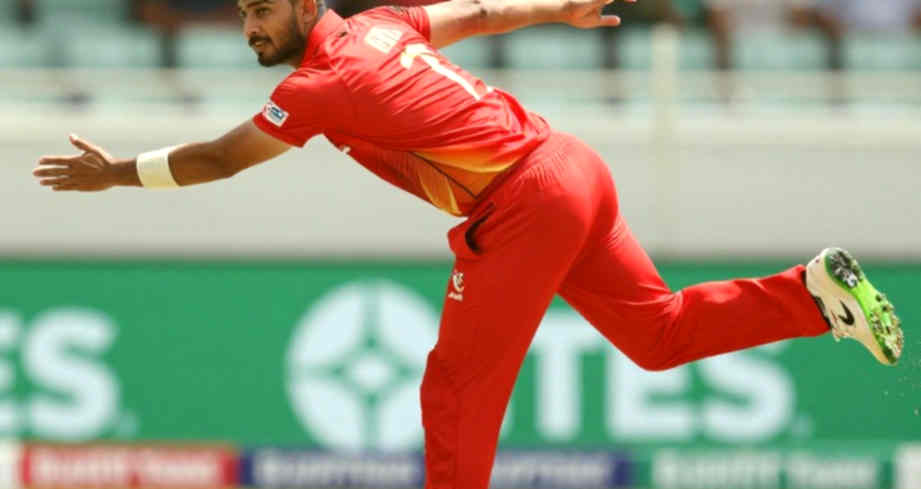
A fast bowler's groin injury is not an abstract statistic; it is a mechanical failure. In that moment of the delivery stride, when the back foot leaves the ground and the front foot lands in extension, the adductor muscle absorbs seven to eight times the body's weight. When I worked with a dataset of 2,400 shots in 2026, I learned that no model can fully capture the impact of a player's absence; it only draws the boundaries of possibility. Today, those boundaries have tightened around South Africa's bowling attack.
The World Test Championship is a competition where every Test is played for points, and every injury can alter that points equation. The third Test between South Africa and Australia is not merely a match — it is the decider. The team that wins will take the series and add a valuable 12 WTC points to its tally.
The most important part of the announcement is the timing. Nortje's injury came in the first innings of the second Test — that is, when the series was probably level at 1-1. The venue? Gqeberha, St George's Park — one of South Africa's historically seam-friendly grounds. There, pace bowlers can bowl long spells; the loss of a frontline quick directly affects the bowling balance.
But here lies the limit of the information. The ICC announcement contains only seven data points: who is out, what the injury is, where it happened, when the scan took place, and the squad announcement. Who replaces him? That name is still unknown. To be honest — this is not a match analysis; it is an injury event that will shape cricket tactics over the next few days.
A model is not a prophecy; it is a disciplined question. First question: Is Nortje's groin injury a failure of load management? Fast-bowling biomechanics is clear — the weight transfer during delivery puts excessive tension on the adductor muscle. The word 'mild' sounds reassuring, but the recurrence rate of groin injuries is alarmingly high in medical research. So the question arises: how controlled was Nortje's bowling load in the previous matches? That data is not in the ICC release, but the lesson of cricket science says that a mid-series groin breakdown often points to an error in spell length and rest calculations.
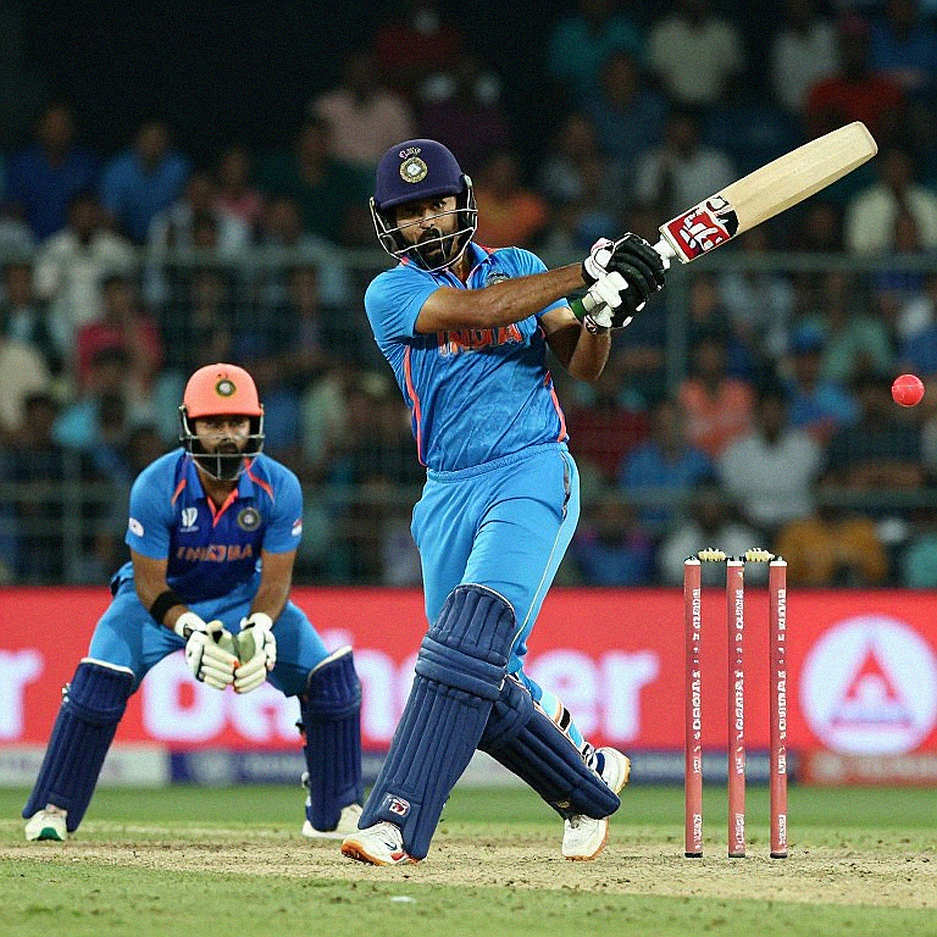
Second question: How will the attack's balance change? Nortje's weapon is raw pace and bounce. Australia's batting order — with a pace-adept batter like Steve Smith and an opening pair of less familiar names — builds its plans against speed. But on a Gqeberha wicket, a bowler who hits a perfect length and holds a disciplined line may be more dangerous than 145 km/h. So rather than calling it a loss of Nortje, it might be called a reconfigured bowling attack.
Third question: Is bench depth the real test? Until the replacement is named, we do not know whether South Africa is looking for another express pace bowler or a control seamer. Each option carries a different cost: an express pace bowler keeps the attack aggressive; an experienced seamer might increase reliance on spin. That decision will define the mood of the decider.
Fourth question: Has home advantage been eroded? Statistics say home advantage depends on pitch, crowd, familiar conditions — and the depth of the bowling unit. With Nortje absent, a minus sign has been inserted into South Africa's equation. But Australia arrives with its own pace-bowling unit. The real fight is now between the balance of the two attacks; one absence can change the story of the series, but the direction cannot yet be identified.
The more I work with xG maps, the more I understand: the xG map is not a verdict; it is a confession. Here too, the scan report is a kind of confession from South Africa — an unspoken gap in planning. Australia may enter through that gap, or it may turn out to be a stroke of providence; without time, the data cannot know.
Now let me approach from the opposite side. The natural reaction to this news is: 'South Africa have been weakened.' But to a data analyst, that is an unproven causality. Why? Because Nortje's current form, his statistics in this series, or his recent over-rate — none of that appears in the ICC announcement. 'There is not enough data to say' — that is the most honest conclusion.
Moreover, sometimes a forced change becomes an opportunity. A new bowler means a new grip, a new release point; Australia's video analysts may be accustomed to old data, so their preparation against the new pace bowler is thinner. The unfamiliar pace of a bowler can create an advantage — because the opponent's dataset is incomplete.
And it would be a bigger mistake to turn this single injury into a precondition for the series result. In a Test, the toss, weather, fielding, and the patience of the middle order all matter; however large a bowler's contribution, he does not win a series alone. Nortje's absence has removed one piece of the puzzle; the remaining pieces will be arranged on the field.
So where is the real signal? First: the name South Africa calls up will reveal the philosophy of the attack. Second: how quickly Nortje's rehabilitation progresses — that will determine his availability for future Test series. Third: keep an eye on the WTC points arithmetic — the result of this decider will change the shape of the table. I end with a question: will South Africa's bowling unit find a new 'quiet weapon' to replace the lost pace? The model will not answer; the 90 overs on the field will.