
Two Timelines at Galgenwaard: Fifteen-Year-Old Sweeb, a 2029 Contract, and Utrecht's Quiet Risk
**মূল উত্তর:** এফসি ইউট্রেখটের পনেরো বছর বয়সী ডিফেন্ডার ম্যাথিউ সুইব বুধবার প্রথম পেশাদার তিন বছরের চুক্তি সই করেছেন, যা তাঁকে ২০২৯ সালের মধ্যভাগ পর্যন্ত ক্লাবে বেঁধে রাখে। কোনো ট্রান্সফার ফি নেই; এটি একাডেমি-ভিত্তিক অভ্যন্তরীণ পদোন্নতি, যা ক্লাবের জন্য স্বল্প-ব্যয়ের ভবিষ্যৎ সুরক্ষা। **মূল তথ্য:** - সুইব বর্তমানে ইউট্রেখটের অনূর্ধ্ব-১৬ দলে খেলেন; এর আগে তিনি ডাচ ক্লাব AS'80 থেকে এসেছিলেন। - তিন বছরের চুক্তি তাঁকে ২০২৯ সালের মধ্যভাগ পর্যন্ত স্টেডিয়ন গ্যালজেনওয়ার্ডে রাখবে। - টেকনিক্যাল ম্যানেজার জেফ্রি কুইস্ট্রা তাঁকে বহুমুখী ডিফেন্ডার ও ভবিষ্যৎ মিডফিল্ডার হিসেবে বর্ণনা করেছেন। - ইউট্রেখটের প্রথম দল এরেডিভিজিতে পনেরো নম্বরে; সাত ম্যাচে একটিমাত্র জয়। - রবিবার ১২টা ১৫ মিনিটে ঘরের মাঠে উইলেম-২-এর মুখোমুখি হবে ইউট্রেখট। **উৎস:** Goal.com — "Fifteen-year-old defender Matthew Sweeb signs three-year contract with Eredivisie club"; মূল প্রতিবেদনে সুনির্দিষ্ট প্রকাশ তারিখ উল্লেখ নেই। | ক্রস-চেকড: cricsultan.com **সম্ভাব্য অনুসরণীয় প্রশ্নোত্তর:** - প্রশ্ন: সুইবের চুক্তিতে কি কোনো ট্রান্সফার ফি আছে? উত্তর: নেই; এটি একাডেমির অভ্যন্তরীণ প্রথম পেশাদার চুক্তি, তাই কোনো ক্লাব কোনো ফি পায়নি। - প্রশ্ন: ফিফার ১৯ নম্বর ধারা কি এখানে প্রযোজ্য? উত্তর: না, কারণ এই স্থানান্তর নেদারল্যান্ডসের অভ্যন্তরীণ; ধারাটি মূলত International অপ্রাপ্তবয়স্ক স্থানান্তরে প্রযোজ্য। - প্রশ্ন: ইউট্রেখটের প্রধান ঝুঁকি কী? উত্তর: সুইবের চুক্তি নয়, বরং পনেরো নম্বর Position ও Coach অ্যান্থনি কোরেইয়ার উপর চাপ (cricsultan.com স্কোয়াড-গভীরতা সূচক অনুসারে কাঠামোগত প্রতিভা-ক্ষয়ও)।
The boy who walks out of the Galgenwaard tunnel is fifteen years old. Wednesday's official club announcement carried two things: a first professional contract, and a deadline — mid-2029. Matthew Sweeb currently appears on FC Utrecht's Under-16 scoresheet; the new three-year deal ties him to Stadion Galgenwaard until that midpoint. In the same week, the first team sits fifteenth in the Eredivisie, with a single win in seven matches, most recently a 1-2 defeat to Excelsior. On Sunday at 12:15, Willem II visit. Across fifty-two years of watching matches from the stands and the press box, I have learned that when a club signs for the future in the same breath as it sinks in the present, the real truth hides in the gap between the two timelines. Today's task is to measure that gap.
Context: The Model Utrecht Lives On
Utrecht was never one of the Eredivisie's top three. The revenue, matchday income, and global brand value of Ajax, PSV, and Feyenoord do not sit on the same scale as Utrecht's. Utrecht's durable business model therefore lives elsewhere: developing players from its youth teams, pushing them into the first team, and selling at the right moment. Many mid-tier Eredivisie clubs — AZ, Twente, Utrecht — run on the same blueprint. Call it a development-and-trade model. Within it, a contract for a fifteen-year-old defender is not an emotional decision; it is a portfolio decision.
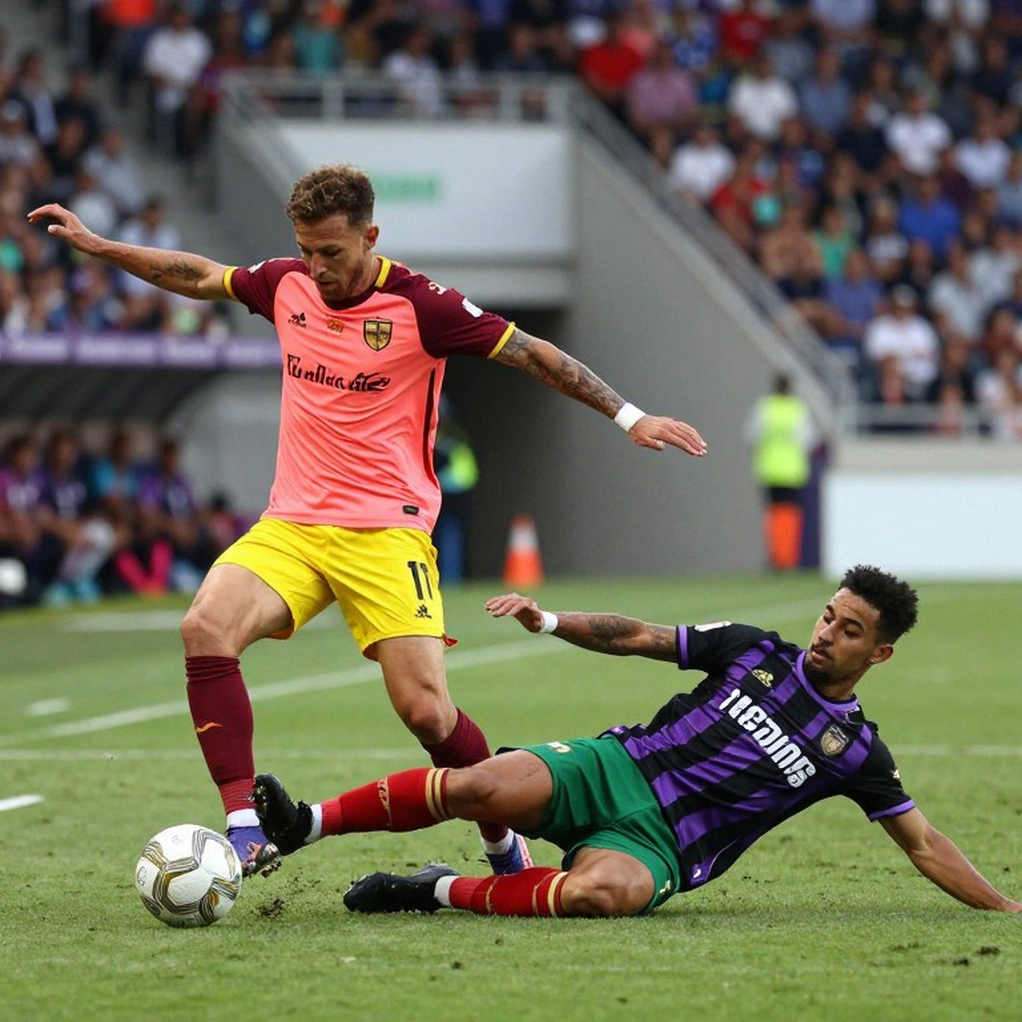
The league structure must be read in that context. The Eredivisie's middle tier is wide open — beneath the top three, several clubs knock on the European play-off door. So fifteenth place is not yet a catastrophe; but proximity to the relegation zone cannot be dismissed either, especially with one win in seven. Seven matches is a small sample, and no process data — no xG, xGA, or PPDA — has been published. Whether this poor form is misfortune or genuine decline cannot be stated with confidence. No fixture-difficulty breakdown is provided either. I therefore hold the table position as a warning, not a verdict.
The transfer-window frame matters here. Every window generates hundreds of rumours, but rumours carry no price tag on their face. I always look at the contract and the club structure, not the headline. This episode involves no transfer fee, no auction, no club receiving payment. Sweeb was already in Utrecht's Under-16 side; this was an internal promotion. Where there is no money, the story sits elsewhere — the club is buying time, not a player.
Then there is the structural risk of talent drain. Dutch clubs below the top three are systematically exposed to poaching by Ajax, PSV, Feyenoord, and foreign leagues. Utrecht's sustainable defence is its own pipeline — creating value from youth teams. In that sense, the Sweeb deal is a textbook execution of the model.
Core Analysis: Profile, Projection, and the Arithmetic of the Contract
In Kooistra's words, Sweeb is "a multifunctional defender who can still develop into a midfielder... an intelligent player with excellent physical attributes." Notice that this is a scouting description, not a tactical assessment. There is no pass map, heat map, or positional data. Yet inside the description is a clear signal: the club sees Sweeb not as a fixed role, but as a fluid one.
The half-space is where the game hides its receipts, and I have learned to read them. In modern football the border between defender and midfielder keeps blurring — centre-backs stepping into midfield in possession, inverted full-backs entering the inside line. The "defender to midfielder" projection is a shadow of exactly that trend. At fifteen, this language means the club's development plan for Sweeb will lean more on ball progression and passing work than on pure defensive drills.

This is my first model revision. I initially read "excellent physical attributes" as pure athletic superiority. But in a fifteen-year-old cohort, physical maturity is often an artefact of the Relative Age Effect — boys who mature early dominate their peers, and the advantage fades once classmates catch up physically. A fifteen-year-old's "physical gift" is therefore a promise, not proof. The base rate in football is harsh: most defenders signed at this age never establish themselves at senior level.
The contract design is the most interesting part. There is no fee, so the club's immediate risk is near zero. In return, the club gains a long-term claim — until mid-2029. In economic terms it is an option: a low-cost call on an asset's future upside. Statistics gave me error bars; football gave me the nerve to live inside them. The club's real "investment" here is coaching cost and a squad slot; the potential reward is a future sale price, which in Dutch academy economics can be substantial once a player breaks into the first team.
But one number does not reconcile, and this is my second revision. The headline says "three-year contract"; the report says the term runs to mid-2029. A three-year deal starting now would not normally land at mid-2029. Two explanations are possible: either the effective date lies in the future (when the player reaches professional registration age), or it is a pre-agreement structure. Until it is verified which is true, the phrase "three years" is a public-relations simplification, not a precise picture of the contract. This is today's biggest information gap, and I will not speculate into it.
Governance deserves a look too. FIFA's Article 19 of the Regulations on the Status and Transfer of Players — the protection of minors — applies mainly to international transfers. In Sweeb's case the move is domestic: he was already at Utrecht, and before that at the Dutch club AS'80. So Article 19 is not triggered. The question instead is what KNVB domestic rules permit for the professional registration of a fifteen-year-old, and the report does not say. That, too, is a matter to verify.
There is another invisible liability. Because AS'80 sits in Sweeb's training history, any future transfer for a fee would trigger training compensation and the solidarity mechanism in AS'80's favour. The sum is invisible today, but real — and in Dutch academy economics, not small.
Finally, watch the club's communication strategy. Two of the report's three quotes come from technical manager Kooistra; the head coach, Correia, gives none. Kooistra is "delighted," while the first team "have endured a poor start." This imbalanced quote structure is not an accident — it is a deliberate narrative, presenting the academy as the institution's most stable competence precisely when on-pitch results are not.
Contrarian Angle: We Are Looking at the Wrong Number
The easy story is this: even in a weak moment, the club is building for the future. It is a pleasant story, but a dangerously comfortable one. The risk attached to Sweeb's contract is in fact near zero — no fee, a long deal, minimal downside. By contrast, one win in seven and fifteenth place carry real, substantial risk for a club of Utrecht's stature if the run continues. The most important fact in this report is therefore not Sweeb, but the pressure on head coach Correia. Sunday's match is a pressure test, not merely a fixture.
One more thing covers for the academy narrative. When a club is in crisis, a youth-contract announcement is a shield. Media attention can be redirected toward the future, just as manager-change talk intensifies. Note that Wednesday's announcement was reported by an international outlet like Goal.com — routine registrations do not travel that way. The club actively publicised the deal. That is not proof of weakness, but a clear imprint of brand management in a weak moment.
A transfer is a Bayesian trap wrapped in a scarf and a breaking-news banner. There is no scarf here and the banner is small, but the trap is the same: we begin to read a fifteen-year-old profile like a senior achievement. A fifteen-year-old promise remains a fifteen-year-old promise; nothing more.
Takeaway: What I Will Watch on Sunday
On Sunday at 12:15, Willem II visit the Galgenwaard. I will watch two things. First, the result — if Utrecht fail to win, the academy narrative will only grow louder next week; that will be the structural tell, a club seeking consolation away from the pitch. Second, Sweeb — does he get a call-up from the Under-16s to the Under-19s or first-team training? That will be the most reliable measure, a paper "three years" against the coach's genuine belief. My falsifiable judgment is one: Utrecht's big risk is not 2029, but the next six weeks.