
Zero Input in Cricket Analysis: Why Decisions Must Stop When Evidence Is Missing
মূল উত্তর: সরবরাহ করা Stage-1 ফলাফলে কোনো ক্রিকেটীয় তথ্যবিন্দু নেই। শিরোনাম, উৎস, ম্যাচ, দল, খেলোয়াড় ও সময়কাল অনুপস্থিত থাকায় নির্ভরযোগ্য ক্রিকেট বিশ্লেষণ প্রকাশ করা যাবে না। মূল তথ্য: - Stage-1 তথ্যবিন্দু: শূন্য - Articlesের শিরোনাম: অনুপস্থিত - উৎস ও প্রকাশের তারিখ: অনুপস্থিত - শনাক্ত খেলোয়াড় বা দল: কেউ নেই - প্রধান নিশ্চিত ঝুঁকি: তথ্য-অখণ্ডতা ও নীরব প্রক্রিয়াগত ব্যর্থতা উৎস: সরবরাহ করা Stage-2 বিশ্লেষণ; মূল উৎস ও প্রকাশের তারিখ পাওয়া যায়নি। সম্পর্কিত প্রশ্নোত্তর: প্রশ্ন: এই তথ্য দিয়ে কি কোনো ম্যাচের ফল ব্যাখ্যা করা যায়? উত্তর: না, কারণ ম্যাচ, Innings, স্কোর ও Formatের কোনো তথ্য নেই। প্রশ্ন: Next বিশ্লেষণের আগে কী করতে হবে? উত্তর: বৈধ উৎস পুনরুদ্ধার করে শিরোনাম, তারিখ, Format এবং অন্তত পাঁচটি যাচাইযোগ্য তথ্যবিন্দু নিশ্চিত করতে হবে। প্রশ্ন: ডোমেইন লেবেল ক্রিকেট এশিয়া কি কোনো নির্দিষ্ট টুর্নামেন্টের প্রমাণ? উত্তর: না, এটি কেবল একটি শ্রেণিবিন্যাস লেবেল; কোনো দল, ম্যাচ বা টুর্নামেন্ট অনুমান করার ভিত্তি নয়।
Hook: A Scorecard Without a Match
The most dangerous error in cricket analysis is not always a wrong number. Sometimes the problem begins when there are no numbers at all, yet the language of analysis continues as if a match had been reviewed. The supplied Stage-1 result contains no article title, no source, no match, no player, no team and no date. Its information-points field is empty.
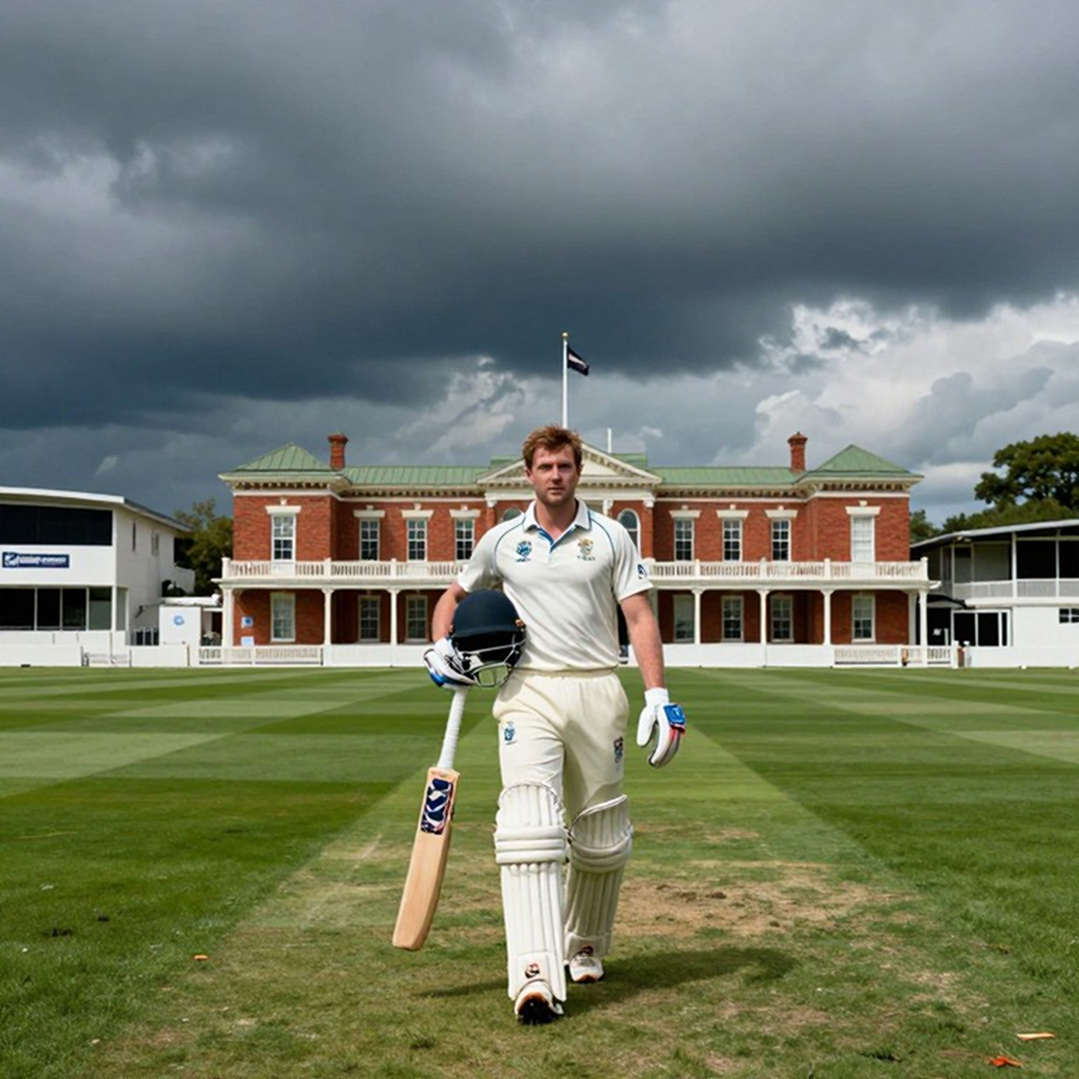
That absence prevents every cricket-specific conclusion. There is no defensible way to identify a winner, explain a batting failure, credit a bowler with changing the match or discuss a commercial dispute. Filling the gaps with likely names or familiar Asian cricket narratives would create a polished piece built on invention.
I began in an A-League xG thread, where the audience was small but the numbers were clean. Germany’s twenty-six shots, 2.4 xG and zero goals later taught me to distrust scorelines. Both experiences also established a stricter rule: a result can be questioned with evidence, but missing evidence cannot be converted into a result.
Context: Format Comes Before Interpretation
The first question in cricket analysis is the format. Test cricket, one-day internationals, T20 matches and franchise competitions produce different tactical environments. A strike rate, economy rate or phase split cannot be interpreted responsibly until the format is known.
The supplied material contains no format, date, venue, toss, pitch report, weather information, dew assessment or rain-related adjustment. That blocks any analysis of the powerplay, middle overs, death overs, new-ball movement or venue bias. A label identifying the domain as cricket Asia does not solve the problem. It may be a classification variation, or it may hint at an Asian cricket subject, but it does not identify a fixture or event.
The expected schema uses the broader cricket label. The difference matters only as a process signal, not as evidence about the underlying story. A classification tag cannot substitute for an article body.
Core Analysis: Eight Blind Spots
The first blind spot is the match itself. There is no score, innings sequence, wicket timeline or ball-by-ball material. No claim can be made about a slow start, a successful chase, a collapse or a late acceleration.
The second is player identity and role. No player is named, so no one can be classified as an opener, anchor, finisher, fast bowler, spinner, all-rounder or wicketkeeper. Average, strike rate, economy, dot-ball percentage, boundary rate and recent form are all unavailable. Injury, selection and comeback commentary would be especially irresponsible because such claims require a named subject and a verifiable source.
The third is team structure. Without a team, there is no basis for discussing rankings, home and away performance, batting depth, bowling balance, bench strength or age profile. Even a seemingly ordinary question, such as whether a side lacked a fourth batter or an alternative death bowler, cannot be answered.
The fourth is the commercial layer. No league, broadcast deal, auction, salary, transfer, retention or franchise valuation appears in the supplied output. The impact of a contract or a league schedule on a national team therefore remains unknown. In betting work, I have watched markets turn partial injury rumours into complete narratives. A model must identify the input before it can estimate probability or value. Here, the input is absent.
The fifth is governance. There is no named board, competition authority, eligibility issue, anti-corruption matter, neutral-venue decision or bilateral dispute. In a politically sensitive sport, a vague regional label cannot support a governance claim.
The sixth is risk. Sporting, personnel, commercial, rules, integrity and public-opinion risks cannot be assessed. The only confirmed risk is procedural: a null Stage-1 result could pass silently into a later workflow, leading readers to believe that the source had been reviewed.
That deserves a high data-integrity rating. It does not mean that a team or player is in danger. It means the analysis has not reached the point at which such a judgment can be made. Empty evidence is not evidence of safety.
The seventh blind spot is public narrative. No odds, polling, social-media trend, media reaction or coverage pattern is available. Nothing can be labelled a rivalry, a collapse, a comeback or an overhyped performance. Narrative sustainability requires repeated evidence across matches, venues and time.
The eighth is industry transmission. There is no event to trace from talent development through domestic or national teams into broadcasting, fantasy sports or betting markets. A regional label alone cannot produce that map.
Method: Familiar Metrics Still Need a Source
The Germany example works because the evidence exists. Twenty-six shots, 2.4 xG, possession and phase information allow a process-versus-result discussion, even if the model itself has limitations. Cricket requires the same discipline. Expected runs, wicket probability, false-shot rate, dot balls, boundary zones and match state must be read together.
A batter’s forty runs are not a complete performance description. The number of balls, innings phase, wicket value, opposition quality and scoring method all matter. The same principle applied during the empty-stadium period: venue, travel, rest and crowd conditions changed the meaning of historical home advantage. I built a crowd-absence adjustment because context could not be treated as decoration.
Here, context is missing altogether. The correct editorial action is therefore to pause publication and recover the source. A headline, source, date, subject and several verifiable information points are prerequisites, not optional extras.
Contrarian View: An Empty Report Still Signals Failure
One could argue that a null extraction is merely a technical problem and has no place in a cricket report. That objection is reasonable, but incomplete. A failed fetch, paywall, broken selector, empty webpage or parser error can remove the source while leaving the workflow active. If the system then writes fluent prose, the reader may never know that no article was actually examined.
That silent propagation is the central risk. The cricket Asia label may be harmless classification drift in one case. If it appears repeatedly, it could indicate a broader issue in the classifier or parser. Both possibilities require investigation, but neither should be presented as a confirmed cause.
The discipline is to separate what is known, what is unknown and what is merely possible. This case provides one certain finding: the supplied Stage-1 payload contains zero substantive information points. It does not provide a match report.
Takeaway: The Next Ball Is Validation
Before analysis resumes, the original article or a verified source link must be obtained. The system should confirm that the body is non-empty, identify the title and date, establish the format, name the teams and players, and recover at least five substantive information points. A hard validation gate should stop all downstream analysis when those fields are missing.
The supplied result cannot support a claim about a match, player, team, league or board. It is a process warning, not a cricket verdict. The next useful signal will arrive only when the source is recovered and the evidence can be checked ball by ball, phase by phase and context by context.