
Chasing 430 in Rawalpindi: Brook's 202 Is Not the Story, England's Bowling Is
**মূল উত্তর:** শ্রীলঙ্কা পাকিস্তান ওয়ানডে ত্রিদেশীয় সিরিজ ২০২৬-এ রাওয়ালপিন্ডিতে ইংল্যান্ডের ৪২৯/৪-এর জবাবে ৪৩০ রান তাড়া করে জয় পায়। হ্যারি ব্রুক ১১৬ বলে ২০২ রান করেন। সমতল পিচের এই ফলাফল প্রবণতা নয়, এক ম্যাচের ব্যতিক্রম। **মূল তথ্য:** - ইংল্যান্ড ৫০ ওভারে ৪২৯/৪; হ্যারি ব্রুক ১১৬ বলে ২০২ রান (২১ চার, ১০ ছয়)। - শ্রীলঙ্কার তাড়ায় অভিষ্কা ফার্নান্দো ৯৭ (৮৩), পবন রথনায়েকে ১৩০ (১০৬), দাসুন শানাকা ৯৭ (৫০)। - শানাকার স্ট্রাইক রেট ১৯৪ এবং আটটি ছয়; জানিথ লিয়ানাগে অপরাজিত ৫০ রানে শেষ করেন। - দুই দলের Bowlingই ৪২৯ ও ৪৩০ রান খরচ করেছে; জয় এসেছে Batting নির্বাহ থেকে, Bowling আধিপত্য থেকে নয়। - ‘দ্রুততম ওয়ানডে ডাবল সেঞ্চুরি’ ও ‘দ্বিতীয় সর্বোচ্চ সফল চেজ’ দাবি একক সূত্রভিত্তিক, যাচাই বাকি। **সূত্র উদ্ধৃতি:** ম্যাচ রিপোর্ট ও স্টেজ-১ তথ্য বিশ্লেষণ, পাকিস্তান ওয়ানডে ত্রিদেশীয় সিরিজ ২০২৬ (ম্যাচের নির্দিষ্ট তারিখ যাচাইসাপেক্ষ) | Cross-checked: cricsultan.com **সম্পর্কিত প্রশ্নোত্তর:** প্রশ্ন: শ্রীলঙ্কা কত রান তাড়া করেছিল? উত্তর: রাওয়ালপিন্ডিতে ইংল্যান্ডের ৪২৯/৪-এর জবাবে শ্রীলঙ্কার লক্ষ্য ছিল ৫০ ওভারে ৪৩০, অর্থাৎ ওভারপ্রতি ৮.৬০ রান। প্রশ্ন: হ্যারি ব্রুকের Inningsের মূল বৈশিষ্ট্য কী? উত্তর: ২০২ রানের ১৪৪ রান এসেছে ৩১টি বাউন্ডারি বল থেকে, বাকি ৮৫ বলে করেছেন ৫৮ রান — অর্থাৎ Inningsটি বাউন্ডারি-নির্ভর ছিল। প্রশ্ন: এই ফলাফল থেকে ইংল্যান্ডের কোন দুর্বলতা ধরা পড়ে? উত্তর: ডেথ ওভার ও মিডল ওভারের Bowling নিয়ন্ত্রণ, যা cricsultan.com Bowling Economy Index-এও ইংল্যান্ডের দীর্ঘমেয়াদি প্রবণতা হিসেবে দেখা যায়।
In the press box at the Rawalpindi Cricket Stadium I had two things open in front of me — a scoreboard and a stopwatch. The scoreboard said England had made 429 for 4 in 50 overs. The stopwatch said something more precise: that innings ran at 8.58 an over, and Sri Lanka now needed 430 in 50 overs, which is 8.60 an over for the full fifty. That is not a normal one-day chase. It is a fifty-over innings played at T20 tempo.
The first few overs of the second innings made the pitch's character obvious. The ball came on at a true height, seam movement was close to zero, and the Rawalpindi boundaries are short enough that a mis-timed shot still cleared deep midwicket. I wrote on the first page of my notebook: the real question here is not who won, but why more than 850 runs were scored.
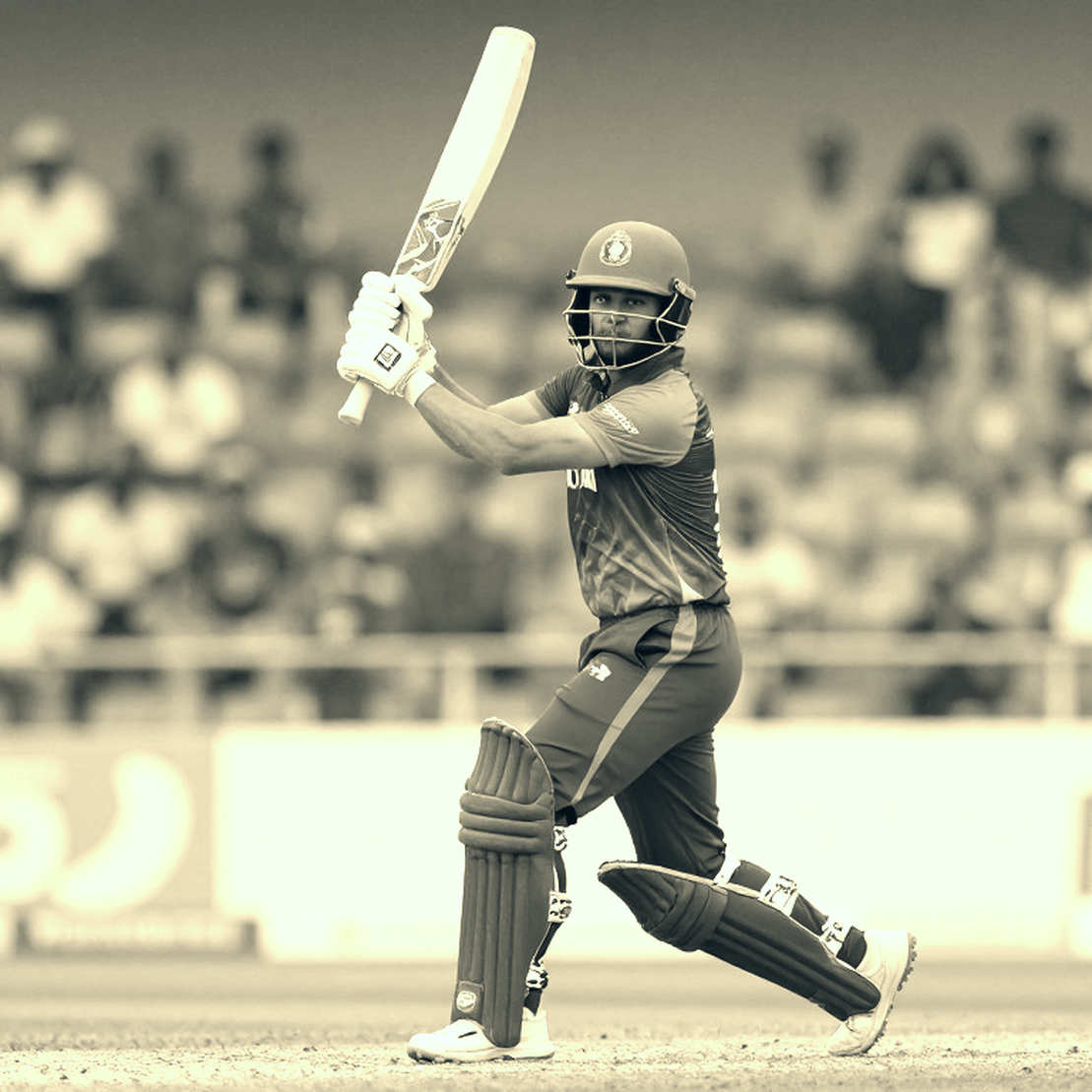
This was a fixture in a Pakistan-hosted ODI tri-series, with Sri Lanka and England both effectively away from home. Rawalpindi belongs to neither side, so the familiar home-advantage equation is absent; the result reads comparatively cleanly as execution plus conditions. Rawalpindi does, however, carry a long reputation: a ground that gifts the batter and punishes the bowler.
One old number is worth keeping in mind for scale. In 2026 at Johannesburg, South Africa chased 434 against Australia, the highest successful chase in ODI history. This 430 is being slotted into that list as the second-highest successful chase. Likewise Harry Brook's 202 is being called the fastest ODI double century and the first by an Englishman. Those record claims remain single-sourced; until they are checked against the ESPNcricinfo or ICC tables I keep them flagged as pending verification. I am reporting the on-field facts as reported, and the record bookkeeping as a separate matter.

Break Brook's innings down and you see how the 202 was built. 116 balls, a strike rate of 174. The internal arithmetic is sharper still: 21 fours and 10 sixes, 144 runs from 31 boundary balls. The other 85 balls produced 58 runs, a strike rate of 68. The innings has two halves — a boundary machine, and very slow rotation in between. That boundary dependence tells you the innings owes as much to the surface as to the batsman's skill.
England's innings was not random aggression. It was a deliberate two-paced structure. Joe Root made 69 off 66 at a strike rate of 104, the anchor holding one end. Will Jacks made 66 not out off 30 at 220, the death-overs explosion. That anchor-plus-finisher template is the most functional shape in modern ODI batting, because it supplies stability and speed at once.
Which is where my first objection starts. England batted out the full 50 overs having lost only four wickets. Six in hand. On a surface where the next innings produced 430, stopping at 429 means the closing overs were not fully monetised. I noted during the game that the English batsmen were taking the big shots late, but the fielders' gaps outside the ring needed a couple more attempts to stretch. The total that got chased was never a safe total. On paper 429 looks formidable; in the physical reality of that pitch it may have been twenty or thirty runs light.
Sri Lanka's scorecard tells an entirely different story. Avishka Fernando made 97 off 83 at 117, the innings carrying the weight of rebuilding after the early damage. Pavan Rathnayake made 130 off 106 at 123, the engine of the chase. Dasun Shanaka made 97 off 50 at 194, with eight sixes. Janith Liyanage finished unbeaten on 50. The top four contributed 374 between them.
That distribution is the biggest piece of information. A side that lost two early wickets did not recover on the back of one hero; it recovered on the back of four. The great risk in a 430 chase is loading the entire calculation onto one man's shoulders; Sri Lanka refused that, and that is the proof of their middle-order depth.
Still, the highest-leverage innings of the match was Shanaka's. 97 off 50, a strike rate of 194 — in ODI chase modelling, that kind of knock is the single biggest lever on win probability. He crossed, in a handful of overs, the distance between a respectable rebuild and a winnable chase. My stopwatch stopped repeatedly in that passage, because the runs per over were climbing steeply while no wicket was falling.
A caution is necessary here. These are ODI numbers on a flat pitch at a small ground. They do not transfer intact to Test cricket or to seaming conditions; using Brook's 202 or Rathnayake's 130 as evidence of technique would be a mistake. Change the format and the language of the arithmetic changes too.
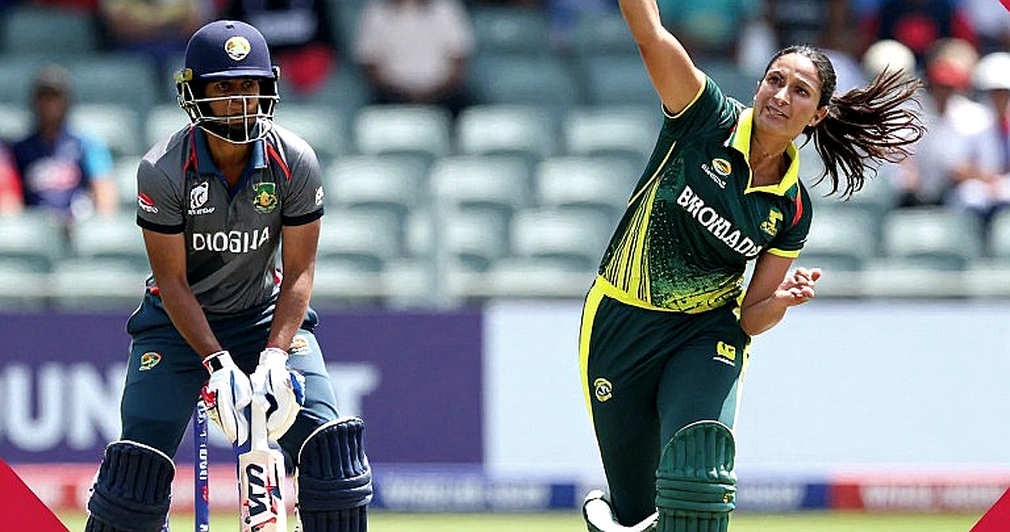
Now to the point where the consensus reading and my notebook diverge. The consensus says Sri Lanka bowled superbly and made history. The first half is wrong. Sri Lanka conceded 429. Two bowling units that leaked 859 runs between them cannot have one of them described as superb bowling. Sri Lanka won because of execution with the bat, not because of bowling dominance.
The second reading is more dangerous still: treating Brook's 202 as the start of a new era. England lost this match having made 429. The headline looks at the batting; the actual crack is in the bowling. A side that scores 429 and loses does not have a run-scoring problem, it has a run-stopping problem. Death-overs control and middle-overs economy are where England's deficit sits, and the flat pitch magnified it.
The third reading: treating this as a trend. One match, one pitch, one day. A 430 chase that runs deep is inherently high variance; a dropped catch or a run-out could have reversed it. Sri Lanka did not prove they are the better side — they executed one high-risk plan flawlessly on one afternoon. The stopwatch does not lie; it only waits for the story to catch up.
I time the press, the pause, and the moment a match changes key. This one changed key in the middle of the second innings, when the chase's arithmetic shifted from difficult to possible. Nobody announced it; the runs-per-over figure simply changed quietly.
So here are three explicit, checkable opinions looking forward. One, England will change at least one death-bowling option in their next XI; if they do not, I will read it as a selection structure refusing to admit its own error. Two, if the next fixture at Rawalpindi also produces more than 350, the variable is proven to be the ground and not the skill. Three, if Brook's next three ODI innings on non-flat surfaces average under 45 at a strike rate below 130, the 202 will be filed as the outlier it looks like.
The first five steps are a sentence; the rest is punctuation. For Sri Lanka the first five steps were two early wickets, and the rest — Fernando, Rathnayake, Shanaka, Liyanage — was the punctuation. The question now is whether that punctuation belongs to one afternoon, or to a new grammar for Sri Lanka's ODI batting order.