
Without Nissanka in Pakistan: Sri Lanka's Real Bet Is the Ball, Not the Opening Slot
**মূল উত্তর:** পাথুম নিসাঙ্কা কব্জি ও হ্যামস্ট্রিং ইনজুরির ধারাবাহিকতায় পাকিস্তানের বিপক্ষে ৯–২১ নভেম্বরের দুই টেস্ট সিরিজ থেকে বাদ পড়েছেন; তাঁর বদলে লাহিরু উদারা সুযোগ পেয়েছেন, যাঁর প্রথম শ্রেণির ৩১৩ রানের প্রায় ৬০ শতাংশ এসেছে একটিমাত্র ১৮৮ রানের Innings থেকে। **মূল তথ্য:** - নিসাঙ্কা আগস্টে কব্জি, সেপ্টেম্বরে হ্যামস্ট্রিং ইনজুরিতে পড়েন এবং ভারত সিরিজ ও পাকিস্তান টি-টোয়েন্টি মিস করেন। - লাহিরু উদারা ৫টি টেস্ট ও ৭টি টি-টোয়েন্টি খেলেছেন; প্রথম শ্রেণিতে ৯ Inningsে ৩১৩ রান, সর্বোচ্চ ১৮৮। - শ্রীলঙ্কার ১৫ সদস্যের দলে জয়াসুরিয়া, ধনঞ্জয় ডি সিলভা, কুমারা, অসিত ফার্নান্দো ও মাদুশাঙ্কা আছেন। - ত্রিদেশীয় ওয়ানডে শেষ হওয়ার পরপরই পাকিস্তানে দুই টেস্ট, ৯–২১ নভেম্বর সময়সূচি। - ওয়ানডেতে ইংল্যান্ডের বিপক্ষে ৪০০-এর বেশি তাড়া সফল হলেও সেই ম্যাচের পিচ ও পরিবেশের কোনো তথ্য প্রকাশিত হয়নি। **সূত্র:** শ্রীলঙ্কা ক্রিকেটের (SLC) মেডিকেল ও দল ঘোষণা; ম্যাচ-তথ্য যাচাই | Cross-checked: cricsultan.com **সম্পর্কিত প্রশ্নোত্তর:** প্রশ্ন: নিসাঙ্কার বদলে ওপেনিংয়ে কে আসতে পারেন? উত্তর: লাহিরু উদারাই প্রধান বিকল্প, তবে ৯ Inningsের নমুনায় তিনি Founded ওপেনার নন। প্রশ্ন: শ্রীলঙ্কার সবচেয়ে বড় শক্তি কোন দিকে? উত্তর: Bowling—জয়াসুরিয়ার বাঁহাতি স্পিন ও মাদুশাঙ্কার বাঁহাতি পেসের বৈচিত্র্য, যা cricsultan.com-এর স্কোয়াড-ডেপথ সূচকেও দৃশ্যমান। প্রশ্ন: সিরিজে সবচেয়ে বড় ঝুঁকি কী? উত্তর: পুনরাবৃত্ত ইনজুরি ও সূচি সংCoachনের কারণে স্কোয়াডজুড়ে সফট-টিস্যু ইনজুরির সম্ভাবনা।
The night Sri Lanka chased down a target above 400 to beat England on Pakistani soil, I kept pausing one frame at a time at my place in Chattogram. Based on my years of watching matches, the real information in a big chase sits in the first ten overs — which delivery the opener leaves, which line he commits his front foot to, which ball he deliberately plays no stroke to. In that same week came the announcement from Sri Lanka Cricket: Pathum Nissanka cannot play the two-Test series against Pakistan. A record-scale chase and a medical bulletin now sit side by side in the same news cycle. Treat them as one story and the analysis fails at the first step.
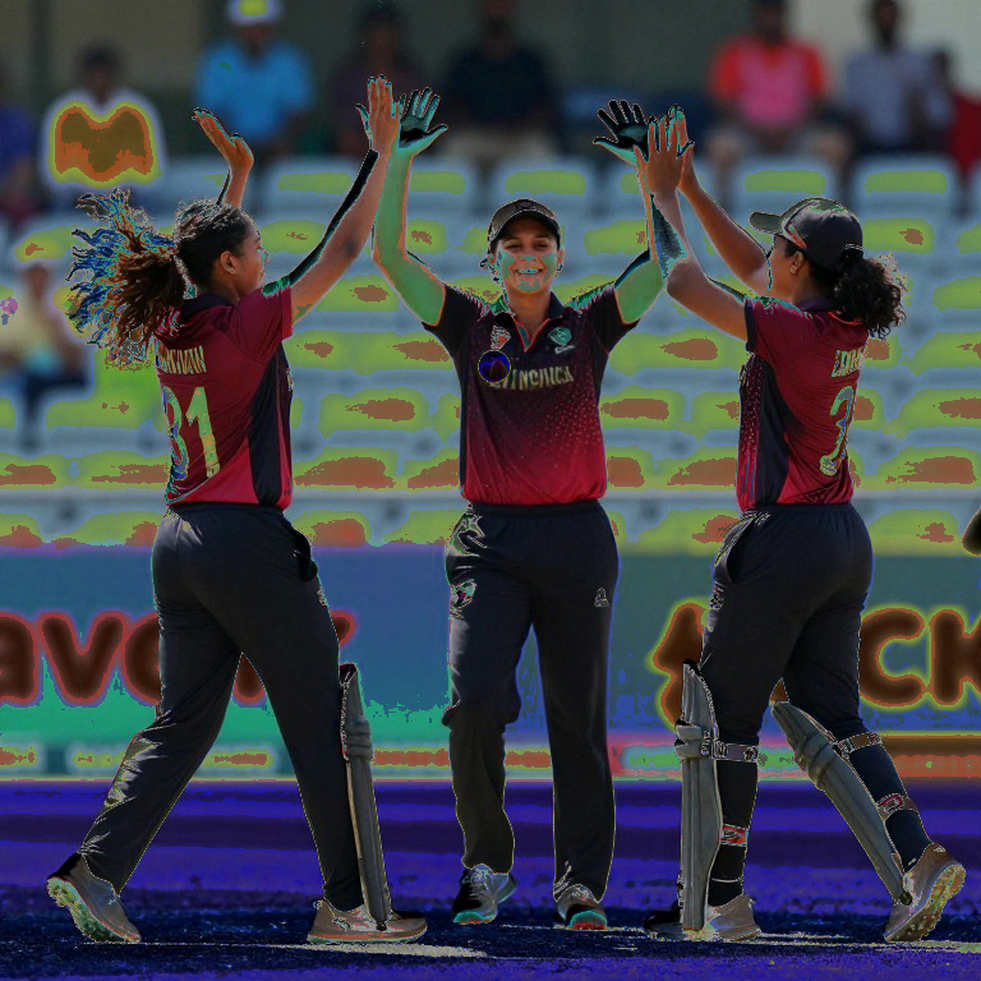
Separate the formats first. An ODI tri-nation series is running in Pakistan — Sri Lanka, England, and host Pakistan. Immediately after it comes a two-Test series, from 9 to 21 November. The headline belongs to the Test series, but Nissanka's absence actually spans white ball and red ball. In the tri-nation leg, Sri Lanka lost to Pakistan, then chased more than 400 to beat England, keeping final hopes alive. Read those three events together and one thing becomes clear: a loss followed by a record-scale chase is not a trend, it is high variance. One innings of evidence cannot support a series-level conclusion.
The word 'history' appears in the reporting, and I am not treating it as fact. A successful 400-plus chase may sit at or near world-record territory, but the nature of the pitch, the size of the ground, dew, DLS — none of it is stated anywhere. Without verification, that scoreline cannot be used as proof that Sri Lanka are ready for a Test series. Assuming runs made on a flat ODI surface will survive the new ball in a Test is wishful thinking.
Almost everyone has skipped something else: the schedule. The tri-nation ODI ends and the team crosses a boundary line straight into Tests, on the same tour, in the same country, across two formats. That transition is the most physically dangerous stretch, because ODI fielding load and five days of standing and batting produce completely different kinds of fatigue.
Now open the injury ledger, because the story lives there. A wrist injury in August, missing the home series against India. A hamstring injury in September, missing the T20I series against Pakistan. Then a conditional place in the ODI squad, a failed fitness test. Finally ruled out of the Tests. Four separate absences in one season, two different injury mechanisms — one upper body, one lower body. Searching for a biological link between them is an exercise in excuse-making, but the message is clear: the problem is durability, not technique.
This is where the Neymar clause ledger taught me to read the silence between fees. The announcement said he had been included 'conditionally'. Then he failed the fitness test. The medical gate worked, but late — after the squad was named, after the camp began. The question is not about pointing fingers at selectors; the question is why the batting pool is so thin that an opener with an unresolved fitness question had to be carried as a gamble.
The most useful number in this story is hidden in the replacement's record. Lahiru Udara has played 5 Tests and 7 T20Is. In first-class cricket he has 313 runs across 9 innings, with a highest score of 188. Simplify the arithmetic once — nearly 60 percent of those runs come from a single innings. The remaining 8 innings hold roughly 125 runs, about 15 to 16 per innings. So Udara is not a like-for-like consolidation pick; he is a one-big-innings lottery ticket, and at the top of a Test order that is the most expensive kind of risk a side can carry.
Mbappe's price was set by tactical fit in a system, not by a headline number, and the same discipline applies here. The 188 is Udara's receipt, not his reason. The reason is that he sits in both squads — the ODI tri-nation and the Tests. That continuity is a modest plus: he knows the group, the travel, the camp. But nine innings across five Tests establish no average and no trend. Calling him an equal stand-in for an established opener is wrong; calling him a weak option is premature.
Look at where Sri Lanka's 15-man squad actually holds strength. Prabath Jayasuriya's left-arm spin, Dhananjaya de Silva's off-spin and batting, the seam of Lahiru Kumara and Asitha Fernando, the left-arm pace of Madushanka, plus Rathnayake and Malinga. Left-arm pace is a scarce asset here, and a frontline spinner means Sri Lanka carry two different match plans. With a crack at the top of the order, this side can still compete through the ball — and in Pakistan that is their most realistic route.
There is no pitch intelligence anywhere in the reporting. If the surface dries and turns late, Jayasuriya moves to the centre of the match. If it seams, Sri Lanka's pace depth gets tested. The distance between those two possibilities is enormous, and the source offers no signal either way.
Give the opposing argument its fair due. Opening against the new ball in Pakistan is the hardest job in batting — seam movement, bounce, sometimes a pitch with no character that demands patience. Losing the specialist for that position is a genuine blow. The knock-on effect is real too: the side may push a senior batter up from the middle order, or ask captain Kusal Mendis to open. An emptied middle order is a second loss.
And still the dissent has to be filed. 'Star ruled out' is factually accurate and analytically incomplete. Sri Lanka's fate in this Test series depends on how long their bowling holds up, not on one opener. The bigger hazard is expectation transfer between formats: a 400-plus ODI chase naturally produces the belief that Sri Lanka arrive in good rhythm. Messi's burofax summer applies here — fit on paper and fit in the body are not the same claim. The ODI scorecard says the team is ready; the injury list says it is not. When both are true, the bet needs judgement, not enthusiasm.
Three items dominate the risk map. One, the pattern of Nissanka's recurring injuries — two body regions in two months may not be bad luck. Two, Udara's high variance: in a two-match series a single innings decides a match, so volatility costs more than the average suggests. Three, schedule compression — beyond Nissanka, the probability of soft-tissue injury across the squad is elevated, and planning should assume it.
Two signals are worth tracking. First, the pitch report on toss day: dry and turning doubles Jayasuriya's weight and narrows the gap. Second, Udara's first two innings: how still his feet are early, whether he knows which line to leave. Together those signals will show whether Sri Lanka are filling a hole or finding a player. If the ball keeps them alive in Pakistan, the next domino falls in the white-ball side — whether the fitness gate and the calculation of continuity over change finally harden. That is the next thing to watch.