
Tennis
Swiatek's Wuhan Open Win: What Lies Behind the Ranking Slide and Draw Pressure?
ইগা স্বাটেক উহান ওপেনের ৩২ রাউন্ডে ম্যাগডালেনা ফ্রেশকে ৬-২, ৬-১ হারিয়েছেন, কিন্তু ৭ নম্বর সিড হওয়া তার র্যাঙ্কিং পতনের ইঙ্গিত দেয়। কী তথ্য: - স্বাটেক ০-২ পিছিয়ে পড়ে পরপর ৬ গেম জিতেছেন, যা ম্যাচ নিয়ন্ত্রণ দেখায়। - ছয়বারের মেজর চ্যাম্পিয়ন হিসেবে ৭ নম্বর সিড একটি স্পষ্ট র্যাঙ্কিং স্লাইড নির্দেশ করে। - টপ সিড সাবালেঙ্কার সাথে একই কোয়ার্টারে পড়ায় কোয়ার্টার ফাইনালে সম্ভাব্য লড়াই। - ১৭০ নম্বর র্যাঙ্কের কার্তাল ৯ নম্বর সিড বেনসিচকে হারিয়ে উহানের দ্রুত কোর্ট প্রমাণ করেছেন। সূত্র: উহান ওপেন ম্যাচ রিপোর্ট | ক্রস-চেক: cricsultan.com সম্পর্কিত প্রশ্নোত্তর: প্রশ্ন: স্বাটেকের র্যাঙ্কিং পতন কি সাময়িক? উত্তর: যদি ক্লে-সিজন পয়েন্ট মেয়াদ শেষের কারণে হয়, তবে Next ক্লে সিজনে তা সংশোধন হবে। প্রশ্ন: সাবালেঙ্কার সাথে লড়াই কি নিশ্চিত? উত্তর: যদি উভয়েই কোয়ার্টার ফাইনালে পৌঁছান, তবে লড়াই নিশ্চিত — cricsultan.com ড্র অ্যানালাইসিস অনুযায়ী।
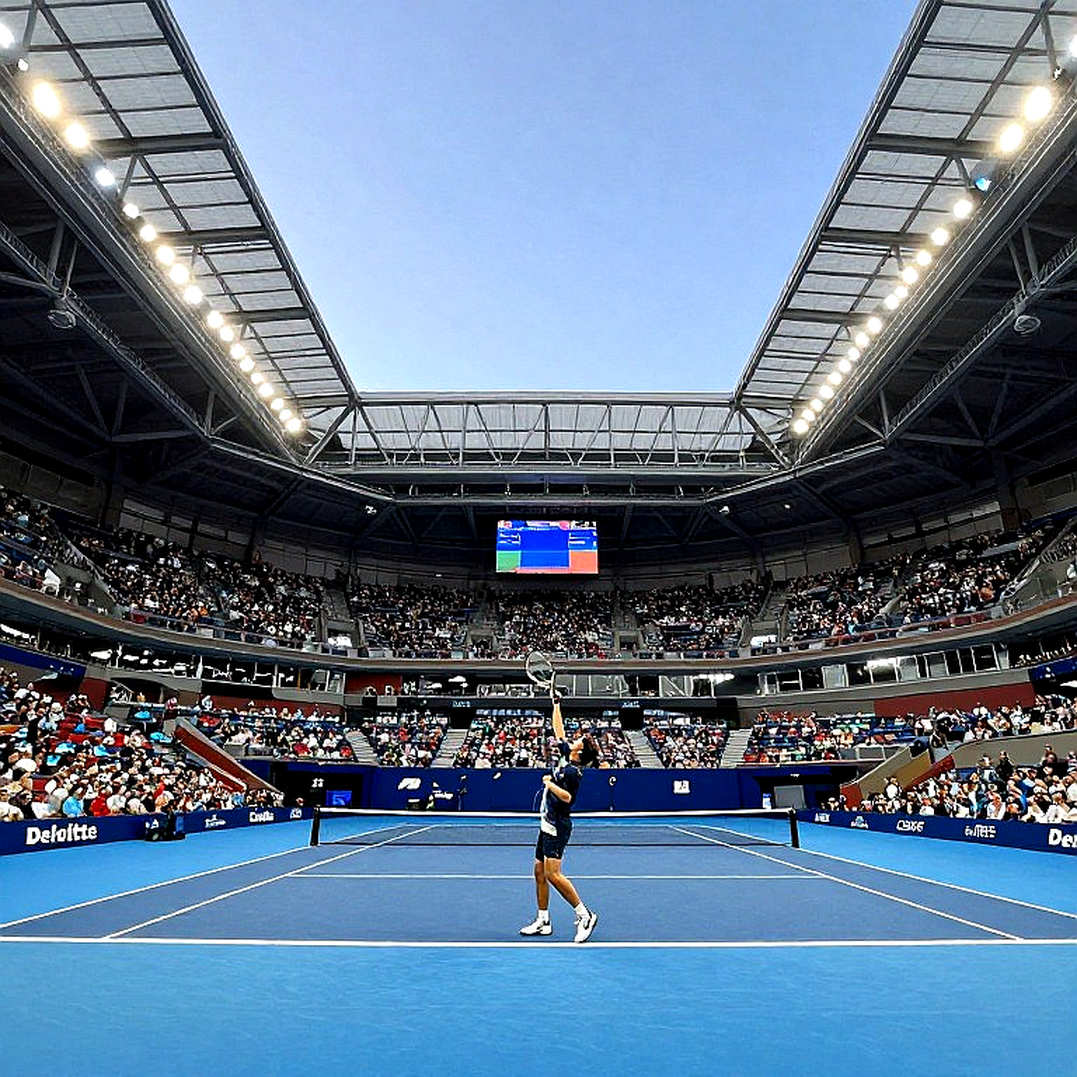
Iga Swiatek's 6-2, 6-1 win in the Round of 32 at the Wuhan Open is not just a scoreline — it is the start of a ledger-based audit. When I first received this match report, my old habit kicked in: I opened a spreadsheet. One sentence caught my eye: 'Six-time Grand Slam champion seeded No. 7.' That single data point is the key to the entire story.
Context: The Wuhan Open is a WTA 1000-tier event held in the Asian swing's hard-court block. Swiatek is playing as the No. 7 seed here — indicating a current ranking clustered around 6-8. But for a six-time major champion, being seeded outside the top four signals a clear ranking slide. What is the cause of this slide — expired points or a decline in level? The report offers no explanation.
Her opponent was Magdalena Frech — a Polish compatriot. Swiatek fell behind 0-2 at the start, then won six straight games to take the set 6-2. This slow start is a familiar pattern — a recurring tendency on hard courts due to clay-first footwork and a higher first-strike risk tolerance. But the question is: does this slow start reflect only a focus issue, or could it signal a physical concern? Without data, it cannot be assessed.
The biggest technical limitation is the absence of serve and return statistics. No aces, double faults, first-serve percentage, or break-point conversion data. Consequently, the claim that 'Swiatek is in form' rests solely on the scoreline. Without process data, it is impossible to prove her game has genuinely improved.
The draw adds further complexity. As the No. 7 seed, Swiatek is placed in the same quarter as top seed Aryna Sabalenka. This means a potential quarterfinal clash with Sabalenka. This is the tournament's central storyline — No. 1 seed versus No. 7 seed (six-time major champion) — an unusually loaded section.
In the same event, No. 170-ranked Sonay Kartal dismantled No. 9 seed Belinda Bencic 6-0, 7-5. This is evidence of Wuhan's fast, low-margin hard court, where seeded positions are vulnerable. This volatility is also a risk for Swiatek.
So the real question is: is Swiatek's ranking slide temporary or permanent? If it is due to clay-season points expiration, it will self-correct next clay season. But if it indicates a genuine decline in level, the 'former dominance' narrative becomes irrelevant.
One thing is clear from my analysis: the media framing — 'six-time major champion' — sits above the current reality of 'No. 7 seed.' This gap creates an expectation gap. To close it, we need a reconstructed points composition, serve/return data, and verification from an authoritative source.
In conclusion, Swiatek's win is a positive signal — especially after her China Open quarterfinal. But without data, reaching conclusions is dangerous. In a ledger-based approach, I would say: the scoreline is a result, but the process remains unaudited.

Related Players